Newsletters


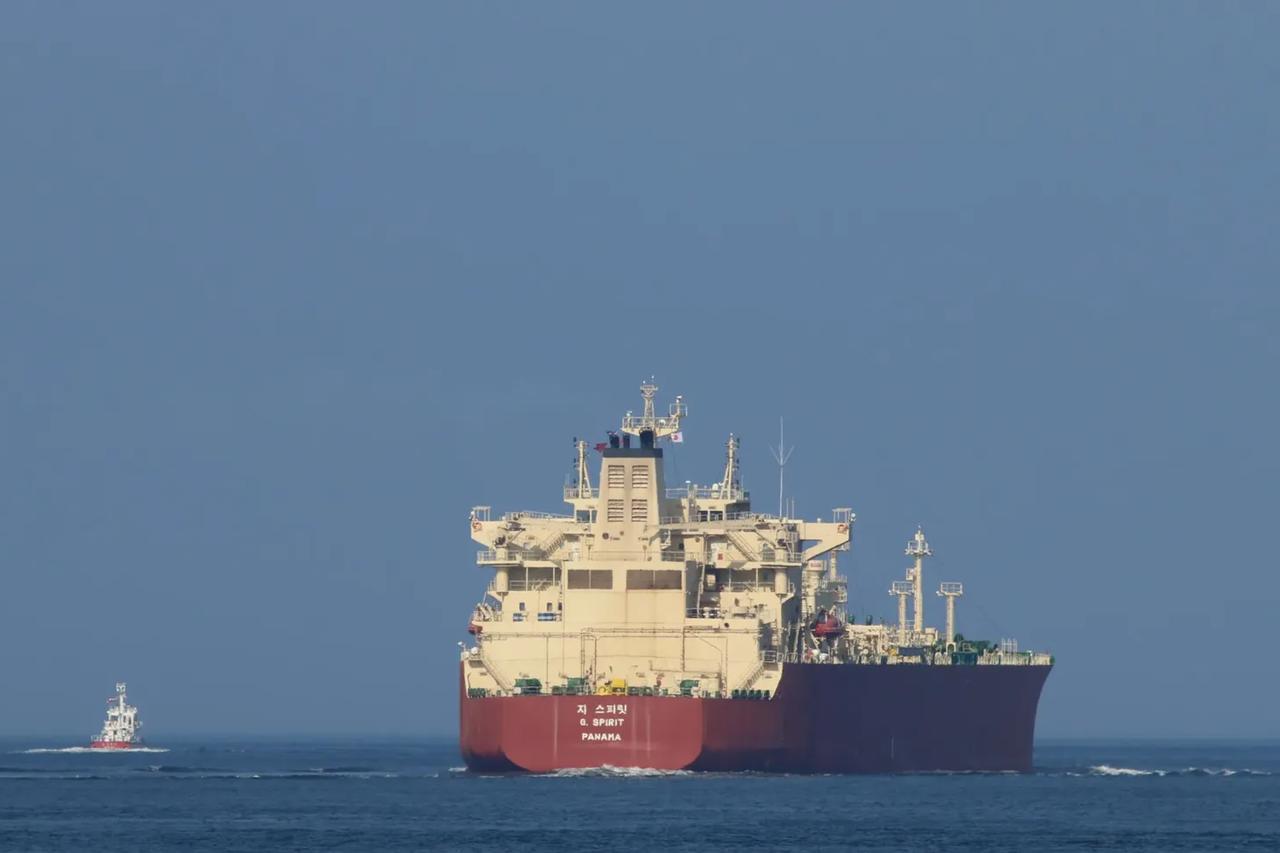


South Korean company SK Gas paid a record $5.3 million to secure priority passage for its G. Spirit LPG tanker through the Panama Canal on Sept. 1, just before authorities are set to tighten transit limits because of El Nino-related drought.
The fee comes two days before the canal authority is due to reduce the number of daily crossings. Panama declared an emergency over El Nino on Tuesday after severe drought conditions drove down water levels in the waterway.
El Nino raises surface temperatures in the central and eastern equatorial Pacific and disrupts global wind and rainfall patterns. The weather phenomenon is also pushing up global temperatures in a year expected to be the hottest on record.
Ships typically book their canal passage well in advance, while those without reservations wait an average of five days. Operators can also bid for last-minute crossings through an auction system.
The average auction price was around $55,000 between October 2025 and February 2026, according to the Panama Canal Authority. By April, an LNG carrier paid $4 million to move ahead of the queue as the war in the Middle East increased demand for shipments through the waterway.
The canal handles about 5% of global maritime trade. Daily transit capacity is set to drop from 36 to 34 on Sept. 3, and nine slots allocated to the larger Neopanamax locks and 25 to the smaller Panamax locks. The Panamax allocation will then fall to 23 slots from Sept. 15.
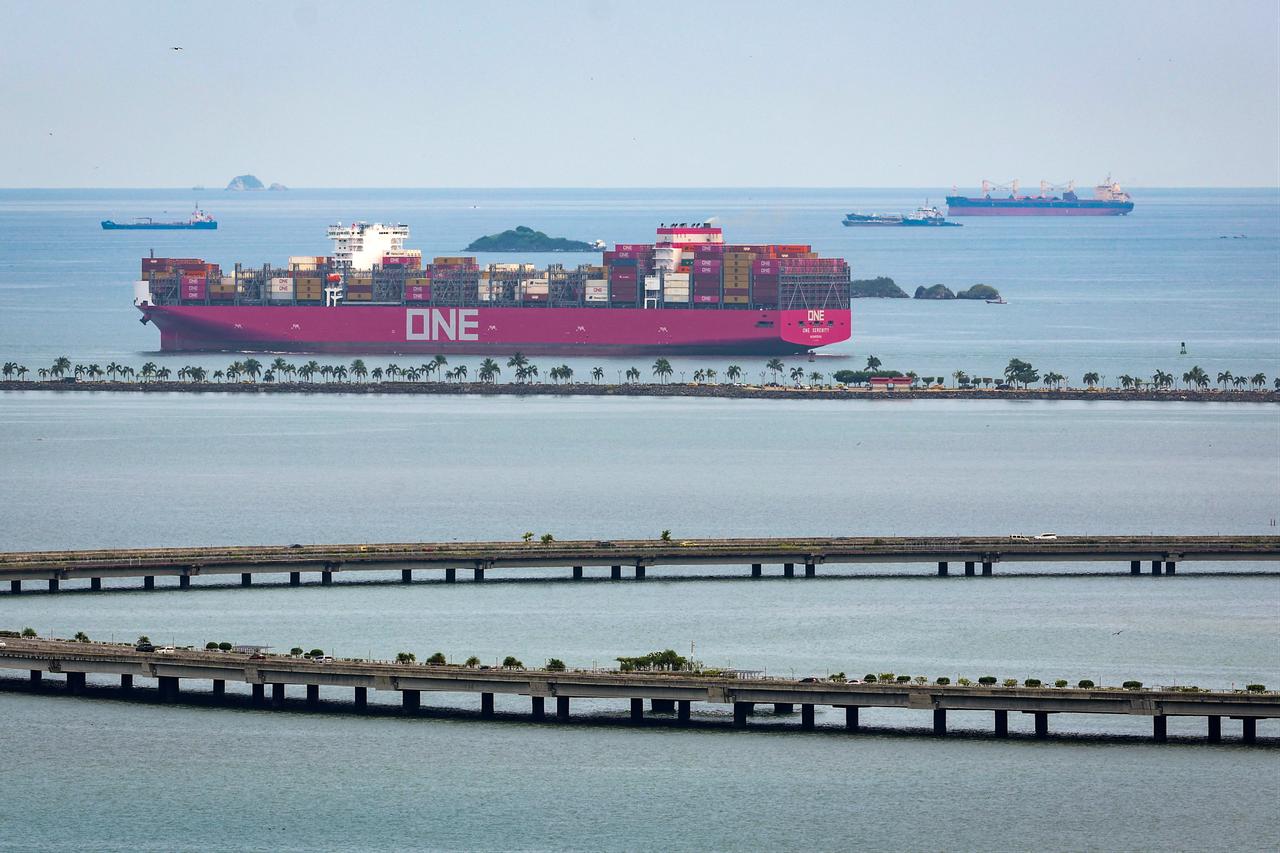

Neopanamax locks are the larger chambers and can accommodate bigger vessels such as VLGCs, while the older Panamax locks are smaller and can be used by vessels that fit within their narrower dimensions.
Panamax crossings remain far cheaper by comparison, with the average auction price reaching $690,000 on Aug. 24, nearly 4.5 times below the $3.1 million Neopanamax level that day. By Aug. 26, the average Neopanamax auction price had climbed to an all-time high of $3.1 million.
That price gap is prompting some charterers to pay premiums for smaller VLGCs that can use the Panamax locks, according to global energy and commodities price-reporting agency Argus.
The authority is also changing how it organizes auction access. From Sept. 3, the daily auction slot for Neopanamax, Super and Regular vessels will be divided among four groups, with LNG and LPG carriers placed together in the first group.
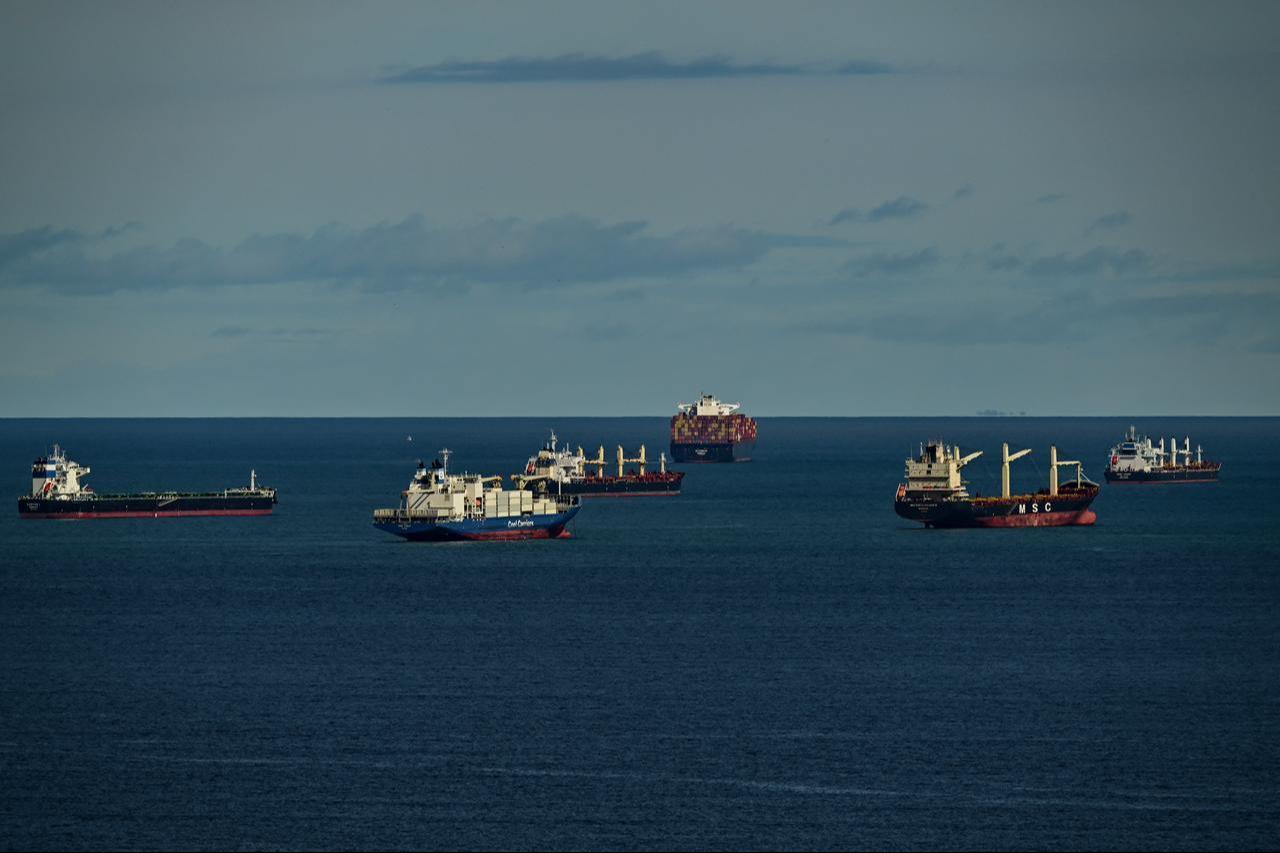
The surge in canal fees is also changing some vessels' routes, with the VLGC Gas Scorpio, which was heading back to Houston from the Asia-Pacific region, choosing to sail around South America instead of taking the much shorter route through the Panama Canal, according to vessel-tracking data from Vortexa.
The ship had been sailing empty from China toward Panama and appeared to have reached the anchorage area where vessels wait before entering the canal in mid-August. But on Aug. 21, it turned south and continued along South America's west coast, while Houston remained listed as its destination.
Taking the longer route is likely to add about 20 days to the trip, while sailing through the Strait of Magellan could also mean extra pilotage fees.
The Gas Scorpio was due to load another LPG cargo on the U.S. Gulf Coast on Aug. 25 and is now scheduled to arrive in the United States in the second half of September.


 Set as preferred source
 Set as preferred source


 1 min read

 1 min read