Newsletters


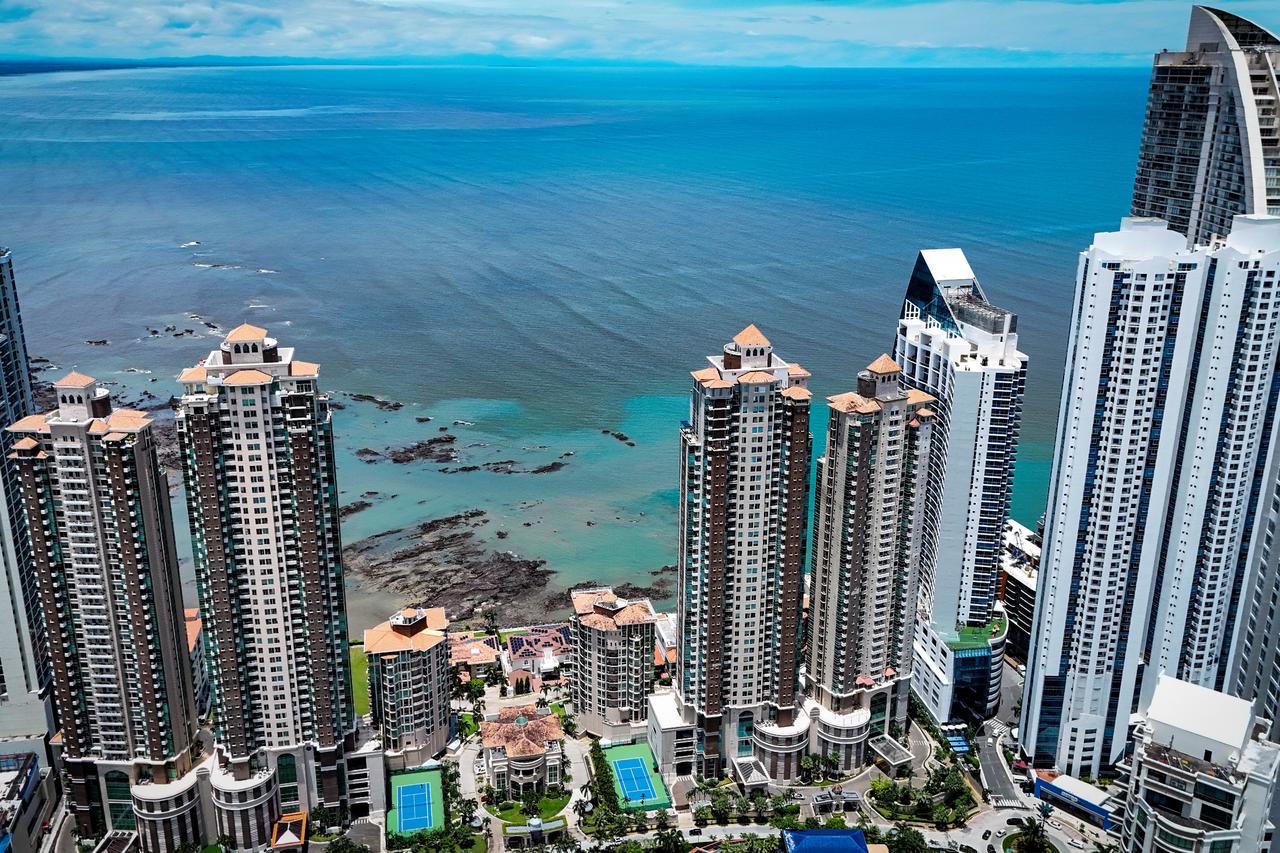


Panama has declared a nationwide state of emergency, the country's highest alert level, as intense El Nino-driven rains threaten the economy and residents' safety, Anadolu Agency (AA) reported.
Severe rainfall linked to El Nino has struck Panama's northern and Caribbean regions, triggering widespread flooding. The disaster has affected more than 15,600 people so far, with the hardest-hit areas concentrated in Bocas del Toro, a Caribbean province near the border with Costa Rica, and Colon, the country's main Atlantic port city.
Panama's Interior Minister Dinoska Montalvo said the emergency declaration was designed to simplify administrative procedures, strengthen operational capacity and "prepare for what may come" with El Nino.


Panama becomes the third Central American country to declare an emergency over El Nino this year, after Honduras and El Salvador, both of which have issued red alerts over worsening drought conditions.
Officials said the declaration follows warnings that prolonged shifts in rainfall could strain water supplies, agriculture and hydroelectric power generation, with 11 river basins across the country already reported to be under water stress.
The World Meteorological Organization (WMO) said in its latest assessment that El Nino is expected to rapidly intensify in the coming months, raising the risk of extreme weather events and natural disasters.
Sea surface temperatures in the eastern and central Pacific are projected to rise sharply between July and September, with an increase of more than two degrees Celsius (3.6 degrees Fahrenheit) expected to produce a severe El Nino episode.
The U.S. National Oceanic and Atmospheric Administration (NOAA) has separately forecast that the current El Nino has a more than 90% chance of becoming a "very strong" event, with nearly a 70% chance of surpassing the intensity of the record 1982-83 episode.
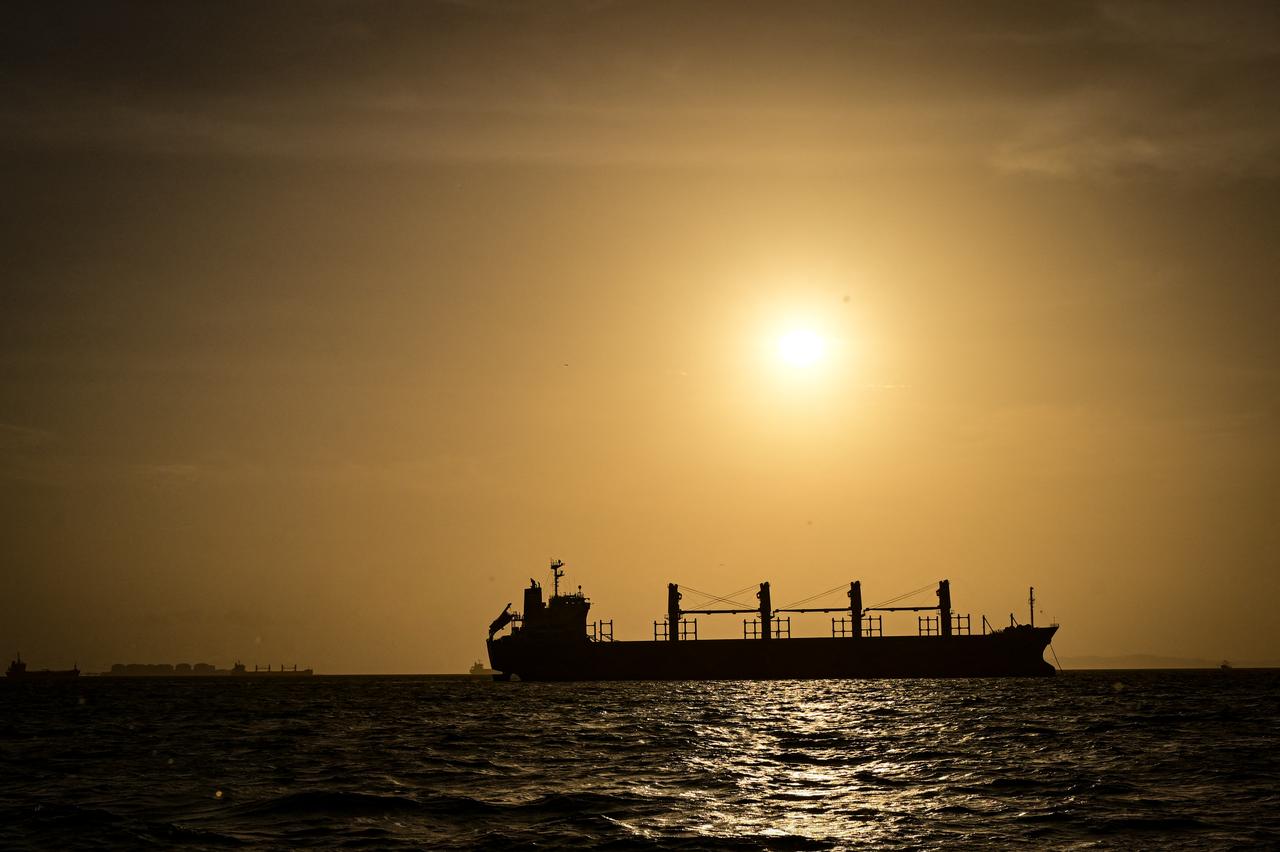
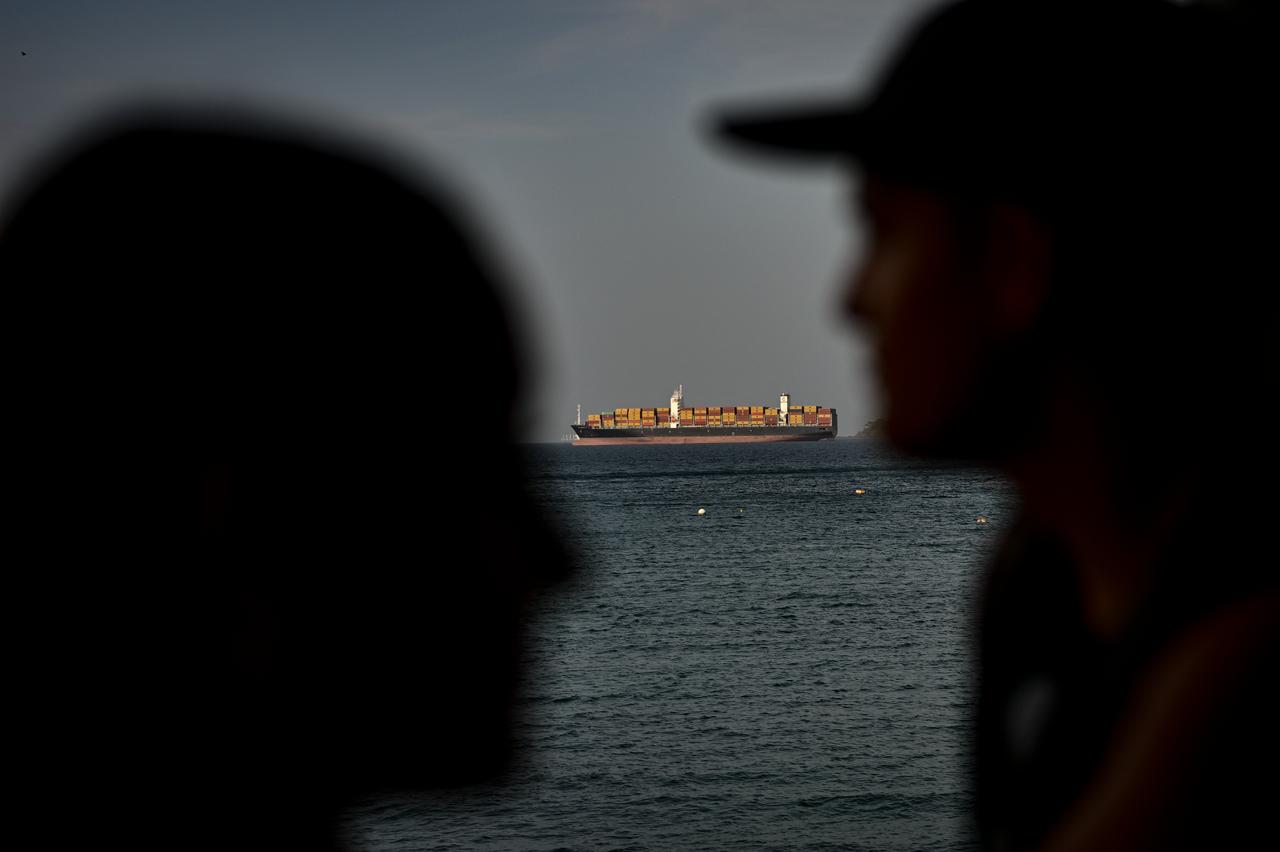
Prolonged rainfall shifts tied to El Nino have also affected shipping through the Panama Canal, one of the world's busiest maritime trade routes, after canal authorities reduced daily vessel traffic to conserve water levels in the reservoirs that supply it.


 Set as preferred source
 Set as preferred source



 4 min read