Newsletters


U.S.-based credit rating agency S&P Global projects a modest recovery in the profitability of Türkiye’s banking sector by 2026, supported by high net interest margins and an ongoing easing cycle by the Central Bank of the Republic of Türkiye (CBRT), which it expects to lower the policy rate to between 27% and 30%.
The policy rate projection assumes inflation will decline toward 23%–25% by the end of 2026, S&P stated in its recently released "Türkiye Banking Outlook 2026: A Rocky Road To Recovery" report. While margins are set to remain supportive, S&P highlighted that the direction and timing of monetary easing remain the most important risk to the earnings outlook.
As of November, the net interest margin (NIM) in the sector rose to 5.9%, according to data from the Banking Regulation and Supervision Agency (BRSA). Over the first 11 months of the year, Turkish banks posted a cumulative net profit of ₺842.9 billion ($19.5 billion), a 45% jump compared to the same period last year.
On the monetary side, Turkish policymakers are expected to deliver another 150 basis point cut at the meeting on Thursday, Jan. 22, bringing the policy rate down to 36.5%, following better-than-expected inflation in December, which continued to ease to 30.9%.
"The pace and scale of future rate cuts will determine how quickly and to what extent banks can benefit from the margin recovery," the report noted. Institutions that rely more on money market funding and non-interest-bearing deposits are likely to benefit more significantly in the near term. However, the report warned that aggressive rate cuts or sudden internal or external shocks could disrupt financial stability and impact earnings momentum.
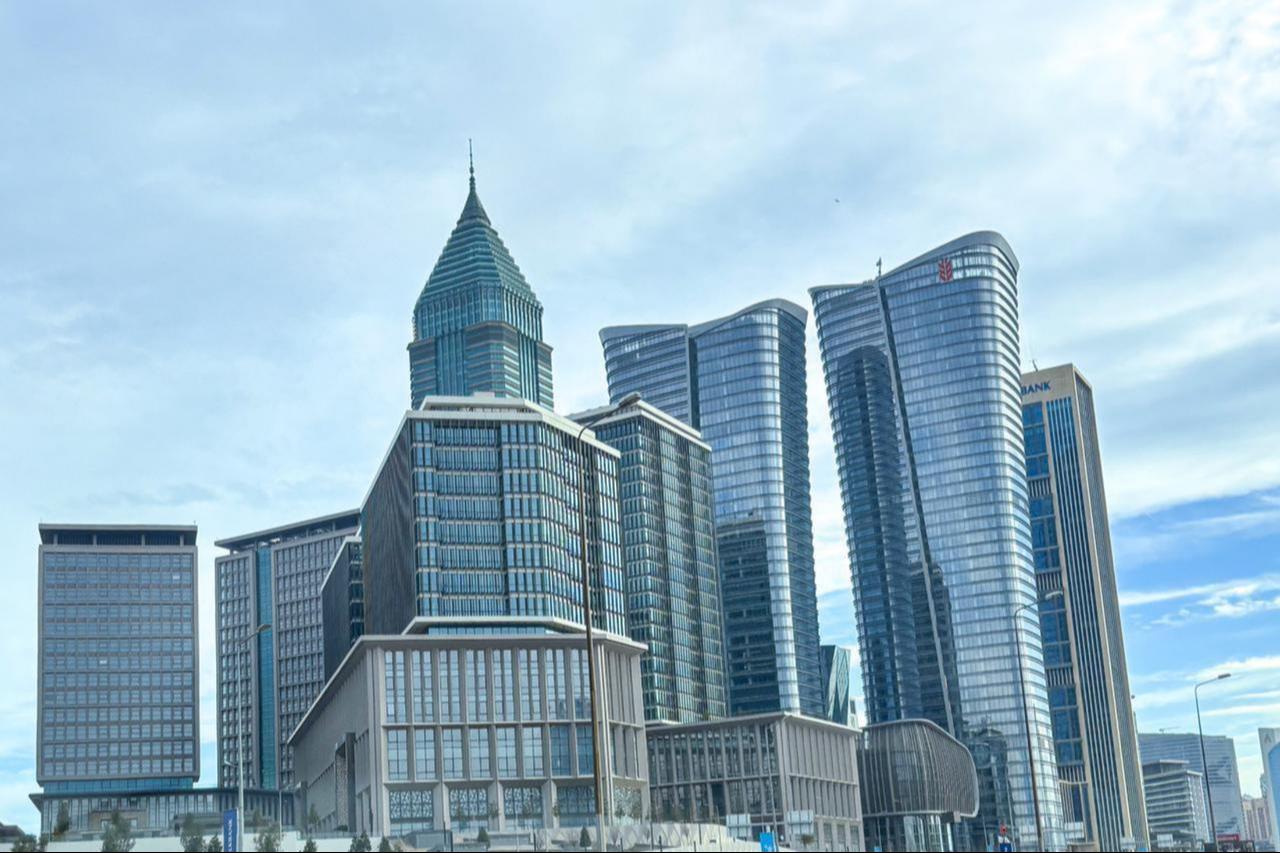

S&P expects asset quality in Türkiye’s banking sector to remain under pressure in 2026, citing persistently high inflation, elevated funding costs, and structural economic imbalances that continue to strain loan performance. Reflecting these pressures, non-performing loans more than tripled between mid-2023 and late-2025, the report underlined, pushing the NPL ratio to 2.4% by November 2025, despite banks undertaking substantial sales of distressed assets during that period.
Although credit losses are set to remain high, the agency views the impact as manageable, citing continued provisioning and stronger capital buffers. Capital positions were further reinforced by foreign currency instrument issuances in mid- and late-2025, which help mitigate risks from exchange rate volatility.
While external debt rollover ratios have improved, suggesting enhanced market access, geopolitical risks—including potential tensions in Syria and Iran, may weigh on Türkiye’s trade environment and indirectly affect the banking sector.
S&P forecasts that around 40% of total deposits in Türkiye’s banking system will remain in foreign currency by end-2026, assuming no major financial disruptions.


 Set as preferred source
 Set as preferred source


 1 min read
 1 min read