Newsletters


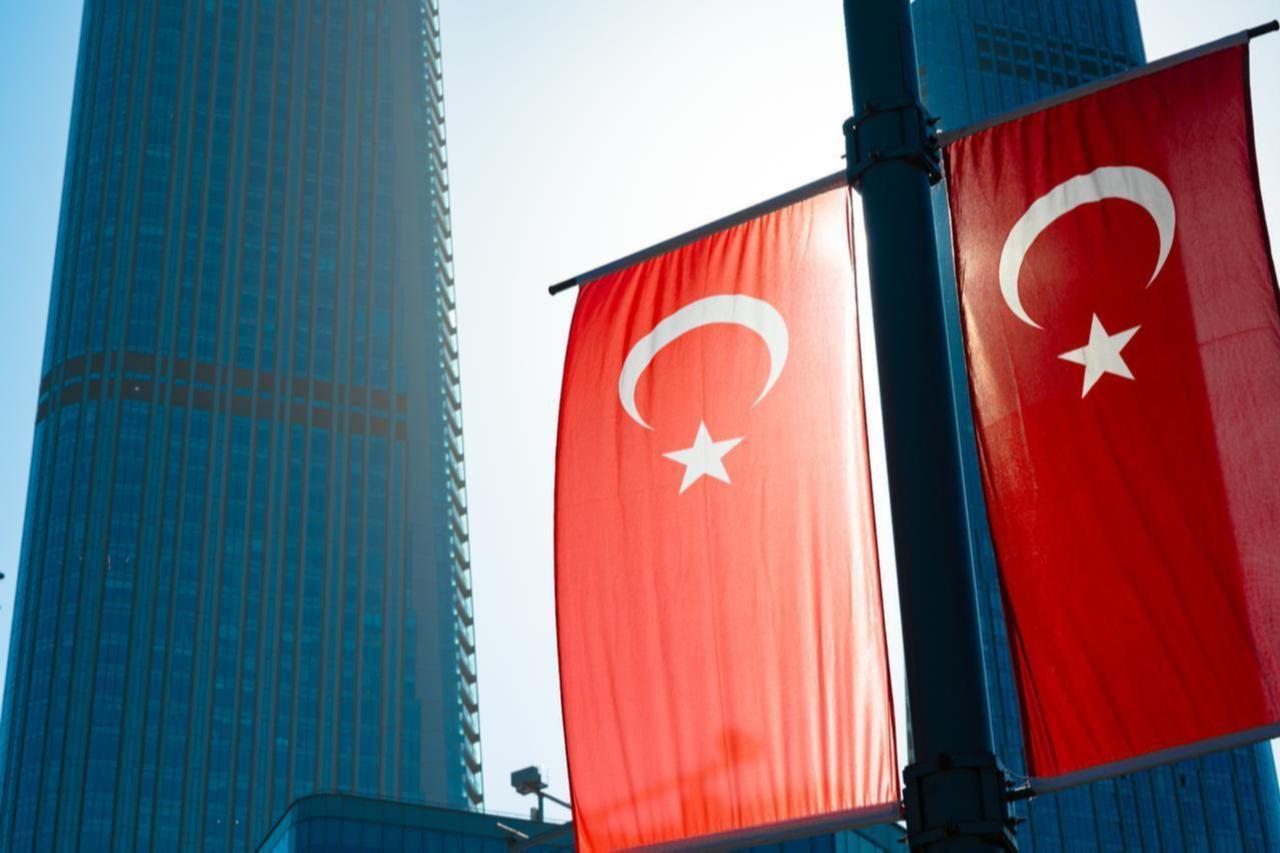


For nearly three decades, Türkiye’s industrial strategy rested on one assumption: Turkish manufacturers were part of Europe’s industrial system.
That assumption shaped investment dynamics in Türkiye. Initially, it helped the automotive supplier ecosystem thrive around Gebze in the early 2000s, and then the wind turbine supplier ecosystem emerged around Izmir in the 2010s.
In parallel, machinery, white goods, textiles and other industrial sectors grew. These clusters exist because they were built as part of a shared European supply chain.
“Made in Europe” now puts that assumption under pressure. The Customs Union has allowed industrial goods to circulate between Türkiye and the EU without customs duties, under a common external tariff, for decades.
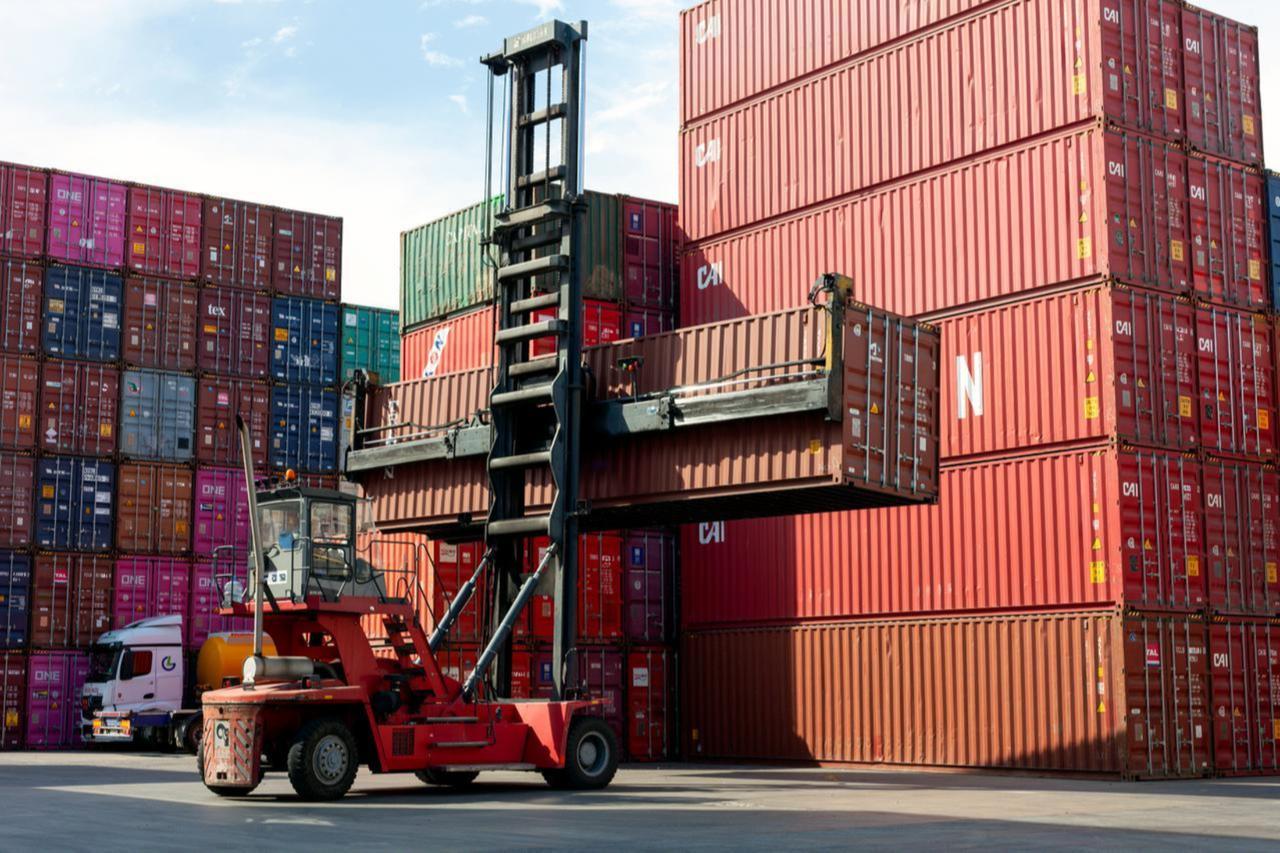
But this does not necessarily make a Turkish-made component an EU-origin product. A spare part produced in Bursa may move freely inside the EU customs territory. Its origin is still Türkiye, not the Union.
For 30 years, this distinction mattered less because the main issue was market access. Now, industrial policy is back. Public support and procurement are becoming central drivers of demand, especially in Europe.
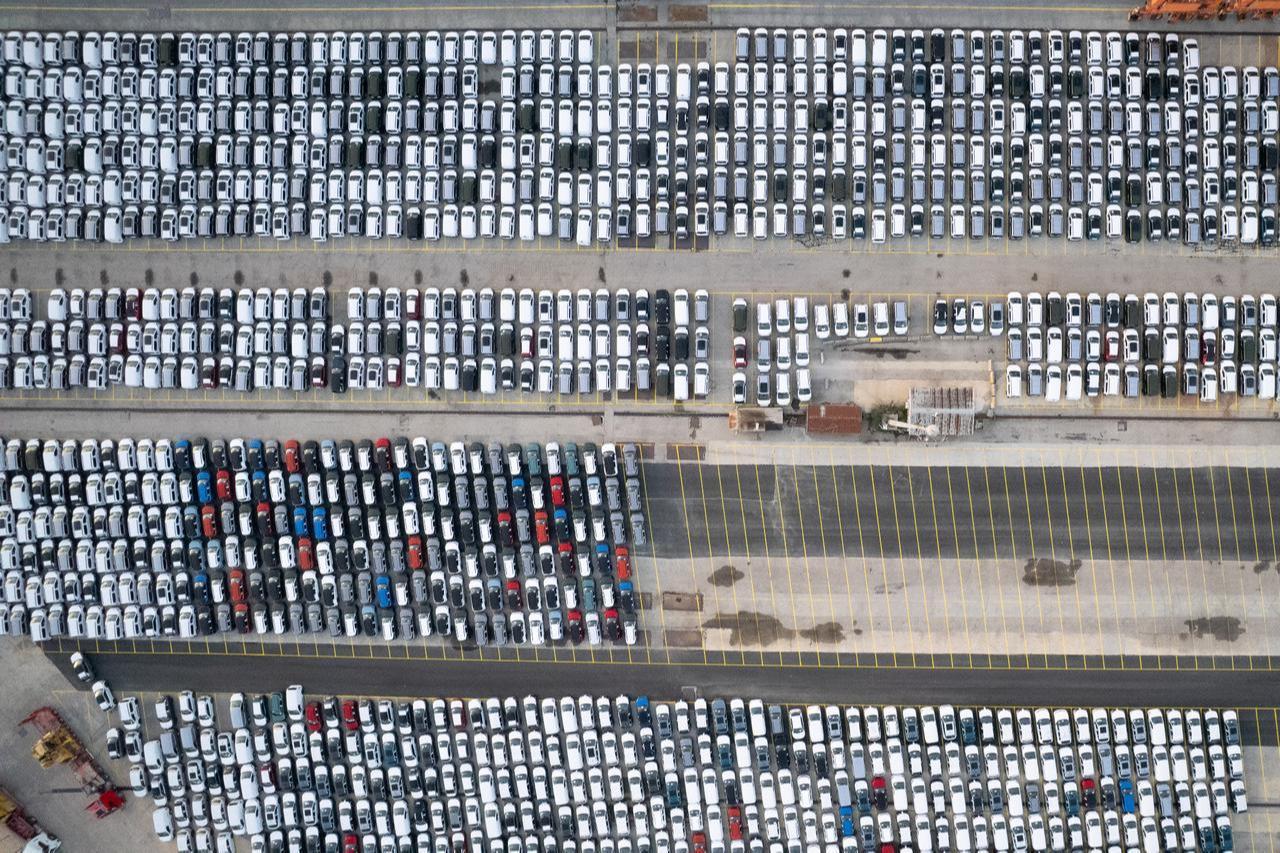

EVs, batteries, wind energy, hydrogen, steel, and clean manufacturing are increasingly shaped by public procurement, renewable energy auctions, subsidy programs, fleet rules, and state-backed investment incentives.
When the draft Industrial Accelerator Act (IAA) was published, many in Türkiye’s business and policy circles were cheerful. Türkiye was not explicitly excluded.
In the draft, members of the Customs Union or countries with free trade agreements (FTAs) with the EU are treated equally with respect to product origin. That sounds reassuring, yet not exactly.
The draft distinguishes between strict “EU origin” and “third-country equivalence." Strict EU origin means the EU-27. It does not automatically include countries that are part of the EU customs union. Türkiye’s status as a member of the Customs Union is economically significant but legally sui generis (The other countries that have a Customs Union with the EU are Andorra and San Marino).
For instance, in the case of public support schemes, the draft appears to include both members of the Customs Union and countries that have FTAs with the EU. Türkiye is therefore included—but so is India!
On the other hand, there is a narrower definition of public procurement. Here, the equivalence depends on whether the relevant agreement contains procurement-related obligations for the Union. Türkiye’s Customs Union does not yet cover procurement in the same way.
This is why the initial relief about the IAA is premature. The draft is broad because the politics are not settled. A broad initial perimeter sets the stage for the next fight: which countries, sectors, or components will be narrowed later by technical criteria or security-of-supply arguments?
In Brussels, industrial politics often takes shape through a technical language. This means that Türkiye may not be excluded under the main law, but it can be excluded later by a comma, an annex, or an implementing decision.
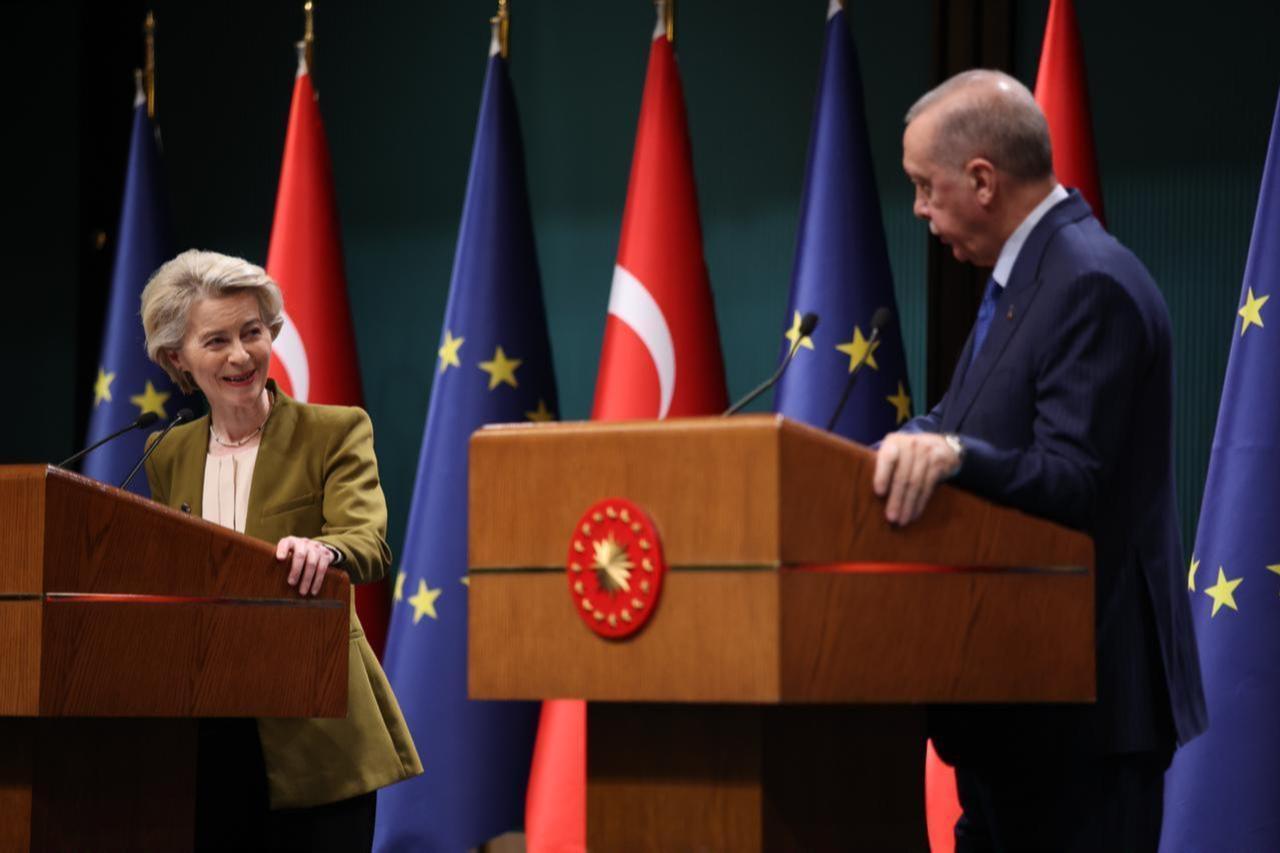
The automotive industry is one of the main cases to follow. The industry’s future is electric, and EV demand in Europe is increasingly shaped by public support schemes. This is important because Turkish manufacturers are not just involved in assembly; they serve as the supplier base supporting European production.
If the framework of “Made in Europe” regulations stipulates that final assembly must be in the Union or establishes stringent thresholds for the proportion of Union-origin components in the final product, Turkish suppliers may remain valuable but become less eligible.
In this sense, the fight will be about calculation formulas: whether batteries are included, how component value is measured, which partners count, and whether final assembly becomes a hard gate. This is already visible inside Europe.
Some industrial actors want “Made in Europe” to refer only to the 27 EU member states. Others know that such a narrow definition would raise costs and weaken competitiveness. Thus, the debate is not Europe versus Türkiye. It is also Europe versus Europe.
Similarly, the wind energy industry is the strategic version of the above debate. Türkiye is already a production base for wind towers, blades, generators, and other components used in Europe’s energy transition.
If Turkish components remain third-country equivalent, Türkiye helps Europe build renewable capacity faster and cheaper. If Turkish capacity is crowded out, Europe does not become more resilient. It makes its own energy transition more expensive and fragile.
The World Bank has identified Türkiye as one of the most capable emerging markets, after China, to meet future demand for climate-technology products. That is not because Türkiye has fashionable climate startups. It is because Türkiye already has manufacturing capabilities close to the products the world will need more of.
Türkiye is not asking to be treated as another third party with a free trade agreement with the EU. Its claim has been different for thirty years: the European rules helped Turkish industrial capacity to grow immensely, and now this capacity serves Europe itself.
Europe wants to reduce excessive dependence on China. It wants clean-tech manufacturing, resilient supply chains, and nearby production without sacrificing competitiveness.
Türkiye already provides part of that answer: proximity, industrial depth, integration into the Customs Union, supplier networks, and logistics access to Europe’s wider neighborhood. But Brussels does not always convert industrial reality into political recognition.
For some EU actors, widening Made in Europe beyond the Union dilutes the political message. For others, excluding integrated partners like Türkiye weakens competitiveness.
This is why the debate will not be settled by legal logic alone. It will be political, sectoral, and interest-driven.
Türkiye’s lobbying strategy cannot be built on asking Brussels to be fair. For Europe, this is a question of strategic autonomy. But it is Türkiye’s job to make Europeans understand that.
Fairness is not the operating logic of industrial policy. Interest is.


 Set as preferred source
 Set as preferred source


 1 min read
 1 min read