Newsletters


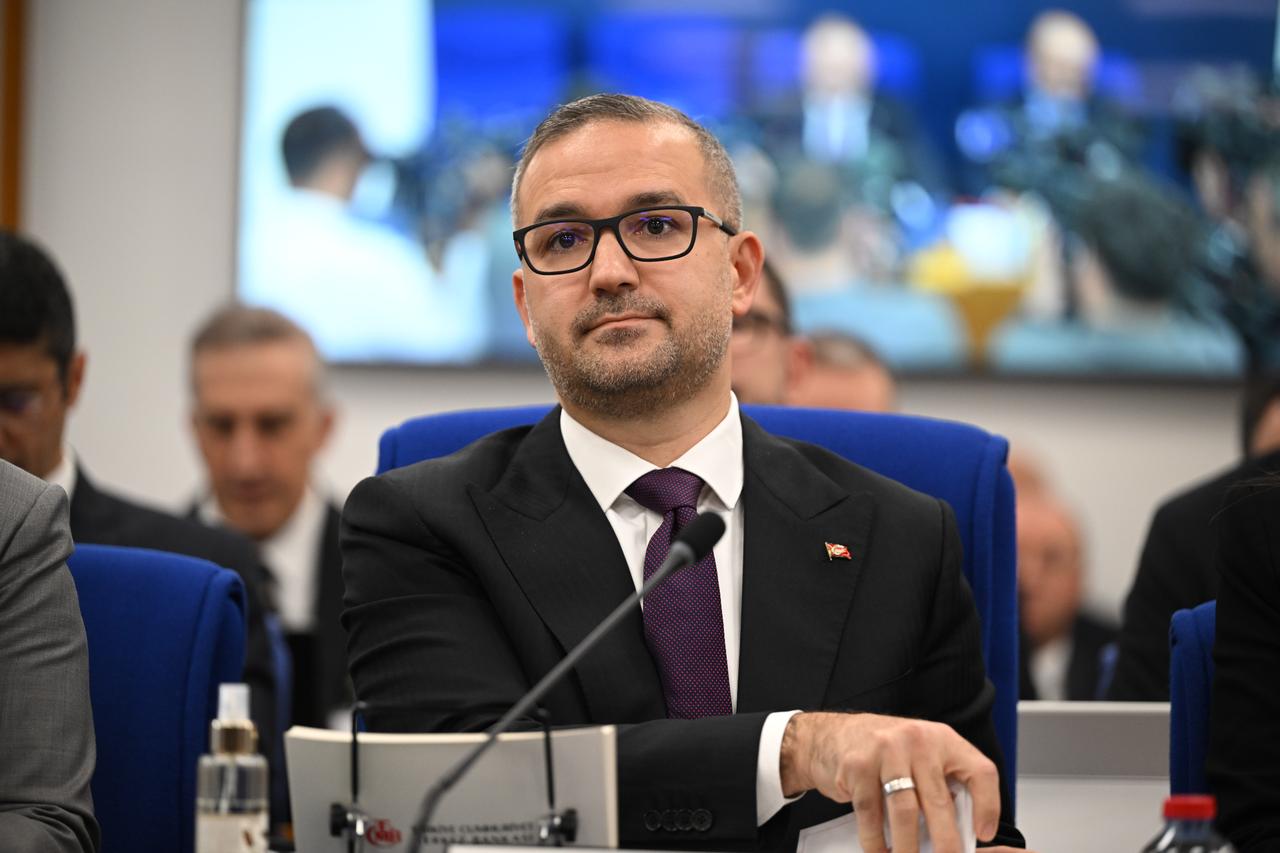


Central Bank of the Republic of Türkiye (CBRT) Governor Fatih Karahan said Tuesday that the fallout from September’s market turmoil, triggered by defaults by some investment funds, is expected to stay limited for the real economy and has not affected the broader financial system.
Karahan made the remarks while answering lawmakers’ questions at the Turkish Parliament’s Planning and Budget Commission, as hundreds of investment funds remain in a liquidation process. The central bank chief said the immediate impact of the liquidation process was concentrated mainly among the affected portfolio companies and their investors.
Initial central bank analysis showed that companies in the real sector held only a limited share of the funds being liquidated. Most of those companies were large and had strong liquidity positions, Karahan noted.
"Therefore, even if there is an impact on those balance sheets, we expect its effect on the real economy to be somewhat more limited," he said, adding that the bank would follow the process in the coming period.
Karahan identified three potential channels through which the fund distress could affect the broader economy: wealth, foreign-exchange reserves and the real sector.
A partial decline in financial wealth could occur, while the effect on reserves would depend on how investors exiting the funds choose to redeploy their money. The third potential channel involves indirect effects on the financial system through household and corporate balance sheets.
The CBRT has taken a series of measures to ease banks’ access to liquidity as the fund investigation has unfolded, most notably hiking weekly repo auctions to ₺300 billion ($6.1 billion).
The central bank also raised banks’ borrowing limits tenfold and reduced the discount rates on inflation-indexed securities and foreign-currency-denominated collateral used by banks to 10%.
It also lowered the share of Turkish lira required reserves that banks must keep blocked, a move Karahan described as providing greater flexibility to financial markets in liquidity management.
The central bank also identified a risk that the problems could spread to money market funds outside the liquidation process, potentially putting pressure on short-term lira funding markets and TLREF, Türkiye’s benchmark overnight lira interest rate. To contain that risk, it accelerated bond purchases.
"Our priority in terms of financial stability in the coming period will be to prevent the problem seen in the past from spreading to the broader market. We will continue to take the necessary steps according to market conditions," Karahan said.
He added that the overall fund market continued to operate in a healthy manner and that the central bank did not see a problem affecting the financial system as a whole.
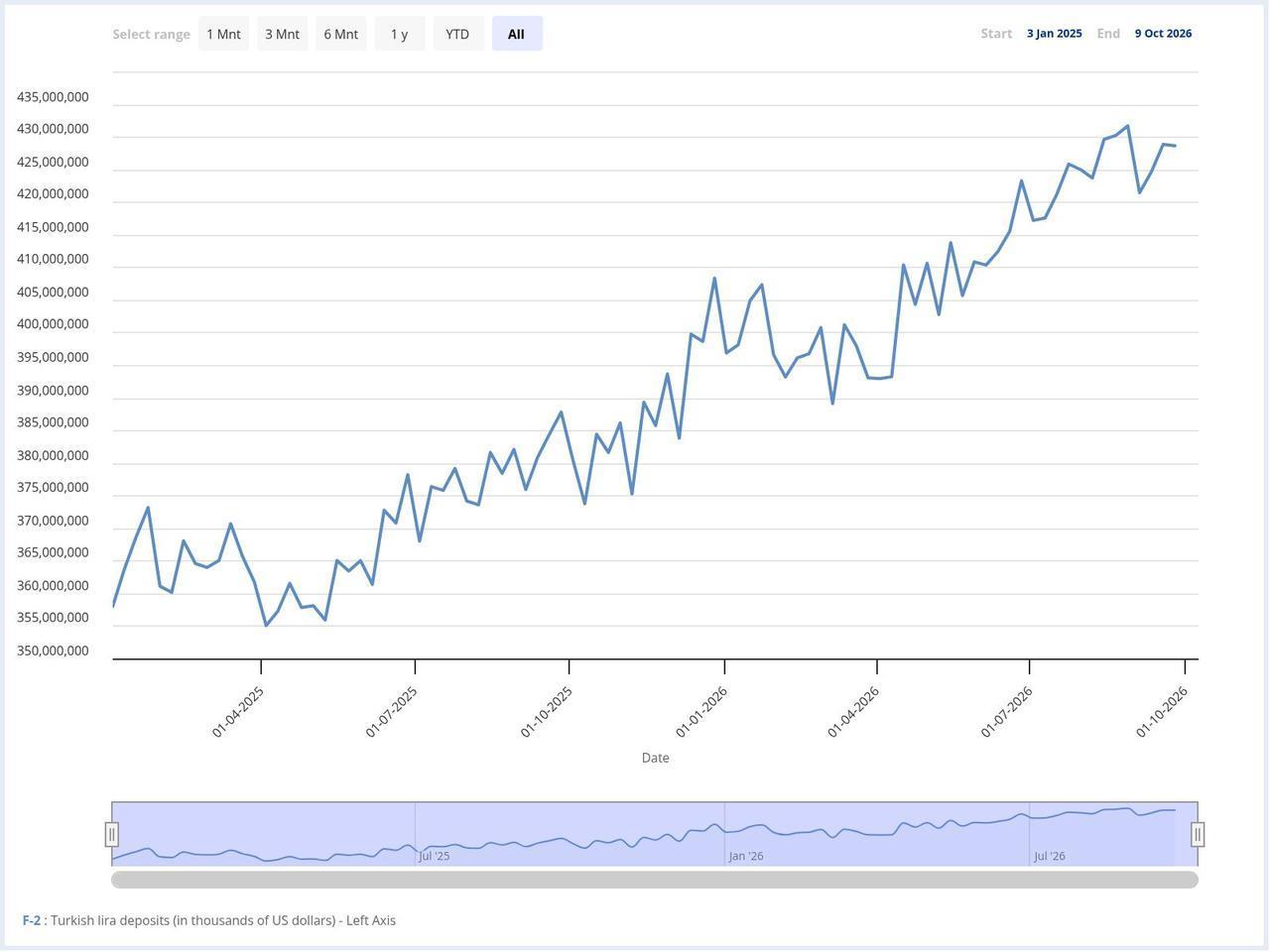

Karahan said money market and similar funds experienced significant outflows after Aug. 28, with some of the withdrawals coming from nonresident investors.
A substantial portion of the funds held by domestic residents moved into bank deposits. Total commercial and savings deposits increased by more than ₺800 billion during the same period.
Some investors also exited foreign-currency-denominated funds, meaning part of those funds could have moved into foreign-currency deposit accounts. Despite that shift, Karahan said the overall share of Turkish lira assets remained consistent with existing preferences.
Including investment funds, the Turkish lira share stood at around 61%-61.4% and remained broadly flat. Outflows from funds had also slowed in recent days.
Karahan pointed to the links between the funds undergoing liquidation and the rest of the financial system as the key factor determining the risk of contagion. Those links appeared weak, he said, limiting the potential for the shock to spread.
He also maintained that confidence in the financial system and the Turkish lira remained strong based on the available data.
The market turbulence emerged after several investment funds failed to meet investor redemption requests amid heavy selling pressure in mid-September.
The CMB then ordered the liquidation of 131 funds managed by seven portfolio companies, affecting 455,758 individual investors and more than $19 billion in assets at the time.
Authorities have arrested 85 of 217 suspects in a probe into suspected market manipulation involving 26 Borsa Istanbul-listed stocks, money transfers, and accounts linked to unusually large gains.


 Set as preferred source
 Set as preferred source


 2 min read

 1 min read