Newsletters


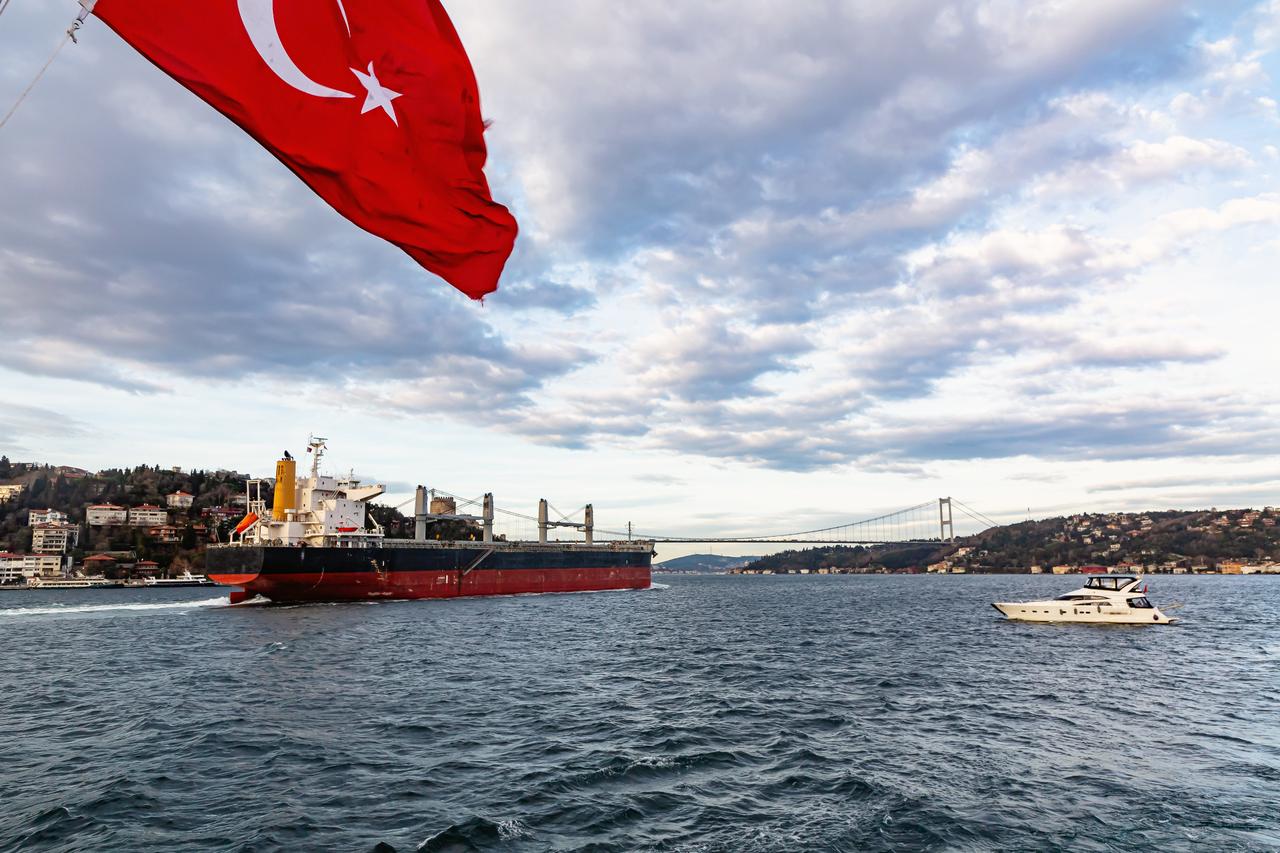


Turkish ports recorded 34,783 vessel calls in the first seven months of 2026, a 2.9% decline from the 35,808 recorded in the same period of 2025, as shipping activity faced disruptions across key regional routes.
Foreign-flagged vessels accounted for 22,071 of the total, down 6% from 23,482 a year earlier, while 12,712 were Turkish-flagged, up 3.1% from 12,326, according to data compiled from the General Directorate of Maritime Affairs.
In July alone, Turkish ports recorded 6,173 vessel calls, down 2.9% from 6,357 in July 2025. Foreign-flagged vessels accounted for 3,525, down 9.8% from 3,907, while Turkish-flagged vessels reached 2,648, up 8.1% from 2,450.
Kocaeli, which is one of Türkiye's leading export gateways on the Marmara Sea, recorded the highest number of vessel calls among Turkish port authorities, with 4,963 ships visiting during the January-July period. The total included 1,530 Turkish-flagged and 3,433 foreign-flagged vessels.
Kocaeli also posted the largest absolute decline among port authorities, with vessel calls falling 8.1% from 5,399 a year earlier, a decrease of 436 vessels.
Aliaga in Izmir province, on the Aegean coast, ranked second with 3,479 calls, down 4.3% from 3,636. Iskenderun in Hatay province, on the Eastern Mediterranean coast, followed with 2,335, down 5.9% from 2,481, while Mersin on the Mediterranean coast recorded 2,138, down 5.5% from 2,263.
Ambarli in Istanbul, on the Marmara Sea, handled 2,333 vessel calls, compared with 2,386 a year earlier, while Gemlik in Bursa province, also on the Marmara Sea, recorded 1,966, down from 2,027.
Some ports bucked the broader decline. Cesme recorded 1,498 vessel calls, up 12.8% from 1,328 a year earlier, while Kusadasi rose 6.4% to 926 from 870. Marmara Adasi increased 6% to 996 from 940, and Canakkale posted an 18% increase to 348 from 295.
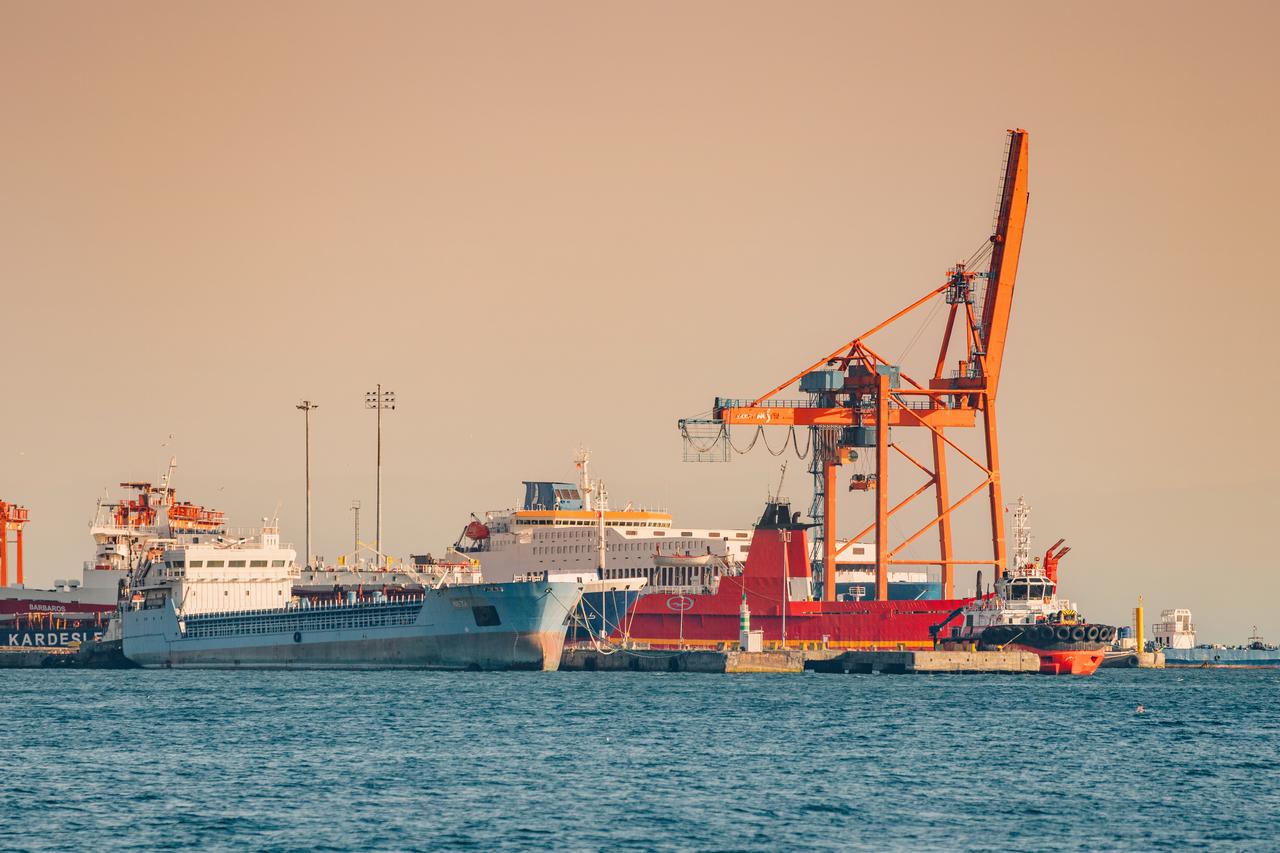

Total vessel gross tonnage fell 1.6% year on year to 545.76 million gross tons in the first seven months, as foreign-flagged tonnage declined 2.6%, while Turkish-flagged tonnage increased 4.8%.
In July alone, the gross tonnage of vessels calling at Turkish ports fell 6.3% year on year to 85.2 million gross tons, as foreign-flagged vessel tonnage dropped 8.3% to 72.6 million, while Turkish-flagged vessel tonnage rose 6.6% to 12.7 million.
The decline in vessel calls comes as shipping activity faces growing disruption across two key maritime corridors. In the Strait of Hormuz, traffic remains far below normal levels amid the U.S.-Iran conflict, with attacks on tankers, security concerns and competing restrictions discouraging some operators from using the waterway.
The Black Sea is also facing heightened risks as Russia and Ukraine continue to target maritime and port infrastructure. Russia carried out 67 attacks on Ukrainian port infrastructure in July, along with 35 attacks on civilian vessels in ports and 22 attacks on vessels using Ukraine's maritime corridor, according to Ukraine's infrastructure ministry.
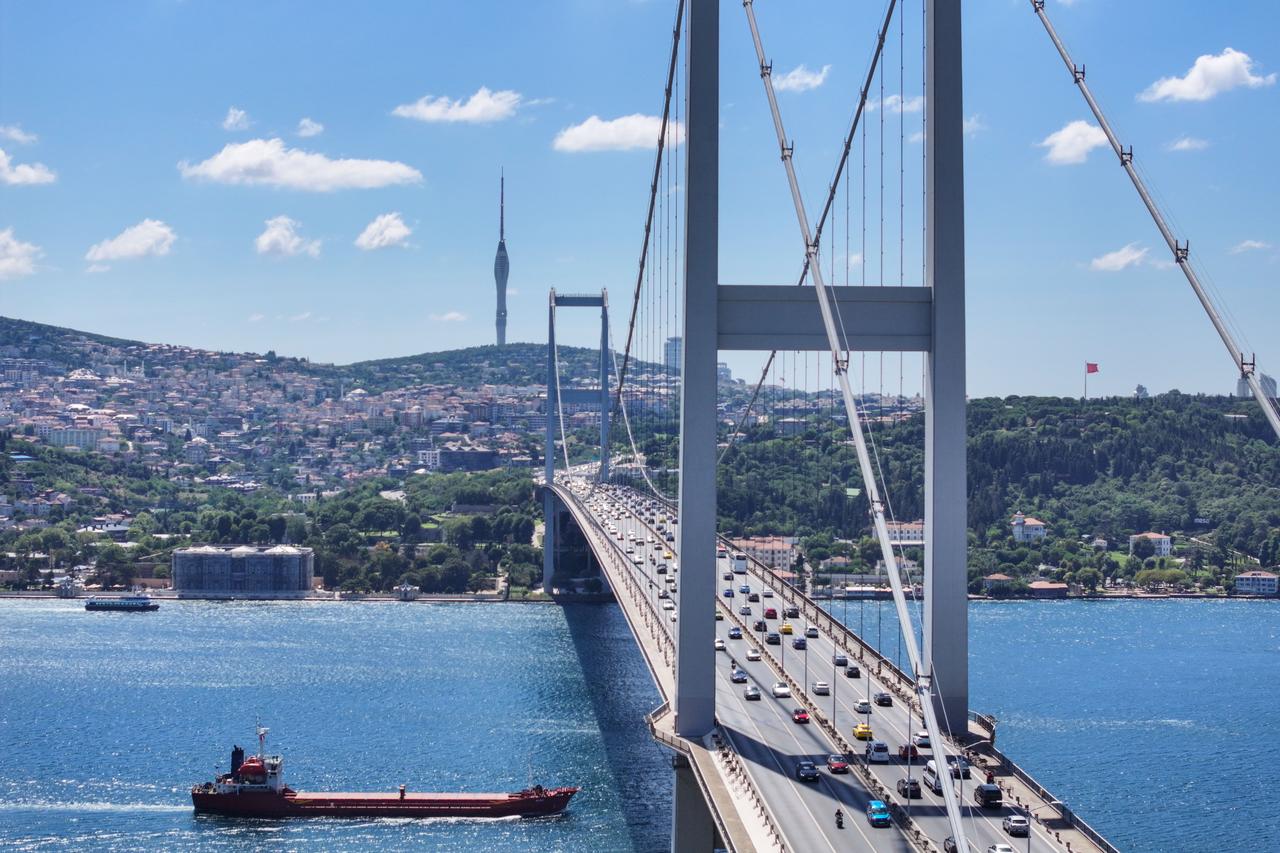
In the first half of 2026, 40,218 vessels transited the Istanbul and Canakkale straits, down from 40,988 in the same period of 2025, a decline of about 1.9%.
The Istanbul Strait handled 19,277 vessels, compared with 19,381 a year earlier, while the Dardanelles Strait handled 20,941, down from 21,607.


 Set as preferred source
 Set as preferred source


 1 min read
 1 min read