Newsletters


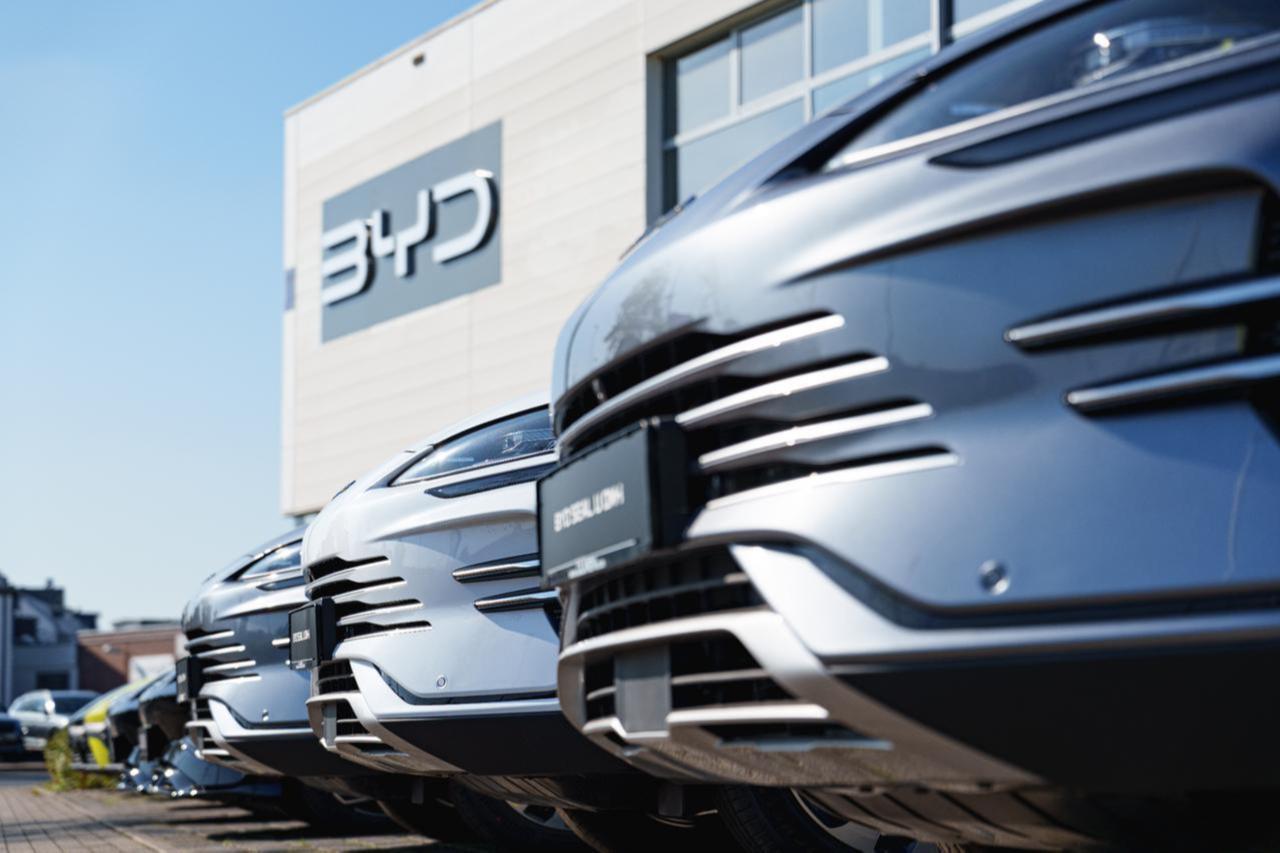


Türkiye and China are expected to settle their automotive trade dispute within 1-1.5 months, a Turkish automotive executive said, as the two sides continued negotiations over tariffs and import requirements affecting Chinese vehicles.
"I absolutely believe these problems between Türkiye and China will also be resolved," Haydar Yenigun, president of Koc Holding’s Automotive Group, which includes major automakers such as Ford Otosan, Tofas, Otokar and TurkTraktor, said during a live interview on Monday.
He anticipated an accord with Chinese counterparts to be reached within that timeframe and linked a potential settlement to a broader shift in the outlook for Chinese automakers in Türkiye.
The comments come as the dispute is already before the World Trade Organization (WTO), where China filed a case in 2024 arguing that Türkiye's extra duties and import requirements for Chinese vehicles were discriminatory and inconsistent with its WTO commitments.
The case covers additional charges on Chinese electric vehicles, an import permit certificate system and levies on other vehicles, including an exemption tied to Türkiye's investment incentive program.
The WTO panel later found that the EV charges were inconsistent with Türkiye's tariff commitments and that the permit scheme for Chinese electric and plug-in hybrid vehicles also breached WTO rules.
The report has not yet been adopted by the WTO's Dispute Settlement Body. China and Türkiye have since sought more time to work toward a resolution, prompting the WTO to postpone consideration of the report until Oct. 27, 2026.
A settlement could change the conditions for Chinese EV and plug-in hybrid imports, although Türkiye no longer applies the China-specific 40% surcharge at the heart of the original dispute.
China also challenged exemptions allowing some competing vehicles to avoid the extra charges, including those covered by Türkiye's investment incentive program and imports from the country's regional trade agreement partners.
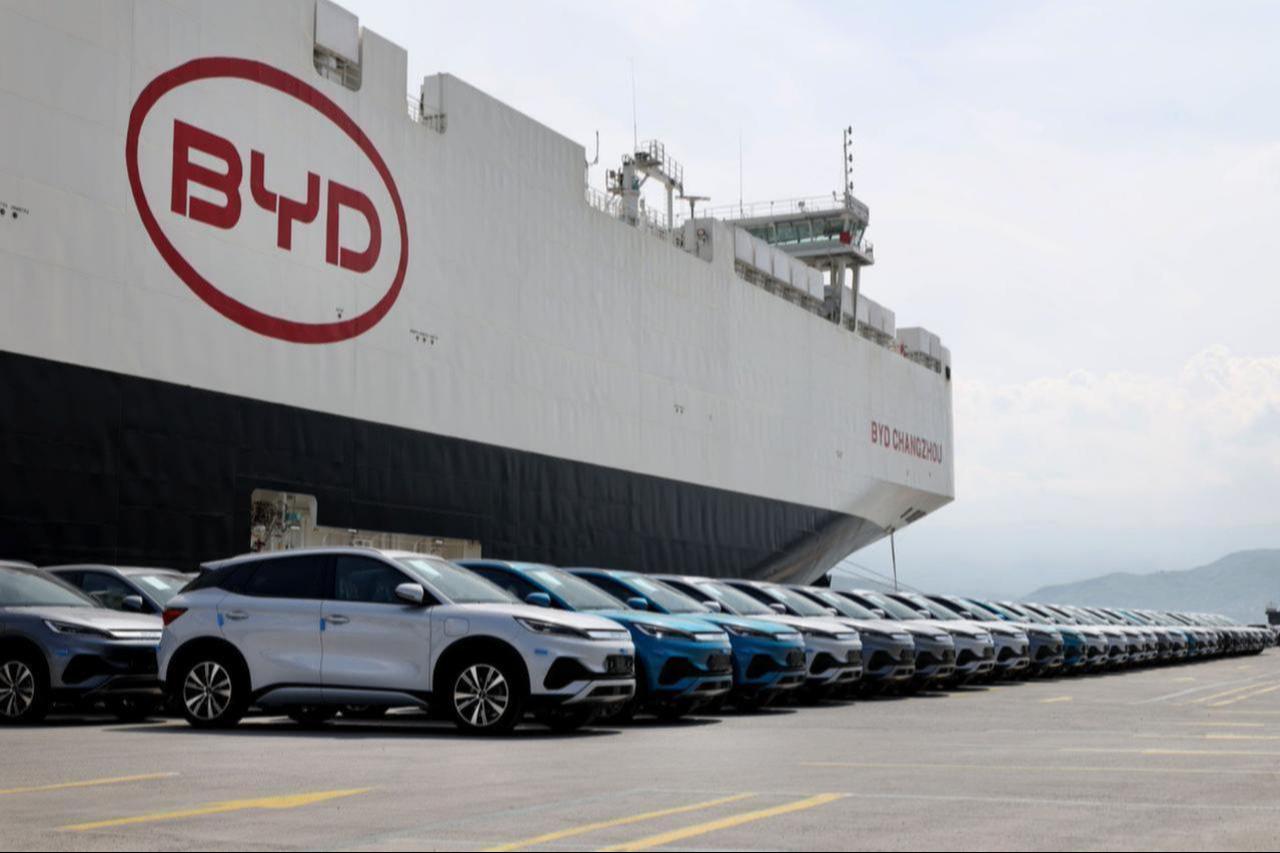

Yenigun said Chinese companies would remain part of Türkiye's automotive plans regardless of whether the country is included in the EU's emerging "Made in Europe" framework, with potential cooperation covering batteries and vehicle technology.
"We will redraw our own path very nimbly, and the Chinese will definitely be part of this. Both in batteries and vehicle technology," he said.
The EU's proposed Industrial Accelerator Act would give preference to European-made products in public procurement and public support programs, with discussions still underway over whether closely integrated partners such as Türkiye would qualify.
Yenigun pointed out that uncertainty over the rules had already pushed some Chinese manufacturers toward Europe, citing Hungary and Spain. BYD, which agreed in 2024 to invest $1 billion in a Manisa plant with planned annual capacity of 150,000 vehicles, put the project on hold while prioritizing Hungary and considering another European production site.
Still, he maintained that Chinese automakers would continue to see Türkiye as a potential production base, highlighting the country's automotive infrastructure, skilled workforce, management quality, foreign-language skills, and ability to make quick decisions.
The sector was prepared for either outcome, with plans worked out down to production volumes. "If we enter Made in Europe, and hopefully we do, but also if we do not, our plans are ready," he said.


 Set as preferred source
 Set as preferred source


 2 min read
 1 min read