Newsletters


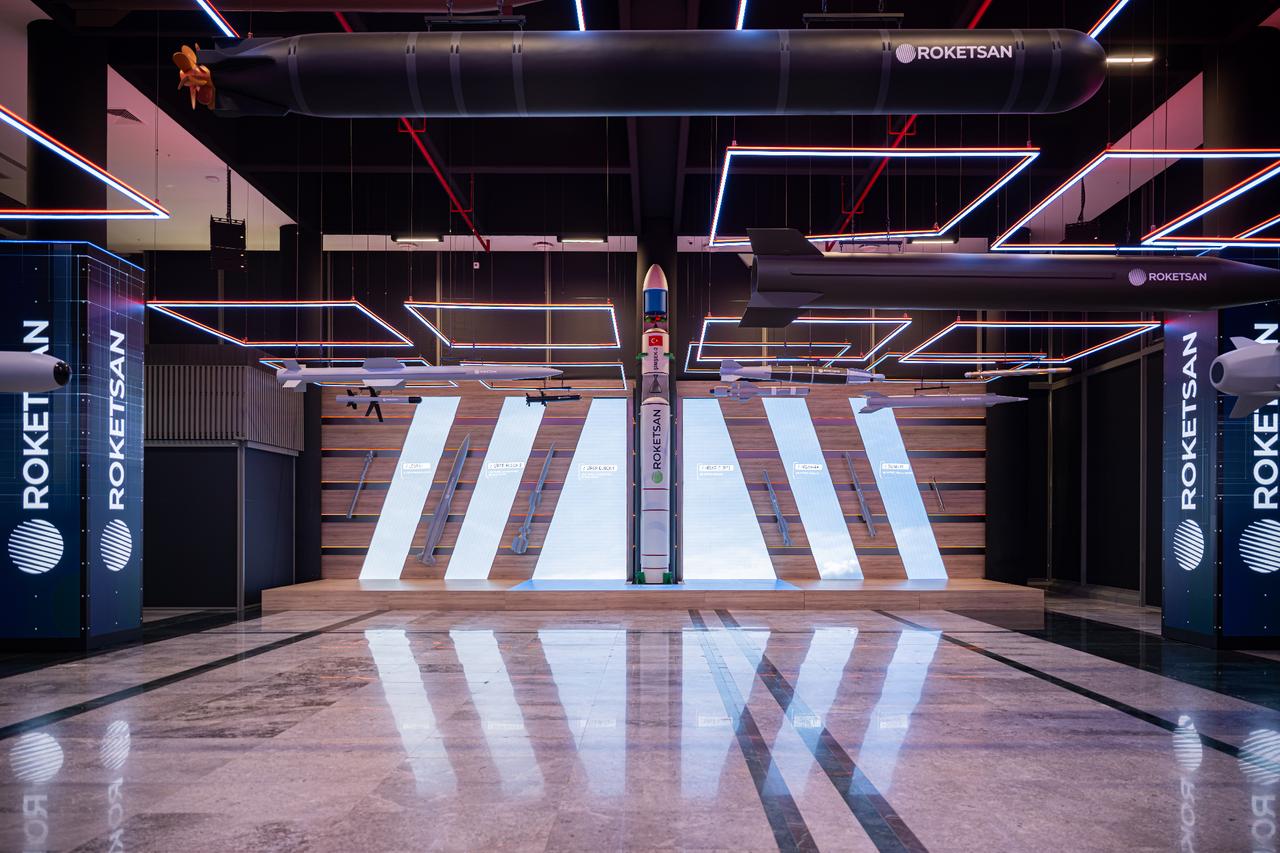


Turkish defense firm Roketsan is developing reusable rocket stages to lower the per-kilogram cost of reaching space and compete internationally, CEO Murat Ikinci told Türkiye's state-run Anadolu Agency (AA).
The first-phase Simsek 1 and Simsek 2 satellite launch systems will not include reusable stages, but subassemblies qualified on them will feed into reusable designs later, Ikinci said, adding that both programs remain on schedule.
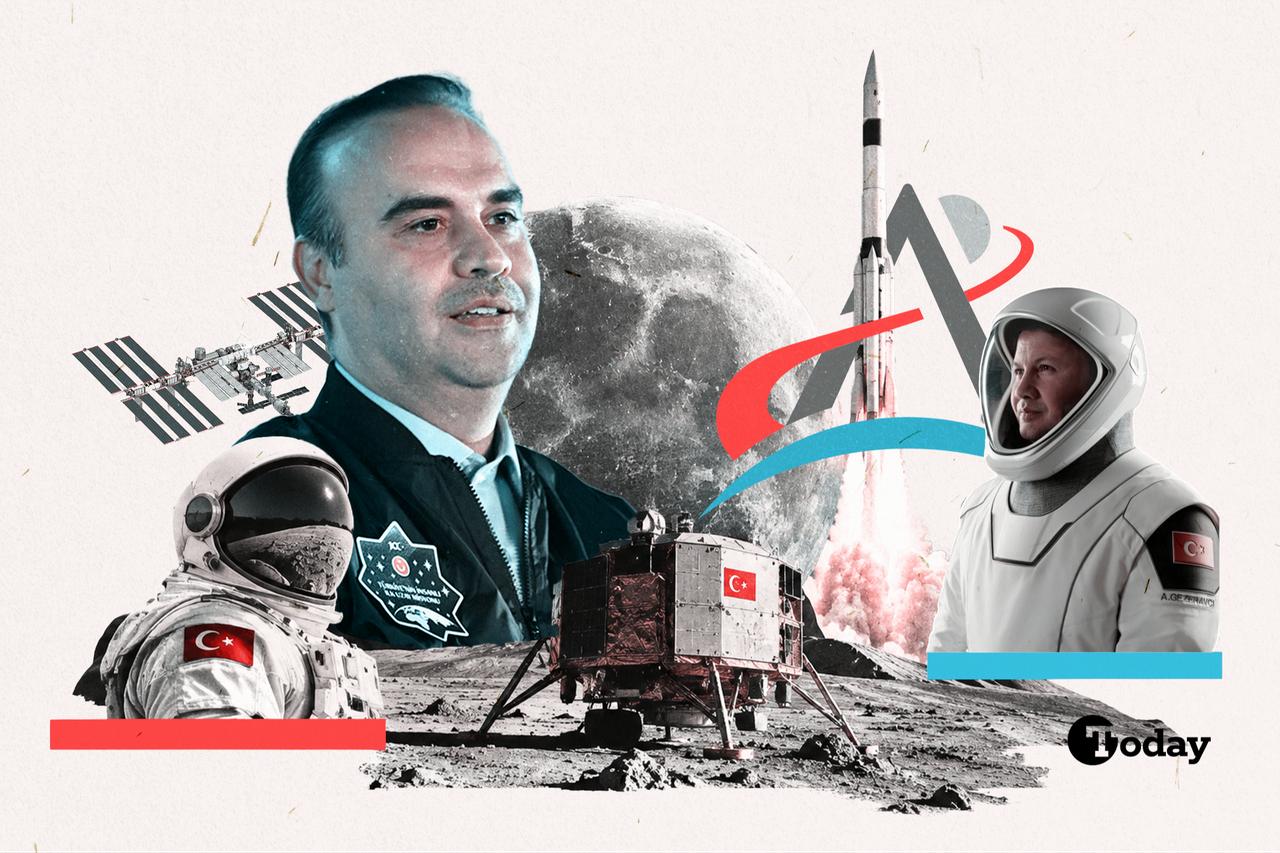
Roketsan is tasked with building the launch platforms for Türkiye's National Space Program, including its lunar goals, as Ankara seeks independent access to space and a larger share of the global space economy.
"Work on this continues, but there will be no reusable stages on Simsek 1 and Simsek 2, the platforms we will launch in the first stage," Ikinci said.
"With the subassemblies we qualified on Simsek 1 and Simsek 2, we want to bring the cost per kilogram of access to space to a very good point in international competition with reusable stages in the next phases. Our space center of excellence here has already started its work on this," he said.
SpaceX remains the industry leader in reusable orbital launch, having routinely landed and reflown Falcon 9 first stages since its first booster reflight in 2017. Blue Origin joined the field with New Glenn, successfully landing its reusable first stage after an orbital mission in November 2025.
China's LandSpace followed in August 2026, landing the first stage of its Zhuque-3 orbital rocket, although it has yet to demonstrate a reflight.
Other companies are developing similar systems. Rocket Lab's Neutron is designed with a fully reusable first stage, while Stoke Space is developing Nova, intended eventually to reuse both stages, with its first orbital Pathfinder flight targeted for the first part of 2027.
Türkiye is at an earlier stage: Roketsan says Simsek 1 and Simsek 2 themselves will not use reusable stages, but technologies qualified through the two programs are expected to support reusable stages in subsequent launch vehicles.
Simsek 1 aims to place a 400-kilogram payload into an orbit of about 500 kilometers.
A contract signed last year for Simsek 2 targets a 1.5-ton payload into orbit of up to 700 kilometers.
"The goal is to bring to life a platform that can reach space from Turkish soil, from Türkiye," Ikinci said of Simsek 1, developed with the Defense Industries Agency (SSB).
"Simsek 1 and Simsek 2 are currently proceeding in line with their schedule. We have no problem there. Allah willing, we will complete this work in a short time and ensure their launch into space," he said.
"Since 2016, we have largely completed testing the solutions we developed in space with sounding rockets and various platforms," he said, noting, "Allah willing, with the successful launches of Simsek 1 first and then Simsek 2, we at Roketsan will provide Türkiye's independent access to space."

"Simsek 2 is one of our platforms that we especially want to commercialize and will commercialize through international collaborations. This will place us in the status of a country that can carry satellites into space and support other countries in this regard," Ikinci said.
He said countries that master space technologies do not share them.
"Countries that dominate the space field, especially those that have these technologies of their own, do not share any of the underlying technologies like navigation, propulsion, thermal, or materials with other countries," he said.
"Roketsan's entire strategy is not to do everything itself but to create an ecosystem related to this work, to create the supply chain here. Otherwise, there may be a period in which we have considerable difficulty competing," Ikinci said.
Roketsan works with nearly 2,500 business partners, most of them supporting missile production, and is working to upgrade their capabilities for space projects, he said. It also has Türkiye's largest space engineering team, according to Ikinci.
On the lunar program, Ikinci said: "We have assumed the responsibility of developing the platforms that carry our own payloads into space, one of the most important parts of that program. We will quickly fulfill this responsibility."
Roketsan is a main sponsor of the 77th International Astronautical Congress, to be held in Antalya in early October, where it is set to pursue new partnerships, including on its reusable rocket work.


 Set as preferred source
 Set as preferred source


 1 min read
 1 min read