Newsletters


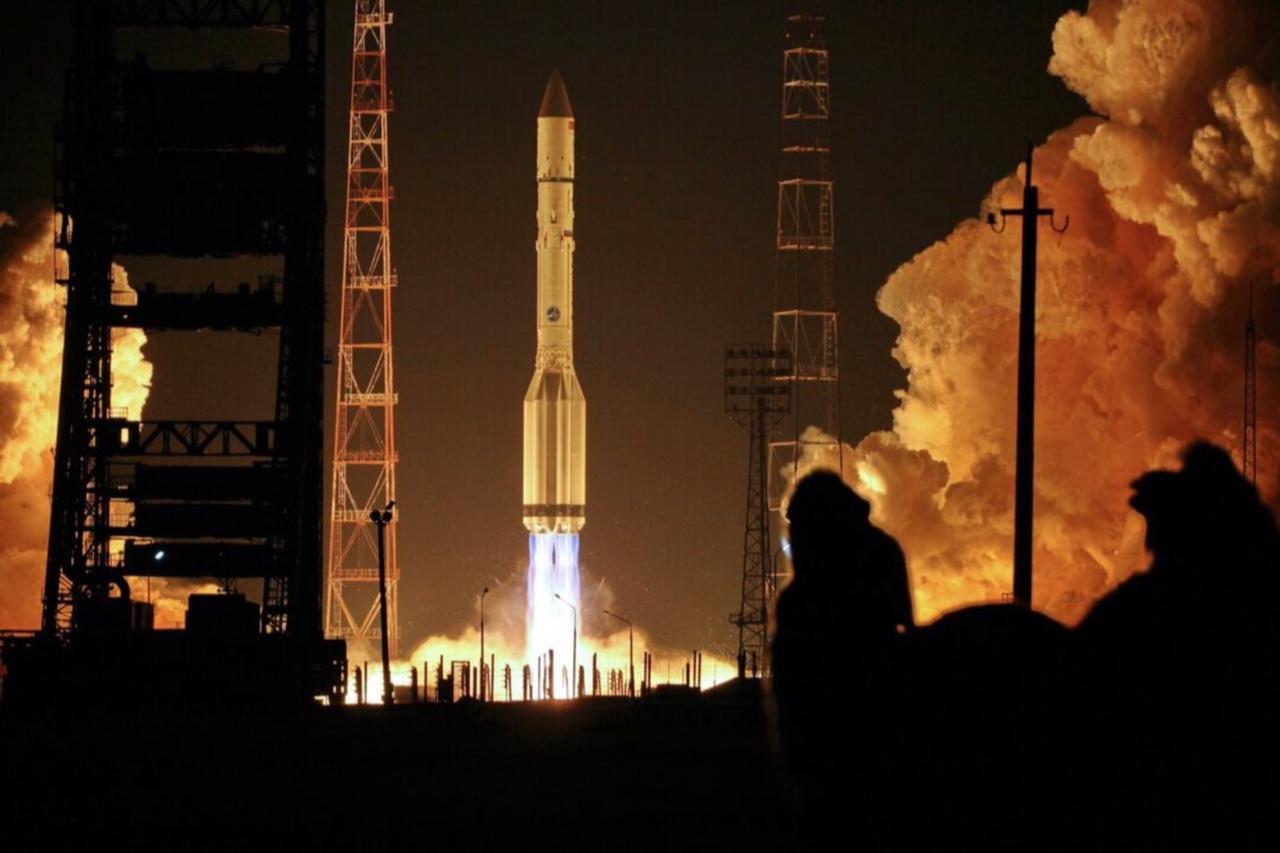


Türkiye plans to allocate more than ₺20 billion ($398.7 million) to the Turkish Space Agency over the next three years, aiming to accelerate its National Space Program, achieve a lunar landing by 2027 and establish independent satellite launch capabilities through a spaceport in Somalia.
The funding, covering 2027 through 2029, will support high-technology entrepreneurship, research and development, and the domestic production and testing of critical space systems and components.
Under the proposed financial plan, the agency's annual allocation is expected to rise from $117.2 million in 2027 to $134.5 million in 2028 and $147.4 million in 2029.
The investments are intended to reduce Türkiye's dependence on foreign aerospace technologies while advancing its ambitions in lunar exploration, satellite launches and next-generation space propulsion systems.
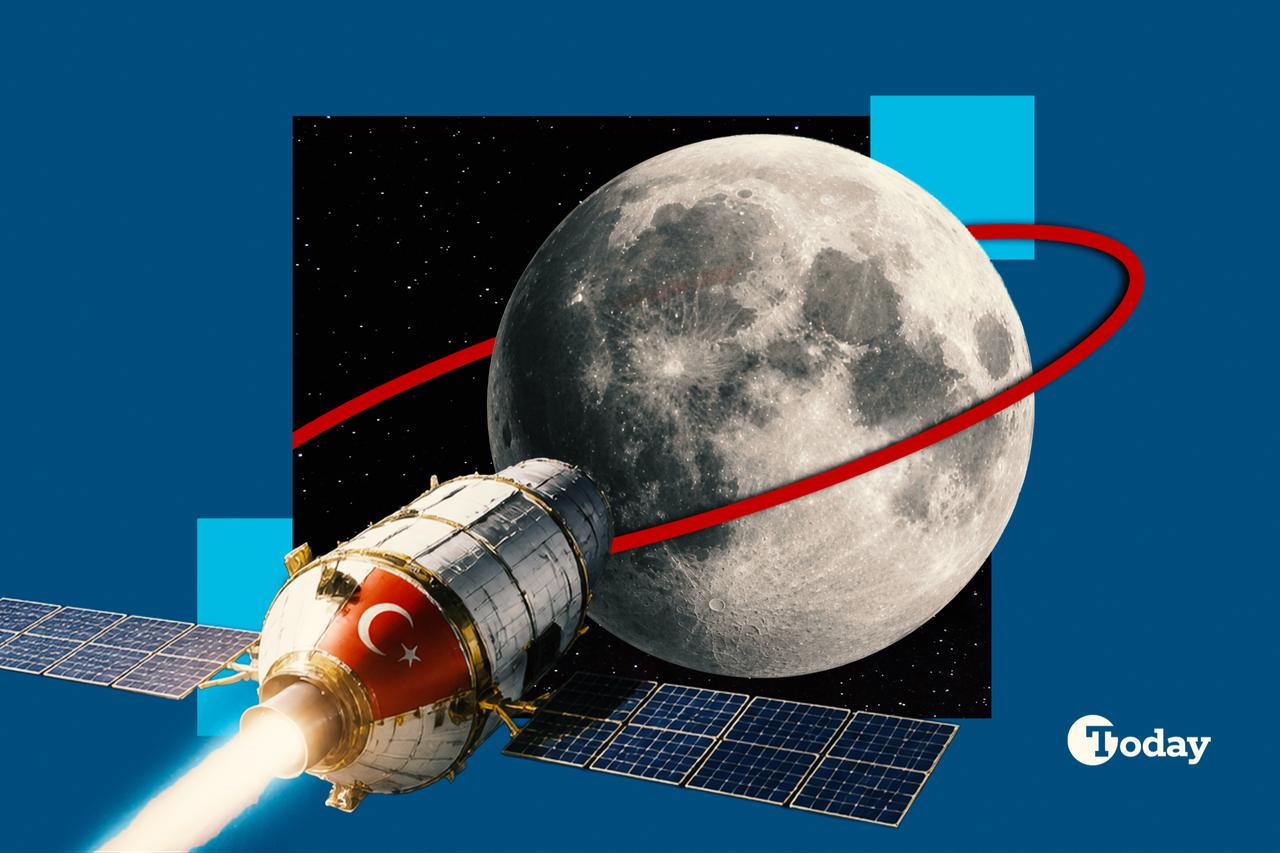
A major priority under the funding plan is Türkiye's lunar exploration program, which aims to achieve a hard landing on the moon by 2027.
The spacecraft, being developed under the leadership of the space division of the Scientific and Technological Research Council of Türkiye (TUBITAK), is designed to conduct research in lunar orbit before descending to the lunar surface.
The mission will use a domestically developed hybrid propulsion system, supporting Türkiye's efforts to expand its technological capabilities in space exploration.
The lunar project forms part of the broader National Space Program, which seeks to strengthen the country's scientific and technological independence.
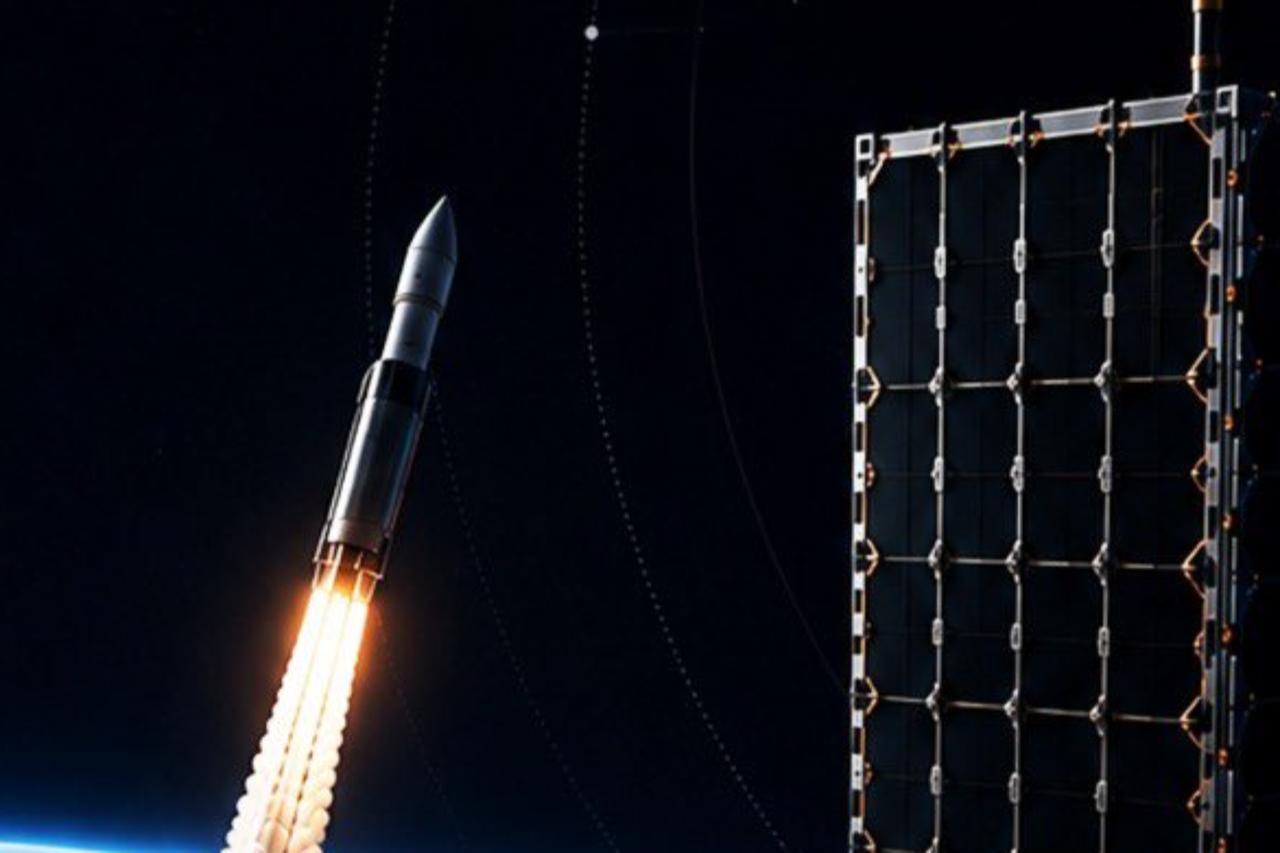

Another major objective is establishing independent access to orbit through the development of domestic rocket technologies and a spaceport in Somalia.
The Turkish Space Agency aims to use the facility to launch Türkiye's own satellites, reducing its reliance on foreign launch providers.
The planned spaceport is also intended to serve international customers seeking satellite launch services in the future.
The project is among the agency's efforts to establish domestic capabilities across the space industry, from the development of launch vehicles to orbital operations.
 1 min read
Beyond lunar exploration and satellite launches, Türkiye is planning an advanced research and development center focused on fusion technology for future space propulsion systems.
The facility is expected to reach 60% completion in 2027 and become fully operational by 2029.
The agency also plans to establish a space weather application center to monitor and model fluctuations in space weather.
The center is projected to reach up to 40% completion during the 2027-2029 funding period.
Of the overall budget, approximately $398.5 million is designated for the Space and Aviation Program, while another $533,400 is earmarked for management and support activities.
The planned investments reflect Türkiye's efforts to expand domestic space technologies and establish capabilities in lunar exploration, independent launch services and advanced aerospace research.


 Set as preferred source
 Set as preferred source


 1 min read