

 Newsletters


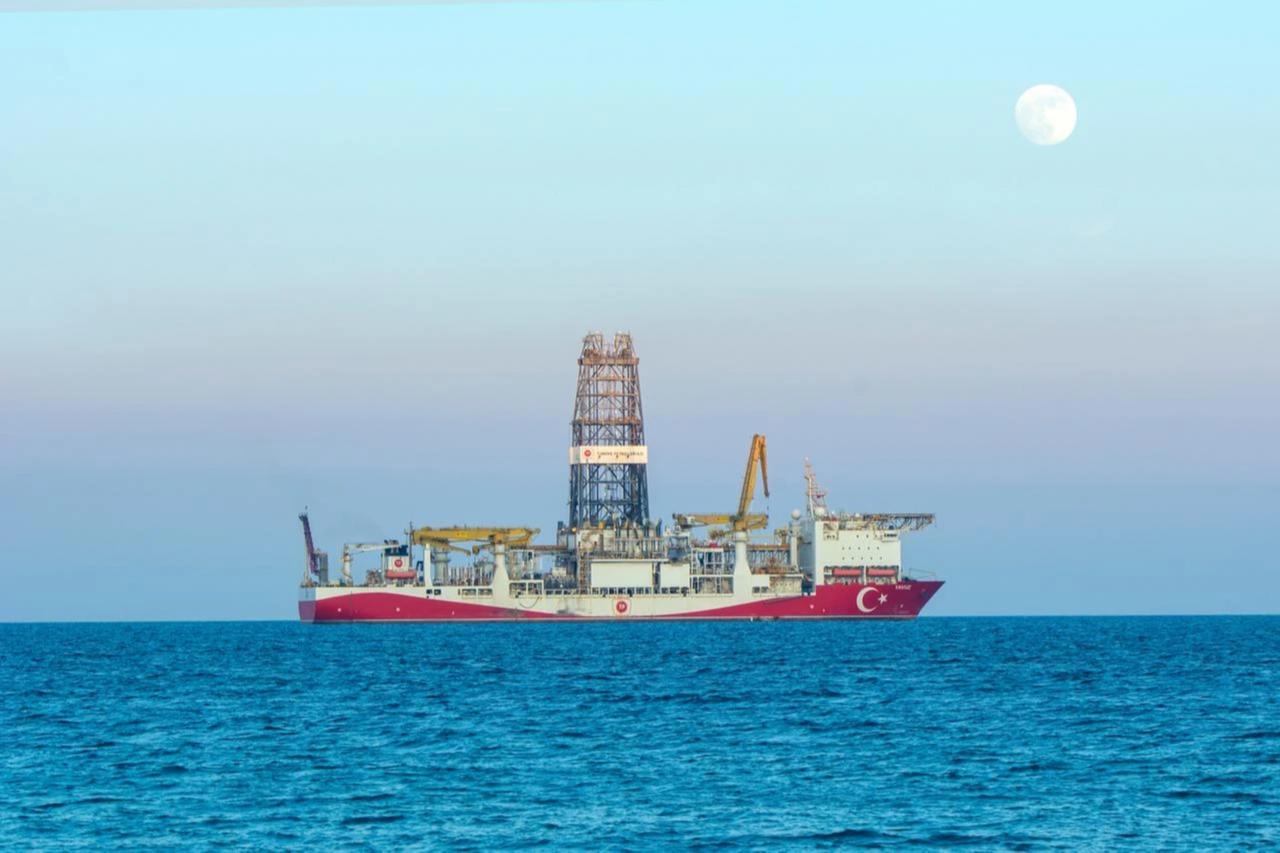


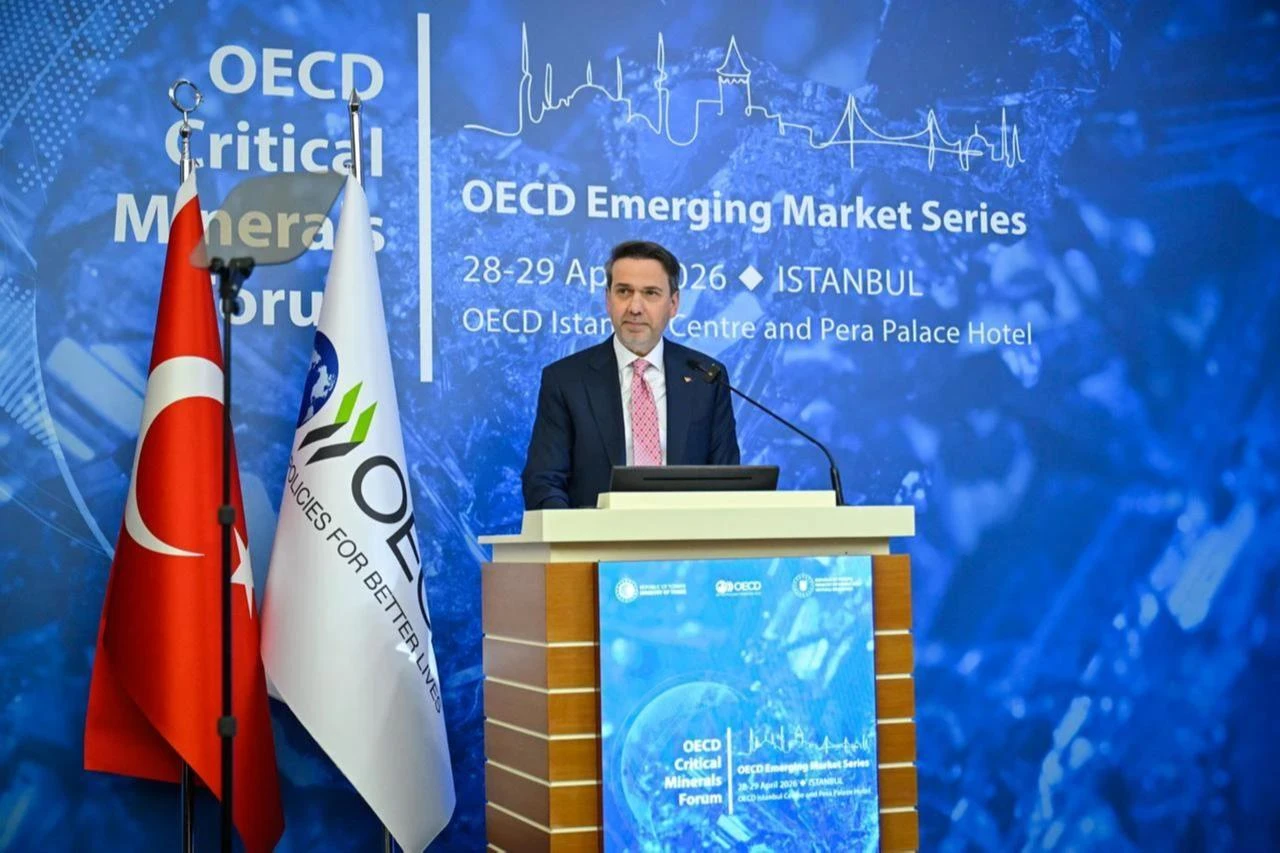
Turkish Energy and Natural Resources Minister Alparslan Bayraktar said Türkiye is operating on three continents in line with its goal of full energy independence, as Ankara seeks to expand its role in global energy markets.
"Türkiye is becoming an active and strong country in the energy market through strong partnerships on land and at sea, from Kirkuk to Somalia, from Libya to Oman, from Azerbaijan to Hungary," Bayraktar told Turkish news agency Anadolu.
Bayraktar said Türkiye's energy investments abroad aim not only to increase oil and natural gas production but also to carry the country's technical know-how, technology, capital and operational capacity to international markets.
He said every international step taken is transforming Türkiye from a country that accesses energy resources into one that produces energy, invests, establishes partnerships and has a say in the global energy equation.
"Türkiye is operating on three continents in line with its goal of full energy independence," Bayraktar said.
At the center of this strategy is the goal of transforming Turkish Petroleum Corporation (TPAO) into an international energy company with a daily hydrocarbon production capacity of 1 million barrels of oil equivalent, he said.
Bayraktar said work continues on new projects, licenses and partnerships that will expand TPAO's international portfolio.
TPAO's current domestic and international production is about 330,000 barrels of oil equivalent per day, he said. That figure is expected to approach 600,000 barrels per day in 2028 with increased production at the Sakarya Gas Field.
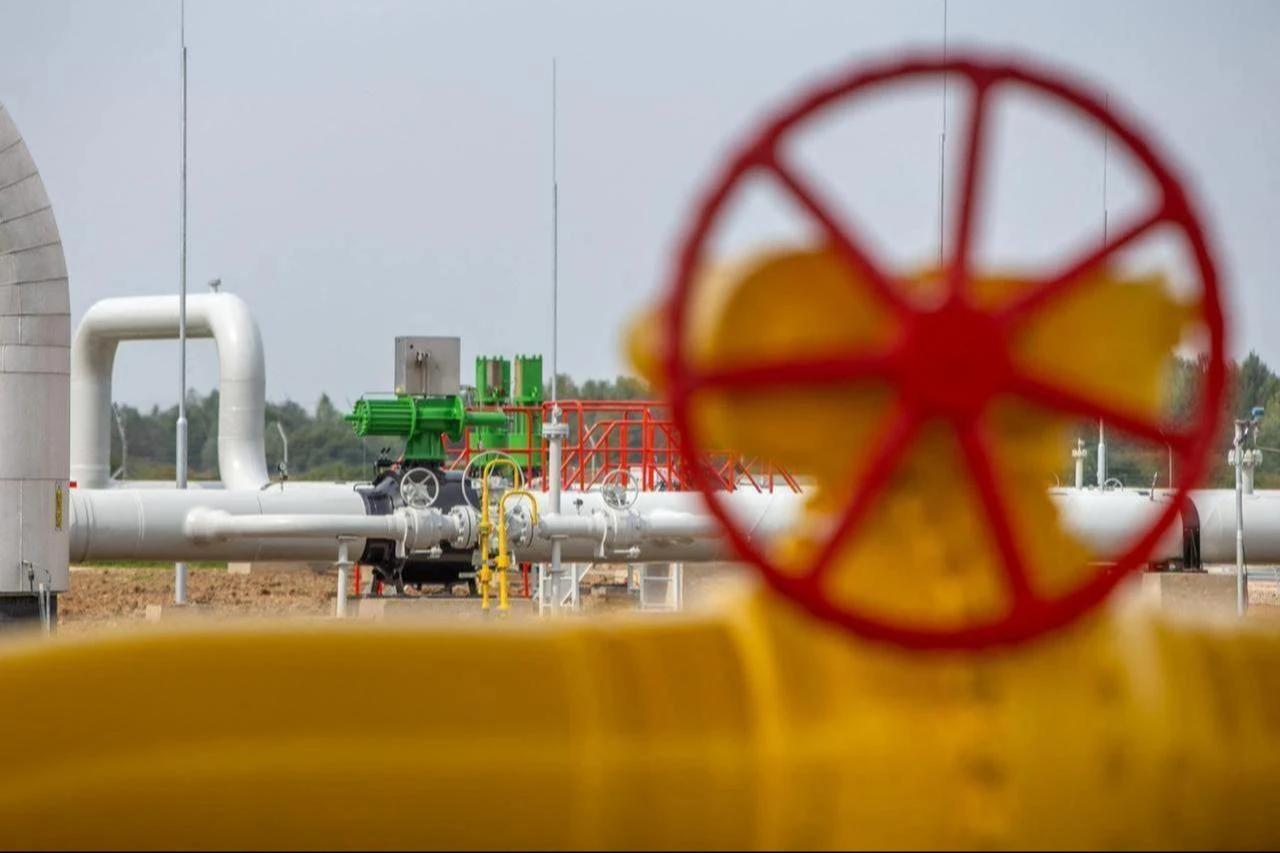

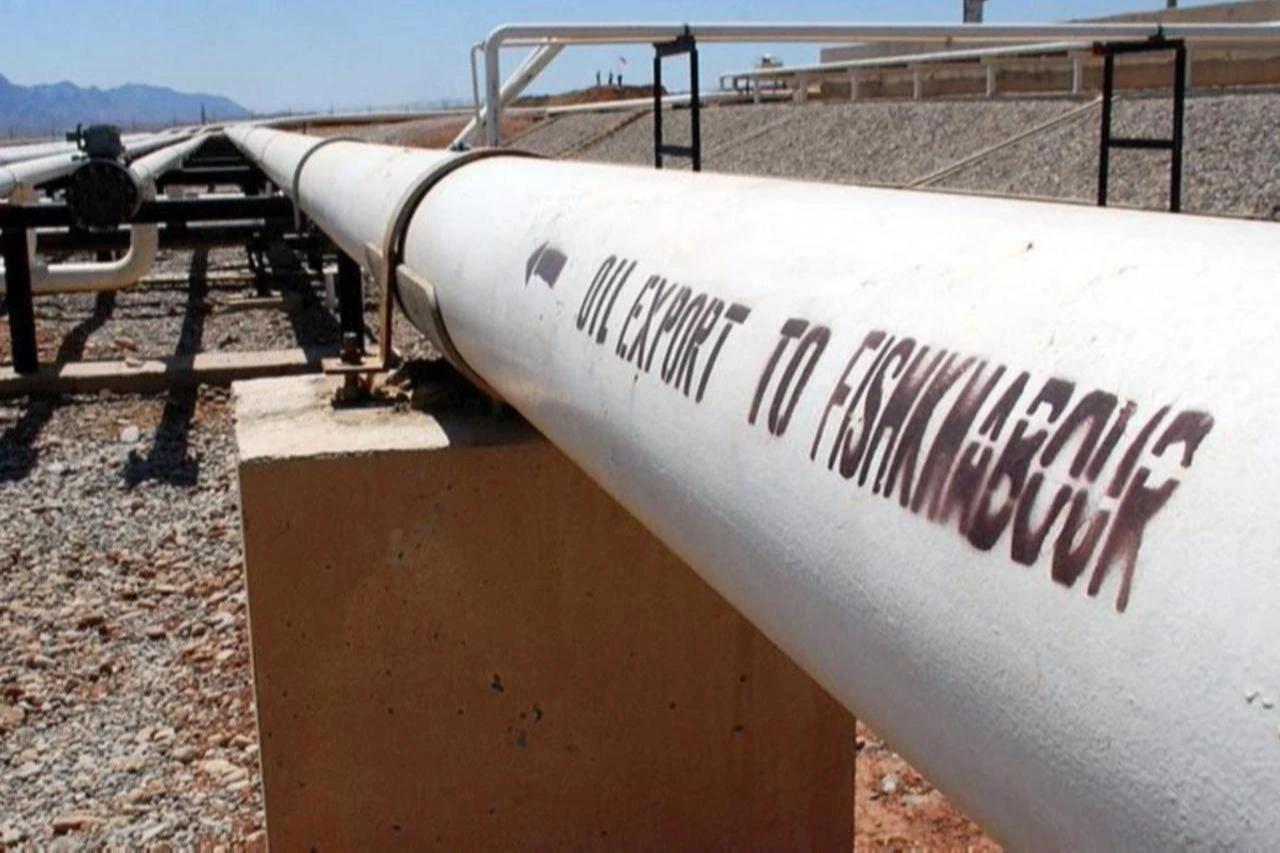
Bayraktar said one of the most important steps in TPAO's international growth strategy was taken in Iraq, while work in Somalia is one of the clearest examples of Türkiye's international hydrocarbon exploration strategy.
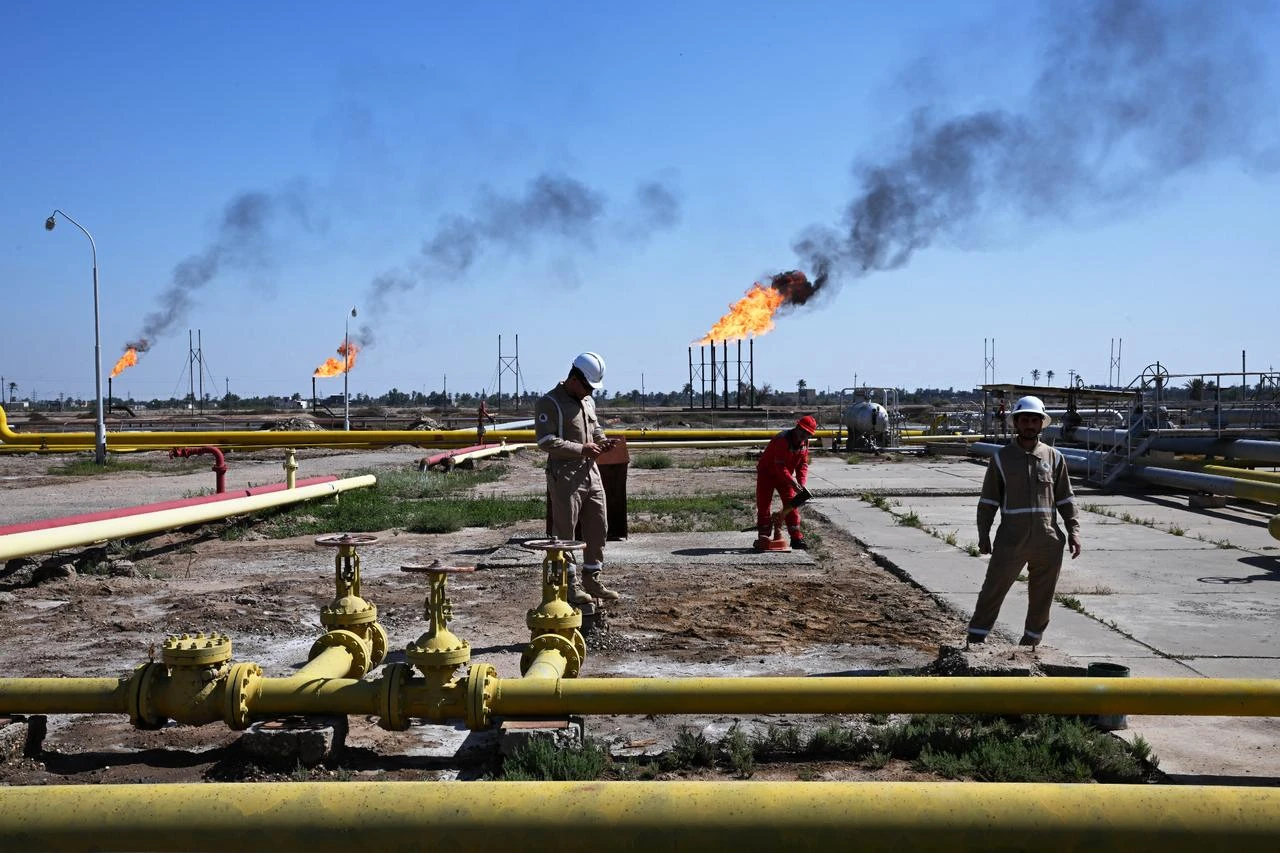
He said TPAO became a partner with BP and ConocoPhillips in the Baba, Avanah, Bai Hassan, Jambur and Khabbaz fields in Kirkuk by purchasing a 15% stake in BP Energy Company of Kirkuk Limited.
"In these fields, which are initially assessed to contain more than about 3 billion barrels of oil equivalent in hydrocarbon resources, our goal is to develop existing reserves, increase production and explore additional exploration potential," Bayraktar said.
He said Somalia is also a concrete example of Türkiye's international hydrocarbon exploration strategy.
Türkiye's seismic research vessel Oruc Reis carried out seismic research for 234 days in three separate offshore blocks off Somalia, Bayraktar said.
A drilling decision was made after the evaluation of the data obtained, he added.
Türkiye's new-generation drilling vessel Cagri Bey is carrying out the country's first deep-sea exploration drilling abroad at the Curad-1 well off Somalia, Bayraktar said.
Bayraktar said Türkiye's international energy outreach is not dependent on a single country or region, adding that a multidimensional and diversified geographic portfolio has been created.
He said production-sharing agreements signed in June paved the way for exploration activities in Libya's onshore and offshore license areas.
"These steps aim to take Türkiye-Libya energy cooperation to a new level and strengthen TPAO's presence in North Africa," Bayraktar said.
He said the Oruc Reis seismic research vessel is planned to move to Pakistan after the monsoon period and begin seismic data collection work.
Work also continues to develop cooperation opportunities in Syria in the fields of oil and mining, he said.
Bayraktar said a concession agreement and a joint operating agreement were signed for Block 80 in Oman, describing the step as important for expanding TPAO's international activities in the Gulf region.
He said Türkiye is also working intensively on new operations in Africa, including in Guinea-Bissau, Angola and Liberia.
Bayraktar said many different projects will be developed in hydrocarbon fields in Azerbaijan in which Türkiye is interested.
He recalled that Türkiye and Azerbaijan recently signed an agreement involving long-term natural gas supply.
"On June 1, BOTAS and the State Oil Company of Azerbaijan (SOCAR), TotalEnergies and Abu Dhabi National Oil Company (ADNOC) signed an agreement that will provide a total of 33 billion cubic meters of natural gas from Azerbaijan to Türkiye for 15 years as of 2029," Bayraktar said.
He said Türkiye is already present in Iraq, Kirkuk and Azerbaijan, including in the Azeri-Chirag-Gunashli and Shah Deniz projects.
"Very recently, we set a very serious target of producing 1 million barrels of oil equivalent hydrocarbons per day," he said.
Bayraktar said TPAO has signed several agreements for natural gas exploration and production activities, including strategic cooperation agreements with ExxonMobil in January, Chevron in February, BP in the same period and TotalEnergies in April.
 2 min read
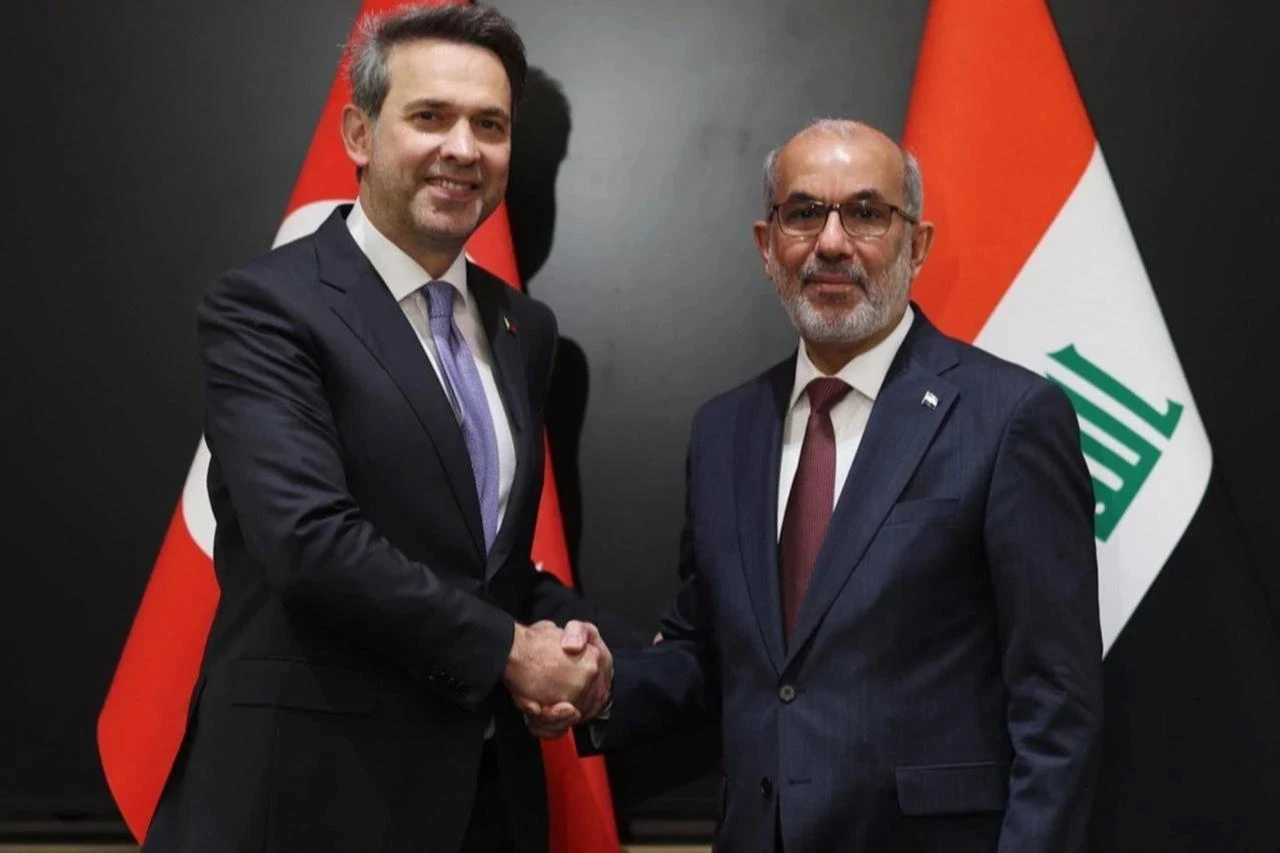
Bayraktar said Türkiye is strengthening cooperation that will contribute to Europe's energy supply security while developing long-term strategic partnerships with energy-producing countries.
He said activities in Hungary and Bulgaria are concrete examples of Türkiye's strategy to integrate more strongly with European energy markets and contribute to Europe's energy security.
"Our activities in Hungary and Bulgaria not only strengthen TPAO's presence in Europe but also further advance the strategic nature of Türkiye-European Union energy cooperation," Bayraktar said.
Under an agreement signed with MOL in 2025, 3D seismic data collection activities at the Buzsak field have been completed and the data evaluation process has begun, he said.
At the Tamasi field, 3D seismic data collection work continues.
Bayraktar said joint exploration activities launched with Shell at Bulgaria's Khan Tervel field in the Black Sea are an important example of Türkiye's vision to contribute to European energy security.
He also recalled that a memorandum of understanding on hydrocarbon exploration and production fields and cooperation agreements in oil field service operations were signed between TPAO and KazMunayGas.
Bayraktar said these partnerships strengthen Türkiye's energy presence in Central Asia while paving the way for TPAO's technical and operational capacity to be carried to the region.


 Set as preferred source
 Set as preferred source


 1 min read


