Newsletters




Turkish Competition Authority has launched an investigation into Google’s AI-powered search features and ordered interim measures to address suspected unfair practices affecting news publishers.
The probe targets AI Overviews and AI Mode, examining whether the features violate competition law, according to a statement published on the competition regulator's website.
As part of its preliminary assessment, the board examined whether Google's AI features change how users seek information and divert traffic from news publishers and other content creators.
The investigation also looks into whether Google's content-use agreements with news publishers contain unfair terms, whether AI Overviews and AI Mode have exclusionary effects on publishers and AI chatbot providers, and whether Google applies different practices when selecting content for its AI services or negotiating licensing agreements.
The board found that evidence of potentially discriminatory and exploitative practices affecting news publishers had reached the level of strong suspicion, prompting it to order interim measures.
Under the measures, Google must establish conditions that prevent discrimination among publishers, reflect the economic value of the content used in its AI services and allow publishers to decide whether their material appears in AI Overviews and AI Mode independently of their visibility and indexing across other Google services.
This is intended to prevent publishers from having to choose between allowing their content to appear in AI-generated responses and maintaining their visibility in conventional search results.
The measures do not ban Google's AI features but seek to address concerns over how the company uses publishers' content and the potential impact on competition.
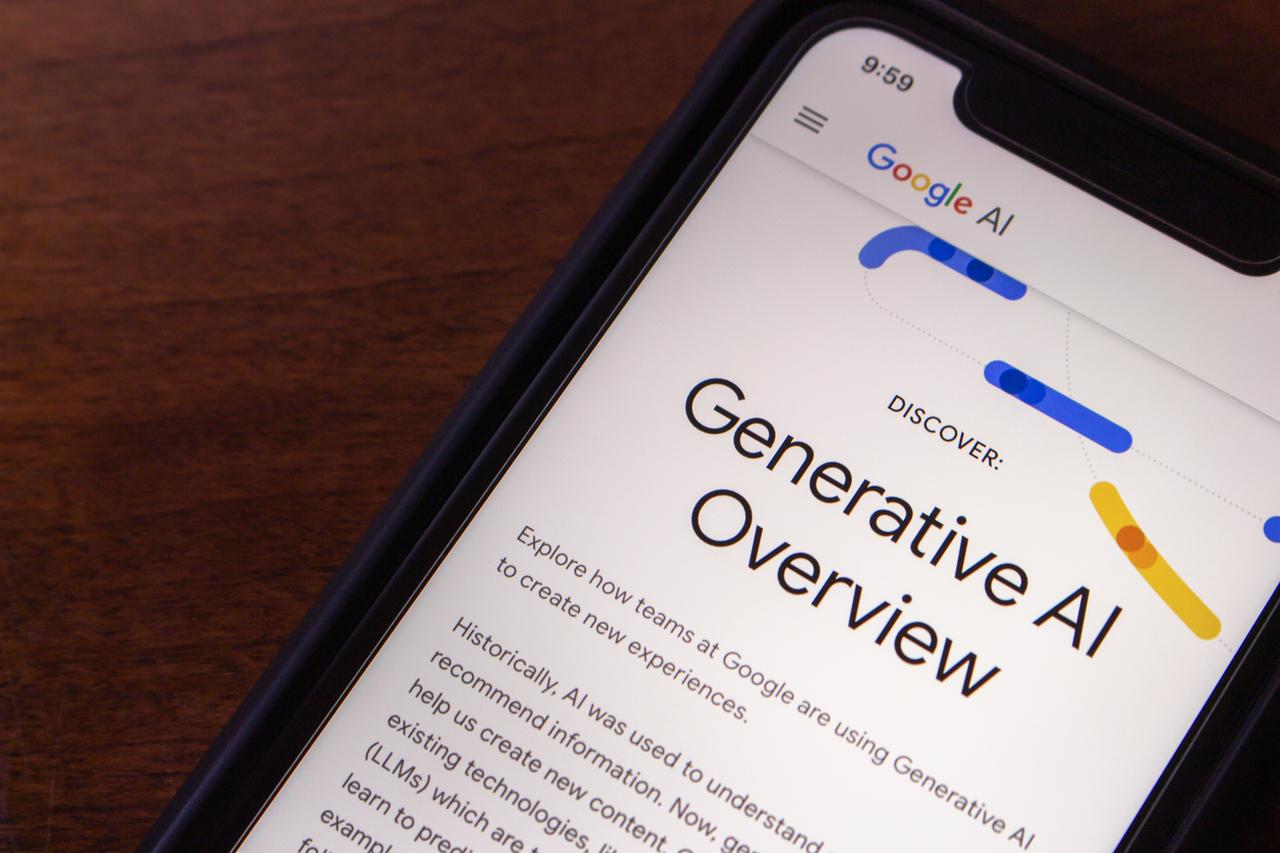

AI Overviews displays AI-generated summaries at the top of Google Search results when its systems determine that a synthesized answer would help users understand a topic.
The summaries draw on information from websites and include links to sources where users can find further details.
The feature is designed to answer questions directly within the search page, potentially reducing the need for users to visit individual websites.
AI Mode takes the process further by offering a conversational search experience that handles more complex questions and follow-up queries.
Rather than simply displaying a summary, it can break a question into several subtopics, search for relevant information across multiple sources and combine the findings into a more detailed response with links to explore.
Users can also ask follow-up questions to investigate a subject in greater depth.
Both features are available in Türkiye, where Google introduced AI Overviews and AI Mode in February 2026.
While the tools are designed to help users find information more quickly, their use of material from across the web has raised concerns about how much traffic reaches the original publishers.
When users find the information they need directly in an AI-generated response, they may have less reason to click through to the news articles behind it.
For publishers that rely on website visits to generate advertising revenue and attract subscribers, a decline in referral traffic could affect their income.


 Set as preferred source
 Set as preferred source


 1 min read

 1 min read