Newsletters


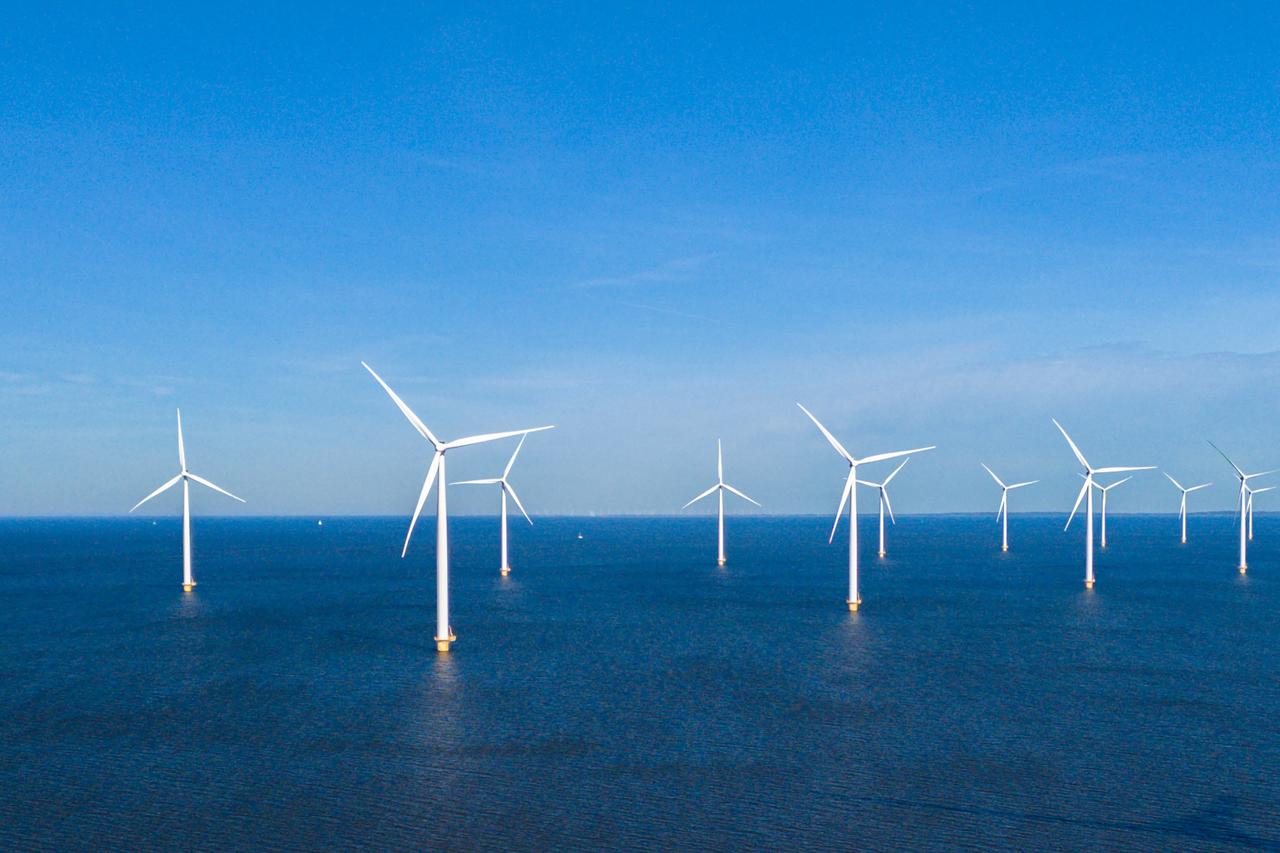


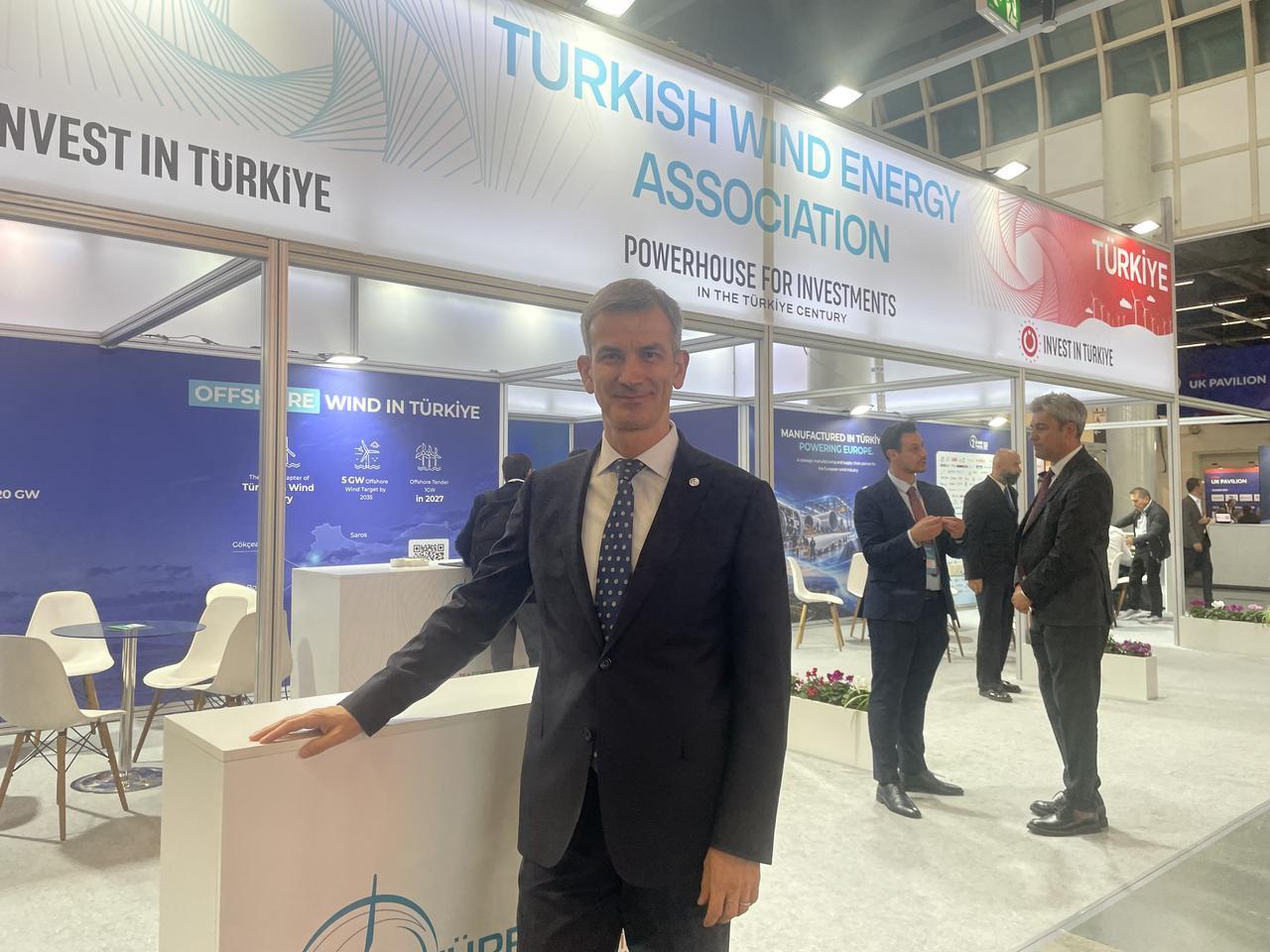
Türkiye’s planned 1,000-megawatt offshore wind renewable energy resource zone (YEKA) project is expected to attract $3 billion in investment if it moves forward in the first quarter of 2027, according to Ibrahim Erden, head of the Turkish Wind Energy Association (TUREB).
Erden explained that roughly half of the investment would go toward offshore wind turbines, while the remainder would cover costs including electricity, construction, and logistics.
Tender details are expected to be announced in the final quarter of this year, followed by the planned tender for the 1,000-megawatt offshore wind project by the end of the first quarter of 2027.
The planned tender will become Türkiye’s first offshore wind project, as the country aims to reach 5,000 megawatts of offshore wind capacity by 2035.
Erden highlighted the higher efficiency of offshore wind projects compared with their onshore counterparts, noting that this advantage can help offset their higher costs.
"While the capacity factor in onshore wind is recorded at 35%, it is between 45-50% in offshore wind. As more electricity can be generated with higher efficiency, competitive electricity generation costs can be achieved despite the higher costs," Erden told Anadolu Agency on the sidelines of WindEnergy Hamburg.
Erden stressed that projects requiring high capacity and advanced technology can carry substantial upfront costs, but expenses are expected to come down as such investments become more widespread. The development of an economically viable offshore wind ecosystem could open up new business areas across several industries, he added.
"These types of investments may seem costly at first, but as investments are made and become more widespread, costs naturally fall," Erden said. "Once the offshore ecosystem becomes economically viable, it will also have a positive impact on other economies and sectors and act as a catalyst."
He pointed to potential activity in offshore construction, specialized electrical equipment manufacturing, maritime transport, shipping, shipbuilding and the production of specialized equipment for offshore projects.

Türkiye’s engineering sector has established capabilities, while its construction and manufacturing industries have years of experience delivering onshore wind projects.
Erden noted that both domestic and international companies are showing interest in the offshore wind project as technology providers and investors. Germany and Denmark are among the countries showing interest, alongside China.
From the Middle East, the United Arab Emirates, Saudi Arabia, and Qatar are also among the countries with financing and investor interest, he revealed.
Türkiye’s Energy and Natural Resources Ministry considers offshore wind one of the strategic areas of the country’s new energy agenda. Studies have identified significant offshore wind potential in Türkiye, with four areas designated off the coasts of Saros Gulf, Gokceada, Bozcaada and Edremit.


 Set as preferred source
 Set as preferred source


 1 min read
 1 min read