Sign in
 Newsletters


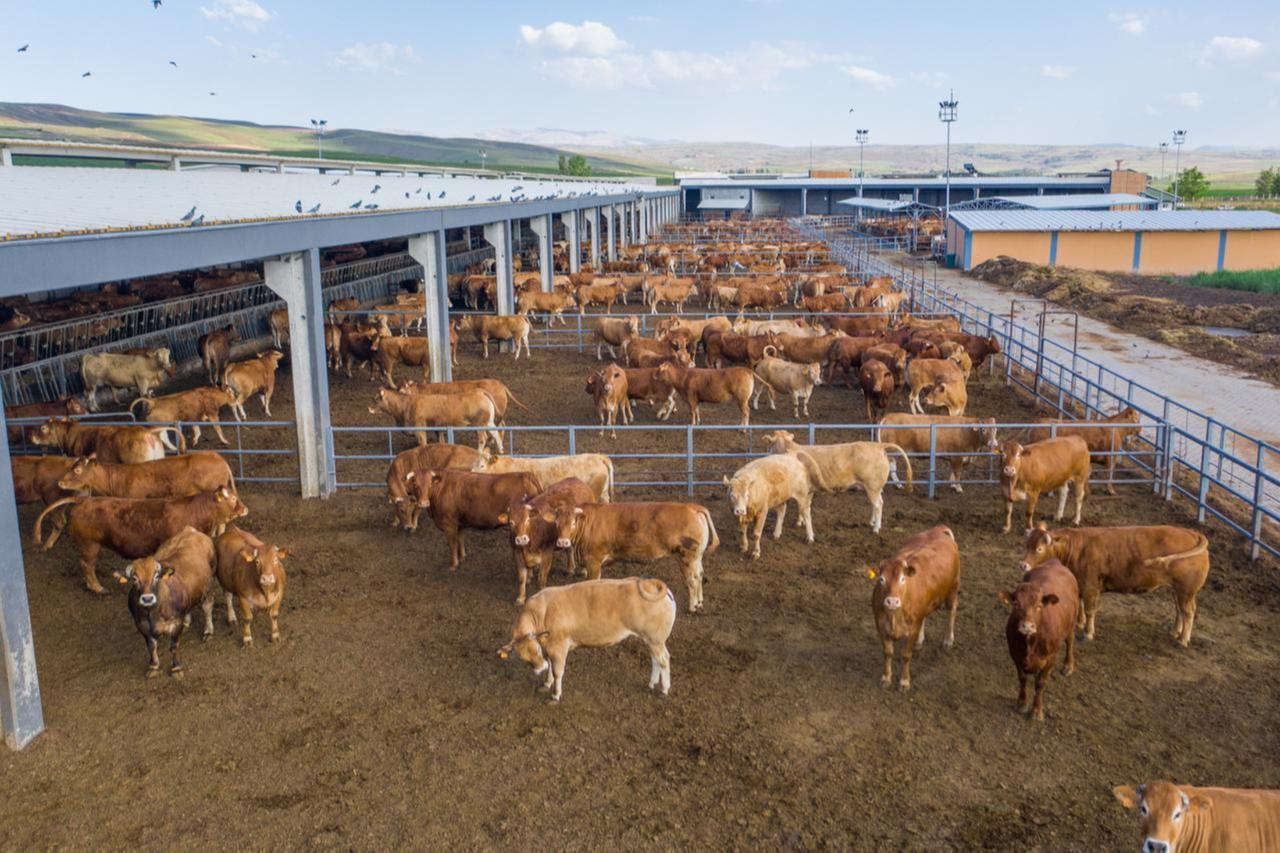


Türkiye plans to cut its feeder cattle import quota to 480,000 head in 2027, down from 520,000 in 2025 and 500,000 this year, as authorities seek to expand domestic livestock production and reduce reliance on foreign supply.
The plan comes as the country seeks to strengthen its cattle population, improve production efficiency and keep red meat prices manageable while gradually moving the industry toward exports, Ahmet Haciince, head of the National Red Meat Council (UKON), told state-run Anadolu Agency.
Türkiye's live cattle imports remain heavily reliant on South American suppliers, particularly Brazil and Uruguay, while smaller shipments come from Azerbaijan and European countries.
The country's cattle population reached 17.8 million, while its sheep and goat population totaled 60.8 million as of June 2026, according to Turkish Statistical Institute (TurkStat) data.
Although official red meat production figures for 2026 have yet to be released, Haciince expects the growing livestock population to support domestic output in the coming period.
Supply and demand have remained relatively balanced throughout the year, with monthly average beef carcass prices ranging from ₺577.73 ($11.45) to ₺607.95 per kilogram, partly supported by market-regulation measures carried out by the Turkish Meat and Milk Board.
Beef carcasses averaged ₺590.65 per kilogram during the first 10 months of 2026, while lamb carcasses averaged ₺600.49. Haciince noted that annual consumer inflation stood at 31.5% in September, with red meat prices rising more slowly than overall inflation.
Lamb prices followed seasonal patterns, climbing to ₺612.78 per kilogram in May before falling to ₺602.22 in July following Eid al-Adha. Prices picked up again in August and September, reaching ₺621.14 in September before leveling off in October.

Global meat production is forecast to grow 1% to 391.3 million tons in 2026, while international meat trade is expected to rise 1.1% to 43.9 million tons, according to the FAO's June outlook.
Beef production is projected to reach 60.2 million tons this year before slipping slightly to 60 million tons in 2027, according to the U.S. Department of Agriculture's October estimates. Global beef exports are also expected to edge down from 14 million tons to 13.9 million tons.
The FAO Meat Price Index stood at 127.9 points in September, unchanged from a year earlier after hitting record highs in 2025. Animal disease outbreaks, weather and geopolitical tensions continue to threaten global supplies and trade.
Haciince described 2026 as a year of stable prices and growing livestock numbers in Türkiye, with reliance on imported feeder cattle gradually easing.
He called for expanding domestic breeding, cutting production costs, improving efficiency, strengthening animal health and biosecurity measures, and introducing a carcass classification system.
"Our goal is a red meat sector that minimizes imports without relying on foreign supply, improves productivity, and allows consumers to access quality, healthy meat at affordable prices while moving toward exports," Haciince said.


 Set as preferred source
 Set as preferred source


 1 min read

 1 min read