Sign in
 Newsletters





It happens in kitchens and newsrooms, on hospital floors and inside boardrooms. One person makes a mess in a single night, and someone else spends months cleaning it up.
Everyone knows who caused the problem, and everyone also knows who will be asked to fix it, even before anyone says a word.
On Tuesday, the person cleaning up the mess faced Wall Street. Colette Kress reported Nvidia’s $115.84 billion quarter, up from $57 billion a year ago, and predicted about $130 billion for the next quarter. Shares rose more than 3% after hours. She hit every target. But the numbers aren’t the real issue here.
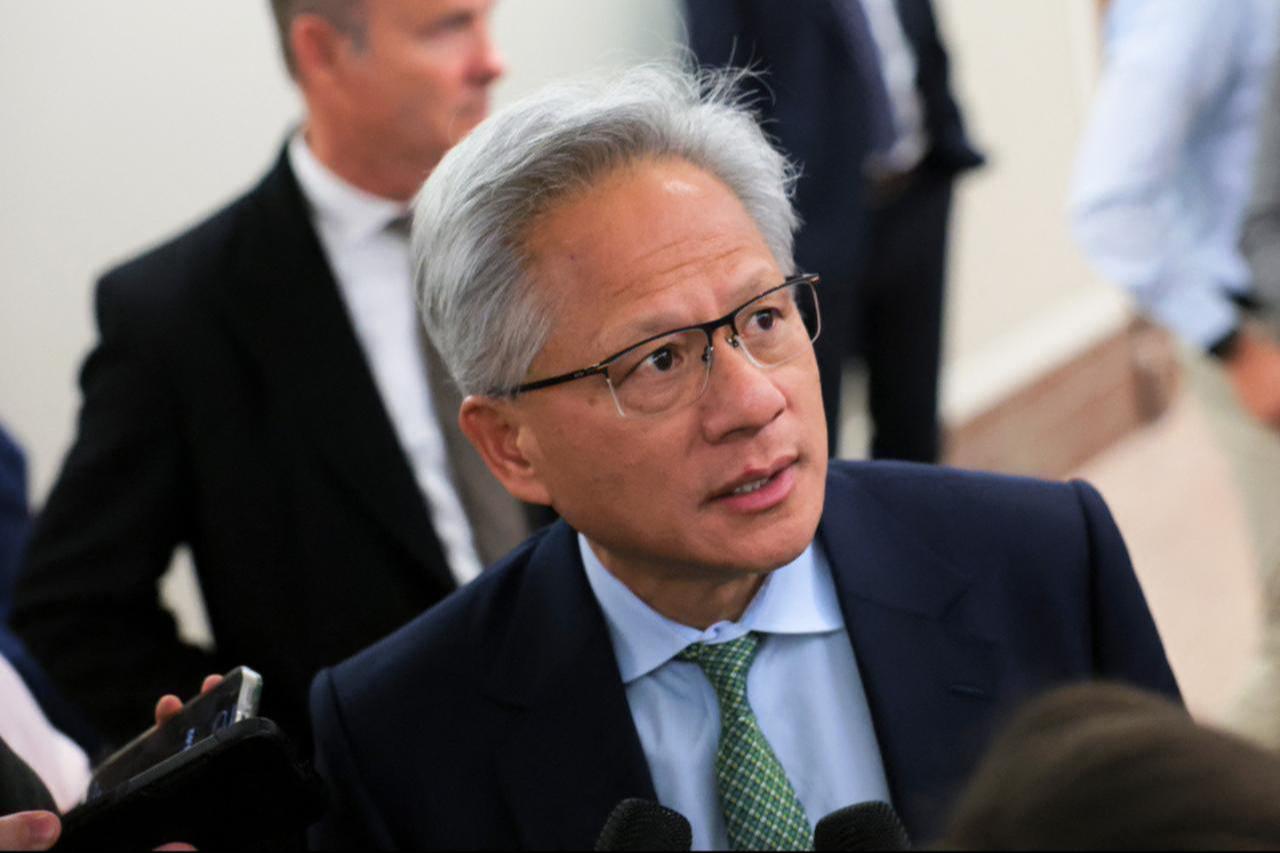

To see why, look at what happened. Jensen Huang led Nvidia for 33 years. On Nov. 12, he resigned as chief executive, effective immediately. Just days earlier, he admitted to a romantic relationship with an alleged Chinese spy, which triggered a U.S. national security crisis.
The word “security” matters here. Nvidia makes chips that power much of the world’s artificial intelligence, and the U.S. government watches closely where those chips go.
By Monday, the Commerce Department had moved to stop Nvidia’s chips from being rented to Chinese companies. An independent board committee is still investigating.
This wasn’t about a bad product or a bad year. It happened because of one man’s choices. After he left, the company needed someone to step up, so they turned to their chief financial officer, who handles the company’s finances.
Her name is Colette Kress, and she’s now the interim CEO. That means she’ll do the job until the company picks a permanent CEO.

Kress didn’t come out of nowhere. She spent 13 years at Nvidia after almost 25 years in finance roles at tech companies like Cisco and Microsoft, so she’s qualified. That’s what makes the pattern hard to notice.
You might know the phrase “glass ceiling”: the invisible barrier that keeps women from top jobs. Researchers at the University of Exeter described another idea: the “glass cliff.”
In a study of 100 companies, they found that women promoted during crises often face tough challenges, sometimes in roles where they get blamed for problems caused by men before them. The ceiling breaks, but only when the job is the riskiest one available.
These examples are familiar. Marissa Mayer became Yahoo’s CEO in 2012, when the company was falling behind Google. Linda Yaccarino took over as CEO of X in 2023, when advertisers were leaving.
Different companies and years, but the same pattern. If a turnaround fails, the leader usually gets blamed, even for problems that started before she arrived.
This isn’t about someone being a victim. Kress is strong and qualified. The real issue is timing, and it raises a big question: does it take a major crisis for a woman to get a top tech job? If so, what was the point of all the calm years?
Nvidia isn’t Yahoo, and the numbers show it. Its revenue more than doubled from last year, and it made $65.3 billion in profit in one quarter. The company expects about $130 billion in sales next quarter and has raised its annual growth target to 75% from 70%. This company isn’t in trouble.
But even a strong company can be on the edge, and the share price proves it. Nvidia’s shares are down 24% this month and have fallen for six straight weeks, the longest losing streak since 2012.
Investors worry about the scandal, the future of AI spending, and especially China. Nvidia now expects no data center chip revenue from China at all. That’s a company getting ready to lose a major market.
So the real risk isn’t with the product. It’s about trust from investors, regulators, and Washington. The man who broke that trust is gone. The woman now asked to fix it is the one making the forecasts. If the shares keep falling, people will remember her name.
Responsibility doesn’t mean power. Kress is handling two roles, CFO and interim CEO, while the board looks for a permanent chief executive, either from inside or outside the company.
Kress might become the next CEO, or she might guide the company through this tough period until someone else takes over. A permanent CEO gets time and authority to set a direction. A temporary leader gets neither.
 2 min read
There’s a long-standing fear that women fail when given a crisis to manage. But the data tells a different story. A 2024 study of S&P 1500 companies during the pandemic found no clear difference in stock or accounting returns between companies led by women and those led by men.
If women don’t fail more often, why does this fear remain? It’s because of what happens when a crisis ends badly. Founders who fail are remembered for what they built. Successors who struggle are remembered for their mistakes. The woman who takes over during a crisis can end up blamed, even if someone else caused the problem.
Kress told investors that things were business as usual at Nvidia. But that phrase deserves a closer look. Six weeks of falling shares, an ongoing investigation, and a threatened China business don’t seem usual. What really seems usual is the pattern: a man causes the problem, a woman is asked to fix it, and the system keeps going without questioning it.
No one wants Kress to fail. The real question is what happens if she does, and whose name takes the blame. It might not be the person who left.
And when that day comes, will anyone ask why women only seem to get these chances when there’s a crisis?


 Set as preferred source
 Set as preferred source




 1 min read