Newsletters


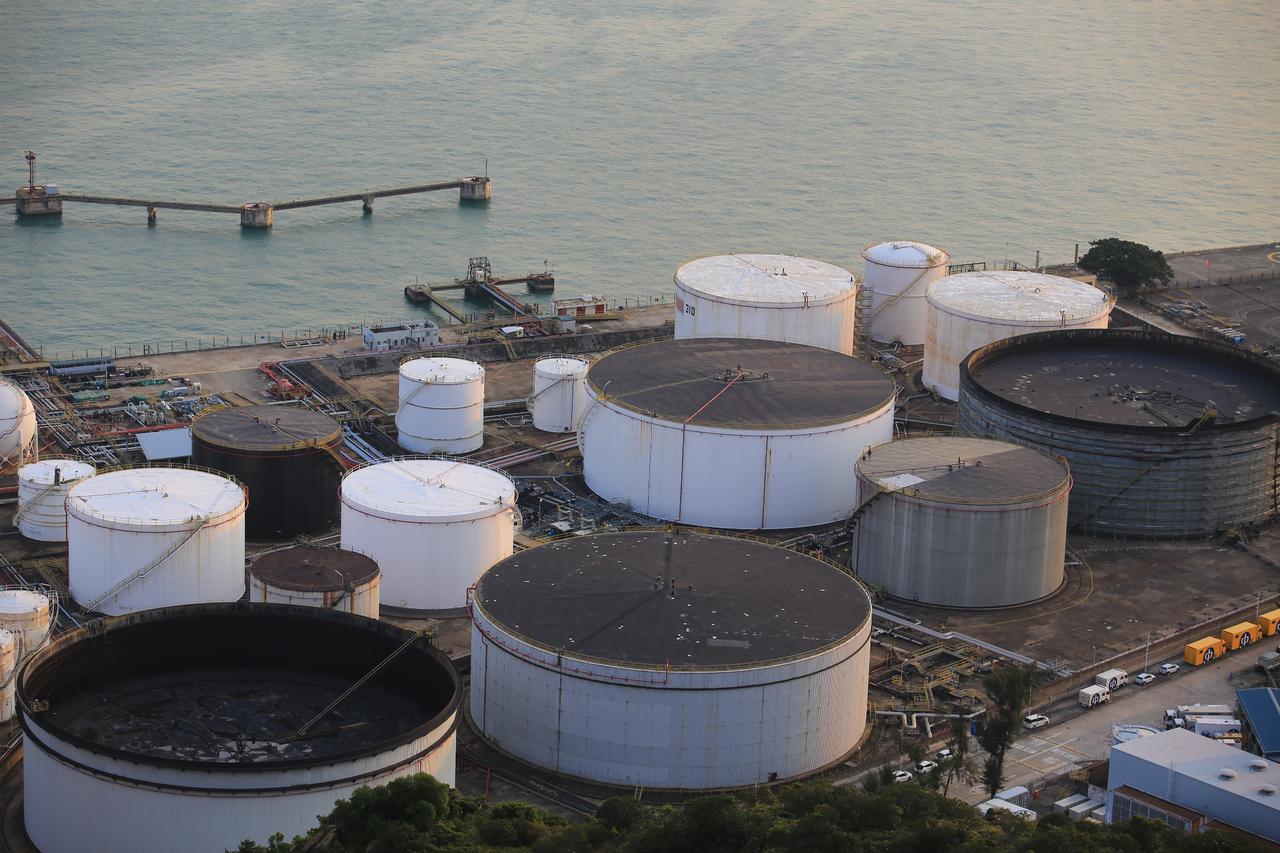


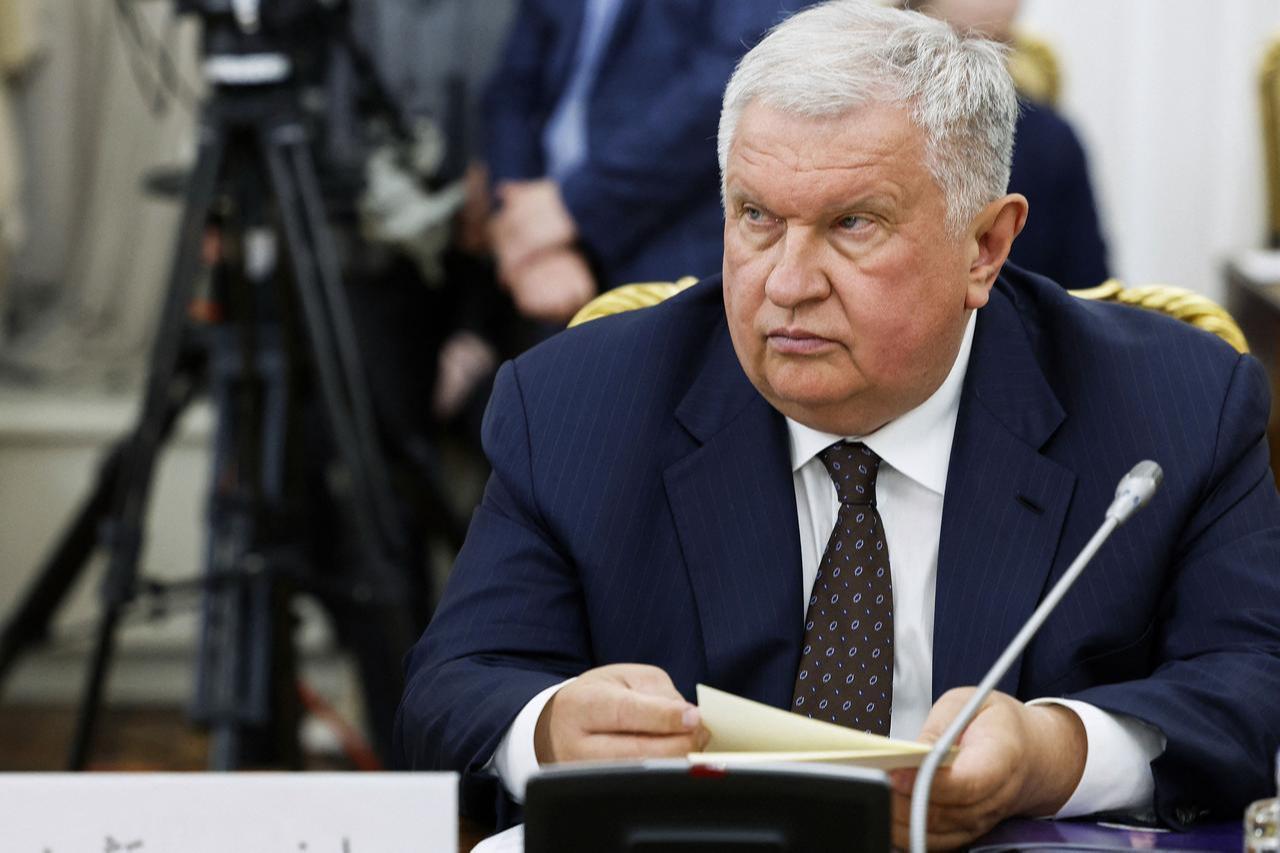
China is better prepared than other major economies to cope with a closure of the Strait of Hormuz thanks to a long-term energy security strategy built on realistic risk assessments, Rosneft CEO Igor Sechin said Saturday at the St. Petersburg International Economic Forum (SPIEF).
The head of Russia's largest oil producer argued that Beijing's approach to energy policy has helped transform the country into a global energy powerhouse while reducing its vulnerability to supply disruptions.
"After the collapse of the Soviet Union, the West believed that no other real rival would ever arise," Sechin said. "Over the past decades, China has demonstrated not only economic success, but also the highest achievements in science and technology, which have allowed it to become a global energy power."
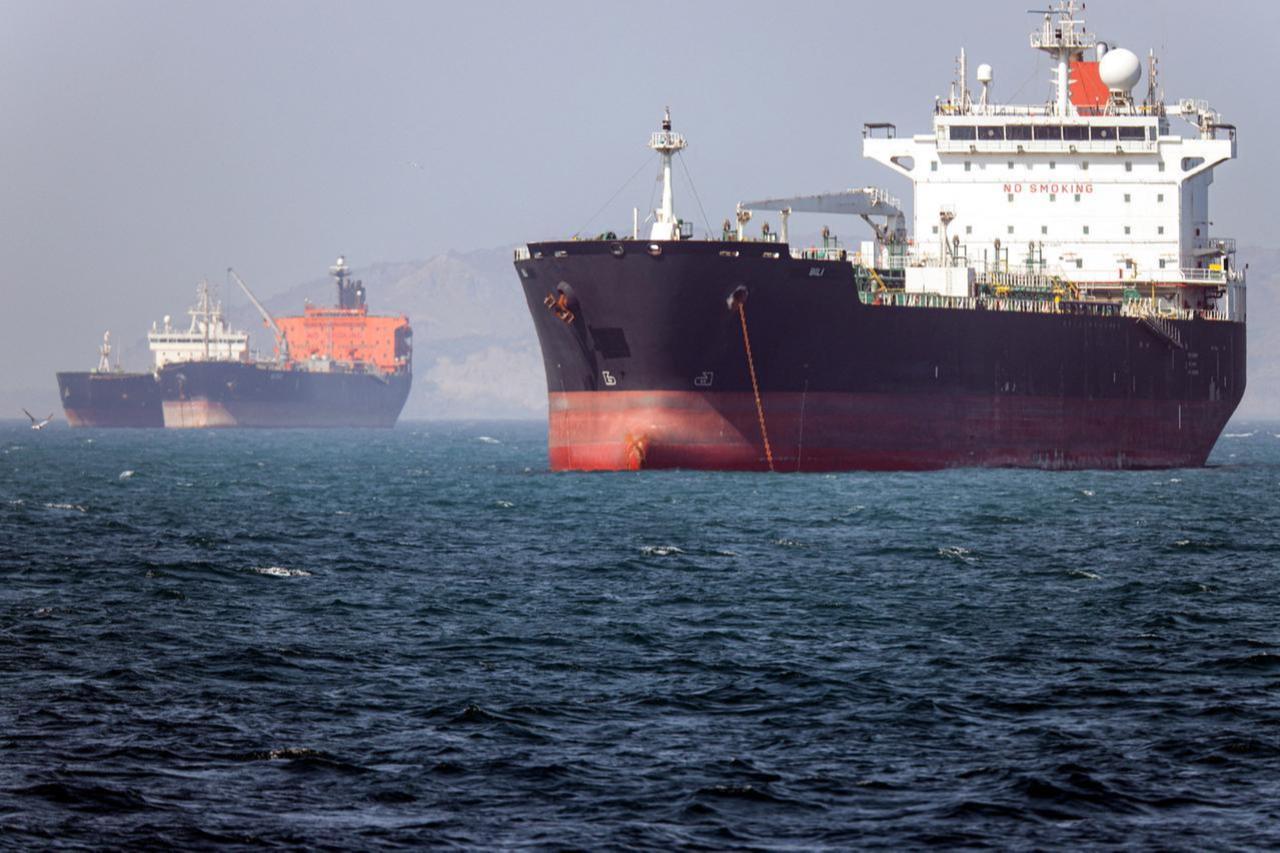
Since the Iran conflict began on Feb. 28, traffic through the Strait of Hormuz has been heavily disrupted by Iranian restrictions and the U.S. blockade of Iranian ports, putting pressure on China's access to Iranian crude, of which it typically purchases about 80% of the exports.
Sechin pointed to China's large-scale investments in renewable energy and electric transportation as key factors behind its preparedness.
The country's network of electric vehicles, electric buses, gas-powered trucks, rail systems and electric taxis offers consumers alternatives to conventional fuels during periods of market disruption.
"Sound public policies have achieved significant economies of scale in the development of renewable energy sources," Sechin said, adding that the diversified transport network helps cushion the impact of supply shocks.
The Rosneft chief also highlighted China's comparatively low electricity prices. Industrial users pay about 9 cents per kilowatt-hour, while households pay around 7 cents per kilowatt-hour, levels he described as significantly lower than those in several Western economies.
China currently operates the world's largest power system, with installed generation capacity of roughly 4,000 gigawatts, according to figures cited by Sechin. More than 540 gigawatts of new generating capacity entered service in 2025 alone.

At the same time, Beijing continues expanding coal-fired generation while advancing the world's largest nuclear energy development program, having commissioned 78 gigawatts of new coal-fired capacity last year and planned another 161 gigawatts, with coal expected to account for more than 40% of China's total energy consumption over the next decade.
China also remains a global leader in battery storage and grid investment, commissioning about half of the world's new battery storage capacity each year and investing roughly $100 billion in electricity networks. In December 2025 alone, the country added 65 gigawatt-hours of storage capacity.
He also referred to the growing oil trade with China and India, which have emerged as Russia's key energy customers since 2022. He said the economic benefit to the two countries from Russian oil supplies has exceeded $40 billion.
China and India accounted for about 80% of Russia's 238 million metric tons of oil exports in 2025, benefiting from discounted Russian crude that Moscow has offered since losing much of its European market.
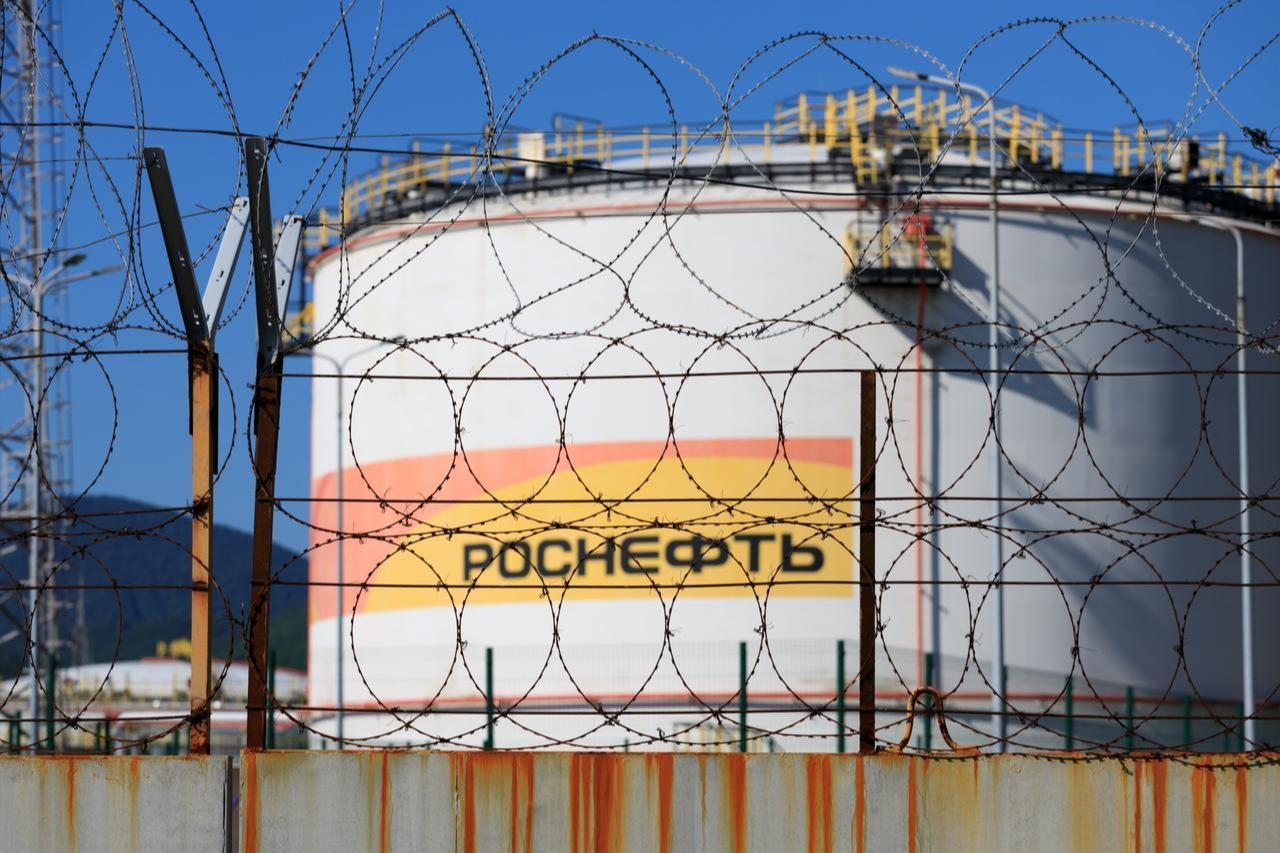
Russia, meanwhile, remains a critical participant in global energy markets despite sanctions and ongoing geopolitical tensions, Sechin emphasized. "Today Russia is the guarantor of global energy security," he said, citing the country's extensive oil, gas and coal reserves.
Sechin also linked the Strait of Hormuz crisis to growing efforts to reduce reliance on the U.S. dollar in international transactions. Transaction volumes handled through China's Cross-Border Interbank Payment System (CIPS) have more than tripled over the past five years to nearly 1 trillion yuan ($147.8 billion) per day.
"The Hormuz crisis has greatly accelerated this process," he said, referring to the shift toward alternative payment systems.
Looking ahead, Sechin cautioned that disruptions affecting the Strait of Hormuz could set a precedent for risks facing other strategic maritime chokepoints. These include the Strait of Malacca, Bab el-Mandeb, the Danish straits, the Turkish straits, the Suez Canal and the Panama Canal. All are critical to global trade and energy flows.


 Set as preferred source
 Set as preferred source


 1 min read
 1 min read