Newsletters


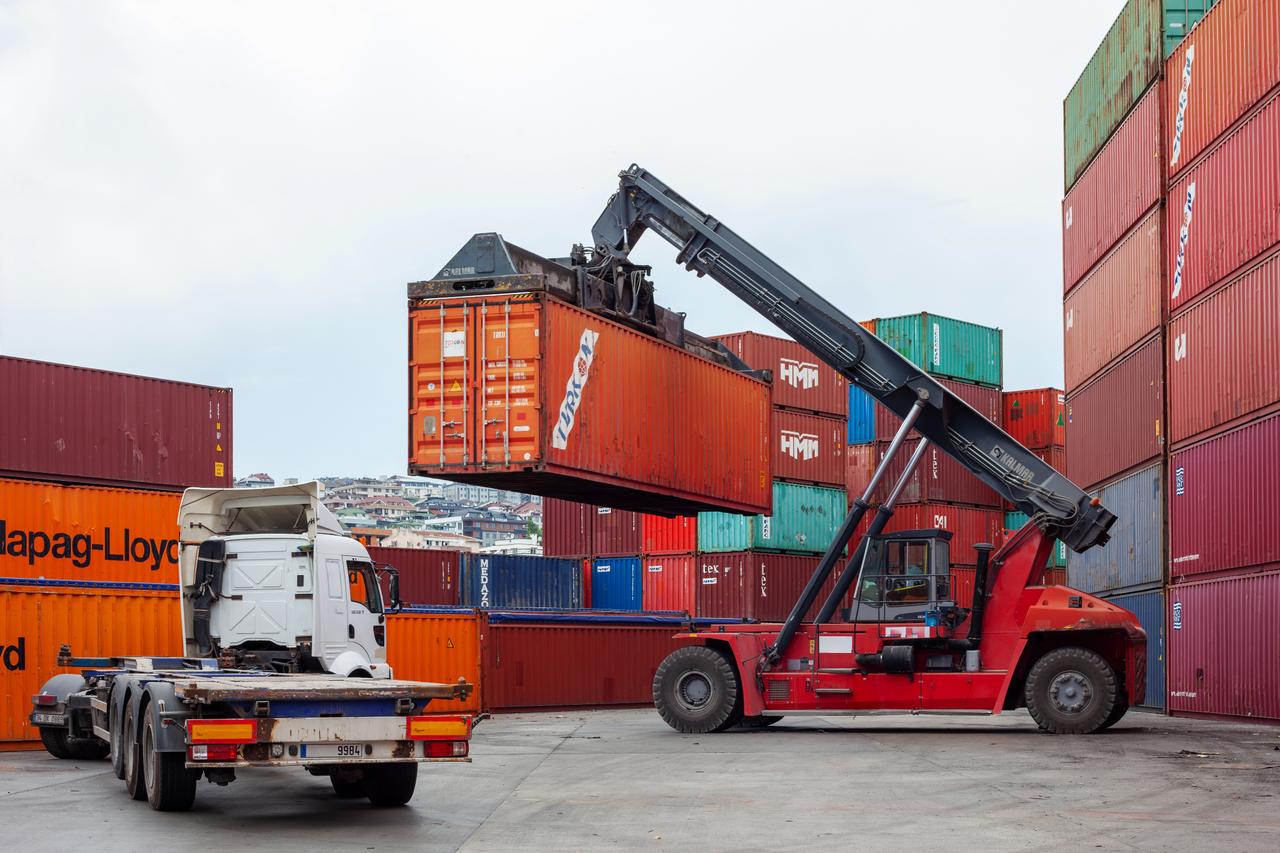


The Turkish government has forecast that the country’s trade deficit will reach $102 billion by 2028, with exports projected at $308.5 billion and imports at $410.5 billion.
The projections are outlined in the country’s Pre-Accession National Economic Reform Program, a policy document submitted annually to the European Commission as part of Türkiye’s EU accession process.
The projection reflects a 10.9% increase in the trade deficit, alongside a 12.8% rise in exports and a 12.3% rise in imports compared to 2025, when exports totaled $273.43 billion, imports reached $365.52 billion, and the trade gap stood at $92.09 billion.
On the services side, travel revenues are expected to reach $68.2 billion by the end of 2028, up by $8.81 billion, or 14.8%, from $59.39 billion in November 2025. This would support an expansion in the services surplus to $75.3 billion, an increase of $11.99 billion, or 18.9%, from $63.31 billion over the same period.
Alongside trade and services projections, the program sets out a comprehensive strategy to improve Türkiye’s current account dynamics, reduce external vulnerabilities, and strengthen export competitiveness. The government aims to achieve this by expanding product and market diversification, promoting strategic trade partnerships, and enhancing export financing mechanisms.
In the transport sector, a key contributor to Türkiye’s services surplus, new infrastructure is planned to support more cost-effective and timely access to major export markets, reinforcing the country’s role in global supply chains.
The program also prioritizes efforts to improve the resilience of goods exports by increasing the visibility of the Türkiye brand and leveraging emerging global trade trends.
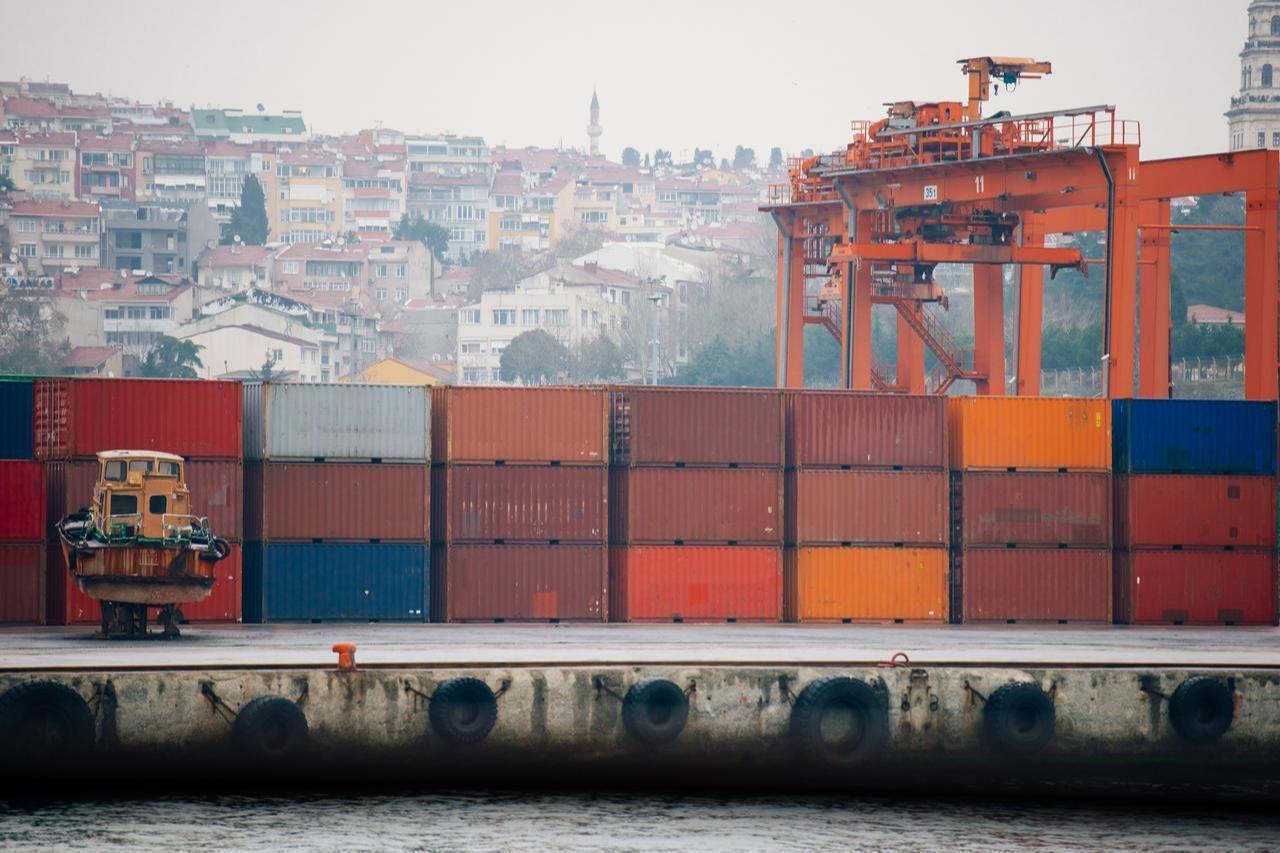

To support exporters, the government plans to restructure Turkish Eximbank’s business model and institutional capacity in line with international standards, while easing collateral burdens through the Export Development Corporation.
The program also prioritizes compliance with global green and digital trade frameworks, including the EU’s Carbon Border Adjustment Mechanism and Türkiye’s Emissions Trading System, with sector-based risk and competitiveness assessments guiding adaptation in carbon-intensive industries.
Trade diplomacy will focus on new agreements and deeper ties with friendly and neighboring countries, alongside regional peace efforts. The current account is expected to improve through high-value exports and reduced import dependency in key sectors such as energy, agriculture, mining, and nuclear technologies.
The current account deficit, at $23.22 billion in November, is targeted to fall to 1% of gross domestic product (GDP) by the end of the program period, down from 1.5% in the third quarter of 2025, supporting macro-financial stability and contributing to disinflation.


 Set as preferred source
 Set as preferred source


 1 min read
 1 min read