Sign in
 Newsletters


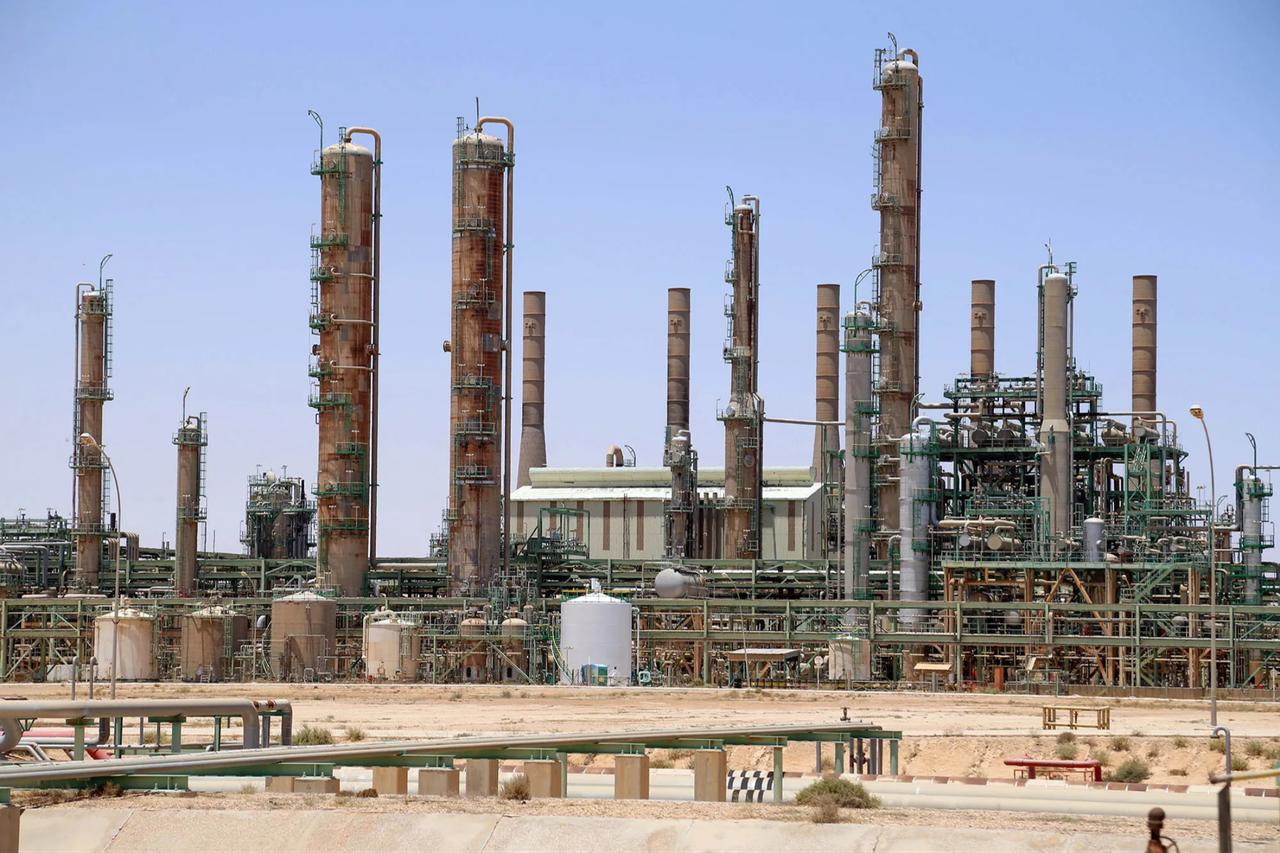


Libya faces a potential loss of 365,000 barrels of crude oil per day after a group shut down a pipeline carrying oil from the country's largest field, adding to an existing disruption at another facility.
The state-run National Oil Corporation (NOC) reported Monday that a group it described as acting outside the law had shut a valve on the pipeline carrying crude from the Sharara oil field to the coast. The closure was expected to cut output by about 350,000 barrels per day.
The shutdown added to an existing disruption on the Hamada pipeline, which was already costing Libya around 15,000 barrels in daily output.
The closures came amid a dispute over the Petroleum Facilities Guard's funding and administrative status. In September, members demanded a transfer from the Defense Ministry to the NOC, along with higher salaries and increased funding.
Combined, the two disruptions were expected to take 365,000 barrels per day out of Libya’s oil supply, equivalent to about 26% of the country's average crude production in October.
Libya produced 43.47 million barrels that month, averaging approximately 1.4 million barrels per day, according to NOC figures.
The Sharara field, located in southwestern Libya, supplied crude to a storage terminal in Zawiya on the Mediterranean coast. The facility served both a local refinery and tankers loading oil for export.
Akakus Oil Operations managed the field on behalf of the NOC and four international partners: Spain’s Repsol, France’s TotalEnergies, Austria’s OMV and Norway’s Equinor.
Sharara's output reached approximately 335,000 barrels per day in August. At the time, the NOC and Akakus discussed plans to increase production to around 355,000 barrels per day by mid-2027.
The latest disruption followed an earlier shutdown of the same pipeline in September, when an armed group closed a valve on Sept. 21.
The NOC responded by taking one of the Zawiya refinery's two processing units offline to keep the other operational. Crude flows resumed on Sept. 26.
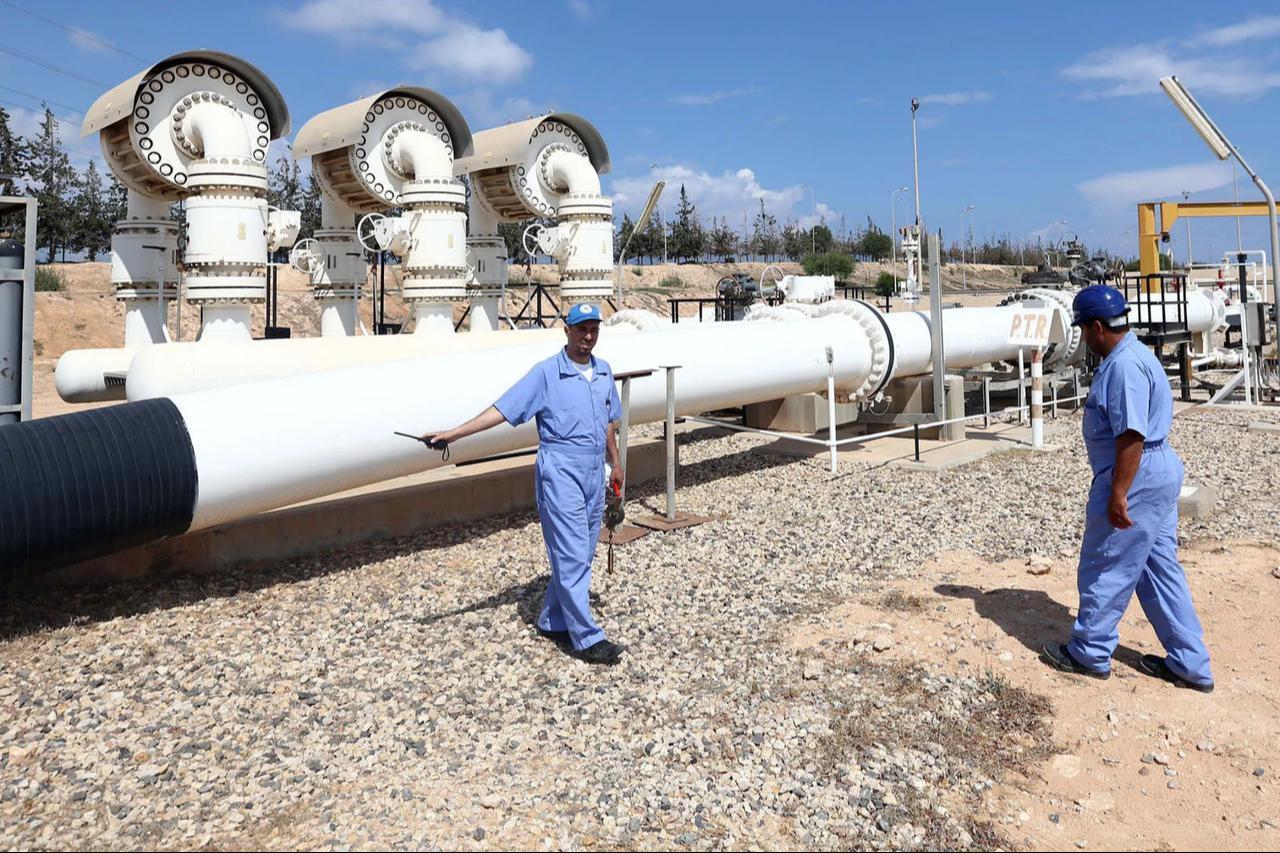

Meanwhile, the separate Hamada pipeline shutdown, first reported on Oct. 30, had already taken a significant toll on production.
By Saturday, the NOC estimated that the disruption had resulted in the loss of 302,778 barrels of crude oil worth $30.8 million, excluding fixed operating costs at the affected oil fields.
The financial toll had also reached approximately $1.47 million per day, with the Hamada shutdown reducing production by an average of 14,418 barrels daily. The disruption had continued for more than 20 days by Nov. 22, according to local reports.
The latest closure also prompted a response from oil facility guards operating under the Libyan National Army's General Command.
According to local media reports, the guards maintained that the pipeline closure occurred north of the Sharara field, outside their area of responsibility. They also claimed that the field itself remained operational and that no pipeline under their control had been shut.
The NOC's board urged the Petroleum Facilities Guard and government authorities to help restore operations on both pipelines.
The corporation also announced plans to take legal action against those responsible for shutting down the Sharara pipeline.


 Set as preferred source
 Set as preferred source


 1 min read
 1 min read