Newsletters


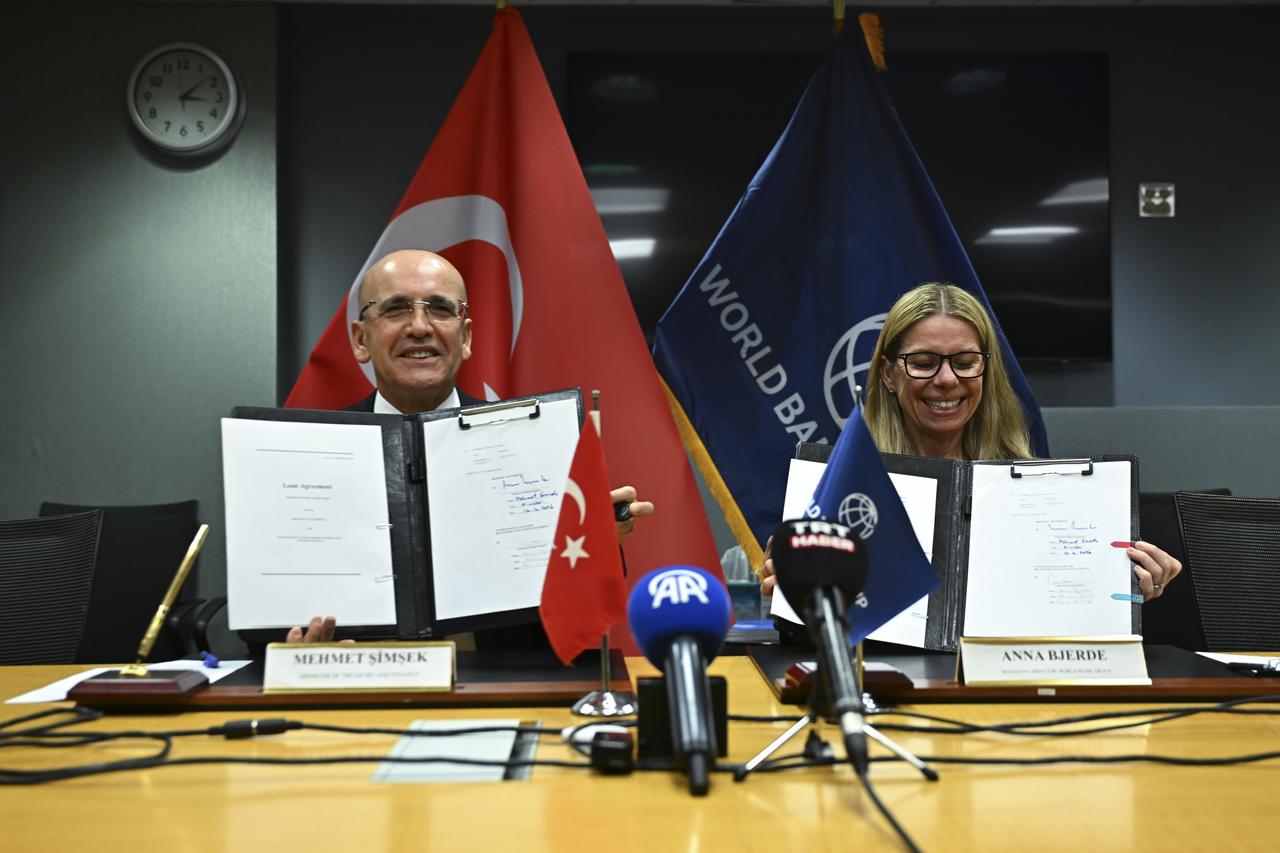
Türkiye has sealed a €1.67 billion ($1.9 billion) financing agreement with the World Bank to build a major railway line linking Europe and Asia through Istanbul in one of the institution’s largest-ever project approvals.
The deal, signed in Washington during the IMF–World Bank Spring Meetings on Wednesday, sets in motion the Istanbul North Rail Crossing (INRAIL) project—a 127-kilometer (78.9 miles) electrified line designed to bypass the city’s dense urban core.
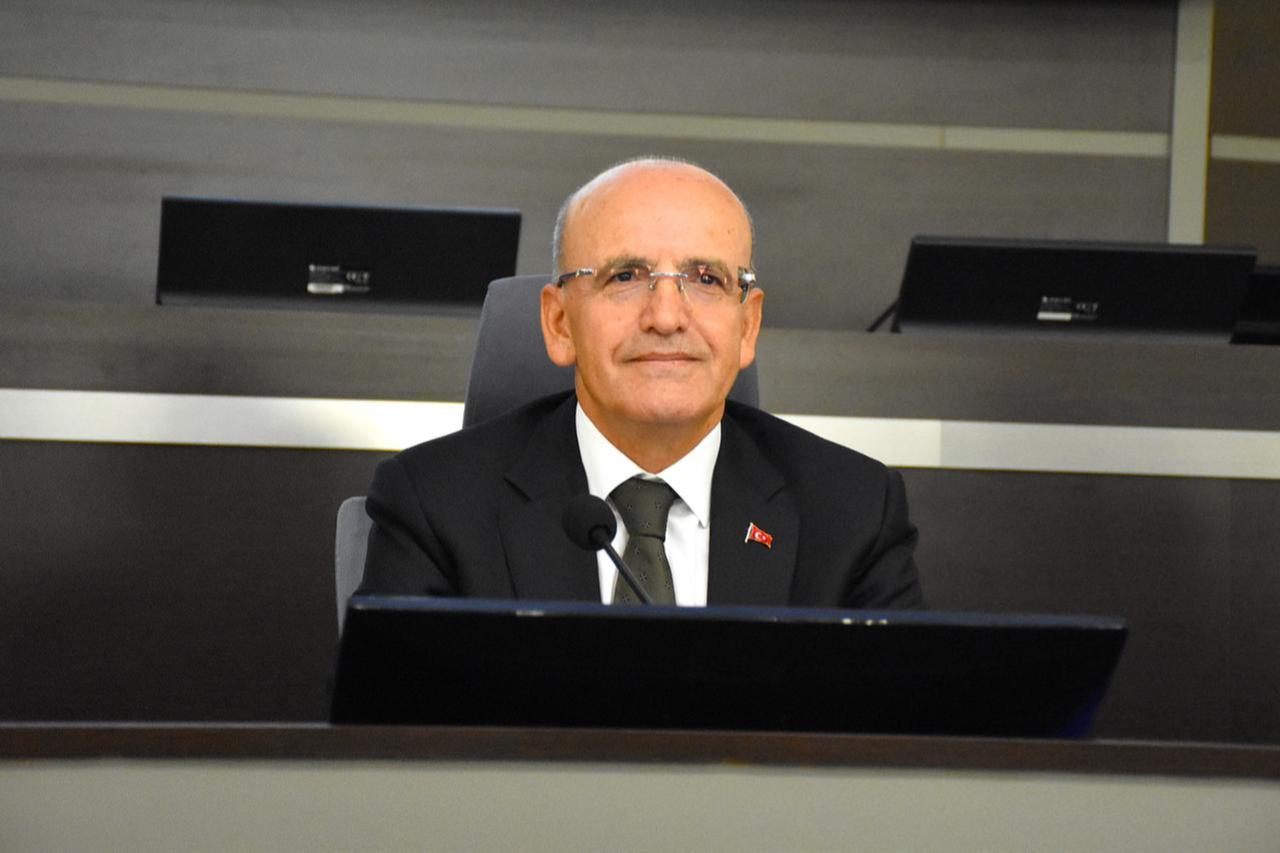
Treasury and Finance Minister Mehmet Simsek described the agreement as the third-largest project the World Bank has approved, noting that total financing for INRAIL reaches $8.1 billion, with about 83% sourced from international institutions.
Simsek emphasized that the initiative will dismantle one of the most critical bottlenecks along the so-called Middle Corridor — a trade route connecting Beijing to London in approximately 18 days.
"INRAIL is more than an ordinary railway connection," he noted, pointing to its broader economic role. He also pointed out that the construction and operation phases are expected to generate higher-income employment for over 400,000 workers.
Anna Bjerde, the World Bank’s managing director of operations, indicated the project will deepen Türkiye’s links with Europe, Asia and the Middle East while reinforcing global trade flows. She added that its effects will ripple across multiple sectors, including manufacturing, agriculture and services.

The railway will traverse the Bosphorus via the Yavuz Sultan Selim Bridge, forming a high-capacity corridor intended to streamline both freight and passenger movement between continents.
Once completed, the line is expected to lift annual rail freight capacity across the Bosphorus from 3 million tons to 50 million tons, sharply expanding Türkiye’s logistics throughput.
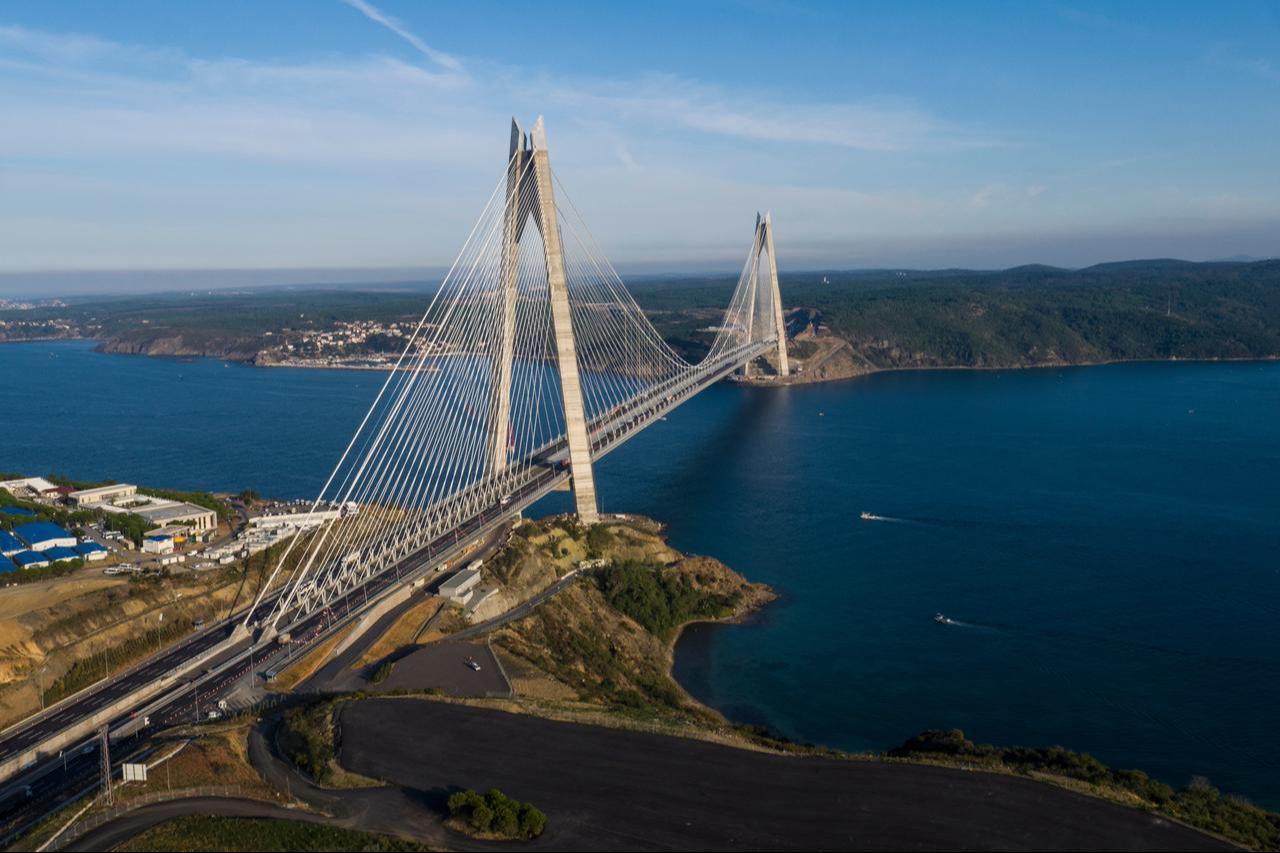
The project is designed to cut transport costs, directly link Istanbul’s two airports, integrate them into the national rail network, and serve as a crucial part of the EU–Türkiye trade link.
Türkiye has drawn $355 billion in transport infrastructure investment over the past two decades, with $180 billion directed toward road projects alongside major airport expansions.


 Set as preferred source
 Set as preferred source


 1 min read
 1 min read