Newsletters


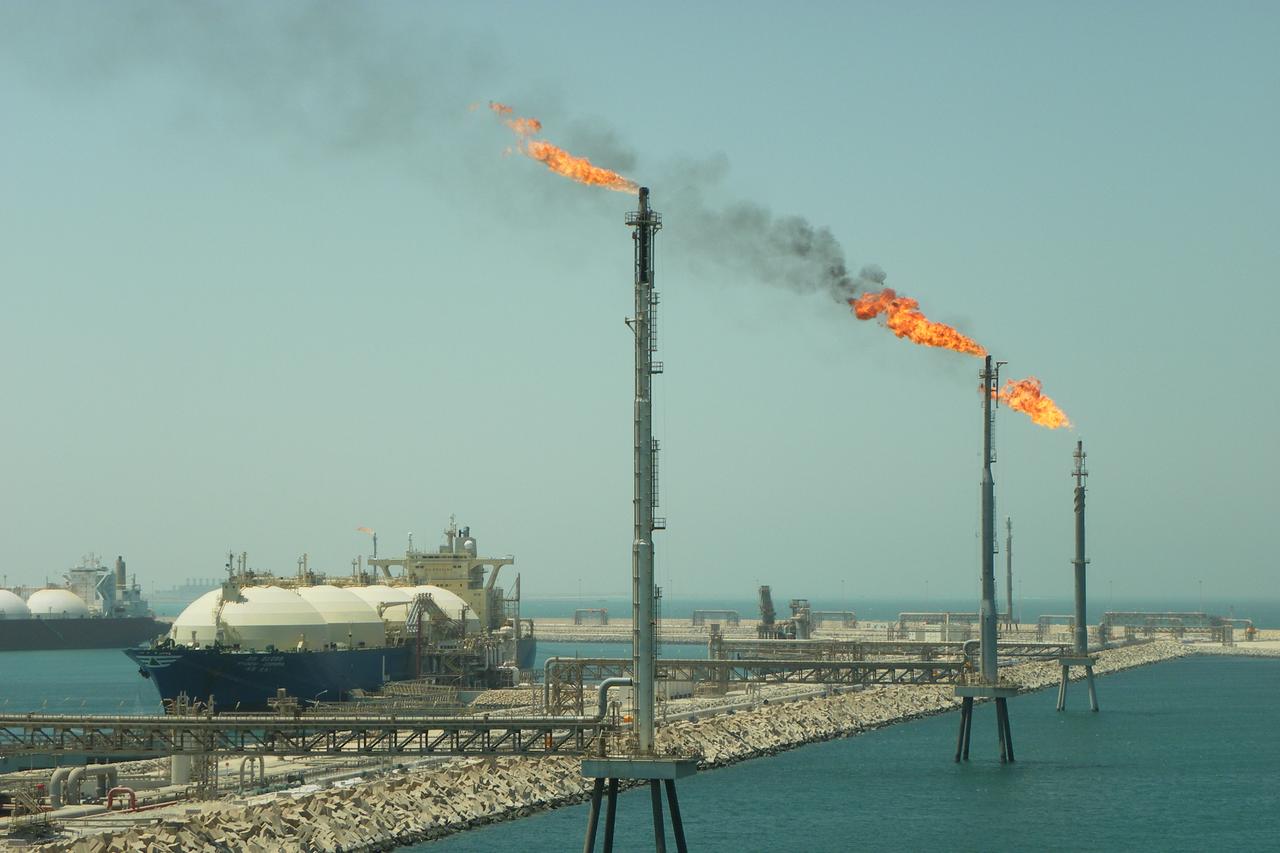


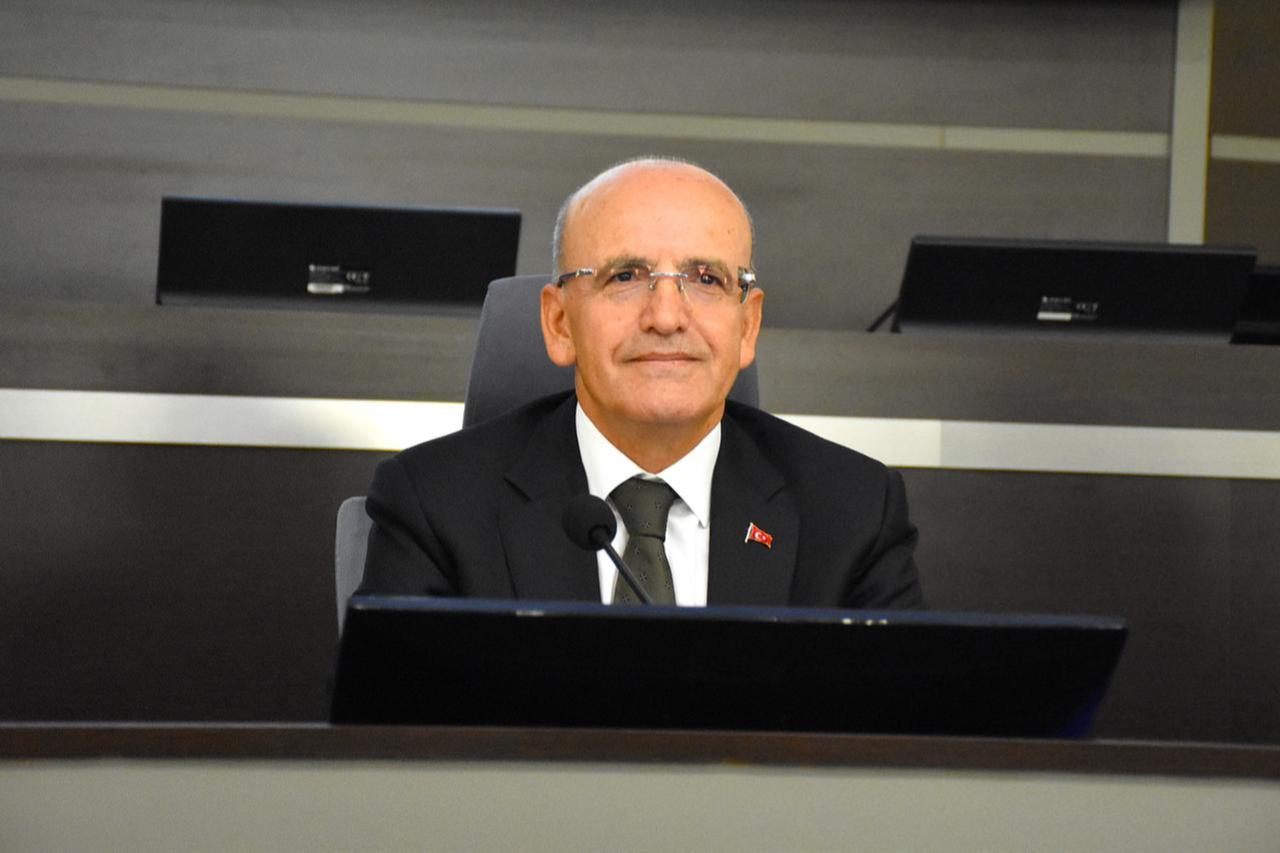
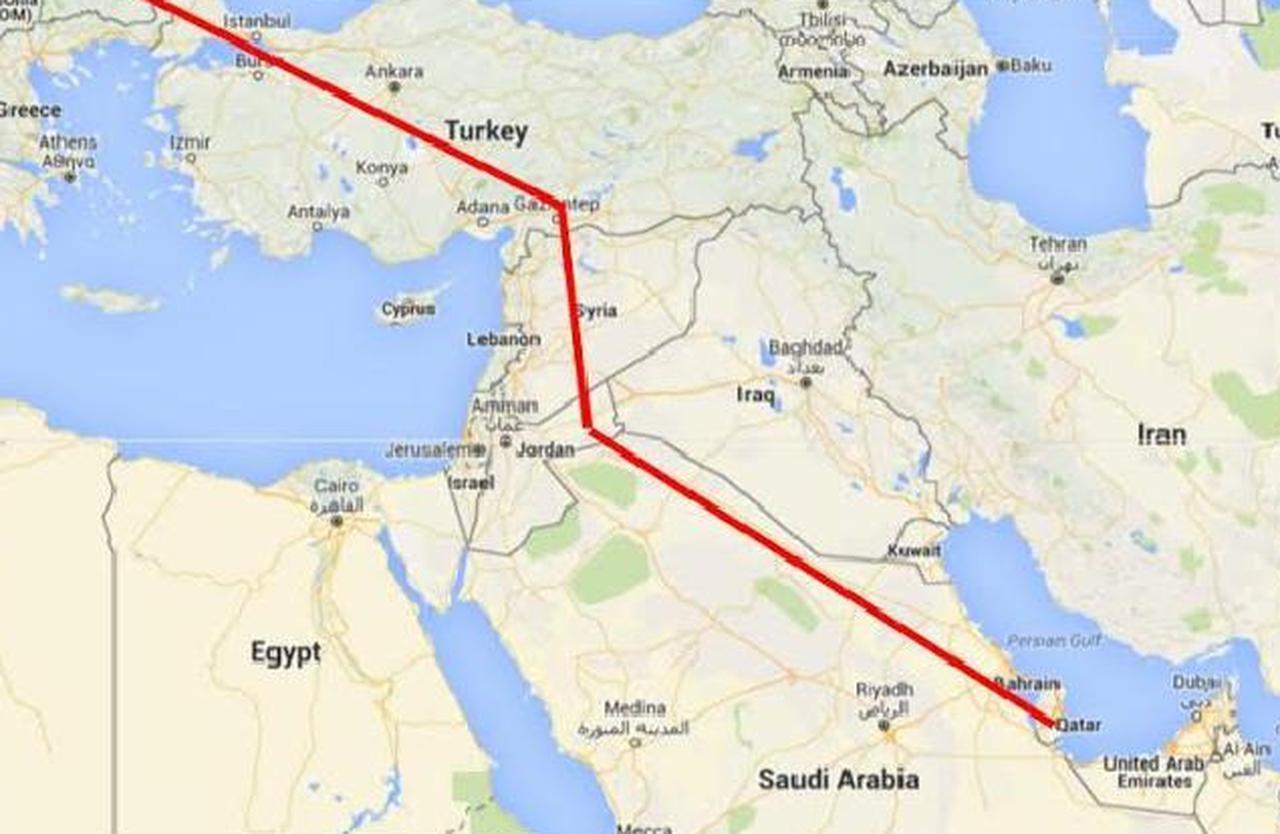
Türkiye's Energy and Natural Resources Minister Alparslan Bayraktar called on Qatar and European countries to show the political will needed to advance a long-proposed pipeline that would carry Qatari natural gas through Türkiye to Europe, creating an alternative supply route amid disruptions in the Strait of Hormuz.
"Let’s connect Qatar through a pipeline to an alternative exit route for its natural gas, bringing gas through Türkiye to Türkiye and Europe," Bayraktar said Wednesday during a televised interview.
Bayraktar said the pipeline would stretch about 2,000-2,200 kilometers, with financing, technical planning and construction still to be worked out. But he stressed that the countries involved must first have confidence in the initiative as they look for new ways to secure energy supplies.
"Everyone is looking for an alternative. I see this period as a time when the crisis can turn into an opportunity and new projects can be brought to life as a result of this crisis."
Qatar first proposed a pipeline to Türkiye in 2009, when Doha was looking to expand exports from the giant North Field gas field.
At the time, the proposed pipeline was also discussed as a potential supplier for Nabucco, a planned 3,300-kilometer pipeline designed to carry non-Russian gas through Türkiye to Central Europe and reduce Europe's dependence on Russian supplies.
One version of the planned route would have crossed Syria, but the government under Bashar Assad opposed the arrangement. The proposal resurfaced after Assad’s regime was overthrown in December 2024.
The Nabucco project was eventually abandoned after failing to secure sufficient gas supplies and commercial backing. It was followed by the Southern Gas Corridor, with TANAP carrying Azerbaijani gas across Türkiye and TAP extending the route through Greece and Albania into Italy.
The two pipelines entered commercial operation in 2020 and now form a key route for Azerbaijani gas to European markets, with TANAP carrying 10 billion cubic meters (bcm) a year to Europe and TAP initially designed to transport about 10 bcm annually, with capacity expandable to 20 bcm.
"There needed to be political will and a political stance to build TANAP and TAP," Bayraktar highlighted. "This was put forward with the contributions of our President Recep Tayyip Erdogan, Azerbaijani President Ilham Aliyev and other countries, with the support of the European Union."

The International Energy Agency (IEA) estimates that about 93% of Qatar's LNG exports transit the Strait of Hormuz, with no alternative routes currently capable of supplying Qatari LNG to global markets. The disruption has been in place since the war in the Middle East began in late February, according to the IEA.
Qatar exported more than 112 billion cubic meters of LNG in 2025, making it the world's second-largest LNG exporter.
As the disruption continues to weigh on supplies, Dutch TTF gas futures, Europe's benchmark, climbed to around €79.2 ($92.2) per megawatt-hour on Wednesday, their highest level since late 2022, reflecting pressure from Europe's dwindling gas storage levels.
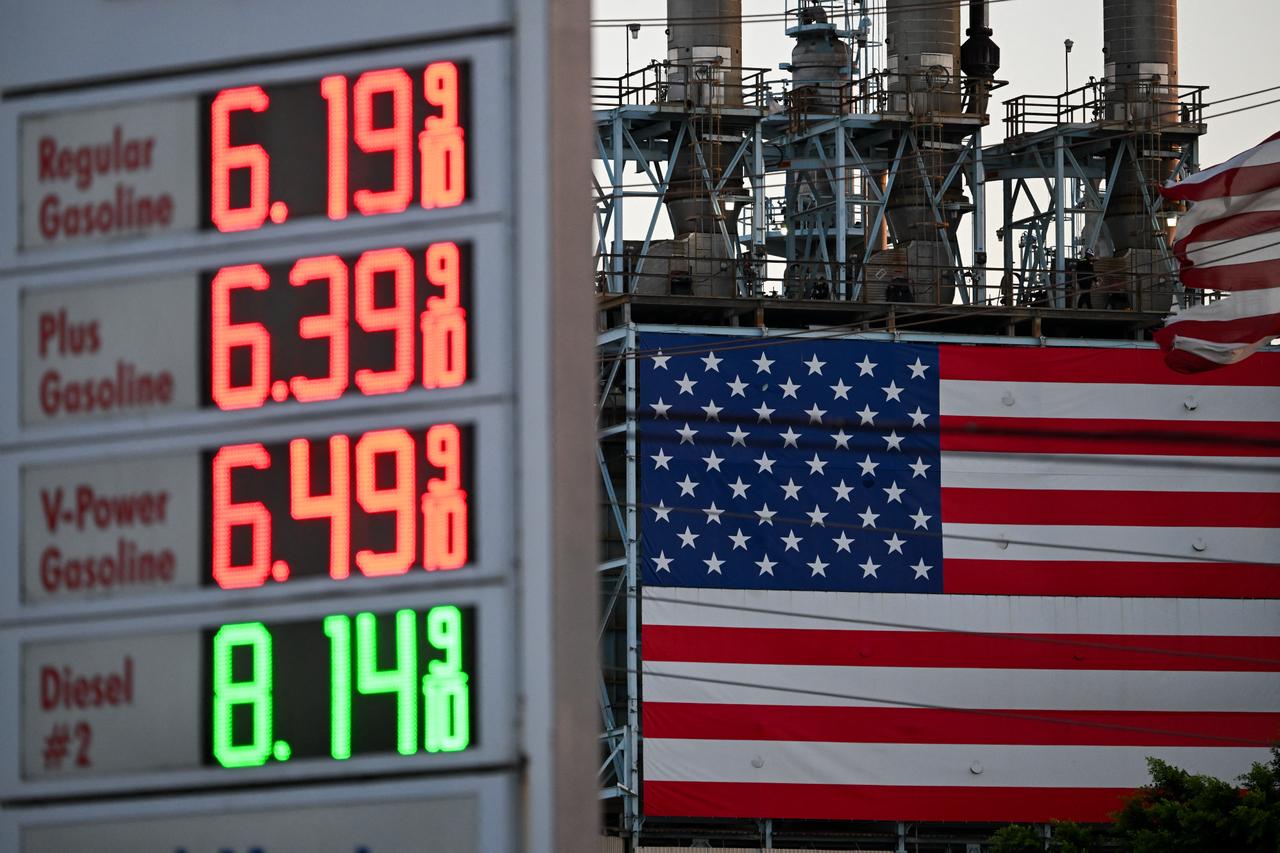
Meanwhile, oil prices edged higher on Wednesday, with international benchmark Brent crude rising above $100 a barrel again for the first time since July, as elevated tensions around the Strait of Hormuz, which normally handles about a fifth of the world's oil flows, continued to fuel concerns over global supplies.
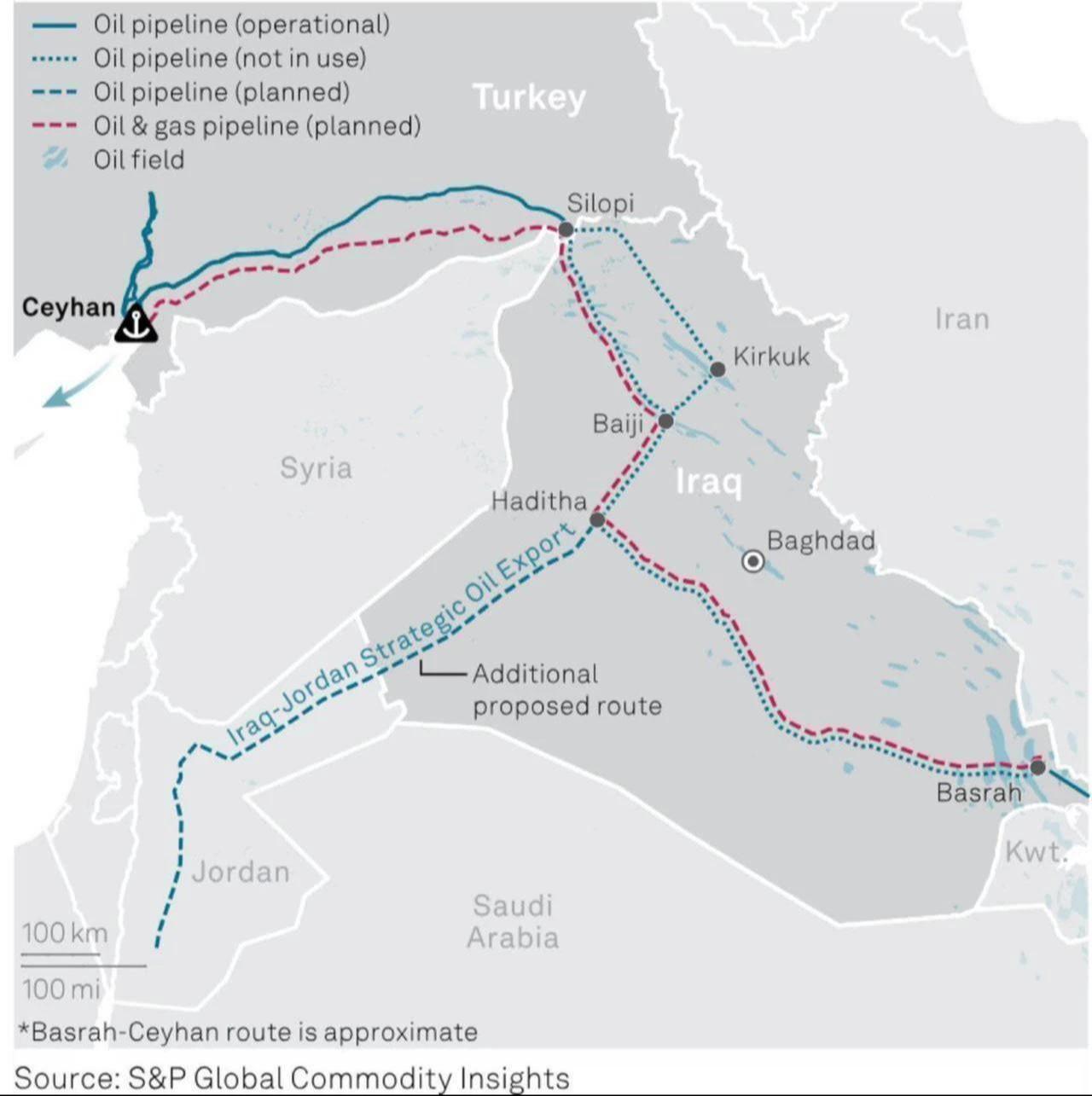
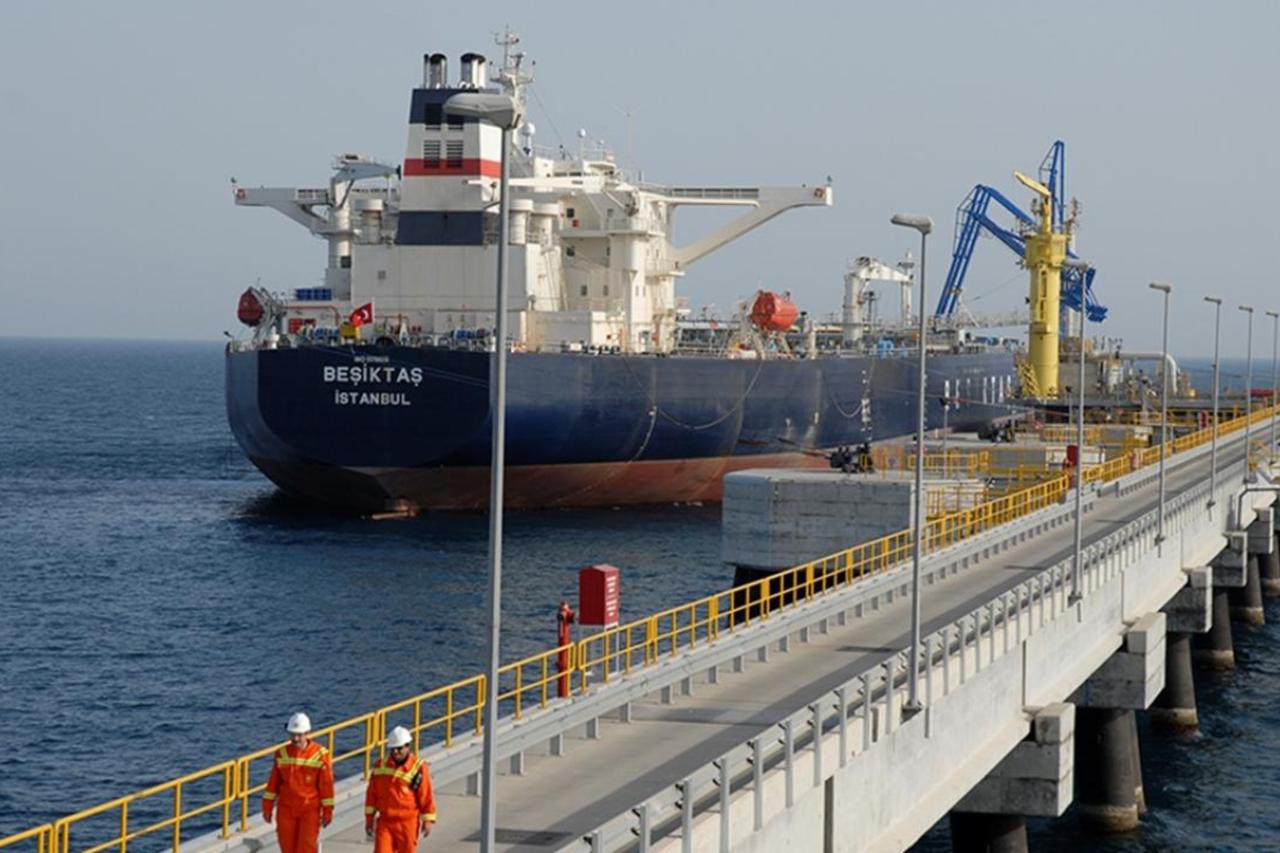
Addressing the strain on regional oil supplies, Bayraktar also outlined plans to use Türkiye's existing oil infrastructure to bring Iraqi and Kuwaiti crude to European markets, with Ceyhan positioned as a potential regional oil hub.
The proposal builds on an August deal giving Iraq access to 750,000 barrels per day through the Iraq-Türkiye pipeline, with Ankara seeking to use its full 1.5 million-barrel-a-day capacity under a broader long-term framework.
"Five million barrels, let's target 50%. Half of 5 million barrels, 2.5 million barrels, can easily go to Europe through Türkiye," Bayraktar said, referring to a combined 5 million barrels of Iraqi and Kuwaiti oil.
He said Ceyhan could have the potential to reach 2 million-2.5 million barrels per day if additional supplies are secured, while storage, refining and petrochemical facilities could be combined at the site to create a broader value chain for Iraq and other regional producers.
Bayraktar also said Türkiye is nearing the start of electricity generation at the first reactor of the Akkuyu nuclear power plant, where testing is underway.
"We are now nearing the end in terms of electricity generation from the first reactor at Akkuyu," he said. "We are currently in the testing phase. Our goal is to begin the plant’s physical operation by the end of this year."
Türkiye is also continuing talks over planned nuclear plants in Sinop and Thrace, with negotiations with Canada moving quickly in recent months. "The Sinop site is somewhat more ready, but essentially our priority in electricity is Thrace," Bayraktar said, adding that site work was continuing there.
Türkiye is also holding talks with China, Russia and South Korea over the projects, he said.
Bayraktar also outlined plans to double Black Sea gas production by the end of the year and quadruple output by 2028, when annual production is expected to reach 16-17 billion cubic meters, compared with 20-22 bcm of gas imported from Russia.
The increase would raise supplies from enough to serve 4 million households to 8 million this year, with 2028 output reaching about 80% of the volume Türkiye currently receives from Russia.
Türkiye is also expanding its exploration program, with its deep-sea drilling fleet now at six vessels. One is operating in Somalia, while another is drilling in the western, central and eastern Black Sea as Türkiye develops existing fields and searches for new reserves.
A new oil-targeted well is also planned in the Western Black Sea in the coming days, Bayraktar added.
Türkiye also plans to expand cross-border electricity links with Azerbaijan, Georgia and the Central Asian Turkic states, while increasing interconnection capacity with neighbors including Bulgaria and Greece.
The plans come as Türkiye expects electricity demand to rise with urbanization, economic growth and the expansion of artificial intelligence, electric vehicles and cooling, as well as potential demand from desalination.


 Set as preferred source
 Set as preferred source


 1 min read
 1 min read