Newsletters


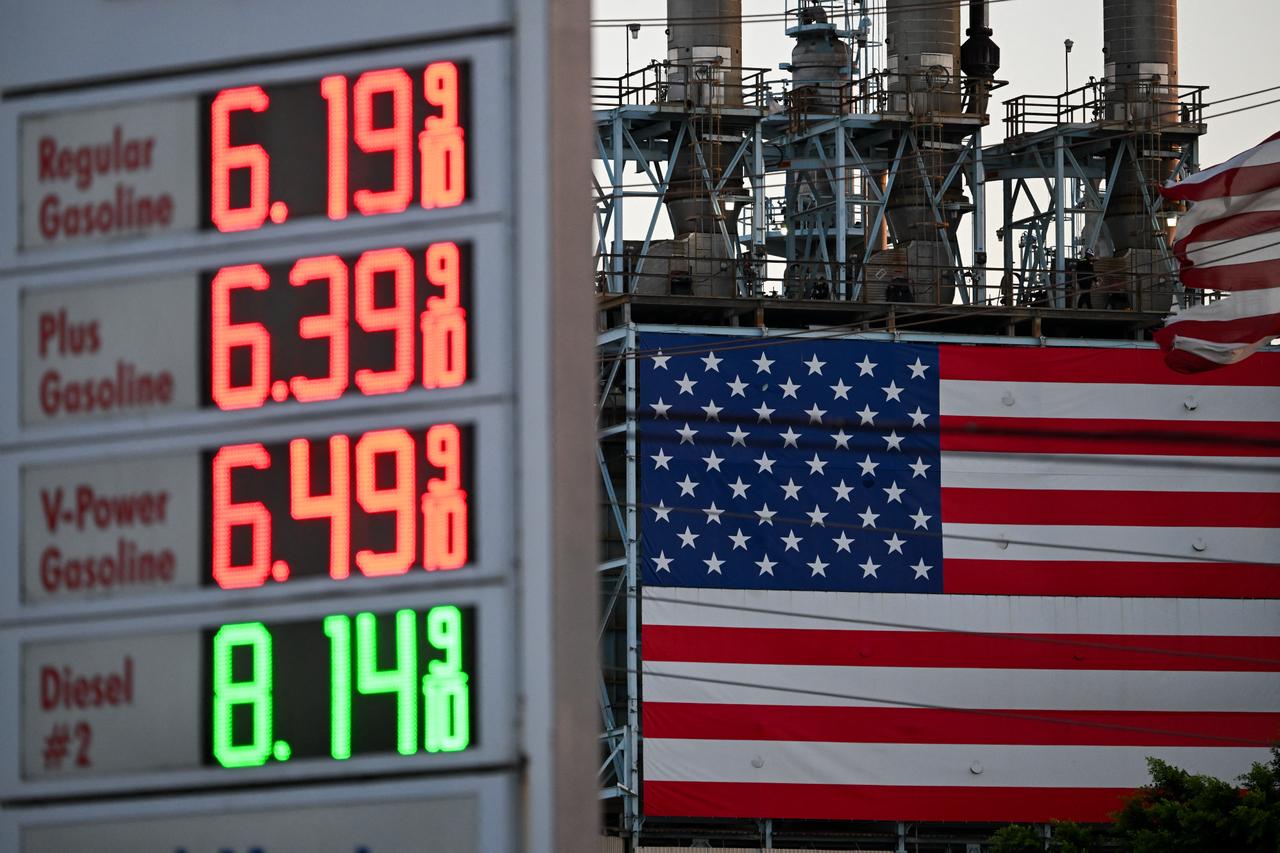
Oil prices surged more than 2%, with international benchmark Brent crude rising above $100 a barrel for the first time since July as U.S.-Iran strikes on oil tankers around the Strait of Hormuz fuel fears of further disruptions to global supplies.
U.S. benchmark West Texas Intermediate crude October futures stood at $94.6 a barrel at the same time as of 8 a.m. GMT. European natural gas prices also moved sharply higher, with Dutch TTF prices rising 3.9% to €78.8 ($91.7) per megawatt-hour, their highest level since December 2022.
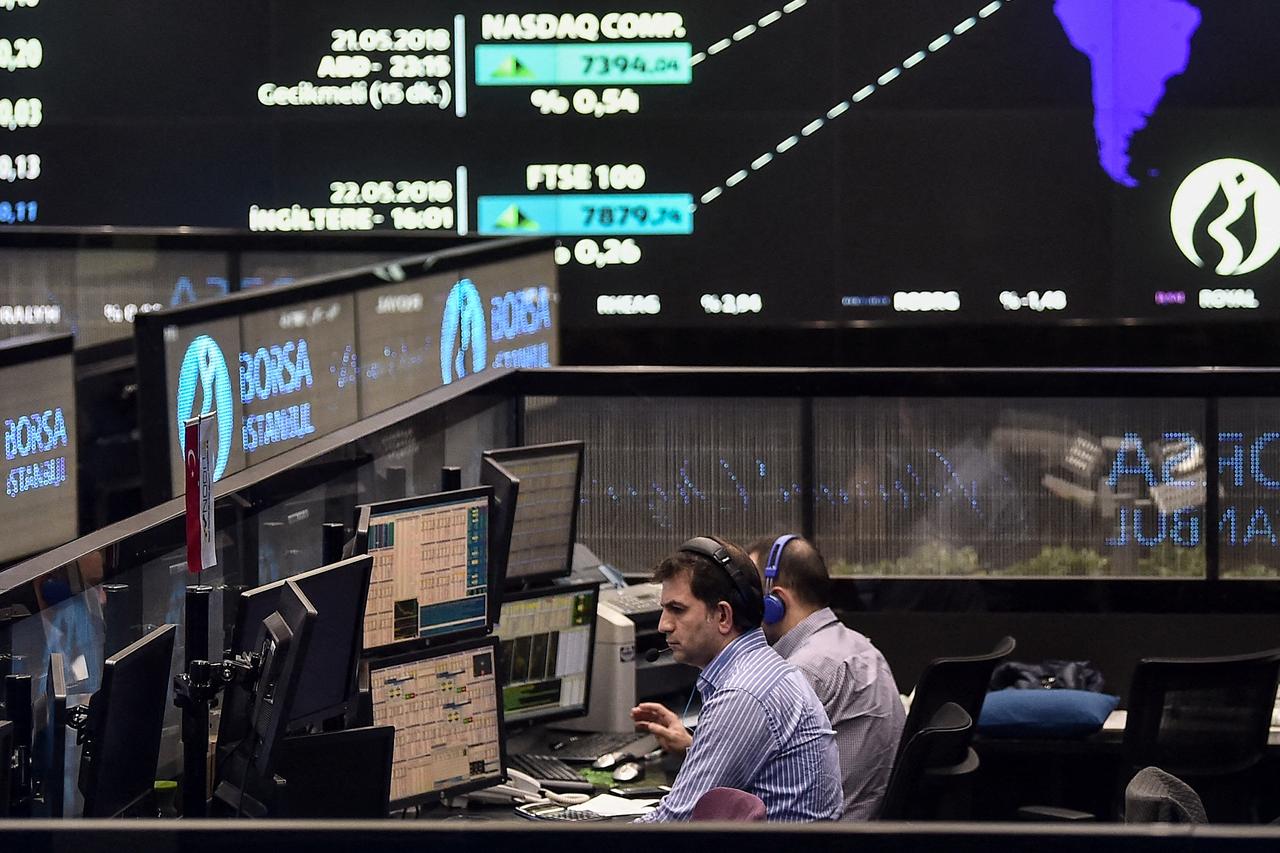
On equities, Asian markets were mixed, with Japan’s Nikkei 225 gaining 0.2%, South Korea’s Kospi rising 1.4% and China’s Shanghai Composite adding 0.3%, while Hong Kong’s Hang Seng fell 0.2%.
European stocks came under pressure after the open, with the Stoxx Europe 600 down 0.5%. Germany’s DAX 30 declined 0.5%, the U.K.’s FTSE 100 fell 0.4%, France’s CAC 40 dropped 0.7% and Spain’s IBEX 35 lost 0.9%. U.S. stock futures were mixed, while tech-heavy Nasdaq futures rose 0.1%.
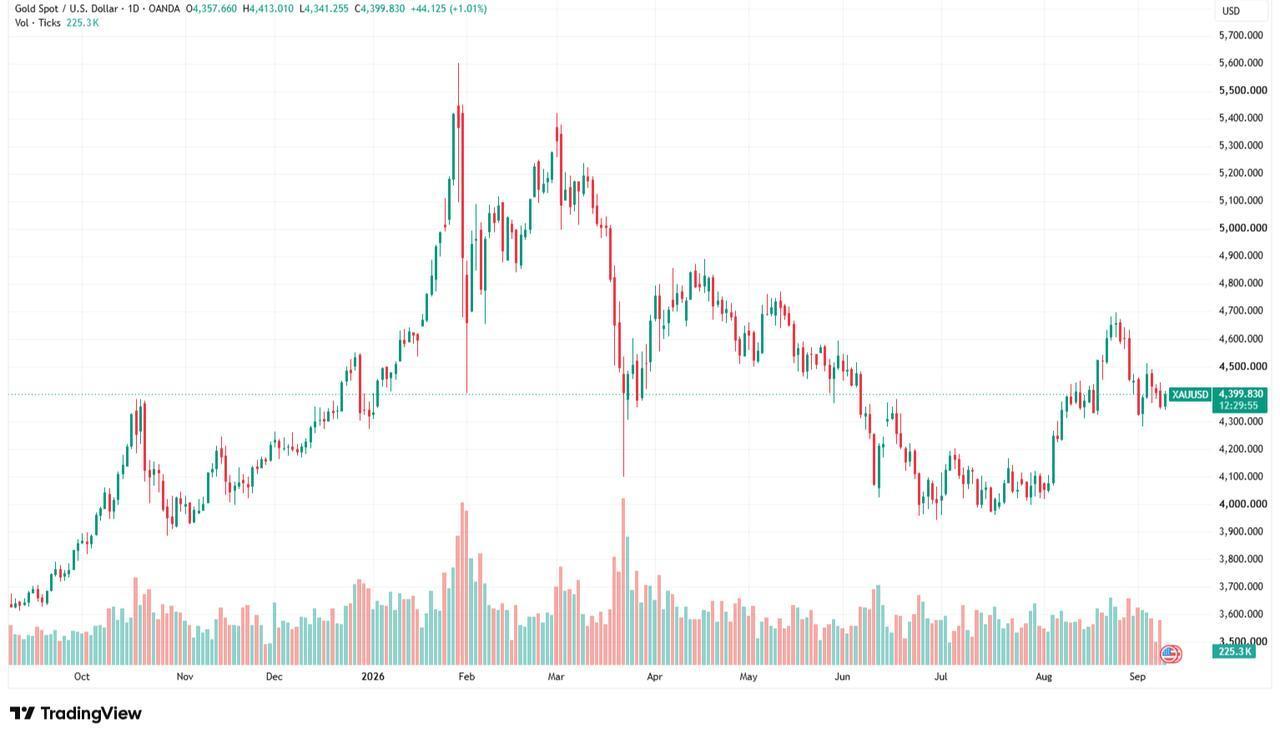
Gold gained more than 1% to $4,400, while silver rose 1.5% to $66.8 an ounce. Palladium advanced 0.8% to around $1,350, and platinum gained 2.1% to $1,850 an ounce.
Bitcoin climbed 1.6% to $79,500, while Ethereum rose around 2% to $2,520. Total cryptocurrency market capitalization increased 1% to $2.7 trillion.

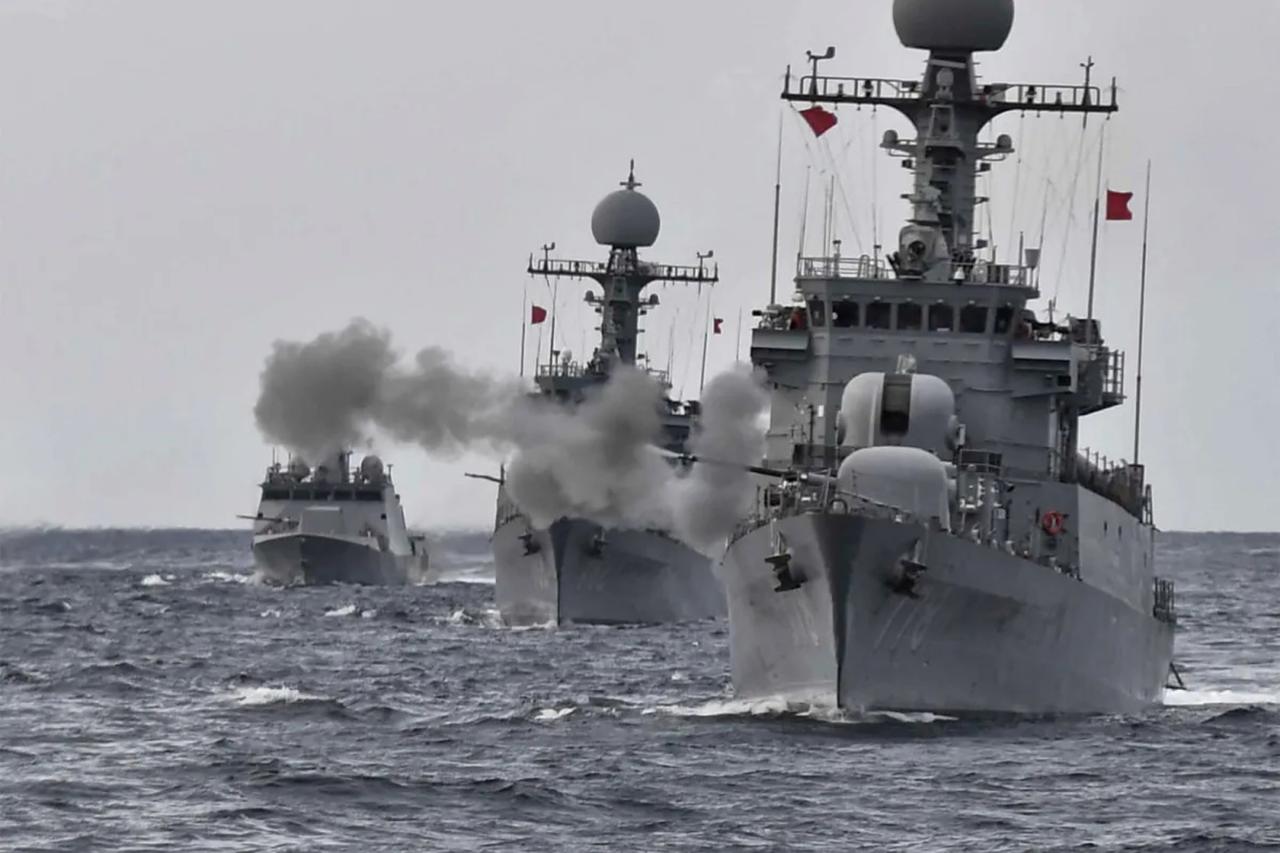
Iran’s Islamic Revolutionary Guard Corps (IRGC) reported early Wednesday that it targeted two U.S. vessels, eight oil tankers and 10 other ships near the Strait of Hormuz in retaliation for U.S. attacks on five Iranian tankers.
The retaliation came after the U.S. military destroyed five Iranian crude carriers in the Gulf of Oman and near Kharg Island, following two reported IRGC attempts to strike a U.S. Navy warship with ballistic missiles.
Iran also launched ballistic missiles toward a U.S.-used military base in Jordan. The IRGC claimed the Al Azraq base and facilities used by U.S. fighter aircraft were hit, while Jordan said its air defenses intercepted 18 of 20 missiles.
The escalation came as Iran-backed Houthi forces expanded attacks on Saudi Arabia, reporting strikes with dozens of missiles and drones on Aramco facilities and Khamis Mushait Air Base. The strikes hit Jazan, home to a 400,000-barrel-per-day refinery, and triggered fires and temporary disruptions at several energy facilities, adding to concerns over regional energy supplies.
Rising energy costs are adding to global inflationary pressures, raising the prospect of tighter monetary policy from major central banks and weighing on investor appetite for risk as fixed-income assets become more attractive.


 Set as preferred source
 Set as preferred source


 1 min read
 1 min read