Newsletters


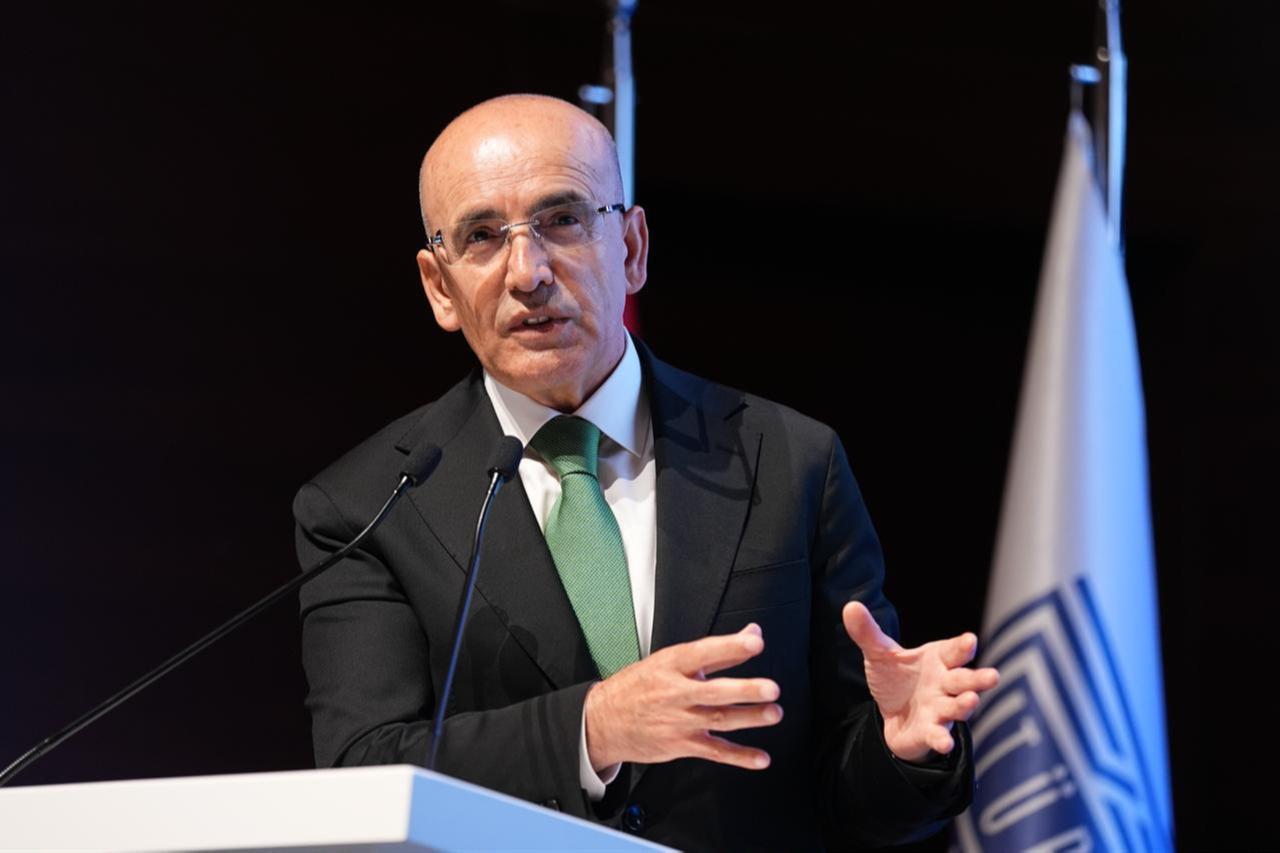


Türkiye's Treasury and Finance Minister Mehmet Simsek described global index provider MSCI's latest warning over Borsa Istanbul as constructive on Tuesday, while pledging tougher penalties for market manipulation and tighter oversight of the country's capital markets.
Speaking in a live broadcast, Simsek said authorities were working to recover assets linked to suspected market abuse, speed up the liquidation of troubled investment funds, and introduce further safeguards against irregular trading.
"MSCI's statement is quite constructive. The requests are extremely reasonable," Simsek said, adding that the time given to address the concerns was also positive. He pledged to tackle the issues raised by the index provider, stressing that the effectiveness of the new rules would be critical.
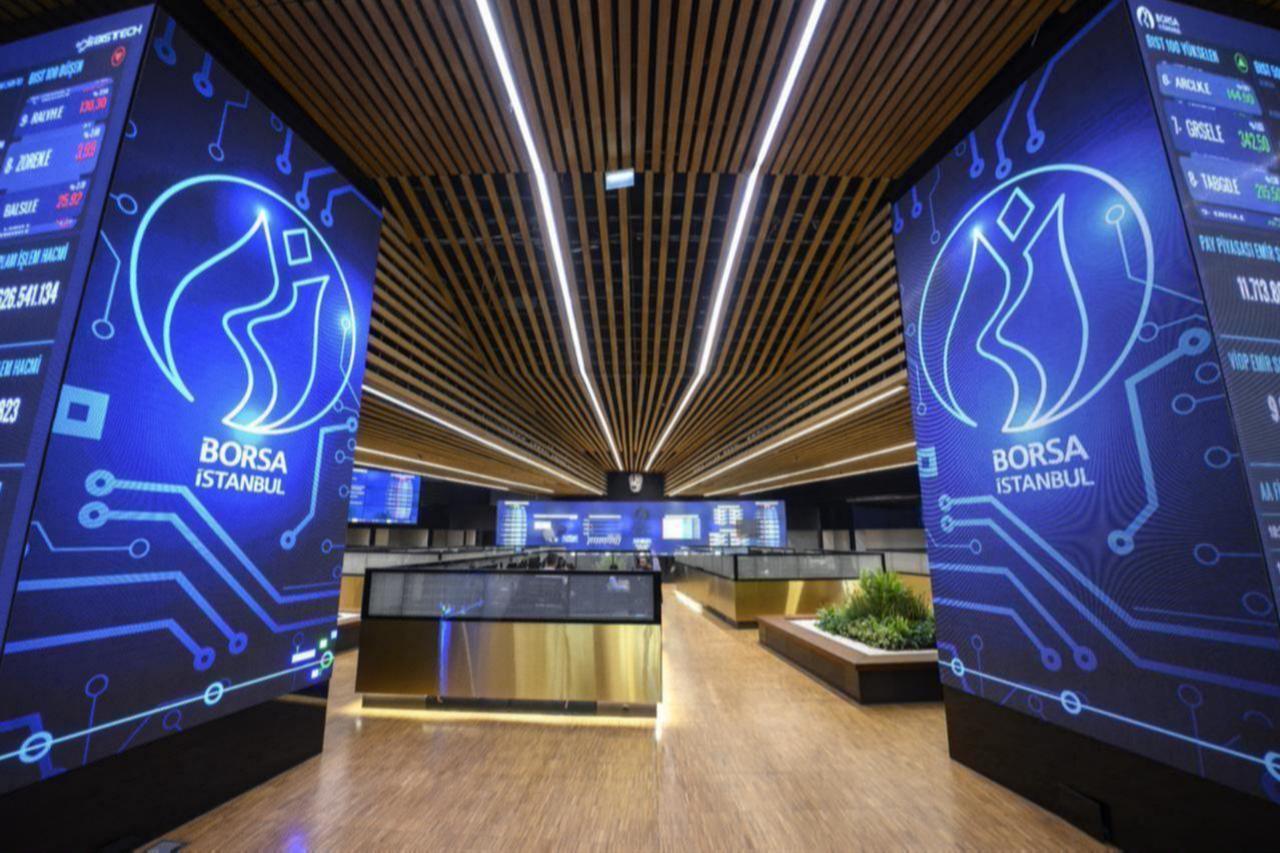
The remarks follow MSCI's decision to freeze certain changes to its Türkiye indexes while assessing market reforms, warning it could downgrade the country from emerging-market status by June 2027 if progress falls short.
The benchmark BIST 100 recovered some of Monday's 2.5% loss, rising 1.8% at its intraday high as Simsek's remarks offered some relief over concerns about market transparency and coordinated trading.
Simsek said 66 of the 131 funds placed into liquidation after September's market rout had been fully wound up, while three of the seven affected portfolio management companies had completed liquidation.
Authorities have paid ₺40.8 billion ($823 million) into 45,747 accounts. Money market fund investors at the three companies received an additional average return of 1.43% compared with their portfolio values on Sept. 17, while equity-heavy fund investors recovered about 58% of their portfolio values, reflecting declines in inflated share prices, Simsek said.
The process is split into ordinary and extraordinary liquidation, depending on companies' financial conditions. Hedef Portfolio Management, which has 31 funds, including four money market funds, is set for ordinary liquidation, while Tera, Pusula and Atlas remain under extraordinary liquidation.
Simsek pledged tougher penalties for market manipulation, coordinated trading and insider dealing, alongside stronger regulatory oversight and additional staffing. The Finance Ministry could transfer several hundred experienced tax inspectors to regulatory bodies through legislation, he said, noting that it has more than 7,100 inspectors.
The government is also preparing further reforms following amendments to the Capital Markets Board's (CMB) Fund Guide in late August. The changes tighten fund valuation rules, improve disclosure of free-float ratios and target coordinated trading strategies that exploit inflated share prices and limited publicly available shares.
"The Fund Guide was an important step, but it is not enough. We are working on further regulations," Simsek said, adding that its implementation would not be delayed.
Officials are reviewing whether free investment funds should remain available to retail investors through Türkiye's electronic fund trading platform (TEFAS), and considering independent verification of disclosed free-float ratios.
Simsek said the government would consult industry representatives while avoiding excessive regulation, aiming to prevent similar market disruptions without undermining capital markets' role in financing the economy.


The minister ruled out using public resources to cover losses from the fund turmoil, while pledging continued support for businesses if liquidity pressures spread to the real economy.
Banks' direct exposure to risky funds stands at ₺1.3 billion, compared with total banking assets of ₺56 trillion, Simsek said, describing the risk as negligible.
Net outflows from the affected funds have reached ₺647 billion, roughly half from foreign investors. Much of the money has shifted into bank deposits, which rose by ₺685 billion between Sept. 17 and the time of the interview.
The Credit Guarantee Fund could establish a corporate bond lending framework using its own resources, without Treasury guarantees or public funding. The market is worth approximately ₺1 trillion, with ₺26.5 billion due to mature by year-end.
The government has also raised the credit growth limit for small and medium-sized enterprises from 4.5% to 5% and enabled the Industry Ministry to provide ₺250 billion in subsidized loans to manufacturing SMEs.
Simsek argued that foreign investors' retreat from Turkish equities reflects broader global pressures, including expectations of further Federal Reserve rate increases, oil prices returning to $107 a barrel and global interest rates reaching a 25-year high.
"You cannot consider foreign outflows from the stock market independently of developments around the world," he said, pointing to declines in Egypt and South Korea despite the absence of a similar fund crisis.
Simsek maintained that Türkiye's capital markets would emerge from the turmoil in better shape, arguing that the country's $1.8 trillion economy could not rely on banks alone for financing.
"At least 30%-40% of financing needs to be met through capital markets," he said, adding that the government would continue supporting businesses and pursuing reforms while recovering assets linked to suspected market abuse.


 Set as preferred source
 Set as preferred source


 2 min read

 1 min read