Newsletters


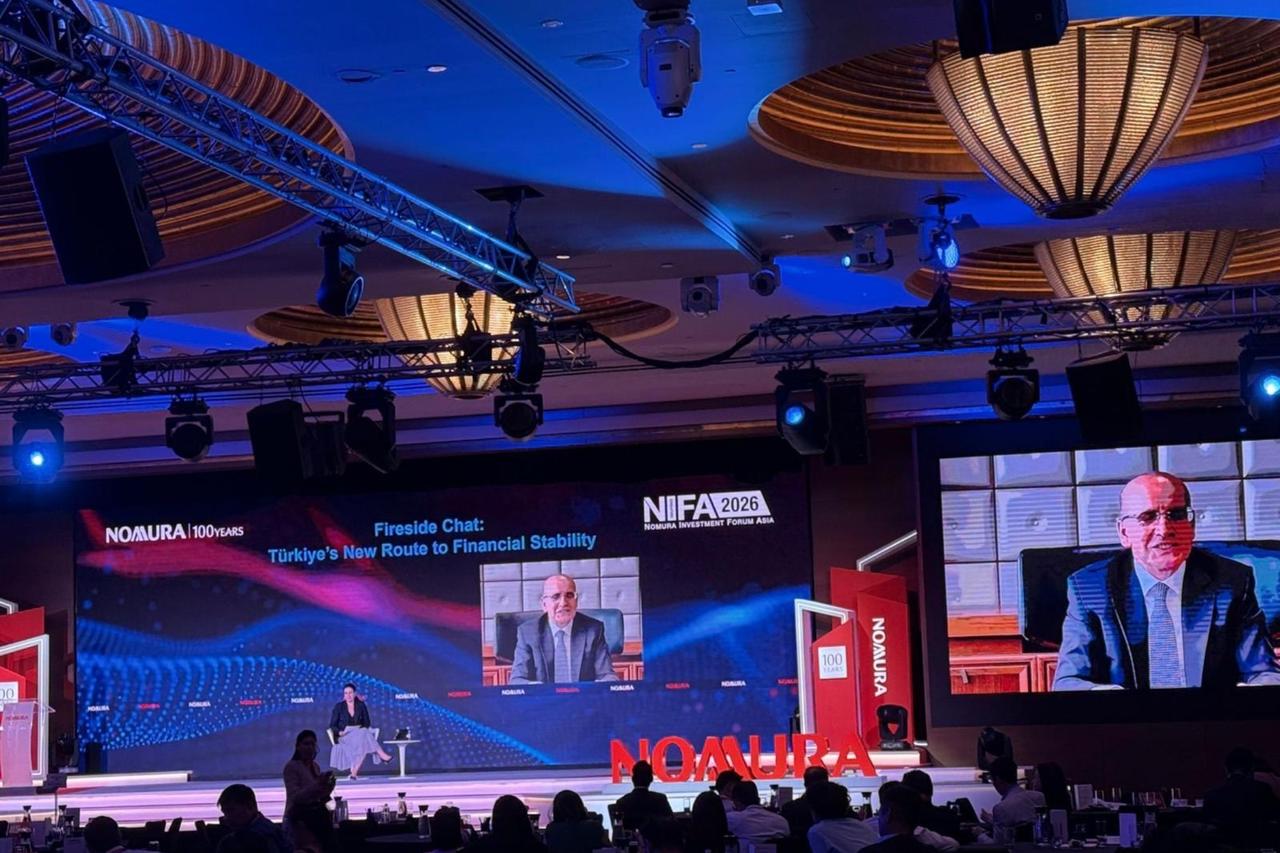


Türkiye's Treasury and Finance Minister Mehmet Simsek presented the country's newly introduced investment incentive program during a meeting with Asian investors, highlighting that the country offers the world's longest non-dom regime.
Speaking virtually at the Nomura Investment Forum Asia 2026 on Wednesday, Simsek detailed a series of tax incentives and investment reforms that he said are designed to attract foreign direct investment, global talent and international capital to Türkiye.
In a post on X following the event, Simsek recapped the main points of his discussion with investors at the forum, arguing that global uncertainty and regional tensions are unlikely to derail the government's economic program.
"We live in a shock-prone world and a tough neighborhood," Simsek said, referring to the conditions after the outbreak of the Iran war. "Shocks may slow the pace of the program's delivery, but they are unlikely to change the direction of travel."
Rather than being sidelined by global turbulence, Türkiye is using the moment to strengthen its appeal to international businesses and professionals, Simsek emphasized. To "not waste the crisis," the government has introduced a comprehensive package aimed at drawing foreign direct investment, skilled workers and international capital.
A centerpiece of the program is a 20-year tax regime for foreign residents that exempts income earned outside Türkiye from taxation while taxing only income generated within the country, alongside a framework designed to encourage money and assets held abroad to be brought into the Turkish economy.
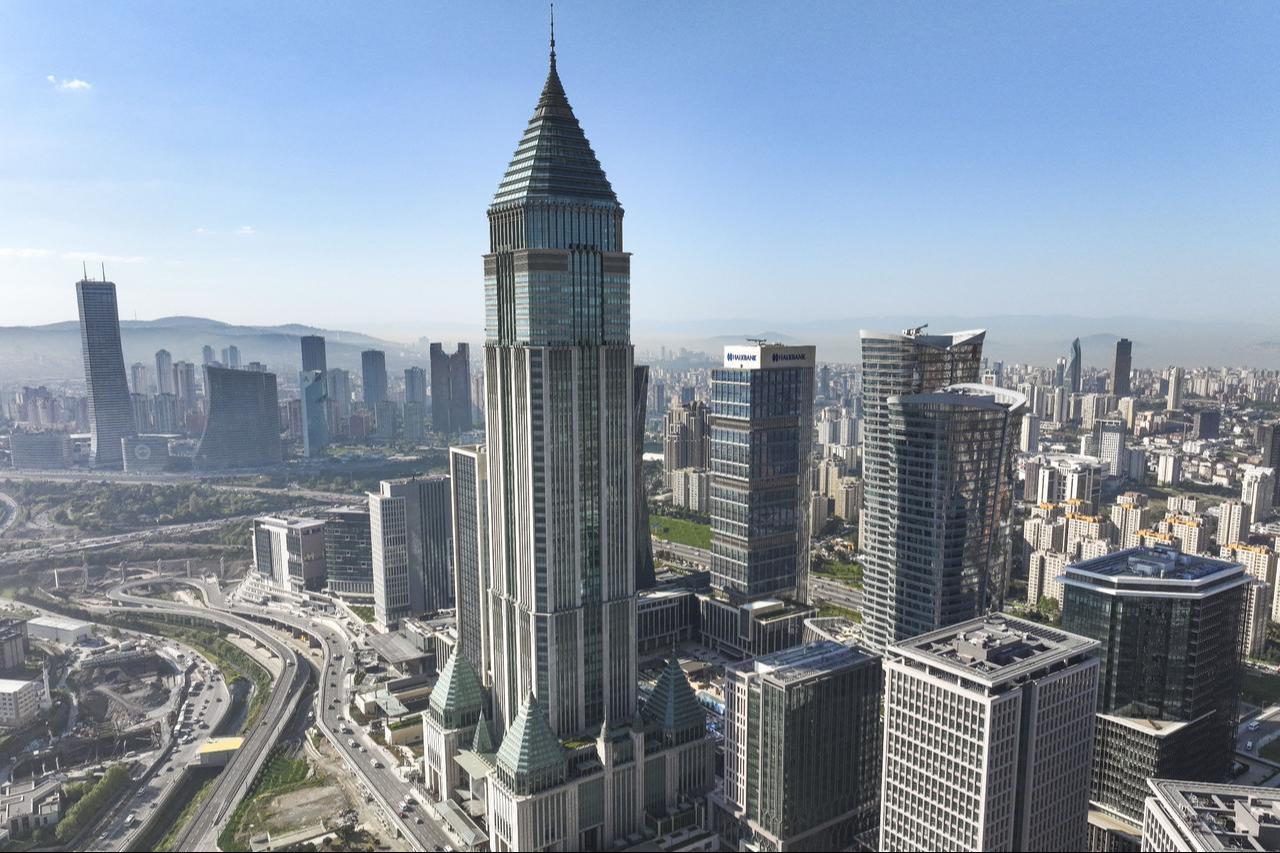
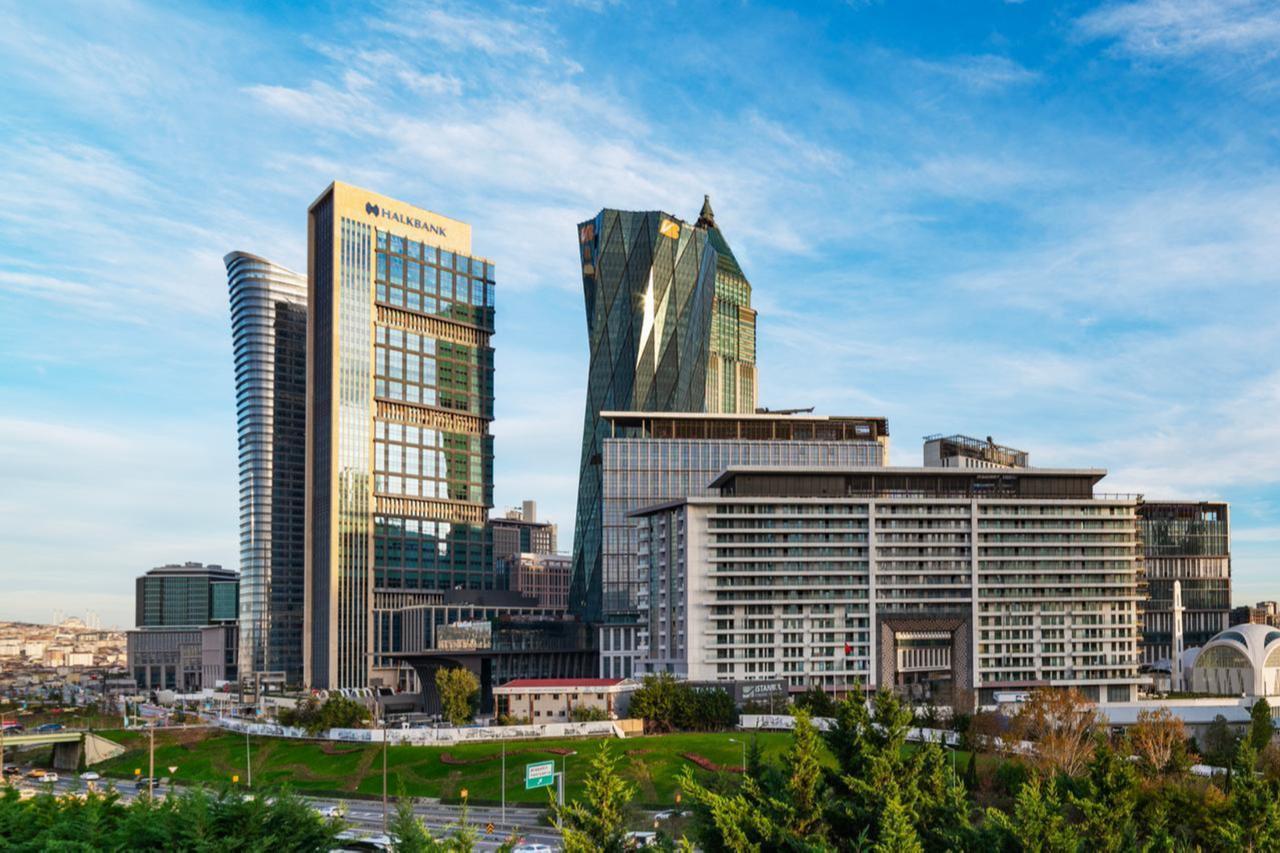
The framework also offers tax incentives for multinational companies, manufacturers, service exporters, transit trade operators and businesses operating in the Istanbul Financial Center (IFC).
It further includes startup-focused reforms, a one-stop investment office, and the planned Terminal Istanbul innovation hub, which aims to position Istanbul as a regional center for startups and technology companies.
The package officially entered into force on Thursday after being published in the Official Gazette, after clearing the Turkish Parliament.

Alongside the investment measures, Simsek reaffirmed the government's commitment to lowering inflation. "Even in a year of major shocks, inflation is expected to continue falling, and to end the year in the mid-twenties," Simsek contended.
The minister also pointed to improvements in public finances, noting that the budget deficit narrowed from 5.1% of gross domestic product in 2023 to 2.9% in 2025 as a result of spending controls, stronger tax compliance and better revenue collection.
Simsek also addressed the Turkish lira, stressing that authorities do not target a specific exchange-rate level.
"Confidence in the lira has strengthened significantly since the program began," he wrote, attributing the improvement to a tight monetary stance, effective macroprudential measures and a foreign-exchange reserve position that is "fundamentally stronger than in previous episodes of volatility."
Turning to external risks, Simsek noted that rising energy prices are likely to widen the current account deficit but argued that the impact remains manageable.
Despite recent geopolitical shocks, Simsek maintained that the government remains on track to meet its 2026 fiscal targets and keep the budget deficit below 3% of GDP over the medium term.


 Set as preferred source
 Set as preferred source


 2 min read
 1 min read