Newsletters


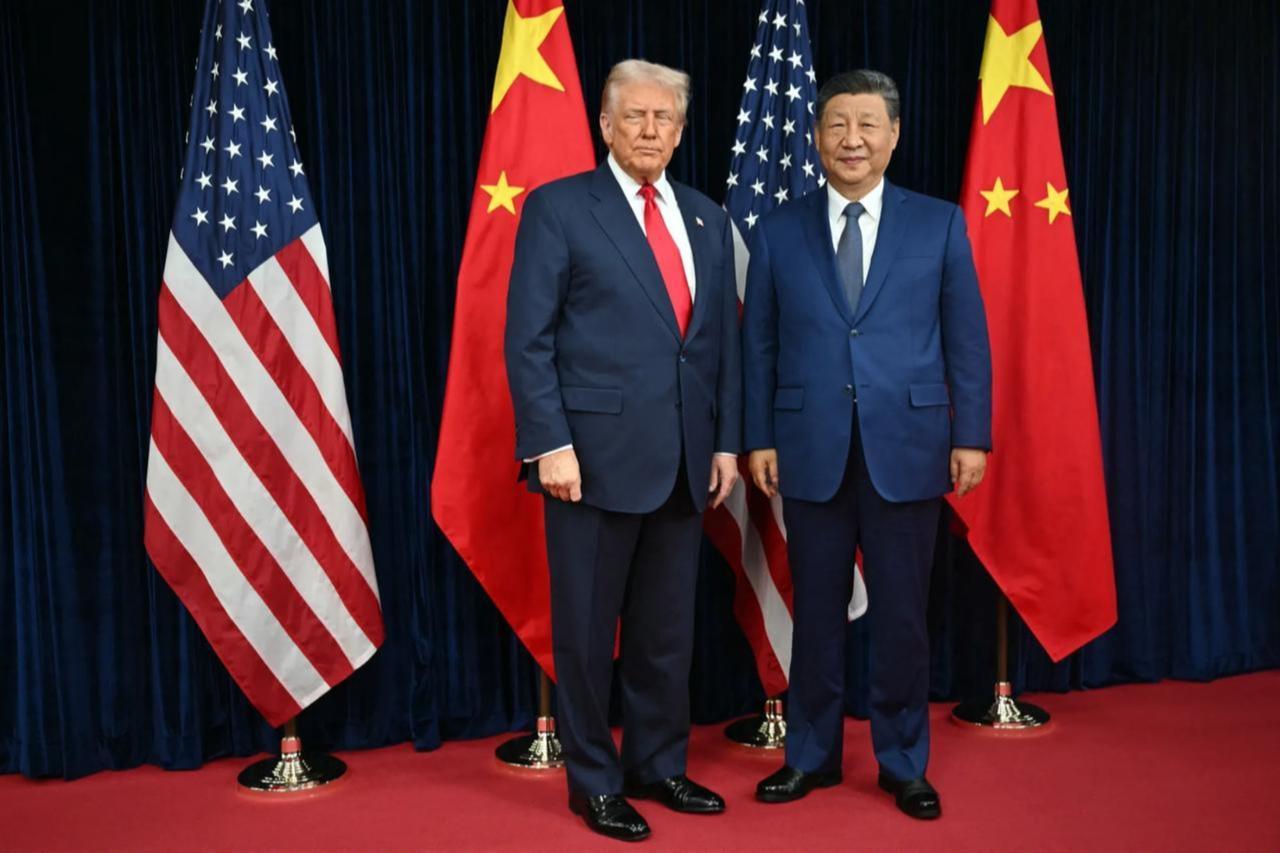


The U.S. and China agreed to extend their bilateral trade truce until Jan. 10, Treasury Secretary Scott Bessent said Wednesday, as both sides work toward a broader economic deal.
The deal, reached by U.S. President Donald Trump and Chinese President Xi Jinping in Busan, South Korea, in October 2025, was designed to ease economic tensions between the two countries and was set to expire Nov. 10.
Bessent told Fox News that he met Chinese Vice Premier He Lifeng for 12 hours on Sunday in New York. He said some issues remained unresolved and that the two sides were still assessing whether they could reach a more comprehensive agreement.
Bessent said Washington wants to see whether Beijing takes a more comprehensive and willing approach to implementing the agreement in the coming months. He also wrote on social media that he held extensive discussions with He in Washington on U.S-China economic relations ahead of the meeting between Trump and Xi.
"Our discussions continued to focus on securing meaningful commitments that protect American workers, farmers, and businesses while advancing U.S. economic and national security interests," Bessent noted.
The latest discussions also touch on artificial intelligence, with U.S. and Chinese officials working on a proposed mechanism to notify each other about AI-related incidents that could pose national security risks. The two countries are also discussing broader trade issues, including possible tariff reductions on non-sensitive goods.
The comments come as Xi begins a three-day state visit to Washington, where he is due to meet Trump at the White House on Thursday. Trade is expected to feature prominently in the summit, alongside discussions on AI, Taiwan and other areas of U.S-China relations.
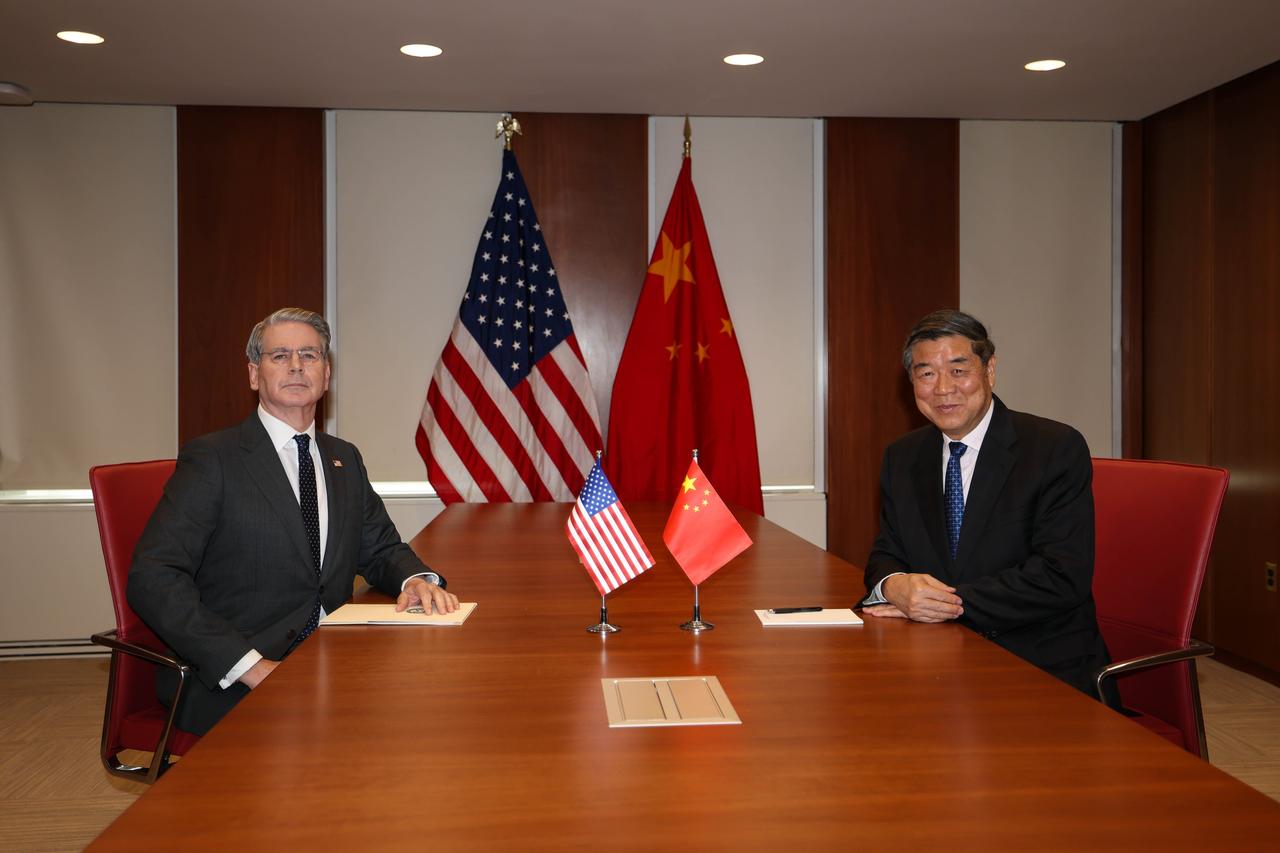

Trump and Xi reached the agreement in Busan after relations became strained by a series of disputes, including U.S. tariff increases, technology restrictions, and Chinese measures targeting control of rare-earth elements.
Under the agreement, the two countries agreed to delay for one year a 24% additional tariff imposed on each other under their "reciprocal tariffs," beginning Nov. 10, 2025.
China also committed to taking steps to control exports of fentanyl and precursor chemicals, while the U.S. agreed to reduce an additional tariff imposed on China over insufficient action on the issue from 20% to 10%.
Washington later delayed for one year a rule covering partnerships in which foreign companies on its export-control entity list held more than 50% ownership. China also agreed to delay for one year measures concerning rare-earth export controls that it announced Oct. 9.
The two sides also postponed retaliatory measures involving shipping. The U.S. delayed additional port fees on Chinese vessels using U.S. ports following a Section 301 investigation into China’s maritime, logistics and shipbuilding sectors, while China agreed to delay its retaliatory measures for one year.


 Set as preferred source
 Set as preferred source


 1 min read
 1 min read