Newsletters


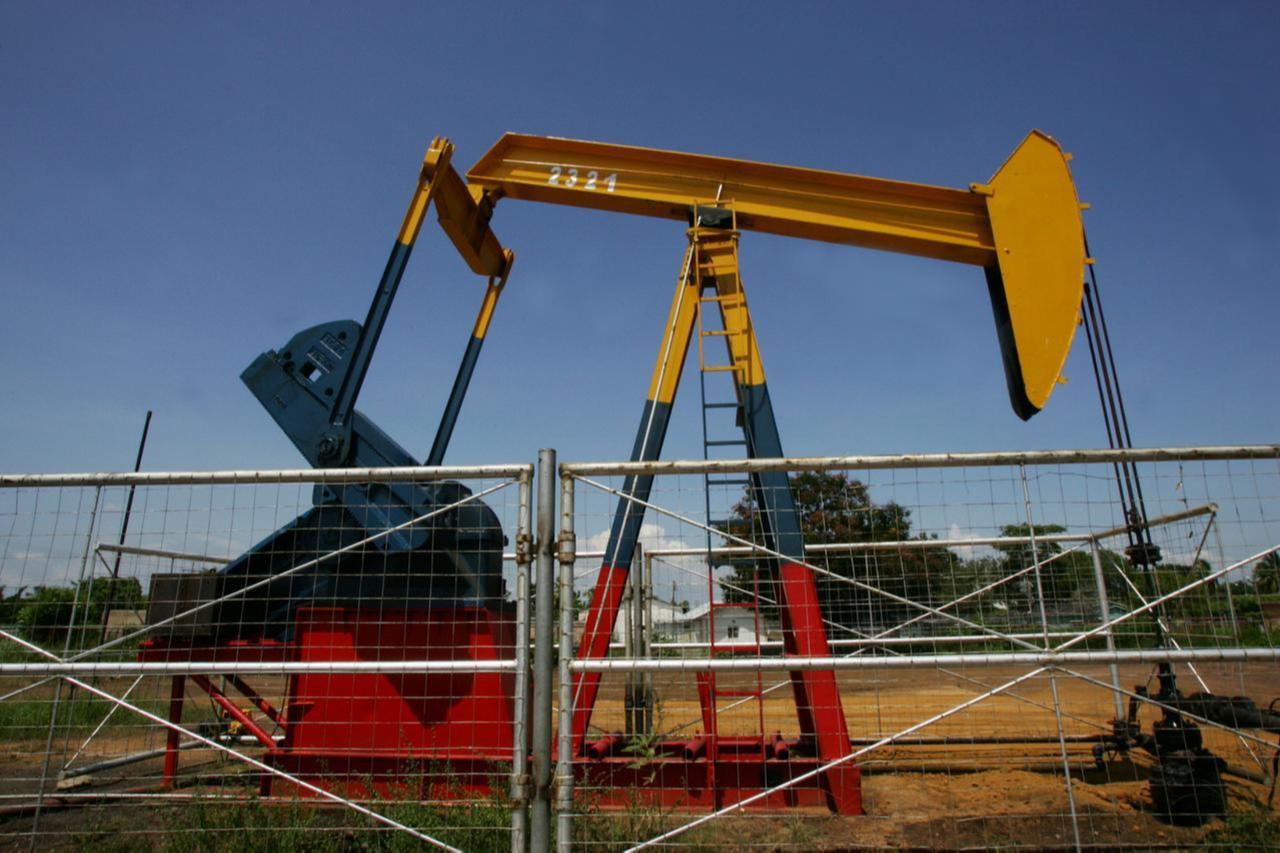


The U.S. is in talks with Venezuela’s interim government over a possible ownership stake in more than a dozen oil fields holding about 90 billion barrels of proven reserves, according to reports.
The talks cover more than a dozen productive oil fields, rather than all of Venezuela’s roughly 300 billion barrels of proven reserves, according to people familiar with the matter cited by Axios. Bloomberg reported that a 100-year lease on several fields is also among the options under discussion, though the terms remain subject to change.
Under the proposal, the U.S. would take an ownership stake while private companies, including American firms, would develop the fields and help generate more oil revenue for Venezuela.
The negotiations are being led by Secretary of State Marco Rubio and Venezuela’s acting president, Delcy Rodriguez, with White House Deputy Chief of Staff Stephen Miller also involved.
Washington is also trying to show that the arrangement would benefit Venezuelans amid concerns that Rodriguez could face accusations of giving away the country’s natural resources to the U.S.
The exact timing of an agreement remains unclear. Energy Secretary Chris Wright is expected to travel to Venezuela next week as U.S. officials discuss ways for American companies to increase oil production there.
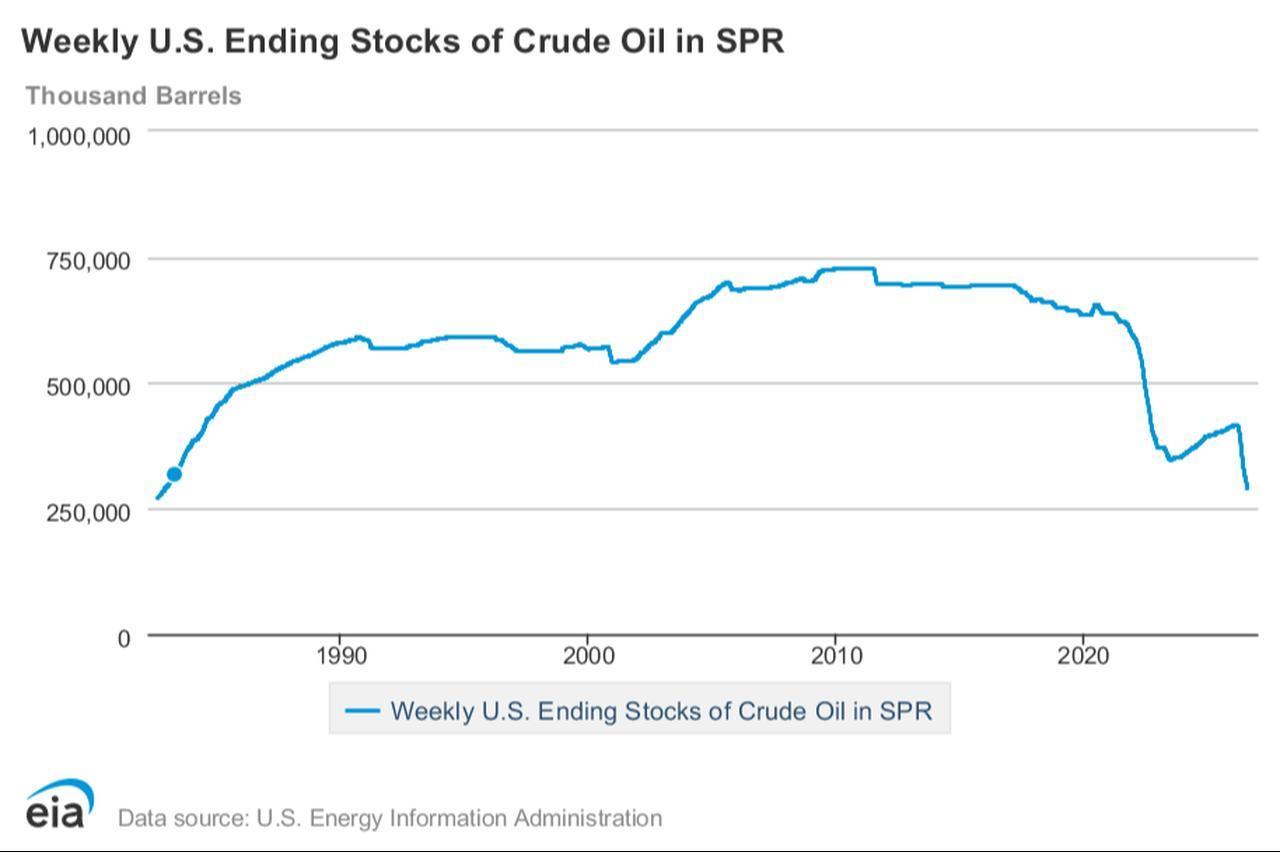

The talks come as wars in Iran and Ukraine disrupt global oil supplies and push prices higher, while the U.S. Strategic Petroleum Reserve stands at its lowest level in four decades, at 289.7 million barrels as of the week ending Aug. 21, down from more than 400 million barrels before the Iran war.
The negotiations follow President Donald Trump’s authorization of the Jan. 3 capture of Venezuelan President Nicolas Maduro and his transfer to the U.S. in January. Maduro currently faces narco-terrorism charges in New York.
Washington then backed an interim government led by Delcy Rodriguez while pushing for greater U.S. involvement in Venezuela’s energy sector.
The U.S. has since eased sanctions to allow American companies and oil field contractors to return to Venezuela. The administration has also moved to expand U.S. access to Venezuelan crude and rebuild the country’s oil sector after years of declining production, underinvestment and mismanagement.
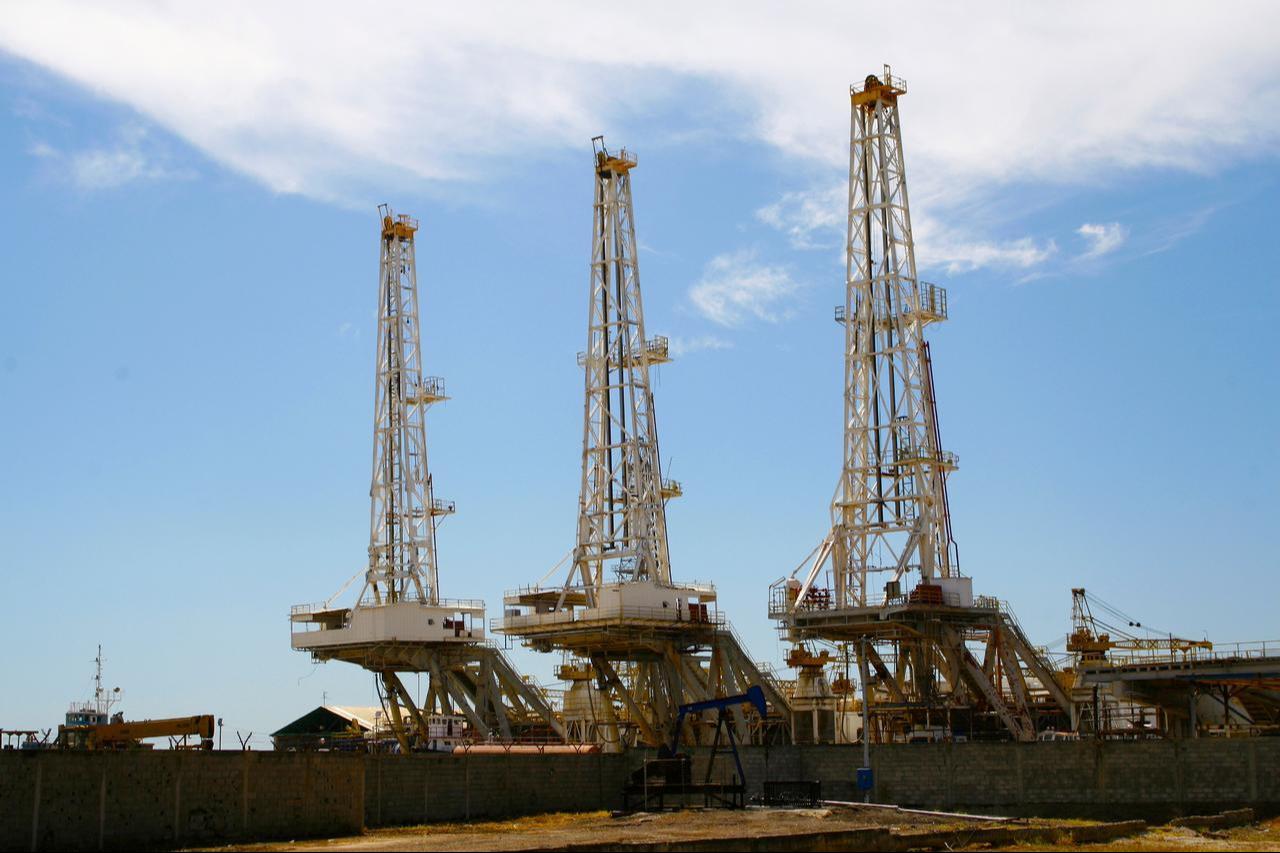
Venezuela is also weighing whether to leave OPEC, as the idea has come up in talks with U.S. officials, although no final decision has been made, Bloomberg reported.
A Venezuelan exit would likely have a limited immediate impact on global oil markets given the country’s reduced production, but it could add to questions over OPEC’s cohesion and influence over crude prices. It could also give Caracas more room to increase production without being subject to potential future OPEC quotas.
Venezuela was one of the five countries that founded OPEC in 1960 and played a central role in bringing the cartel together. It also helped establish OPEC+ in 2016, when OPEC members joined forces with outside producers including Russia.
The move would come just months after the United Arab Emirates withdrew from OPEC and OPEC+ in May, following a review of its production policy and current and future capacity, as Abu Dhabi sought greater flexibility to align output with its expanding production capacity and market demand, particularly after the Hormuz crisis.


 Set as preferred source
 Set as preferred source


 2 min read
 1 min read