Newsletters


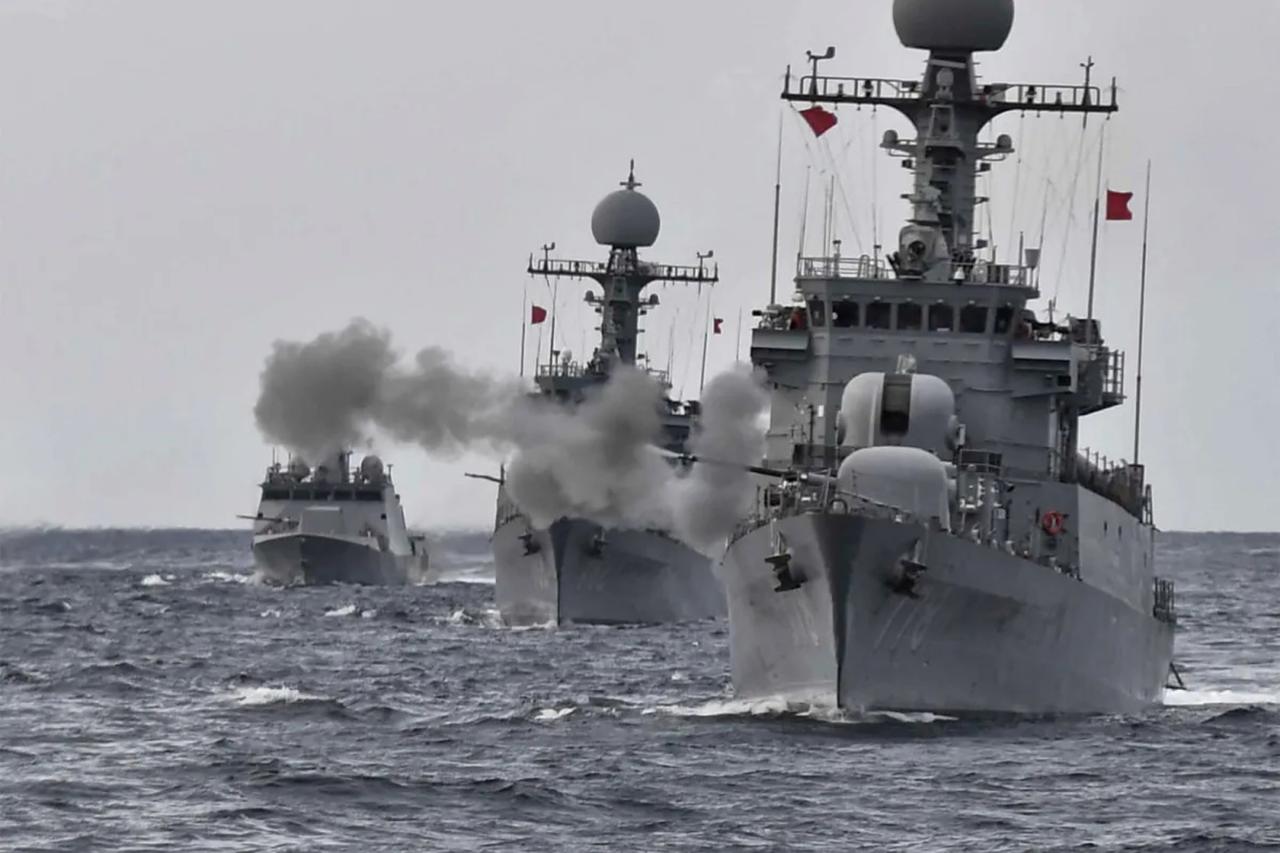


South Korea has sent a fact-finding team to the United Arab Emirates to assess security and operational conditions in the Strait of Hormuz, but the government has not decided whether to deploy troops to the strategic waterway, the Ministry of National Defense said Tuesday.
The team left for the UAE last weekend to check out conditions on the ground as Seoul weighs whether to send troops, the local media reported.
The ministry stressed that sending the team does not mean South Korea has decided to deploy forces to Hormuz. "The team is intended to understand the geopolitical situation and safety conditions in the region, and this investigation is not based on the premise of an actual deployment," a ministry official told state-run Yonhap news agency.
The team is expected to return as early as this week. Its findings will then be reported to the National Security Council, according to the ministry. The official also made clear that the government has yet to settle the question of troop deployment.
The ministry also pushed back against reports that Washington had formally asked South Korea to send forces to the Strait of Hormuz by November. "It is not true that the U.S. requested the deployment of our assets to the Strait of Hormuz with a set deadline," the official said.
Earlier Tuesday, South Korean media claimed that the Trump administration had officially requested a South Korean deployment and had set November as the deadline.
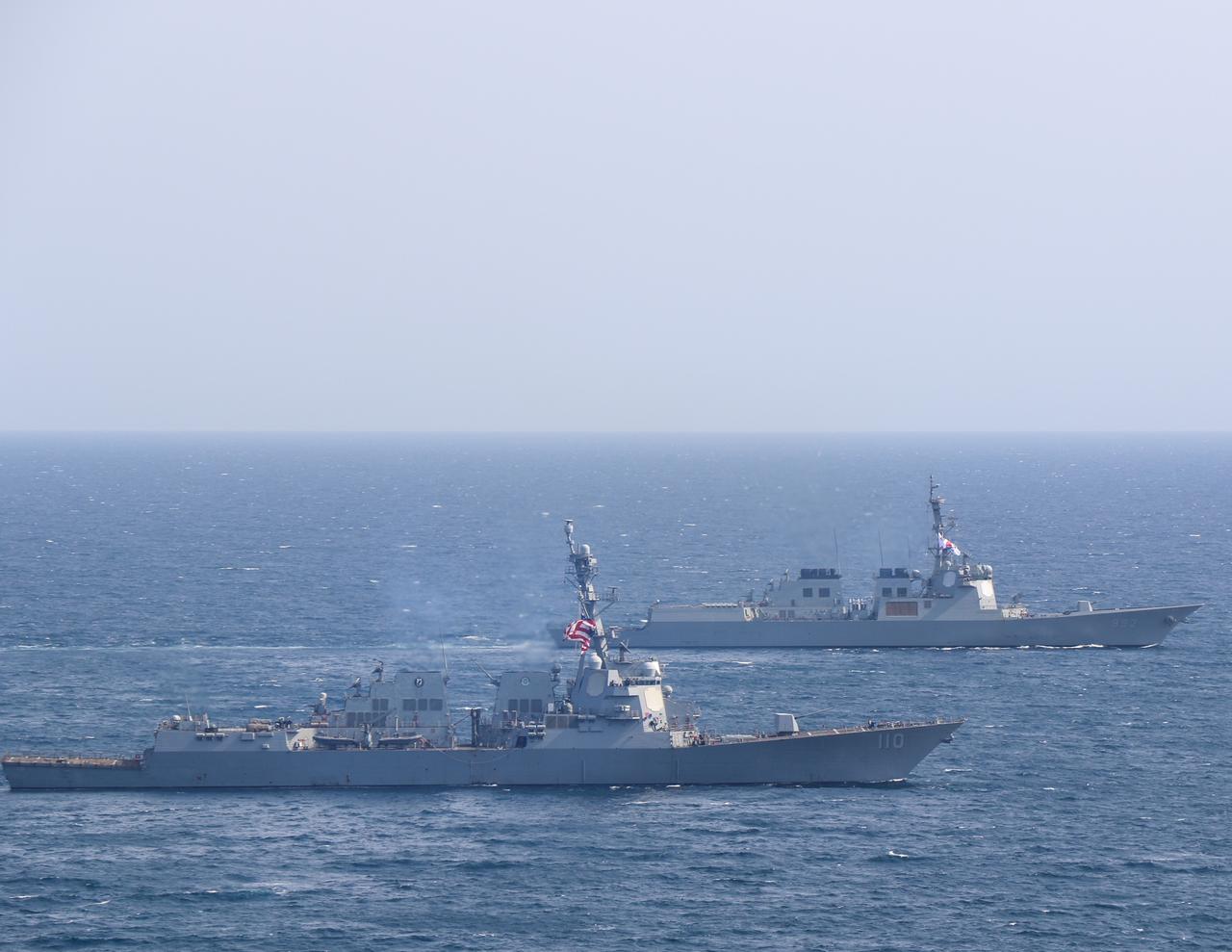

South Korea has experience operating in and around the Strait of Hormuz through the Navy’s Cheonghae Unit, an anti-piracy force based off the Somali coast.
In January 2020, Seoul temporarily expanded the unit’s operating area to include the Arabian and Persian gulfs, the Gulf of Oman and the Strait of Hormuz to protect South Korean citizens and vessels.
The unit was also sent toward Hormuz in January 2021 after Iran seized and detained the South Korean-flagged tanker Hankuk Chemi. The mission was aimed at helping secure the vessel’s release.
The waterway remains particularly important to South Korea because of its dependence on Gulf energy supplies. Seoul has also been considering broader options for supporting freedom of navigation as the conflict around Hormuz has intensified.
In May, the Navy sent the 4,400-ton ROKS Wang Geon destroyer to the Cheonghae Unit for a six-month mission, while leaving open the possibility of expanding the unit’s operational reach to Hormuz if the government makes such a decision and parliament approves it, Yonhap reported at the time.


 Set as preferred source
 Set as preferred source


 1 min read
 1 min read