Newsletters





U.S.-based credit rating agency Fitch has warned that potential U.S. tariffs tied to the Greenland dispute could cut the European Union’s gross domestic product (GDP) by up to 1% by 2027.
The estimate assumes a 25% tariff scenario, with the agency stating that even a 10% levy could lower the bloc’s GDP by around 0.5% compared to its baseline projection.
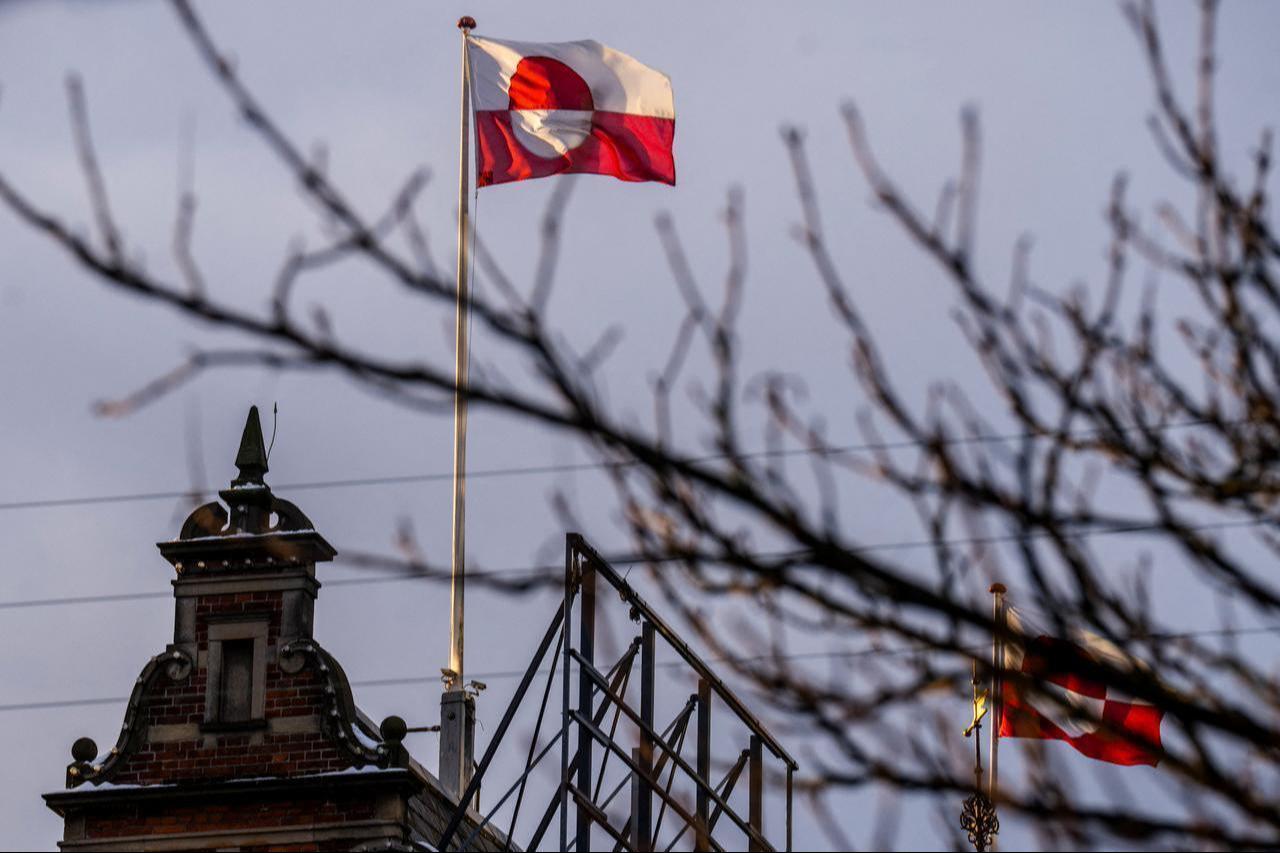
The assessment came amid rising transatlantic tensions following U.S. President Donald Trump’s announcement of planned tariffs on several European allies unless a deal is reached for what he called the "complete and total purchase of Greenland" by the United States.
Trump said Washington would impose 10% tariffs on goods from Denmark, Norway, Sweden, France, Germany, the U.K, the Netherlands, and Finland starting Feb. 1, escalating to 25% by June unless the deal materializes. The move, announced via social media, has yet to be formalized through an official White House communication.
In response, the eight targeted countries issued a joint statement rejecting the ultimatum and expressing support for Denmark’s sovereignty over Greenland. The statement also reaffirmed their commitment to Arctic security and broader European solidarity.
In its assessment, Fitch said the tariffs would vary in impact depending on each country’s trade exposure. Beyond economic costs, it warned that the main credit risk stems from potential damage to NATO’s credibility and cohesion.

Fitch noted that "a serious upsurge in transatlantic tensions" could weaken collective defense commitments and increase the risk of renewed geopolitical instability, particularly involving Russia.
The agency also said European leaders appear cautious about escalating the dispute. "The EU’s response is expected to remain fairly muted due to security concerns," Fitch noted, although a response package targeting approximately €95 billion ($110.6 billion) in U.S. goods remains under discussion.
The threat of weakened U.S.-EU security cooperation could accelerate defense spending in Europe, according to the agency. Fitch observed that eastern and northern European countries, as well as Germany, are already increasing military budgets, and that this trend may gain momentum in light of current developments.
In countries facing less direct security threats, however, any increase in defense spending is likely to remain more gradual.


 Set as preferred source
 Set as preferred source


 1 min read

 1 min read