Newsletters


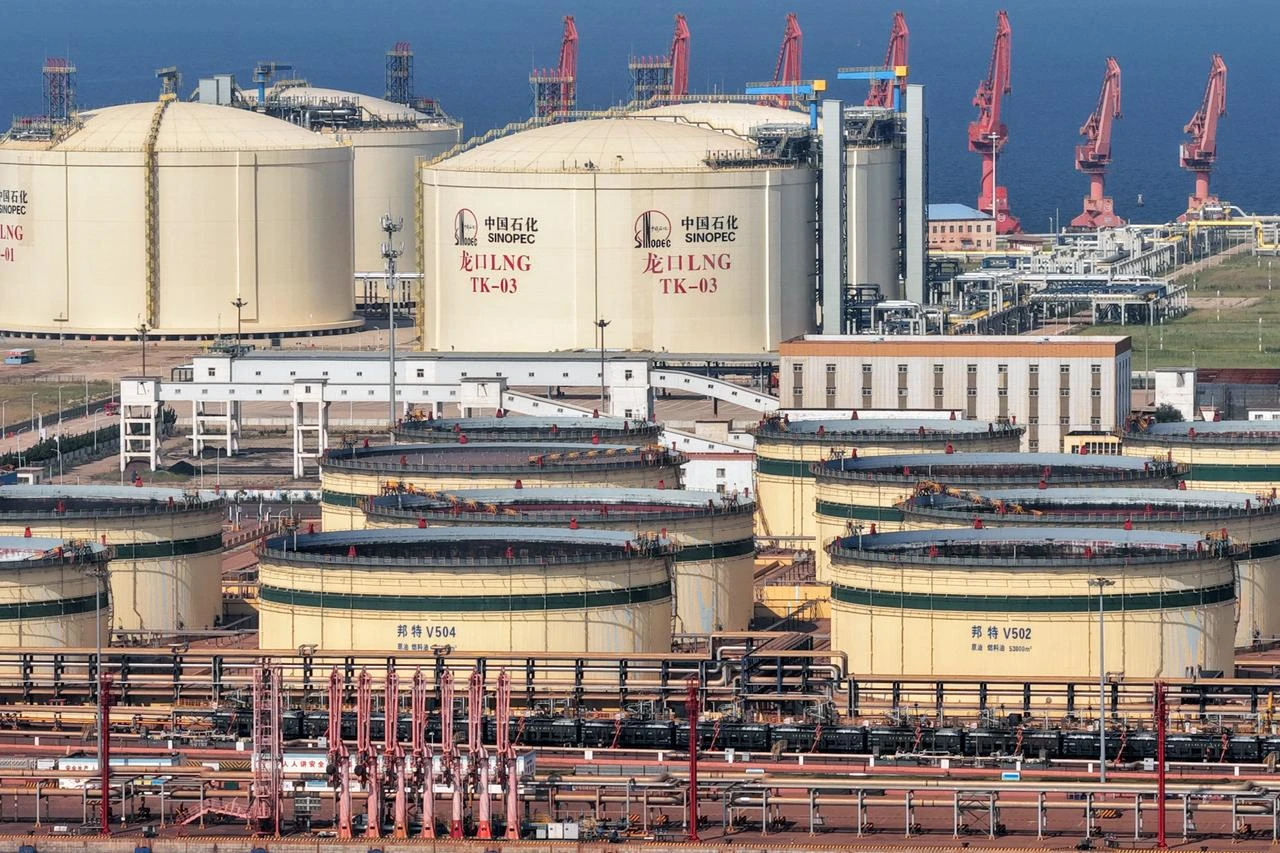


The International Energy Agency (IEA) expects global oil demand to decline by an average of 1.6 million barrels per day in 2026, cutting its previous forecast by 510,000 barrels per day as the continued closure of the Strait of Hormuz and elevated fuel prices weigh on consumption.
The agency's latest Oil Market Report showed global oil supply rose by 2.4 million barrels per day in July to 101.5 million barrels per day, but remained 6.3 million barrels per day below year-earlier levels.
OPEC+ production increased by 1.78 million barrels per day in July to 40.75 million barrels per day. Saudi Arabia added about 900,000 barrels per day to reach 8.24 million, while Russia increased output by about 100,000 barrels per day to 8.76 million.
Supply outside OPEC+ rose by about 590,000 barrels per day to 60.75 million barrels per day. But renewed hostilities and maritime disruptions in July and early August undermined the recovery, prompting the IEA to cut its third-quarter supply forecast by 1.7 million barrels per day.
For 2026, global supply was forecast to fall by 4.3 million barrels per day to 102 million barrels per day, before rebounding by 8.3 million barrels per day to 110.3 million barrels per day in 2027.
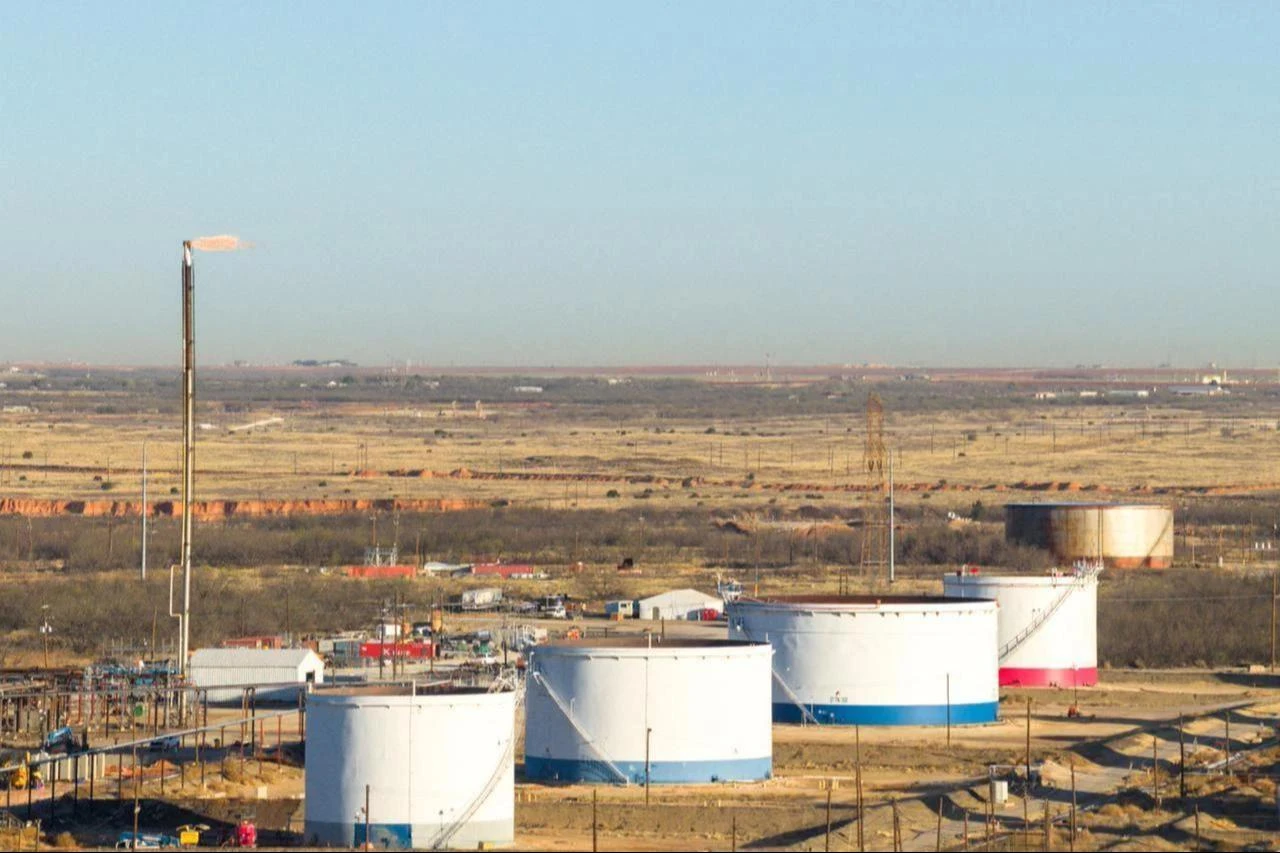

The IEA projected demand would contract by 4.9 million barrels per day in the second quarter and 2.8 million barrels per day in the third quarter before returning to growth in the fourth quarter, when demand was expected to rise by 580,000 barrels per day.
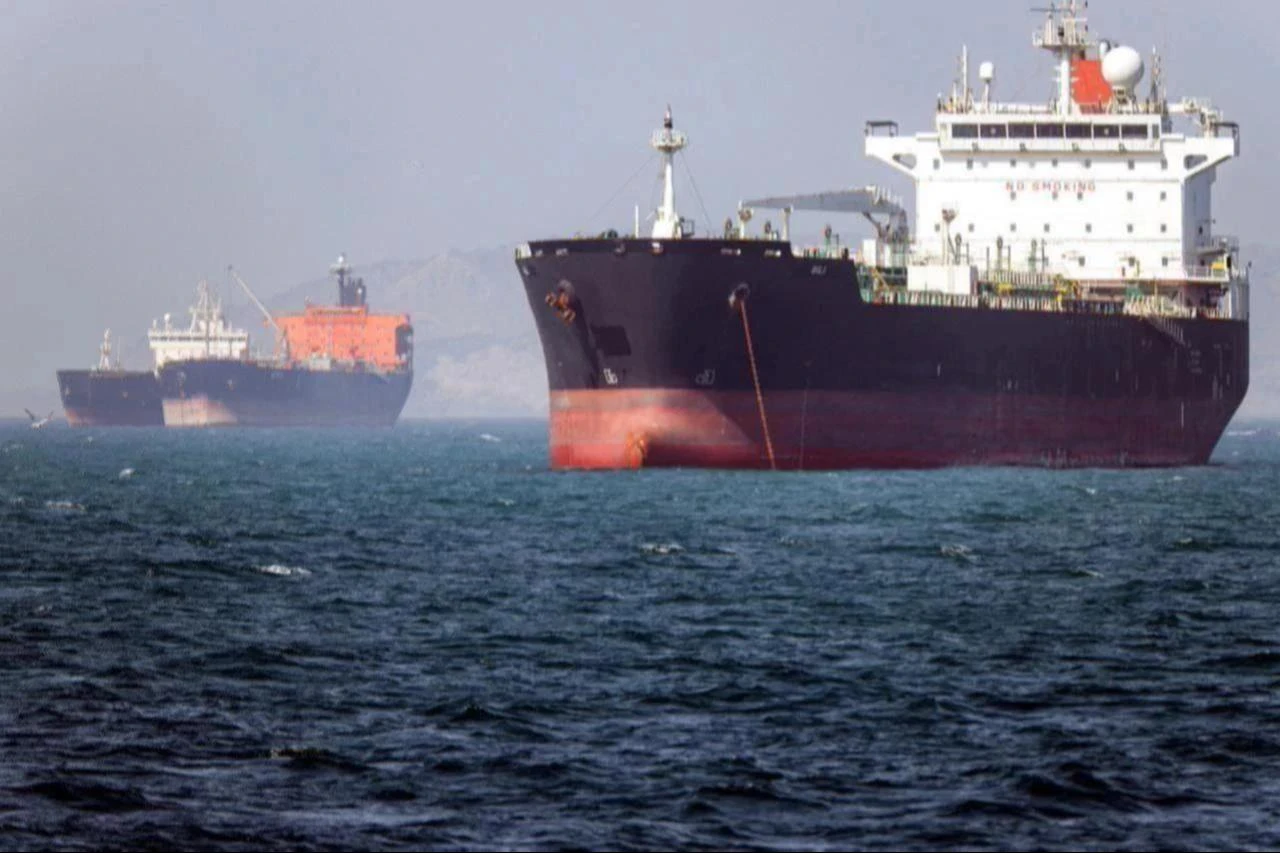
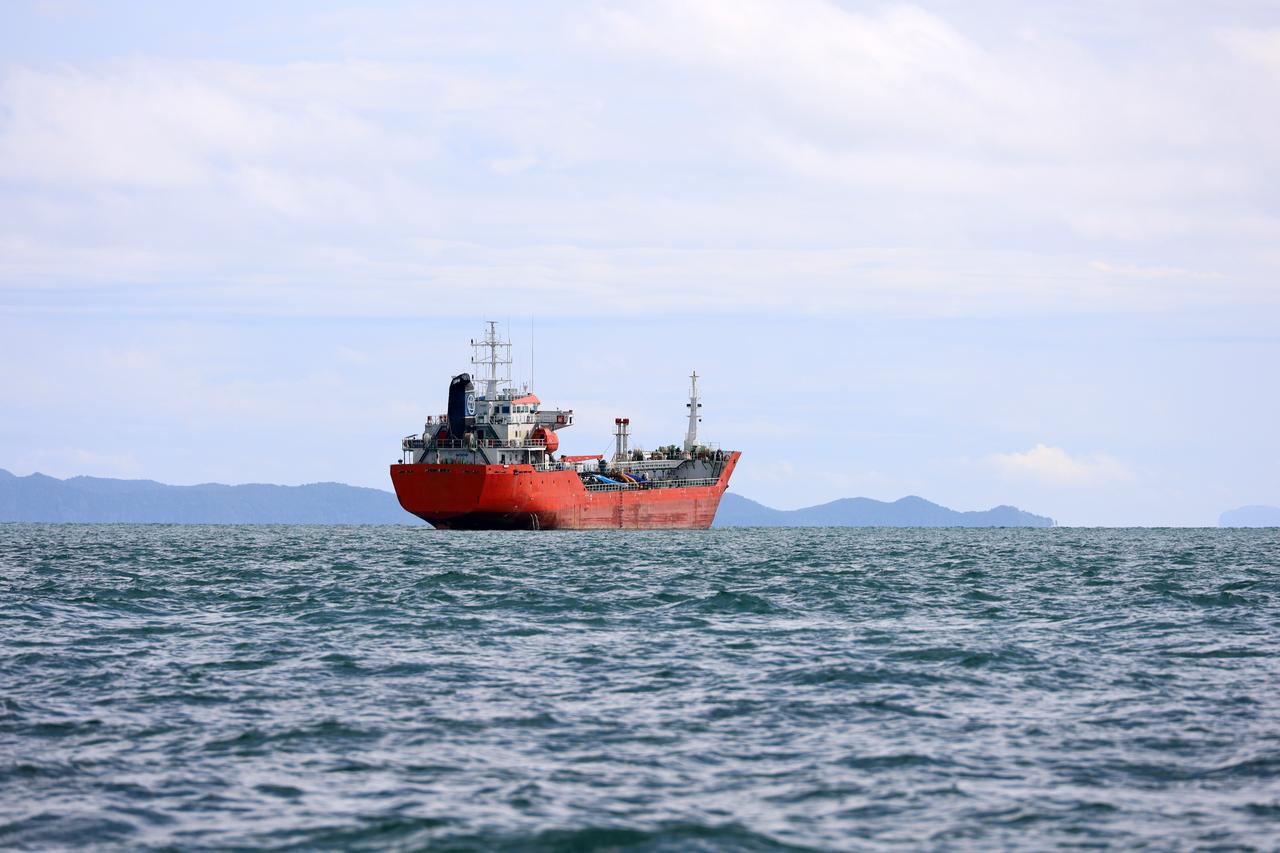
The Strait of Hormuz had effectively been closed to tanker and cargo traffic, disrupting a route that normally carries around one-fifth of global oil supplies. Only a handful of ships were being allowed through despite repeated expectations of a reopening agreement.
Gulf oil production rose by 2.5 million barrels per day in July to 23.9 million barrels per day but remained 8.3 million barrels per day below pre-war levels. Regional exports fell by 2.1 million barrels per day to 15 million barrels per day, while loadings dropped from 20 million barrels per day at the start of July to around 12 million barrels per day later in the month.
North Sea Dated rose by $25.67 per barrel in July to $96.80 per barrel and was trading around $92 per barrel when the report was issued. Prices reached $105 per barrel on July 23 after renewed hostilities.
Global observed oil inventories fell by 69 million barrels in July, pushing total stocks below 7.9 billion barrels. Cumulative draws since the end of February reached 410 million barrels, equivalent to 2.7 million barrels per day on average.
Refinery crude throughputs increased by 1.8 million barrels per day in July but remained nearly 5 million barrels per day below year-earlier levels. The IEA also cut its third-quarter refining estimate by 370,000 barrels per day.
The global oil balance was forecast to show a 1.8 million-barrel-per-day deficit in the third quarter, more than double the roughly 800,000-barrel-per-day estimate in the previous report.


 Set as preferred source
 Set as preferred source


 1 min read
 1 min read