Newsletters


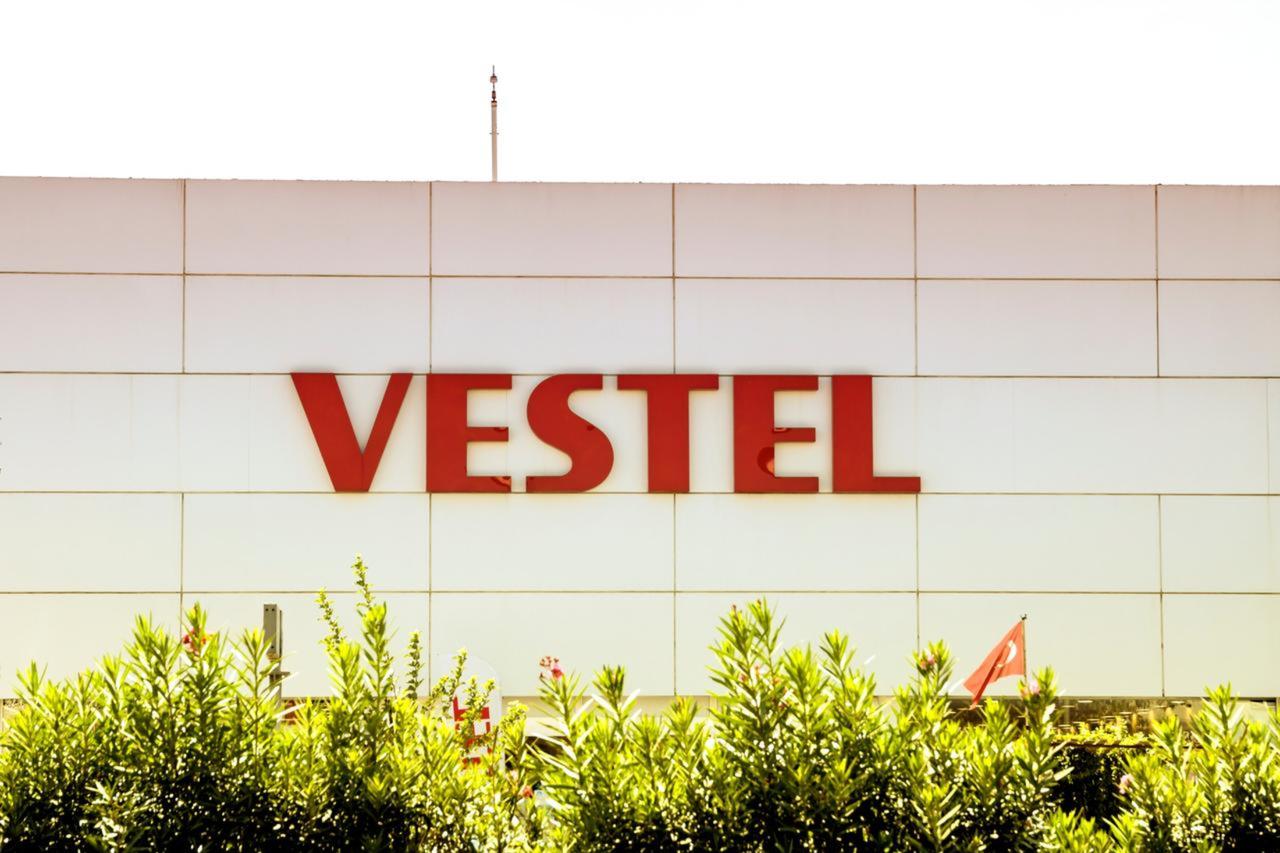


There was a time when Vestel seemed to be going places. Its televisions rolled off production lines by the millions, its refrigerators and washing machines found their way into homes across Europe, and its name became increasingly familiar to consumers well beyond Türkiye.
For a country eager to make its mark in global manufacturing, Vestel was something to point to with pride. Here was a Turkish company taking on international brands, building products at home and selling them to the rest of the world.
But that story has taken quite a turn, as the company has now emerged as one of the potential triggers of a wider private-sector debt crisis in Türkiye, laying bare its struggle to meet repayments and its efforts to buy more time from creditors while fighting to hold its ground against Chinese rivals.
That pretty much sums up where Vestel finds itself today: Its factories are still there, its brands are still around, and its international customer network remains valuable. But keeping all of that running has become a lot harder.
Vestel's story began in 1984, when it started making televisions in Manisa, western Türkiye. After Zorlu Group founderAhmet Nazif Zorlu acquired the company in 1994, it quickly expanded, becoming Türkiye's leading exporter by 2000.
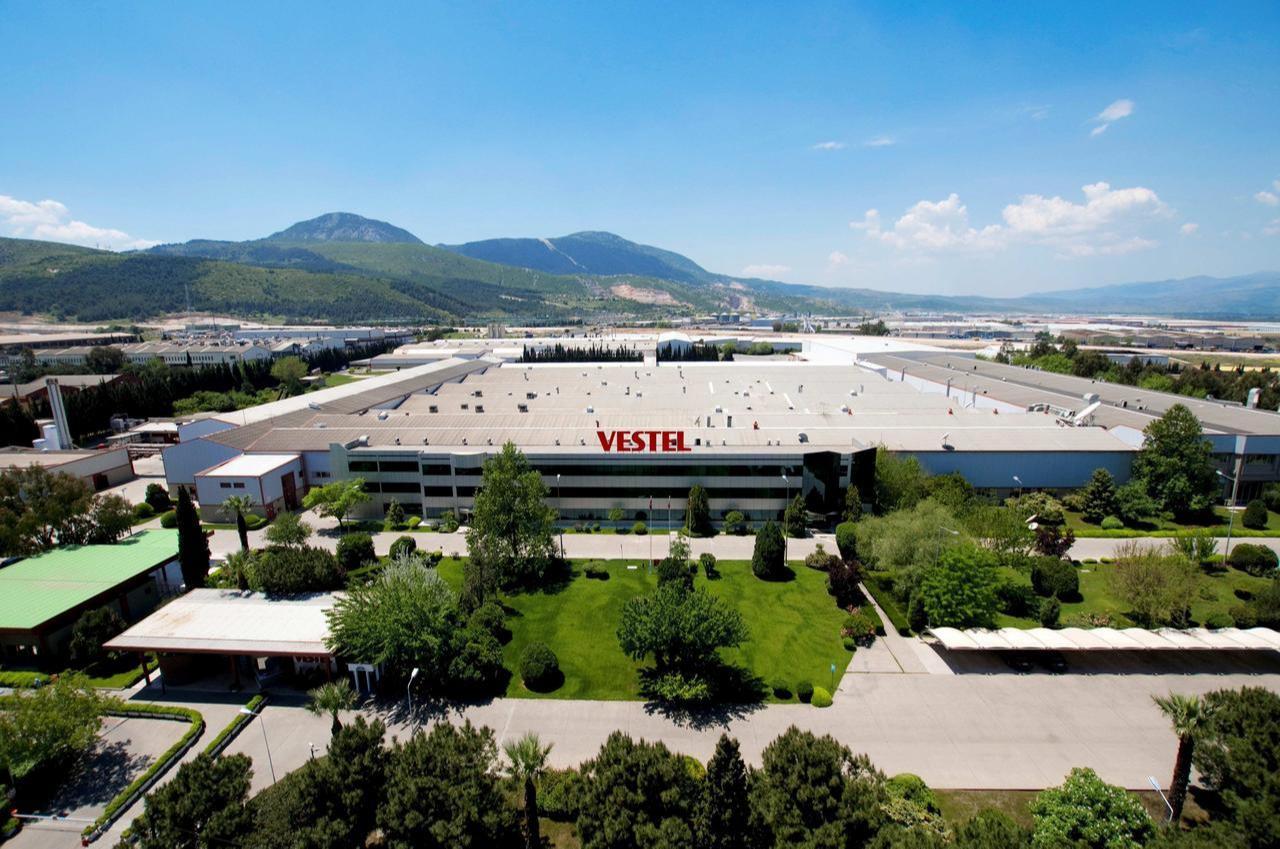
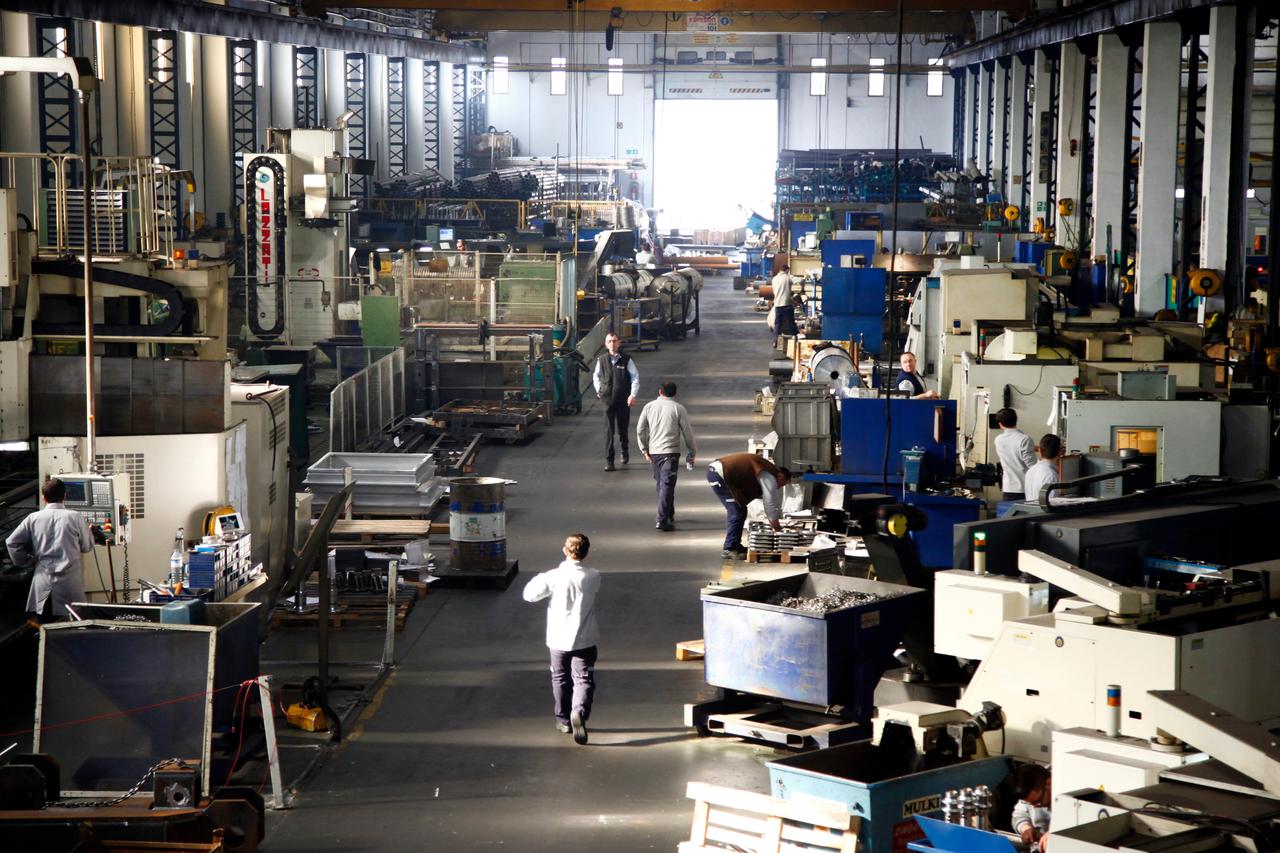
The opening of Vestel City in 2003 turned Manisa into a major manufacturing hub, employing around 20,000 people across nine plants at its 2024 peak.
As flat-screen TVs replaced bulky old models, European retailers needed manufacturers capable of producing at scale.
Vestel stepped in, selling under its own brand while also making electronics and appliances for international companies through manufacturing and design contracts, meaning many Europeans bought its products without even knowing it.
In 2024, Vestel produced its 200 millionth television, accounted for around 90% of Türkiye's TV exports and sold products in more than 160 countries. Its business had grown beyond TVs into white goods, professional displays, mobility technologies and EV charging equipment.

But the high-volume model behind its success relied on strong demand, low production costs and a steady flow of orders, all of which have come under pressure as Chinese manufacturers have expanded across Europe since 2022.
Europe accounted for 45% of Vestel's sales in 2025, but regional revenue plunged nearly 30% to ₺70.4 billion ($1.6 billion). Exports fell 26.5% to ₺89.5 billion ($2 billion), while production volumes contracted 27%.
Rising memory and component costs pushed TV prices higher in late 2025, but Vestel said it could not pass those increases on to European customers at the same pace, slowing sales as weak growth and economic uncertainty kept shoppers from replacing their appliances.
Meanwhile, high inflation drove up wages and supplier costs in Türkiye, while the lira's limited depreciation eroded exporters' cost advantage. Higher borrowing costs made it even harder to finance components, maintain inventories and keep production moving.
Vestel's financial troubles are increasingly showing up in its accounts. Sales fell 26% to ₺138.2 billion in 2025, while its net loss more than doubled to ₺31.1 billion.
The slide continued in 2026, with first-half revenue nearly halving to ₺46.9 billion, losses reaching around ₺10.3 billion and net financial debt climbing to ₺106.1 billion ($2.1 billion).
Its shares remain 87.6% below their May 2024 peak and have lost more than 56.5% since the start of 2026.
Credit rating agencies have also downgraded the company, with Moody's cutting its rating to Caa3 and Fitch lowering its issuer rating to CCC-, both with negative outlooks.
In June, Vestel turned to domestic banks for more time to repay its loans, proposing a 15-year repayment plan until 2041, with no principal or interest due for the first two years. The banks have also provided fresh cash to keep operations running.
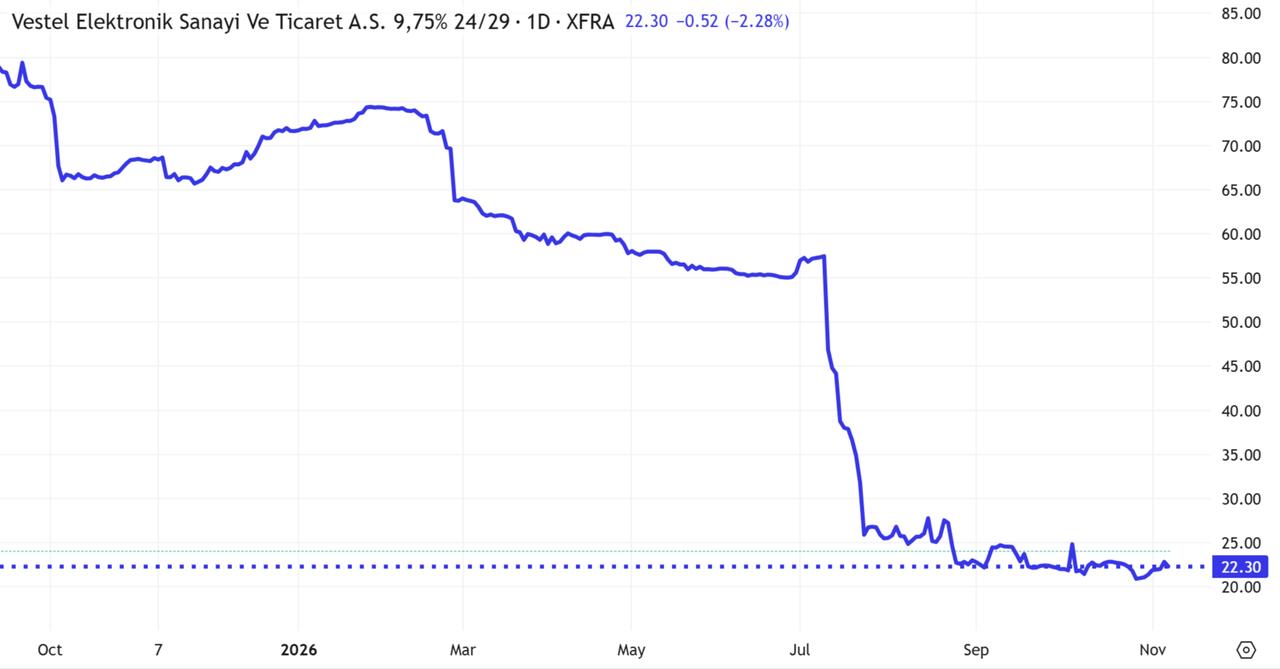
In addition, Vestel has asked bondholders to restructure its $500 million in Eurobonds, originally due in 2029. Investors can extend repayment to 2035 at a lower interest rate or take a 45% haircut for new bonds maturing in 2032. The Eurobond has since fallen to 22.3 cents on the dollar, pushing its yield above 121%.
The proposal came as Türkiye's corporate debt market was still reeling from September's fund scandal, triggered by several investment funds failing to meet redemption requests. The fallout fueled a sell-off that wiped around ₺6 trillion ($128 billion) off Borsa Istanbul's market value, while corporate defaults and restructuring requests piled up.
Vestel's bond offer, alongside Zorlu Group energy arm Zorlu Enerji's request to defer a $60.5 million coupon payment and renegotiate its $1.1 billion bond debt, added to fears of a wider private-sector debt crisis.
The pressure has forced Vestel to sell its entire 23% stake in Togg, the electric vehicle maker it helped establish in 2018. Under a Nov. 2 agreement, Vestel will transfer the stake to the Türkiye Wealth Fund for €184 million ($205.2 million), with at least 90% of the proceeds going toward overdue bank loans.
In a striking coincidence, the deal was signed on the same day Ahmet Nazif Zorlu died, adding a symbolic twist to Vestel's exit from one of Türkiye's flagship industrial projects.
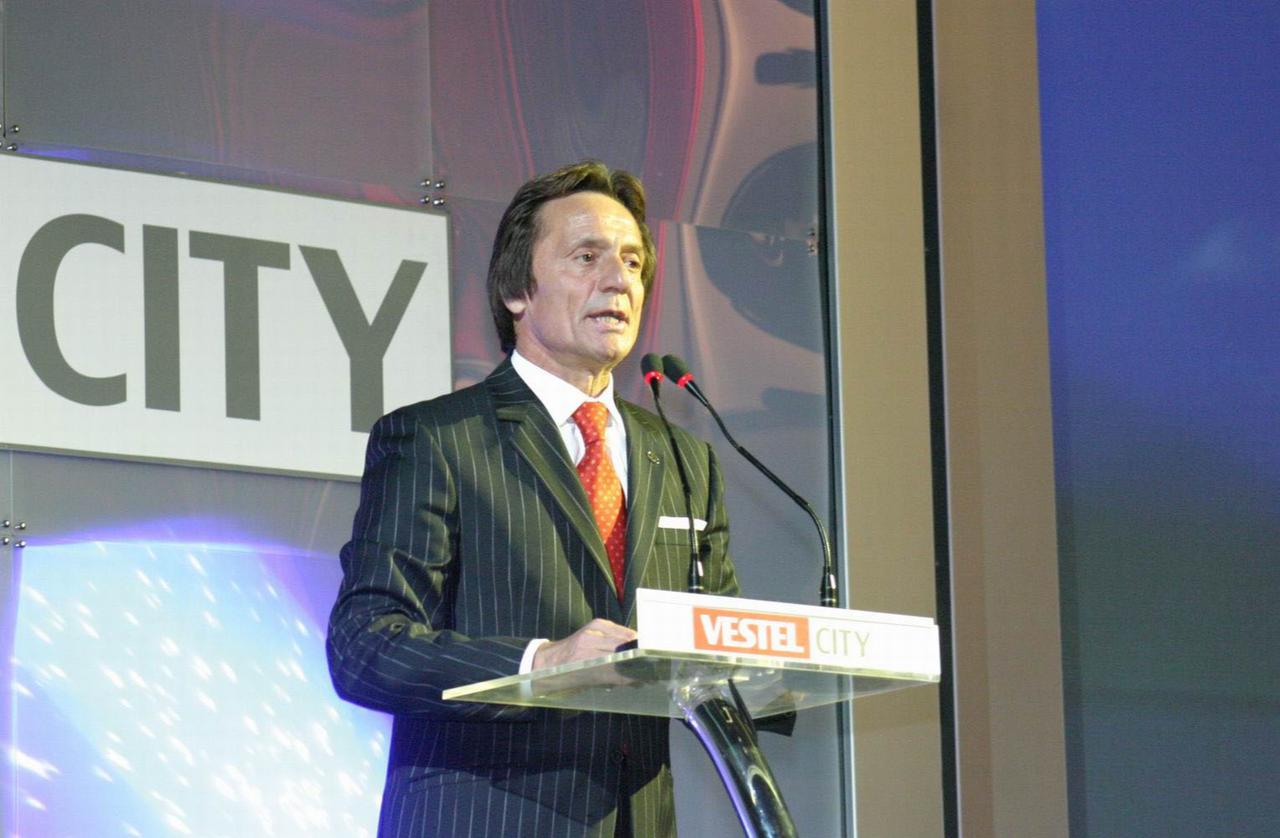
Vestel had already started slimming down before its latest management changes. In January 2025, it introduced a process-based structure under its "Vestel 4.0" plan, followed a few months later by an announcement of around 2,000 job cuts, roughly 10% of its workforce.
Now, under new management, the company is shifting away from chasing sales volumes and putting profitability first. Its priorities include higher-margin products, particularly white goods, stronger domestic sales under its own brand, and a more selective approach to customers and markets.
Abroad, Vestel wants to build on its original equipment manufacturing (OEM) and original design manufacturing (ODM) business, steering production toward contracts that offer better returns, according to a Q&A document accompanying its Eurobond restructuring proposal.
The broader overhaul involves exiting unprofitable product lines and markets, streamlining factories and warehouses, expanding automation and energy efficiency, and improving cash and inventory management while consolidating suppliers.
The company said much of its shift toward white goods and its product portfolio overhaul is already complete. It has also begun restructuring its organization and production footprint, while launching a separate efficiency drive in consumer electronics.
Management views 2026-2028 as the recovery period, with business conditions expected to normalize from 2029.
It forecasts the first meaningful gains in revenue and earnings before interest, taxes, depreciation, and amortization (EBITDA) in the fourth quarter of 2026, with most changes in place by early 2027. The turnaround, however, depends on having enough cash to see it through.
Still, Vestel is not starting from scratch. It remains among Europe's top five LCD TV players and top seven white goods manufacturers, giving it an established market position, manufacturing scale and customer relationships to build on as it shifts toward more profitable business.


 Set as preferred source
 Set as preferred source


 1 min read
 1 min read