Newsletters


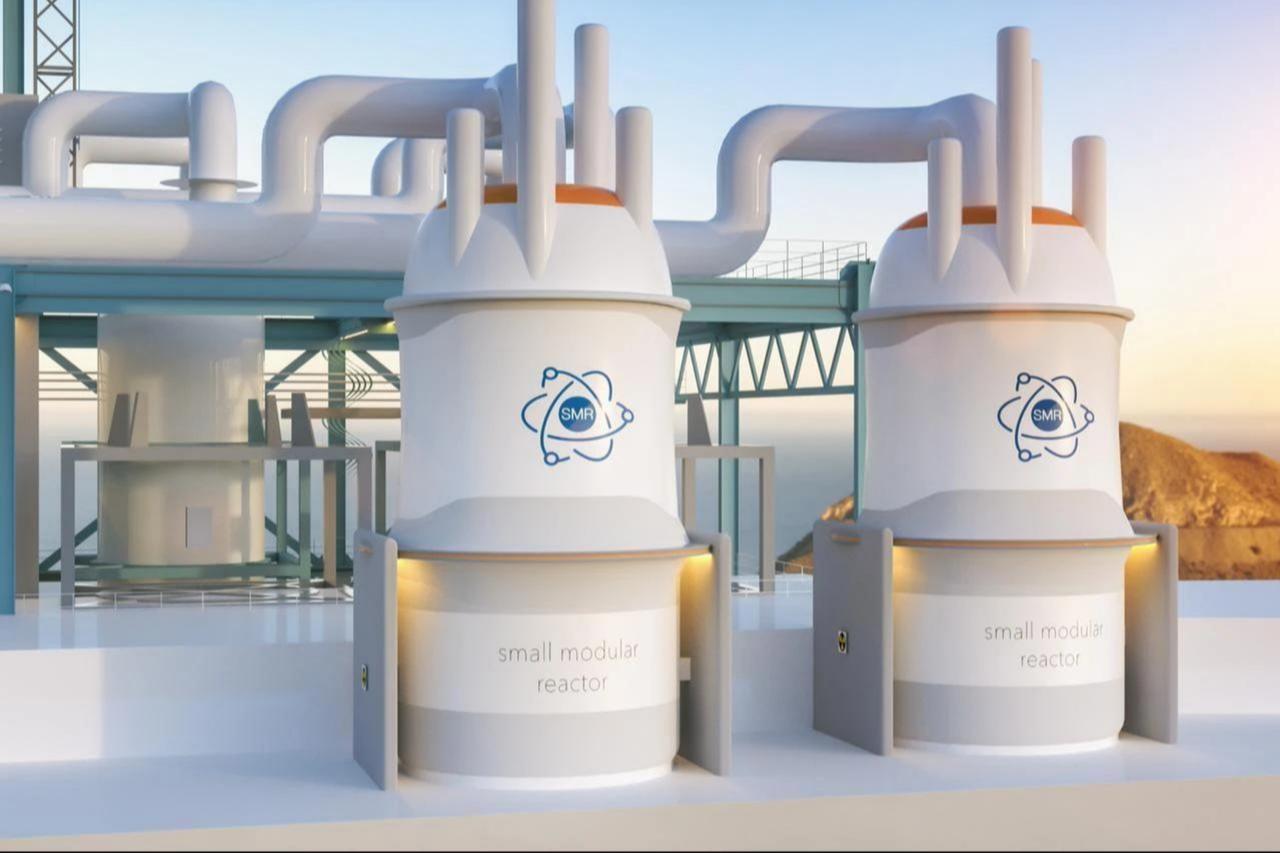


Turkish technology company MIA Technology is working with Chinese nuclear technology organization JHATOM and Türkiye-based GlobalX to develop a 100-megawatt small modular reactor (SMR), targeting over 50% domestic contribution to the project.
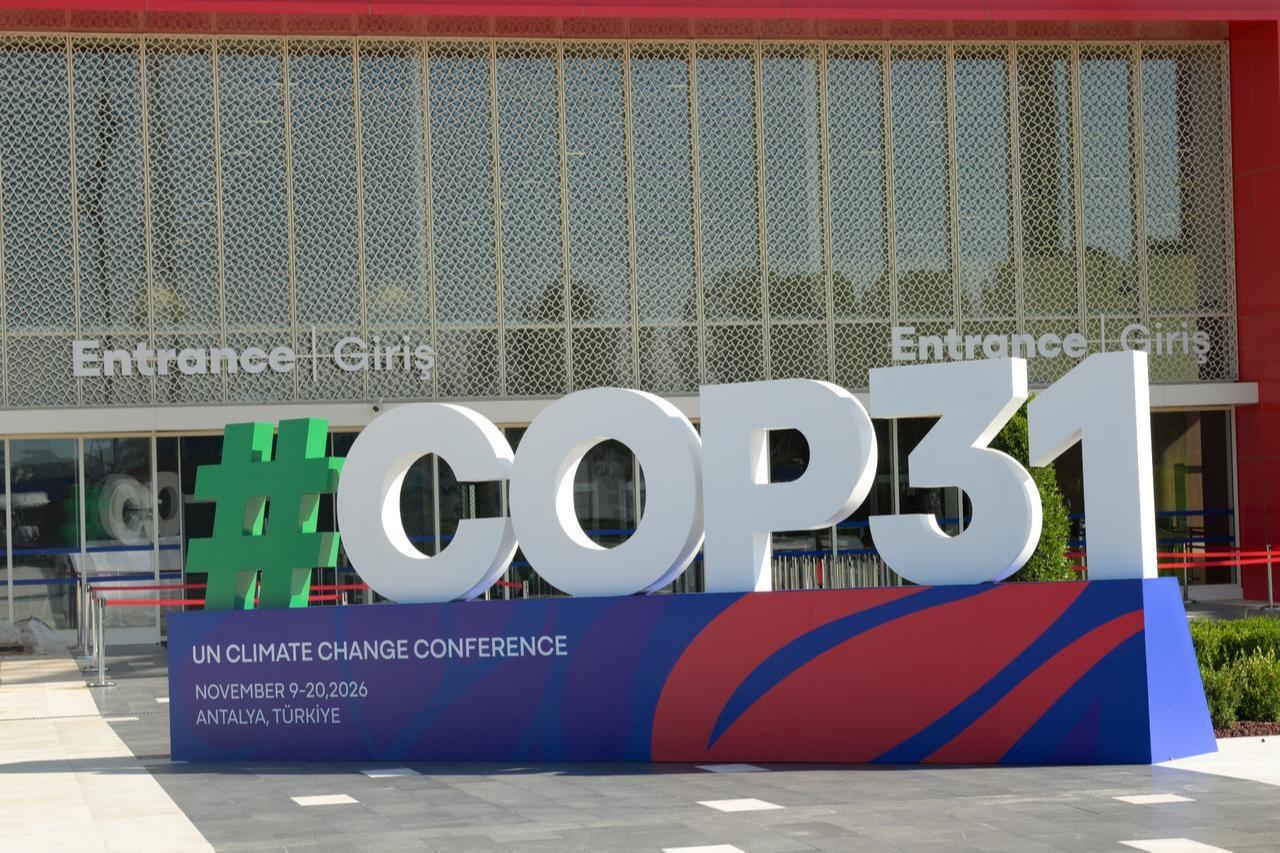
The company plans to present the project to international stakeholders at the U.N. Climate Change Conference (COP31), which Türkiye hosts in Antalya from Nov. 9 to 20, 2026.
Through the partnership, MIA Technology aims to bring together Chinese nuclear engineering expertise and Türkiye's domestic manufacturing capabilities, with a focus on reactor safety, passive protection systems, regulatory requirements and advanced engineering.
The company plans to use a reactor model and technical presentations at COP31 to outline the technology's main features and potential applications across different industries.
Under the strategic partnership, the companies aim to develop 100-megawatt SMRs while ensuring that domestic technology and manufacturing capabilities account for more than 50% of the project.
The planned work covers technology transfer, engineering and design, manufacturing infrastructure, supply chain development and university-industry cooperation.
JHATOM is expected to contribute its experience in nuclear technology and reactor design, while MIA Technology will focus on coordinating technology development, digital integration, and building a domestic engineering and manufacturing ecosystem.
The project's implementation will take shape through technical, commercial, and legal assessments, alongside procedures involving relevant public authorities.

The proposed JH-100 reactor has an electricity generation capacity of approximately 100 megawatts and a design life of 60 years, according to the manufacturer's technical presentation.
The project targets energy-intensive operations, particularly industrial facilities and data centers that require a continuous and reliable electricity supply.
The design uses pressurized water reactor technology, with the reactor core and main components of the primary circuit integrated into a single pressure vessel. The configuration aims to simplify the system and make it suitable for modular factory production.
Natural circulation and passive safety systems are among its main technical features. These approaches are intended to reduce the reactor's dependence on external power supplies and operator intervention.
The partnership also covers regulatory preparations. GlobalX is expected to contribute to compliance with national and international regulations, licensing procedures and regulatory requirements.
SMRs typically generate up to 300 megawatts per unit, compared with at least 500 megawatts for conventional nuclear reactors. Their modular design allows factory production and on-site assembly, potentially reducing construction work and enabling gradual capacity expansion.
Depending on the design, they can also supply industrial heat and support hydrogen production.
Türkiye aims to reach 20,000 megawatts of installed nuclear capacity by 2050, including 5,000 megawatts from SMRs. Technical maturity, safety, licensing and economic viability remain key challenges for the technology's deployment.


 Set as preferred source
 Set as preferred source


 2 min read
 1 min read