Newsletters


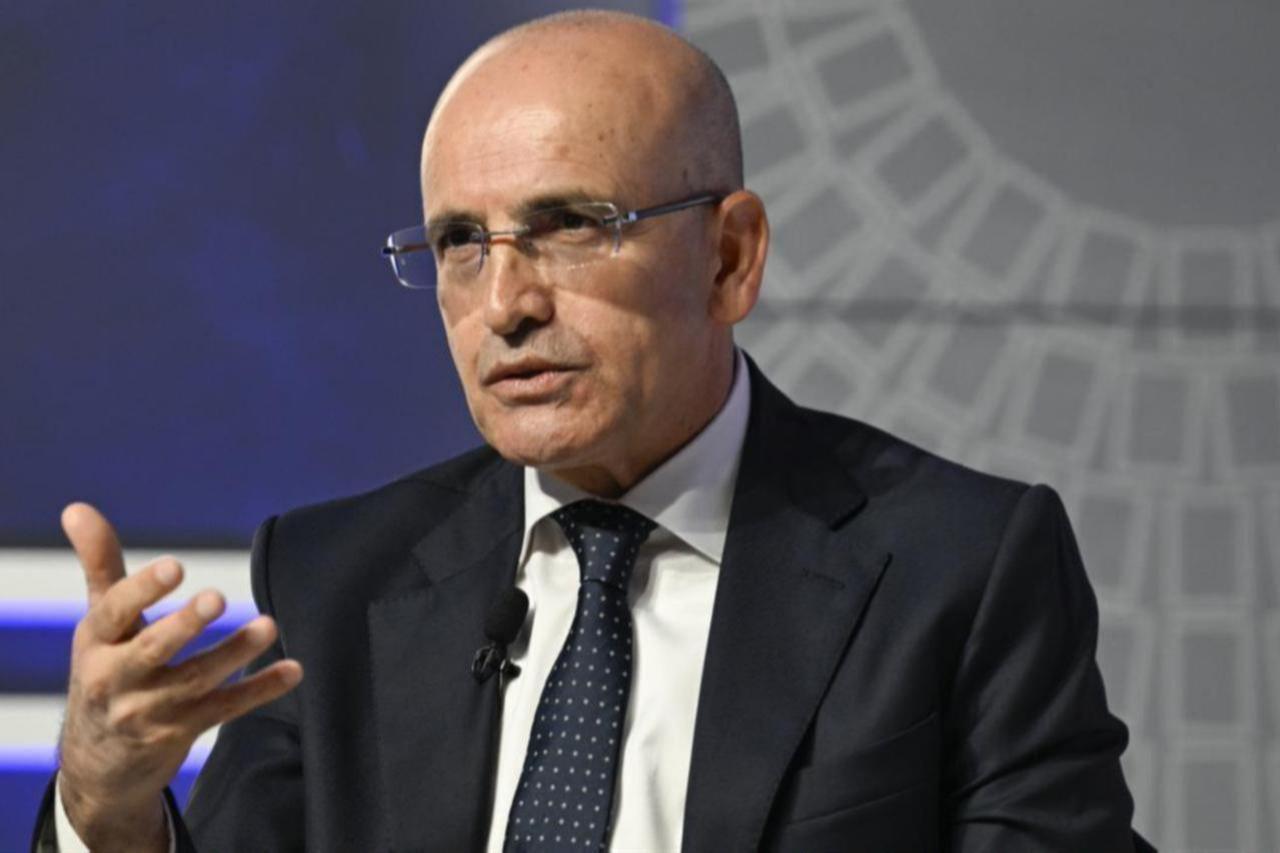


Treasury and Finance Minister Mehmet Simsek said the economic shock stemming from the war and its impact on energy markets is manageable and will not derail Türkiye's economic program.
He added that the government will do whatever is necessary to address inflation and that the country's resilience has already been proven.
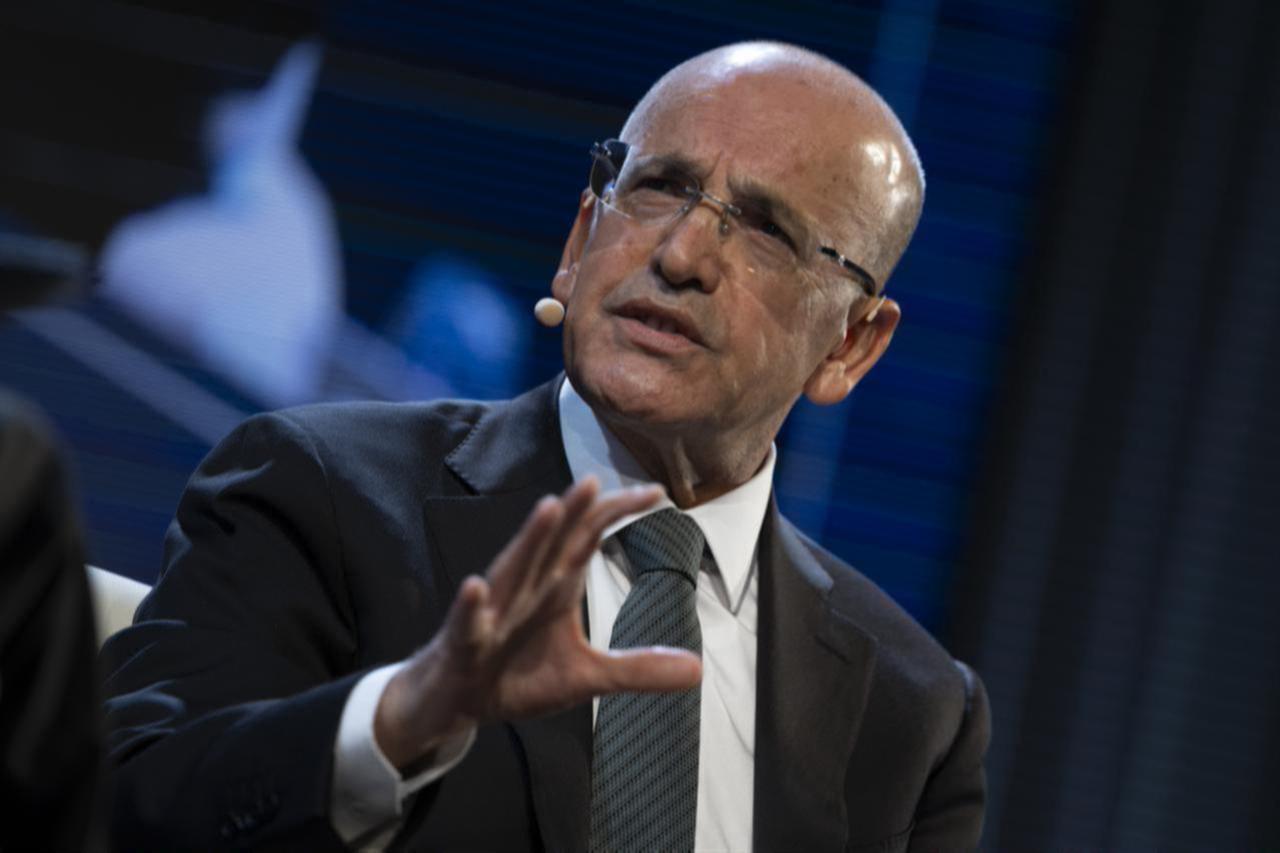
Speaking at the International Economy Summit, Simsek said the shock was a major one and that its effects on energy markets were significant, particularly because the Strait of Hormuz is a critical transit point.
He said the ceasefire remains fragile and expressed hope that it would continue, while warning that even if it holds, the effects would still be felt by both the global economy and Türkiye.
Simsek stated that the ongoing war has had a very large impact on energy markets, describing the Strait of Hormuz as a highly critical passage point.
While noting the existence of a "fragile ceasefire," Simsek expressed hope that the peace continues. However, he cautioned that the effects of the conflict remain significant. According to the Minister, even if the ceasefire holds, there will still be lasting damage to both the global economy and Türkiye.
Simsek further warned that growth expectations are currently moving downward as global financial conditions become increasingly tighter.
He said the destruction caused by the war and the rehabilitation that follows it will take time, and added that the effects will continue to be felt even if the ceasefire remains in place.
He also said that, geopolitically, neither the region nor the world will return to what it was before.
Simsek said Türkiye is resilient and that the country proved this last year and will prove it again this year.
He said the economic program has proven itself.
He said the key question now is whether the country can get through the current difficult period with the least possible damage.
According to Simsek, the most important source of Türkiye's resilience is that fiscal policy is in a strong position compared with the past.
He said that if the ceasefire does not hold, many countries could face energy problems, but Türkiye could remain relatively more resilient.
 1 min read
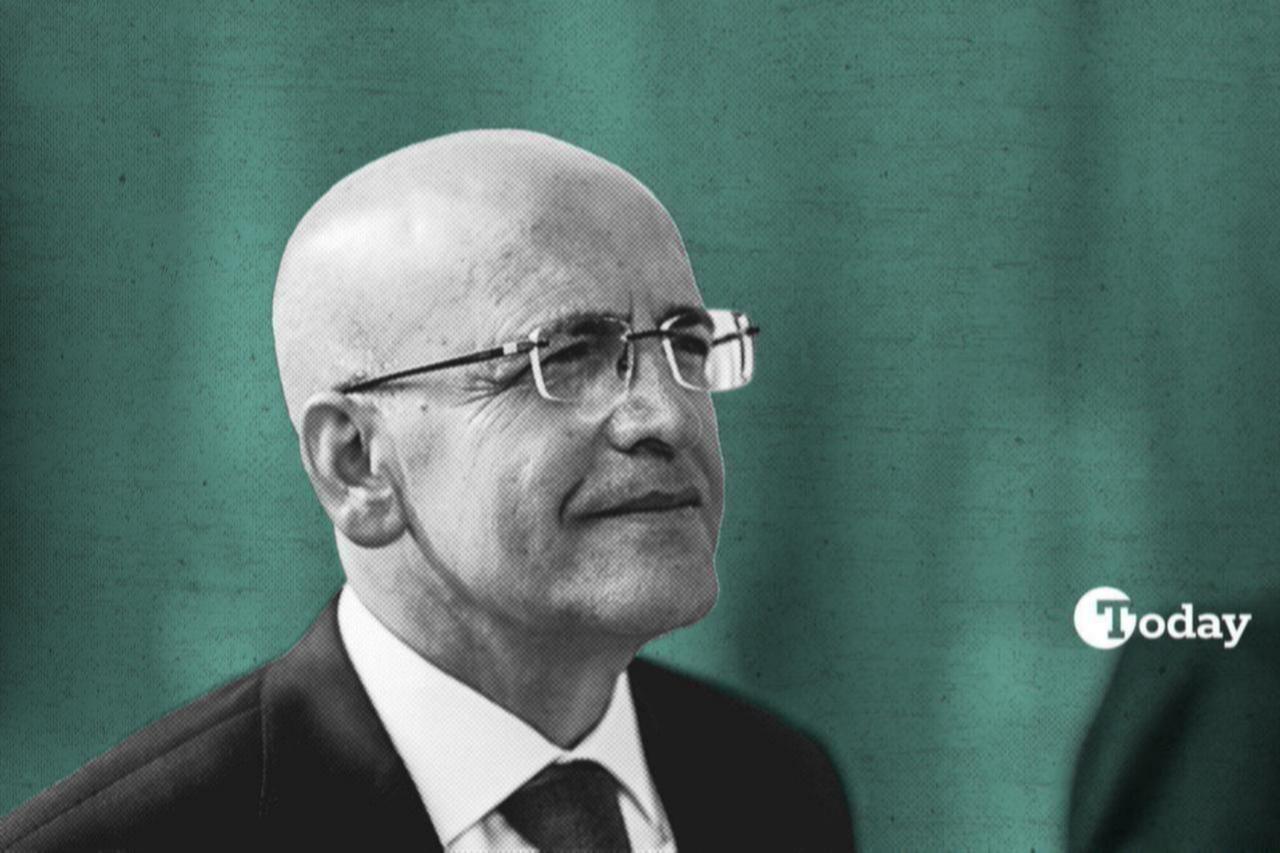
Simsek warned that rising oil prices will widen the current account deficit and impact the tourism sector.
While Türkiye’s deficit had previously reached a "comfortably manageable" level, Simsek expects a slight increase in the coming months.
Despite this shift, the minister emphasized that external financing needs will remain significantly lower than in previous years. He characterized the situation as a "manageable vulnerability" for Türkiye.
Simsek also said that total indebtedness in Türkiye is low and that, for this reason, the country will be able to get through the shock with minimal damage.
He said the current account deficit could rise by 1 percentage point and growth could decline by half a point.
Simsek maintained that while these effects are significant, they are not enough to derail the government's current economic program.
"We prioritized this program," Simsek said. "We see this shock as manageable."
Simsek said the government will do whatever is necessary to address inflation.
He said that if the average oil price for the full year is taken as $81, inflation could run three points higher than projected in the Medium-Term Program.
This, he said, was his second main message.
Simsek noted that Türkiye maintained a high level of reserves before the outbreak of the war, providing a critical buffer.
While the war triggered a slight decline in risk appetite—leading to capital outflows and limited domestic demand for foreign currency—the minister confirmed that capital inflows have since resumed following the ceasefire.
Currently, reserves have returned to what Simsek describes as a "sufficient level." Analyzing broader market reactions, he highlighted that Türkiye "positively differentiated itself" throughout the period, outperforming many other emerging economies despite the regional volatility.
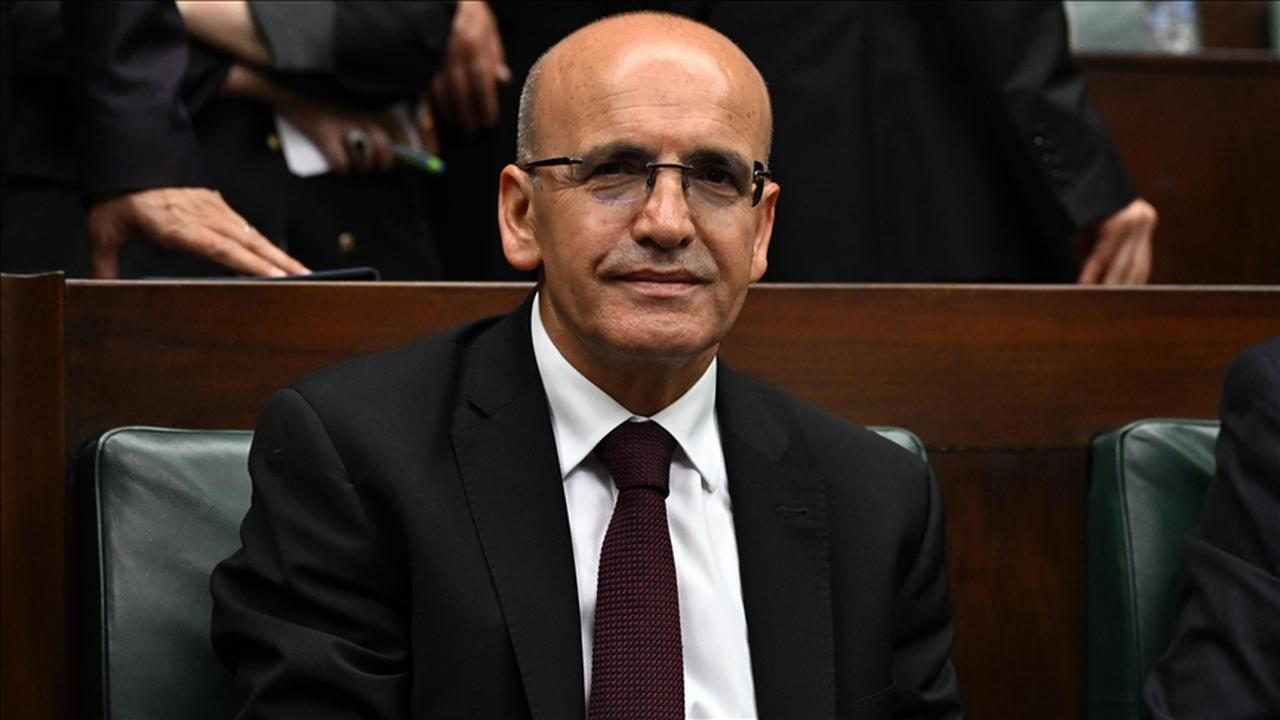

Simsek observed that while interest in foreign currency assets would typically spike during such periods, current demand remains unexpectedly low. He attributed this stability to the substantial "under-the-pillow" savings held by citizens.
According to the minister, large quantities of gold and foreign currency stored outside the banking system can make the national financial position appear weaker than it truly is. However, because these private reserves are so significant, Simsek noted that the current lack of demand for new foreign currency assets is a reasonable and expected outcome.
Simsek said there will be opportunities after the war.
He said one of those opportunities could be a fall in oil prices, because Venezuela will increase production.
He added that if there is stability in Iran, production there will also increase.
With increased production, he said, oil prices will most likely fall.
Simsek also said Türkiye is one of the countries best prepared to meet rising demand in the defense industry.
He added that because of the destruction caused by the war, Turkish construction companies will become more active in the region.


 Set as preferred source
 Set as preferred source


 1 min read