

 Newsletters


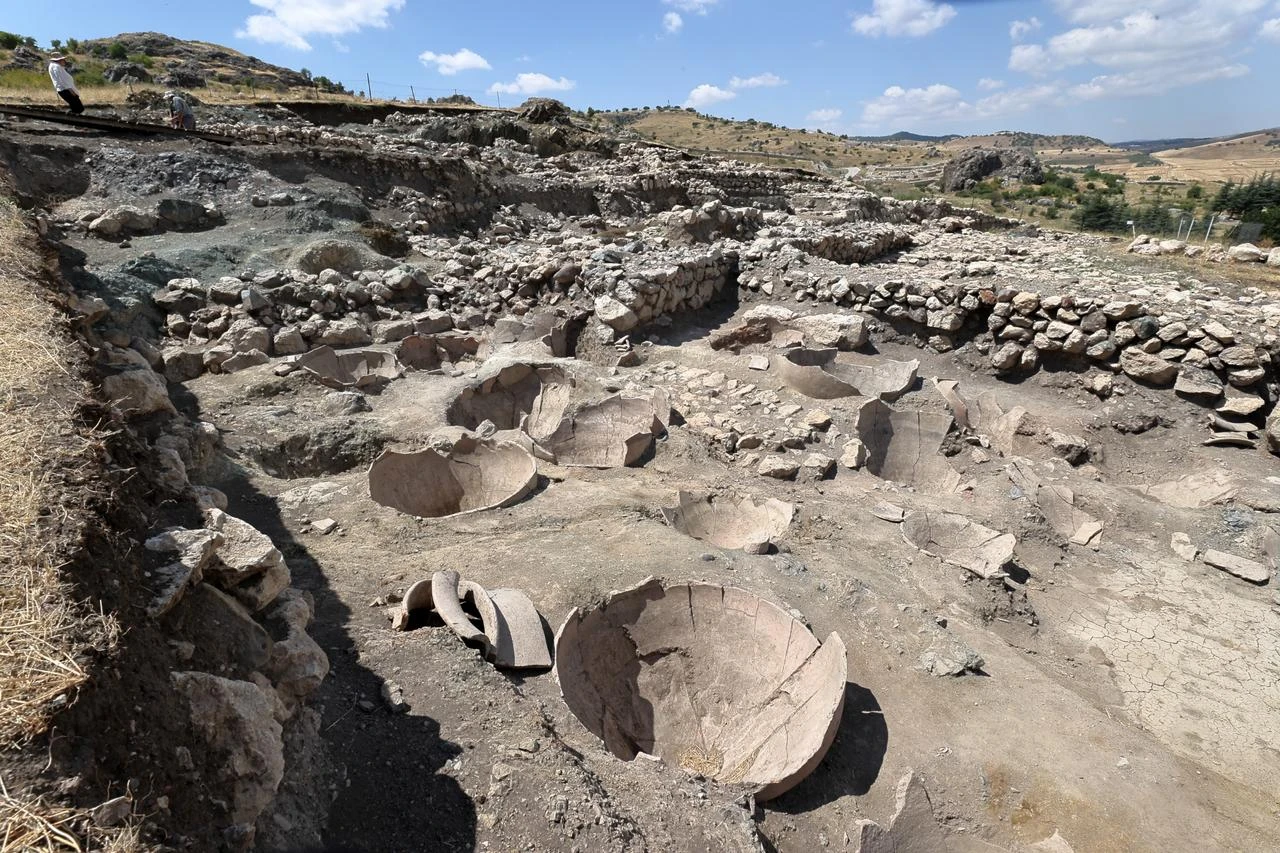


Archaeologists working at Hattusa, or Hattusha, in Türkiye's central Corum province have uncovered 16 large storage jars in what researchers believe was part of a commercial and storage center dating back about 3,800 years, shedding new light on the city before it became the capital of the Hittite Empire.
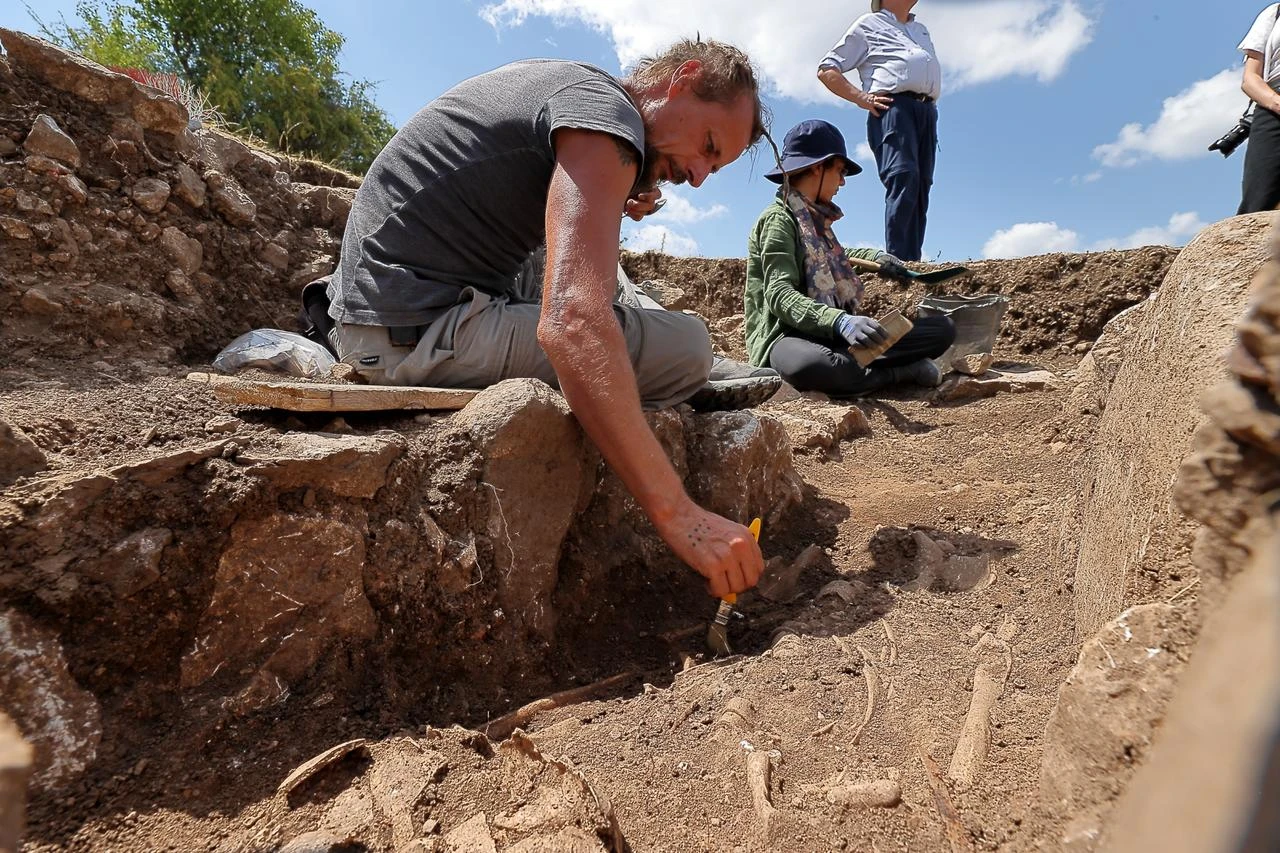
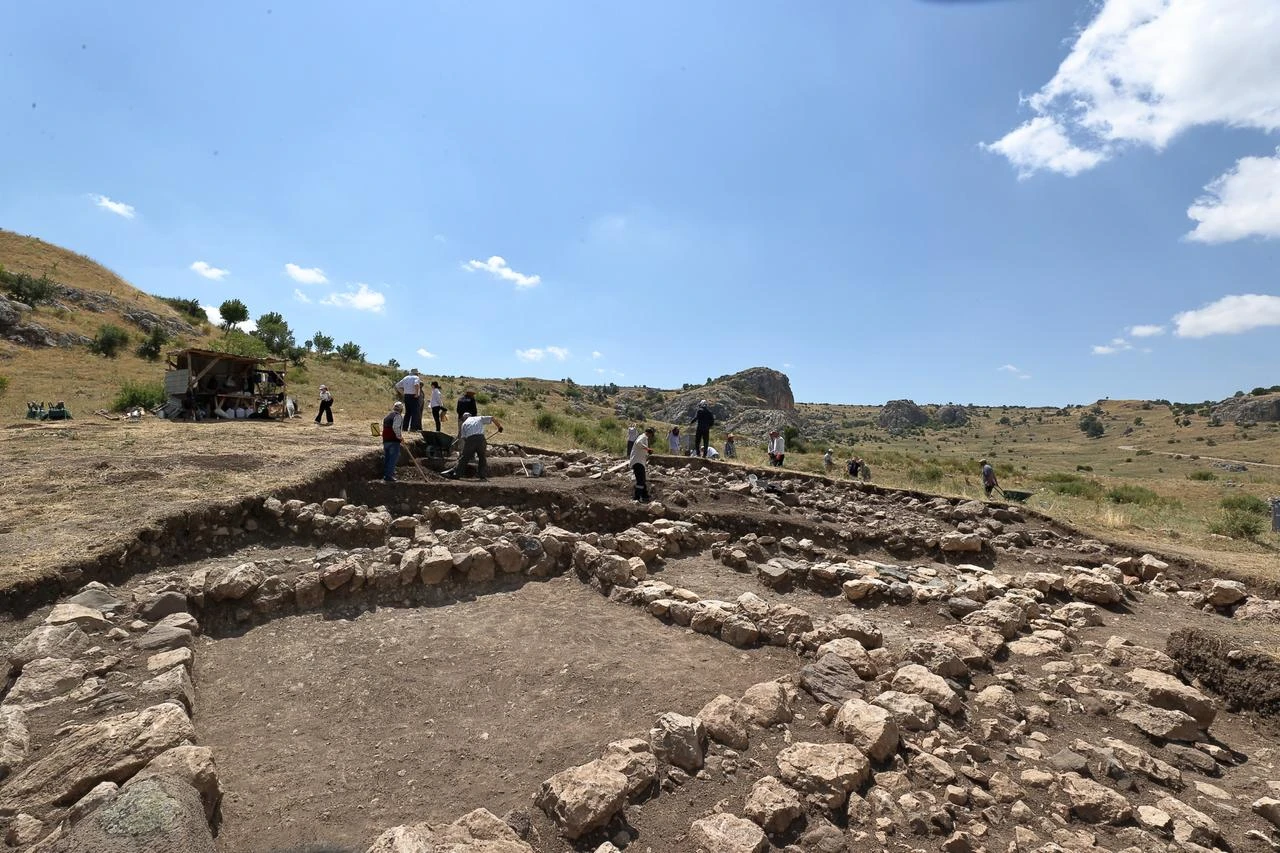
The discovery was made on the northwestern slope of Buyukkale, between the ancient city's Royal Palace and Great Temple, where excavations led by the German Archaeological Institute are continuing under excavation director Professor Andreas Schachner.
Researchers date the newly uncovered structure to around 1,800-1,750 B.C., placing it within the Assyrian Trade Colonies period and before Hattusa emerged as the political center of the Hittites.
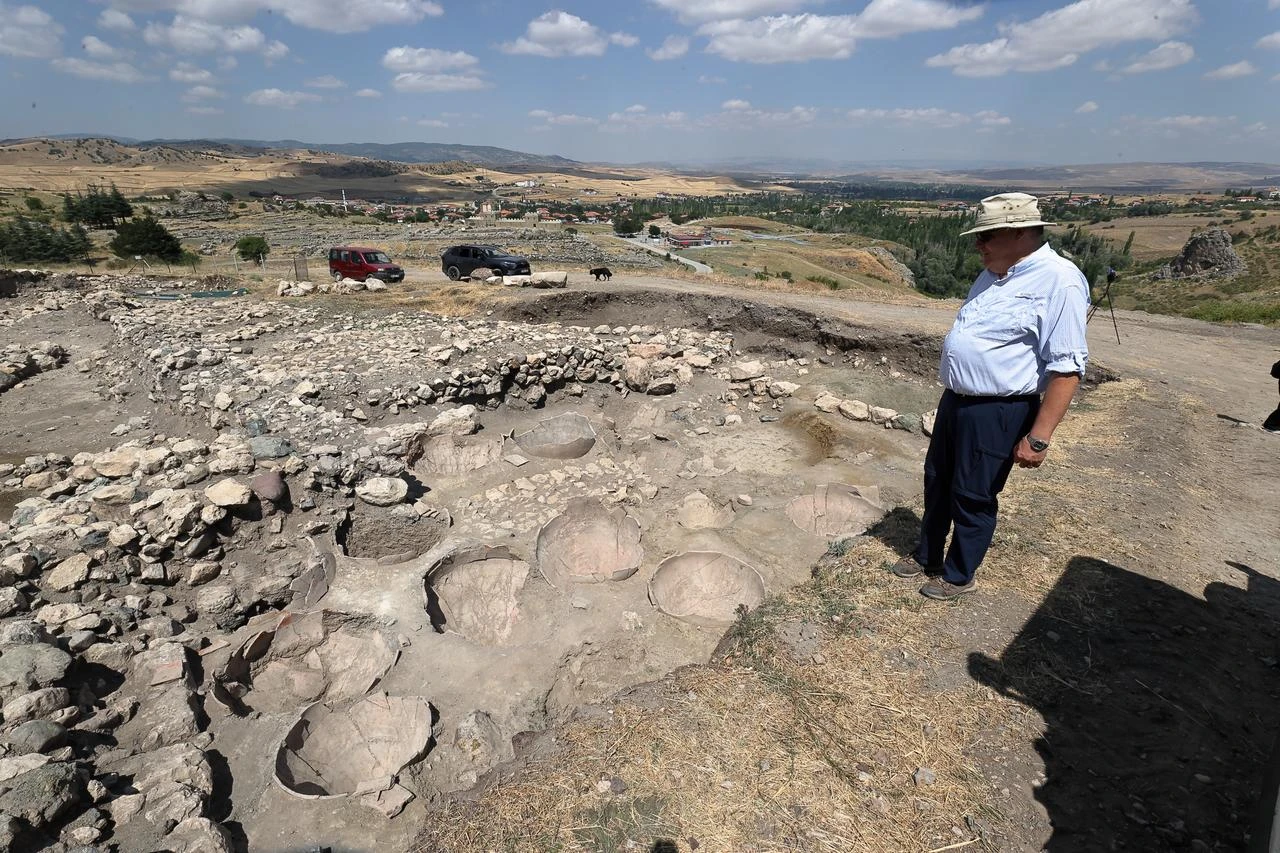

Before the Hittite period, the settlement was known as Hattush and included a colony of Assyrian merchants in its Lower City, according to Schachner.
At the newly excavated site, archaeologists found the western section of a storage building that had been set into a steep slope through a system of terraces and steps. A total of 16 large jars have so far been identified.
Schachner said the vessels would have been used during the Middle Bronze Age, also known locally as the Karum period, to collect and store agricultural produce and other provisions.
A similar structure was uncovered during excavations in the 1960s about 30 meters northeast of the current site, strengthening the possibility that archaeologists have reached a larger commercial and storage district.
"We seem to have come across the commercial and storage center of Hattush from that period," Schachner said.
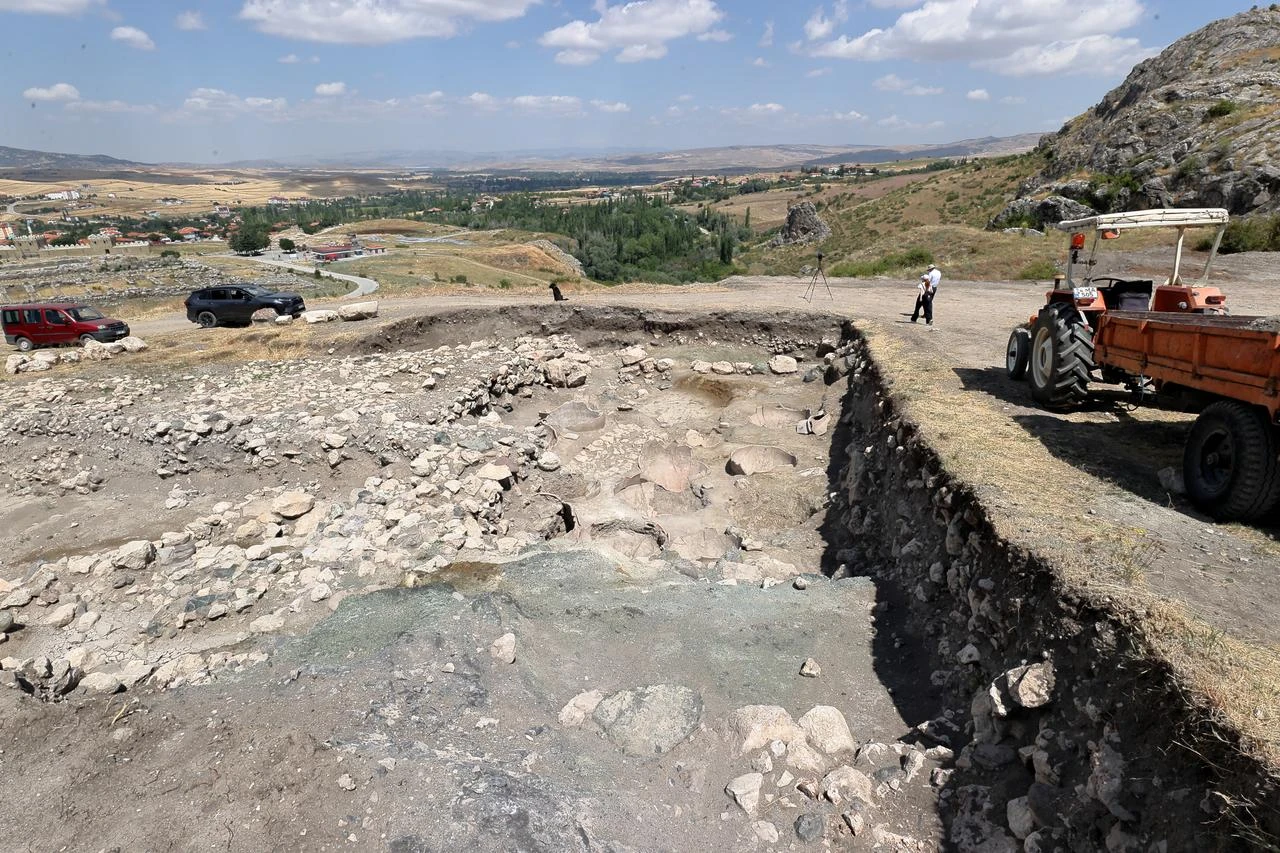
The complex was heavily damaged by a major landslide, which also affected buildings later constructed over the area during the Hittite period.
"This slope allows us to see how people struggled with the power of nature throughout the ages and did not give up. This is a very interesting thing," Schachner said.
Because the upper sections of the jars were destroyed, archaeologists have not yet been able to work out their original capacity. The surviving remains nevertheless suggest that the building was substantial and continued farther west, where excavations have now begun.
Researchers are removing the archaeological layers gradually in an effort to uncover the complex as a whole, although landslide damage on its northern side means its original boundaries remain uncertain.
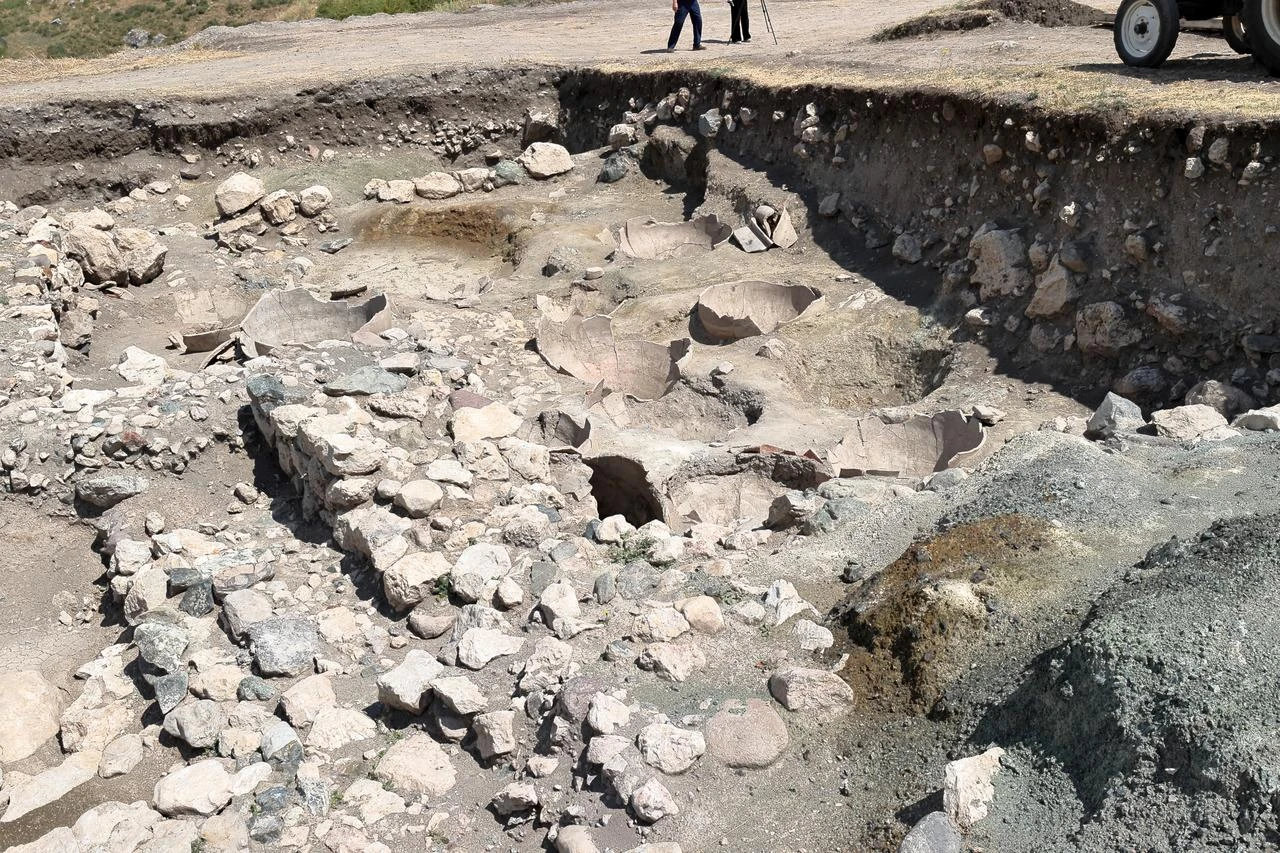
No preserved products have yet been recovered from inside the jars because the landslide filled them with sand, mud, stones and other debris from higher up the slope.
Researchers will, however, carry out botanical analysis on soil collected from the bottom of the vessels. The samples will be washed and examined for surviving seeds, which could eventually provide clues about what was stored in the building.
Hattusa, a UNESCO World Heritage site whose archaeological and documentary heritage is also recognized under UNESCO's Memory of the World program, contains remains stretching across several periods, including the Chalcolithic, pre-Hittite, Hittite, Iron Age, Galatian, Roman and Byzantine eras.
The ancient city later served as the Hittite capital for about 450 years, while continuing excavations are bringing out evidence of the earlier settlement that developed there before the rise of the Hittite state.


 Set as preferred source
 Set as preferred source


 1 min read
 1 min read


