Newsletters


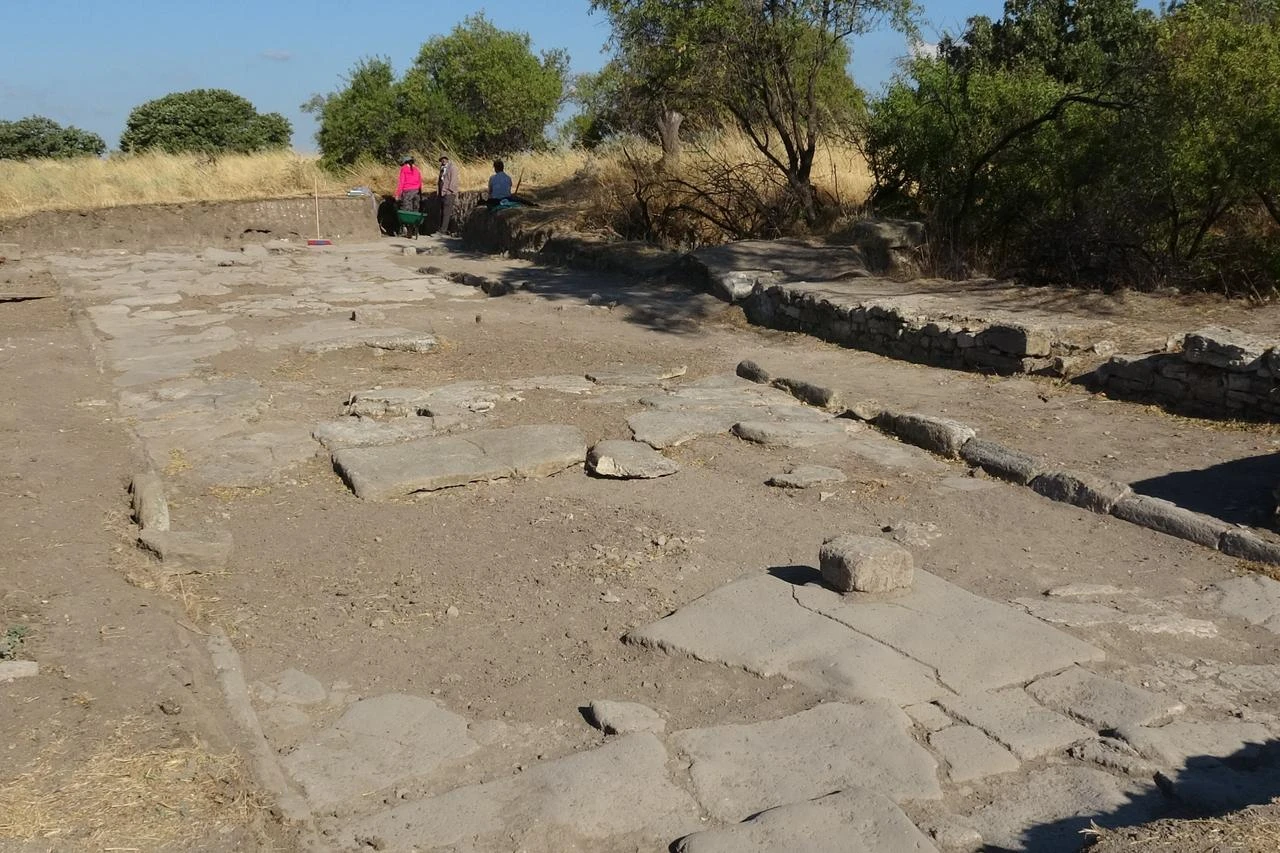


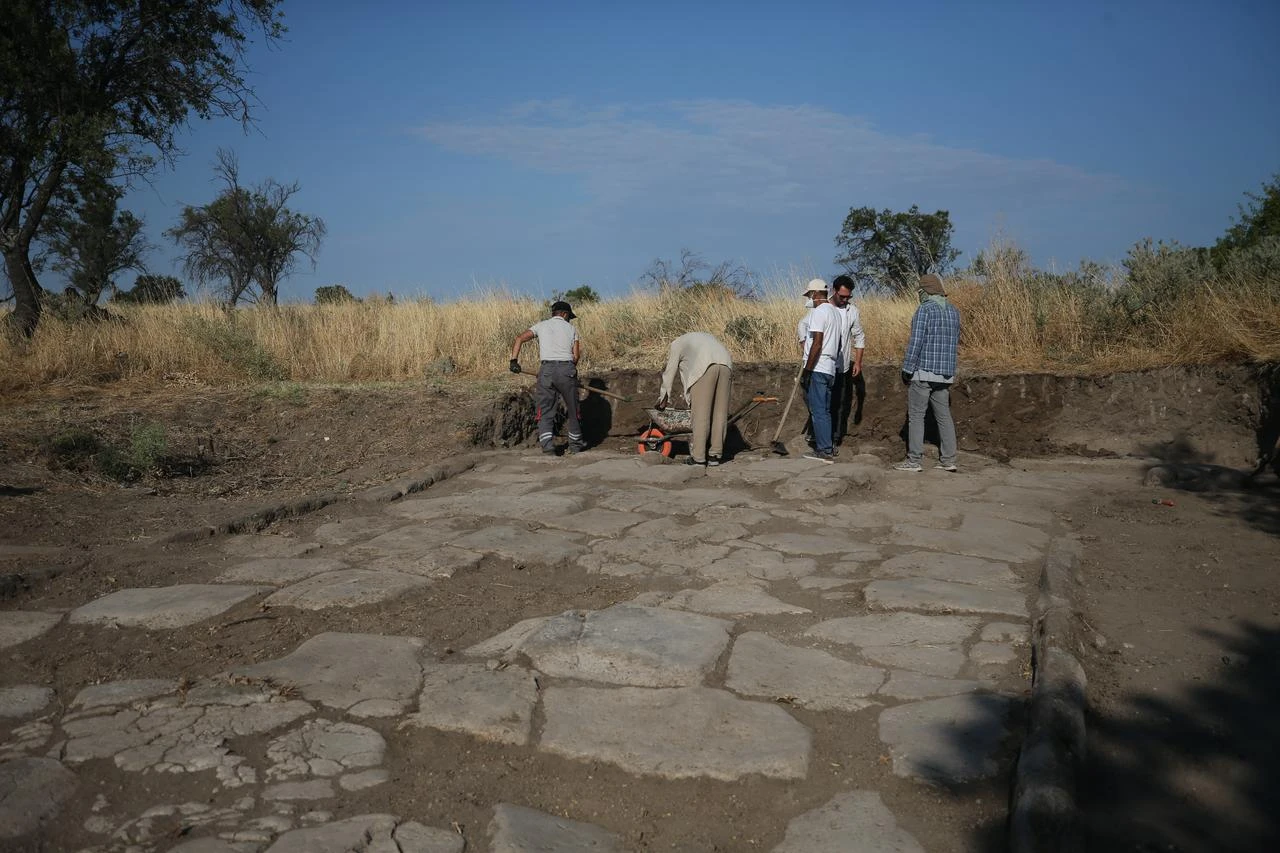
A major Roman-era street dating back around 2,000 years is being uncovered at the ancient city of Troy in Canakkale, northwestern Türkiye, as archaeologists focus on revealing the city's Hellenistic and Roman lower settlement.
The excavations are being carried out under Türkiye's Ministry of Culture and Tourism's "Heritage to the Future" project, with researchers planning to expose the section of the street leading toward the archaeological site and eventually open the area to visitors.
Troy, located within the boundaries of Tevfikiye village and associated with the legendary Trojan War, represents around 5,600 years of settlement history. The archaeological site was added to UNESCO's World Heritage List in 1998.
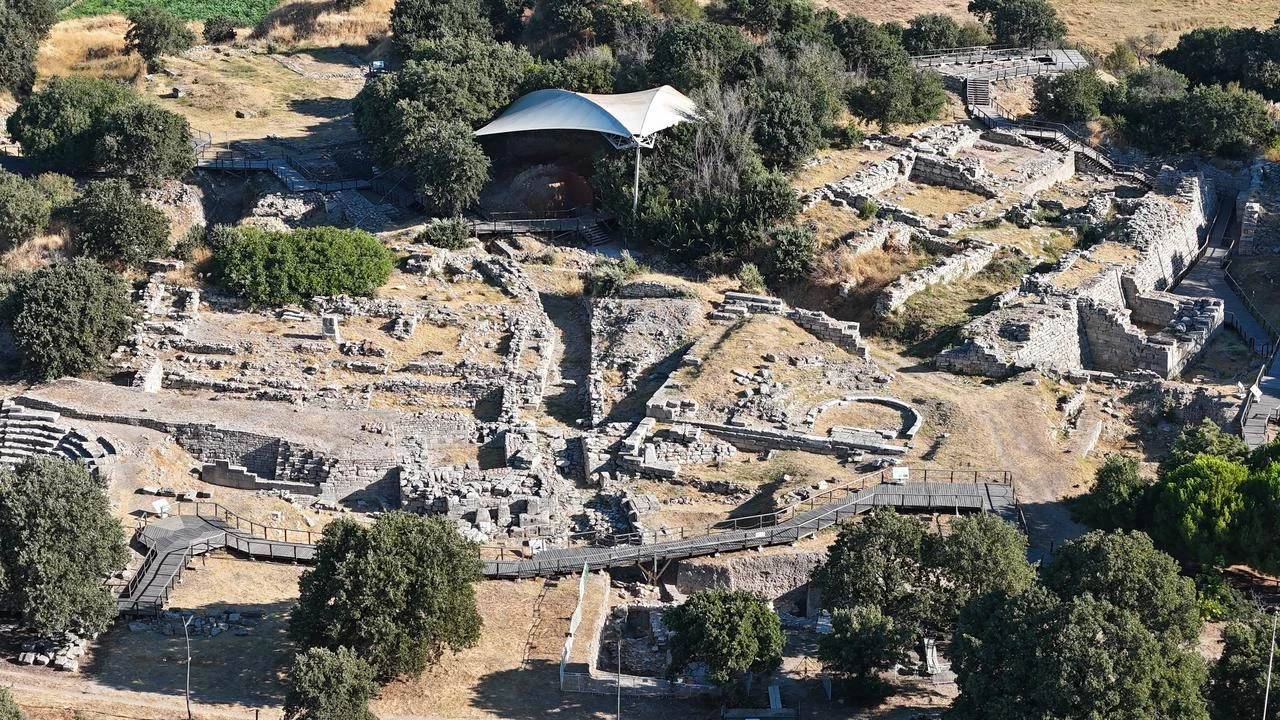

Troy excavation director Professor Rustem Aslan said the 2026 season was concentrating on the Hellenistic and Roman lower city, where archaeologists are currently working along one of the settlement's major Roman streets.
Aslan said the team would continue uncovering the road toward the main archaeological area, while longer-term plans aim to make the Roman section of Troy accessible to visitors.
He explained that Roman Troy was laid out using an "insula" system, a grid-based urban plan in which major streets ran north-south and east-west, with houses and shops arranged along both sides.
Earlier magnetic surveys carried out during excavations led by Manfred Korfmann had already allowed researchers to make out much of the lower city's overall plan, Aslan added.
According to Aslan, Troy expanded significantly during the Roman period after Emperor Augustus visited the city around 20 B.C. and supported its development, including the construction of major buildings and temples.
He connected that interest to Rome's foundation mythology, which traced its origins back to Troy through the story told in Virgil's Aeneid.
Aslan said the epic follows Aeneas leaving the destroyed Troy and heading west while carrying his father Anchises and leading his son, forming the mythological link between Troy and the origins of Rome.
"Rome based its foundation mythology on Troy," Aslan said, adding that Roman soldiers, emperors, politicians and artists later came to the city and drew inspiration from its history and remains.
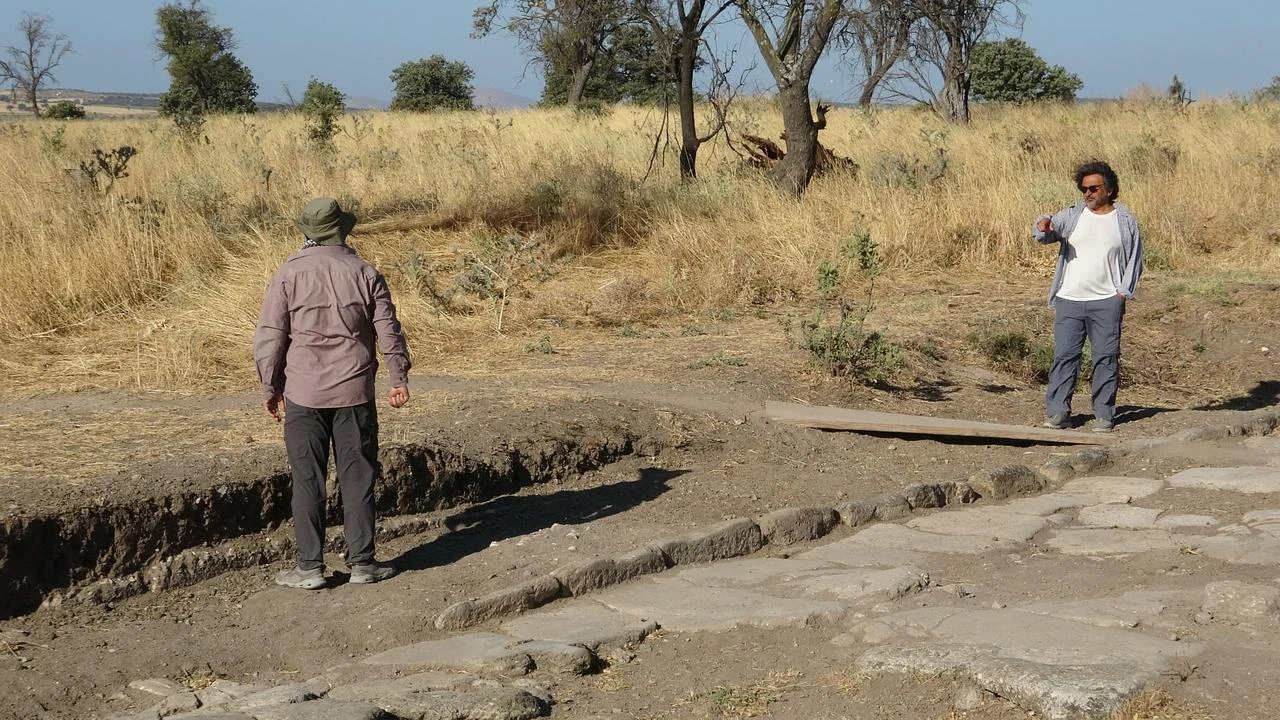
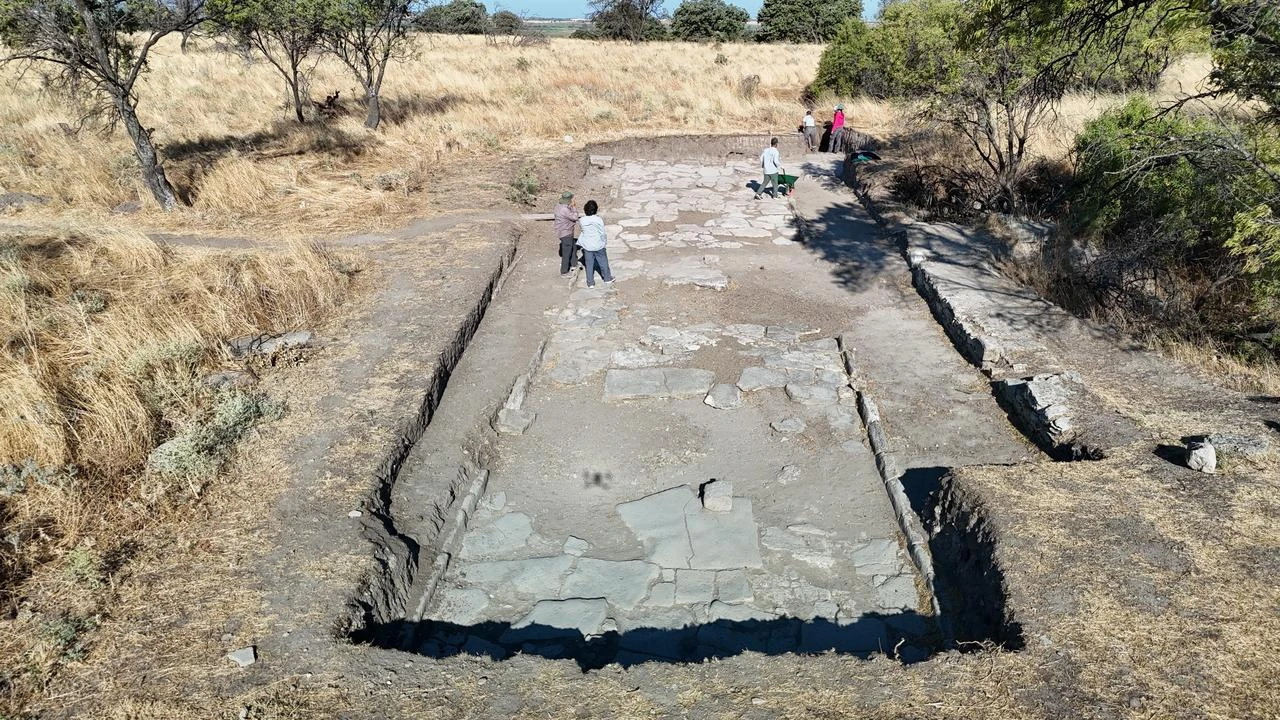
The street being excavated remained in use from around the late first century B.C. through approximately the fifth century A.D., according to Aslan.
He said historical sources record two major earthquakes in the fifth century, after which the city was not rebuilt.
By gradually uncovering the Roman street and the structures surrounding it, the excavation team aims in the coming years to allow visitors to walk through and better see Troy's Roman-era streets, avenues and buildings.


 Set as preferred source
 Set as preferred source


 2 min read
 1 min read