

 Newsletters


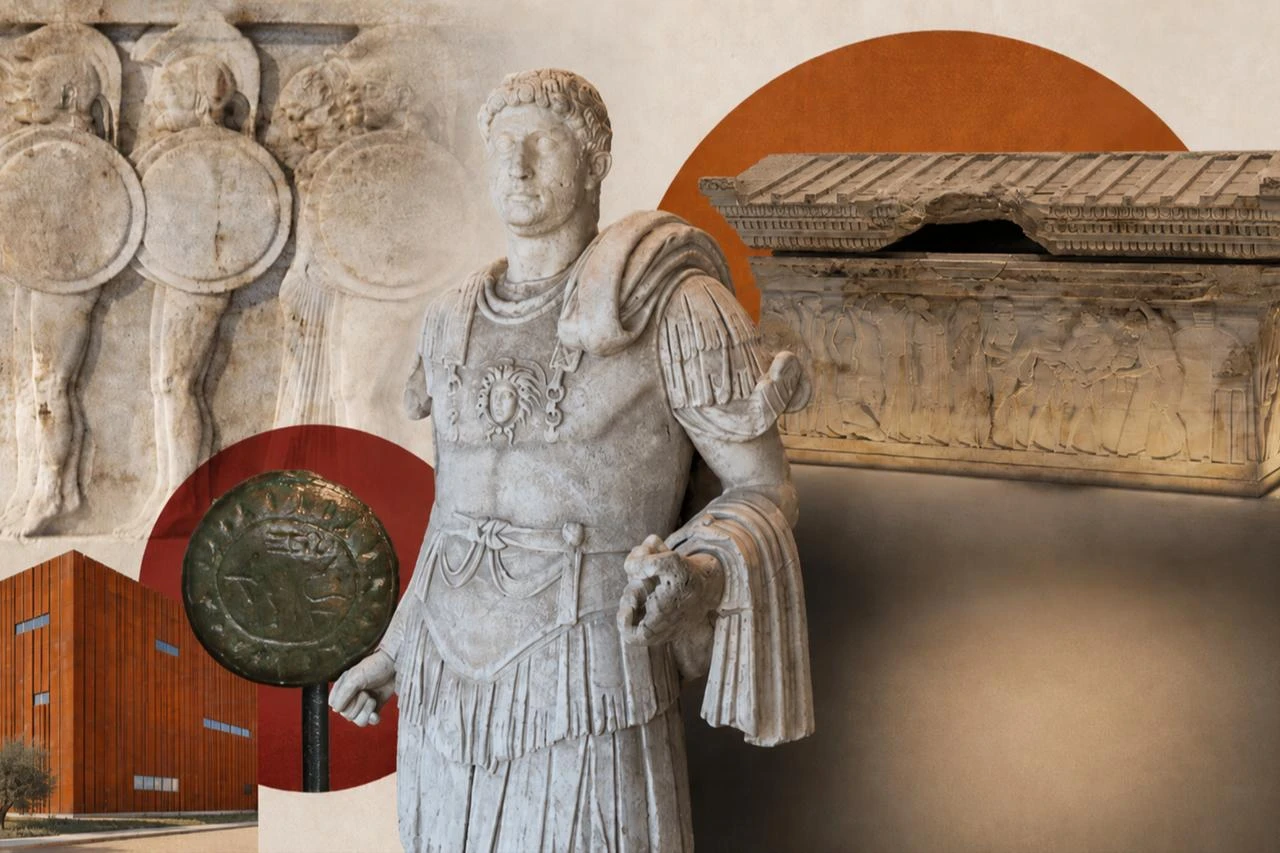


Christopher Nolan's upcoming "The Odyssey" has pushed Homer's ancient epic back into the cultural spotlight, drawing renewed attention to Troy, where Odysseus' long journey home begins after the legendary war.
Although the film was not shot in Türkiye, visitors looking to explore the history and mythology behind the story can start at the Troy Museum in Canakkale. Located beside the UNESCO-listed archaeological site of Troy, the museum brings together nearly 5,000 years of history from the wider Troas region.
Its collection ranges from the Polyxena Sarcophagus and Troy's Bronze Age gold objects to a statue of Roman Emperor Hadrian, a Luwian seal and burial finds from the Dardanos Tumulus.
The Odyssey follows Odysseus as he attempts to make his way back to Ithaca after the fall of Troy. While the epic moves across different islands and seas, the journey begins with the destruction of the city that stood in what is now northwestern Türkiye.
The museum allows visitors to connect that literary world with material evidence from Troy and its surrounding region. However, its displays do not focus solely on the Trojan War.
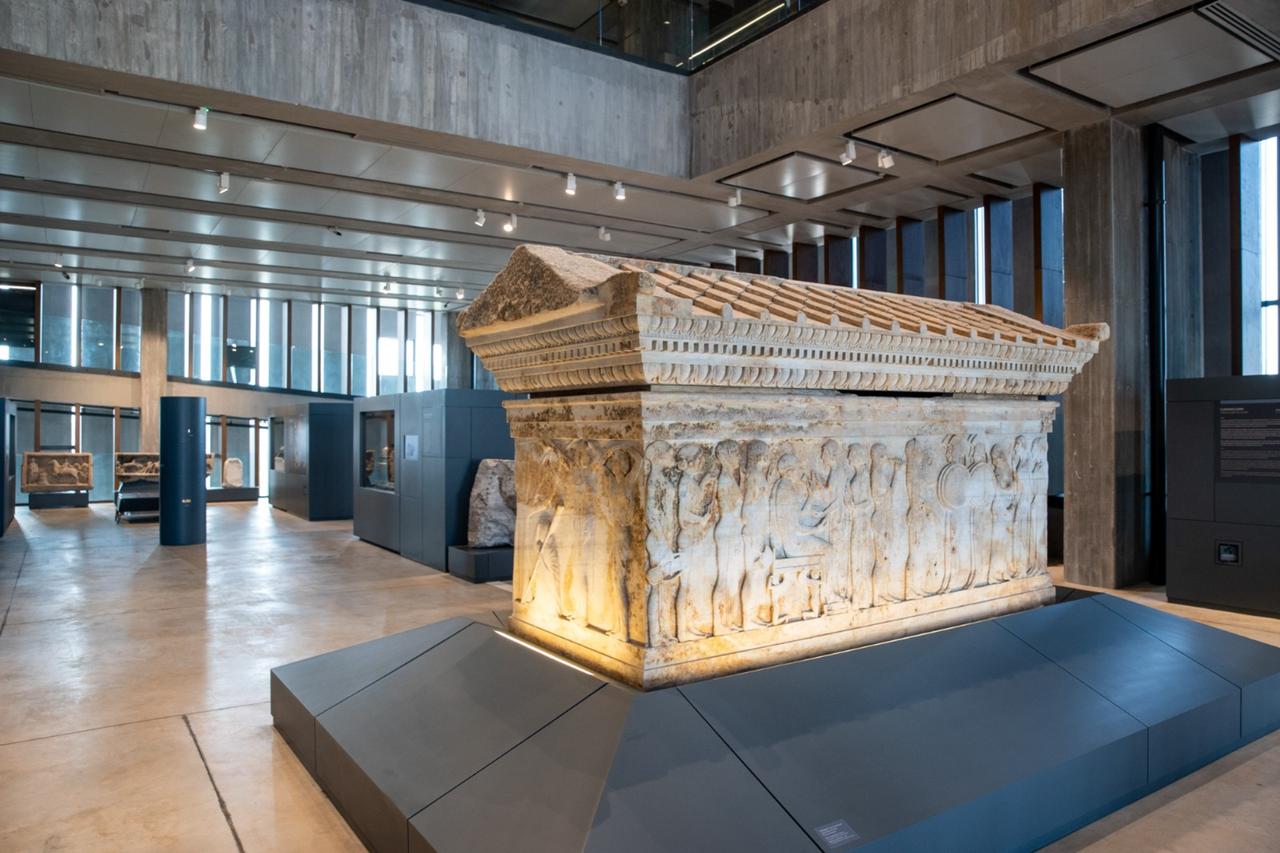

Objects from Assos, Parion, Alexandria Troas and other ancient settlements place the story within the broader history of the Troas peninsula.
This approach brings mythology and archaeology together while also presenting daily life, trade, religious practices and burial traditions across different periods.
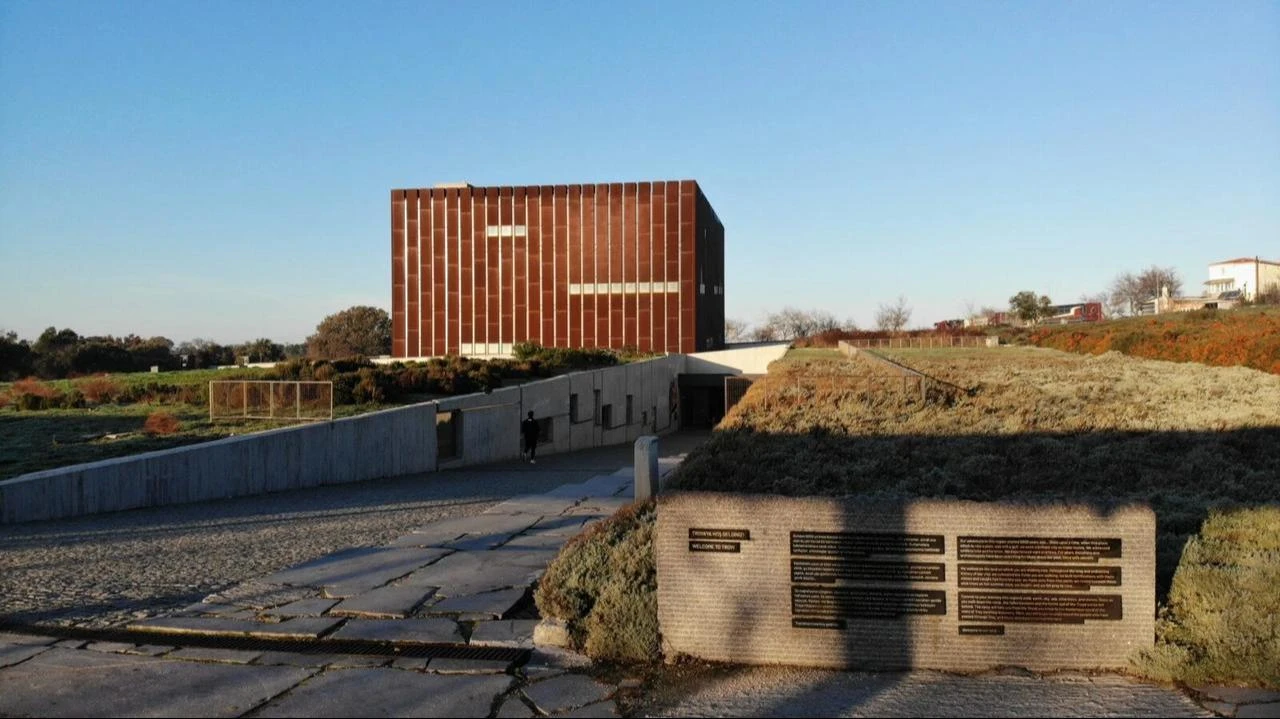
The museum opened in 2018 after a design by Yalin Architecture won a national competition launched in 2011. Its weathered steel exterior gives the building the appearance of an archaeological object emerging from the landscape.
Inside, visitors follow a continuous ramp stretching for about 480 meters rather than moving through a series of separate galleries. The route gradually works its way up through Troy's historical layers, beginning with basic archaeological concepts and moving from the Bronze Age into the Roman period.
Artifacts, digital displays and reconstructions set out this chronology across approximately 3,000 square meters of exhibition space.
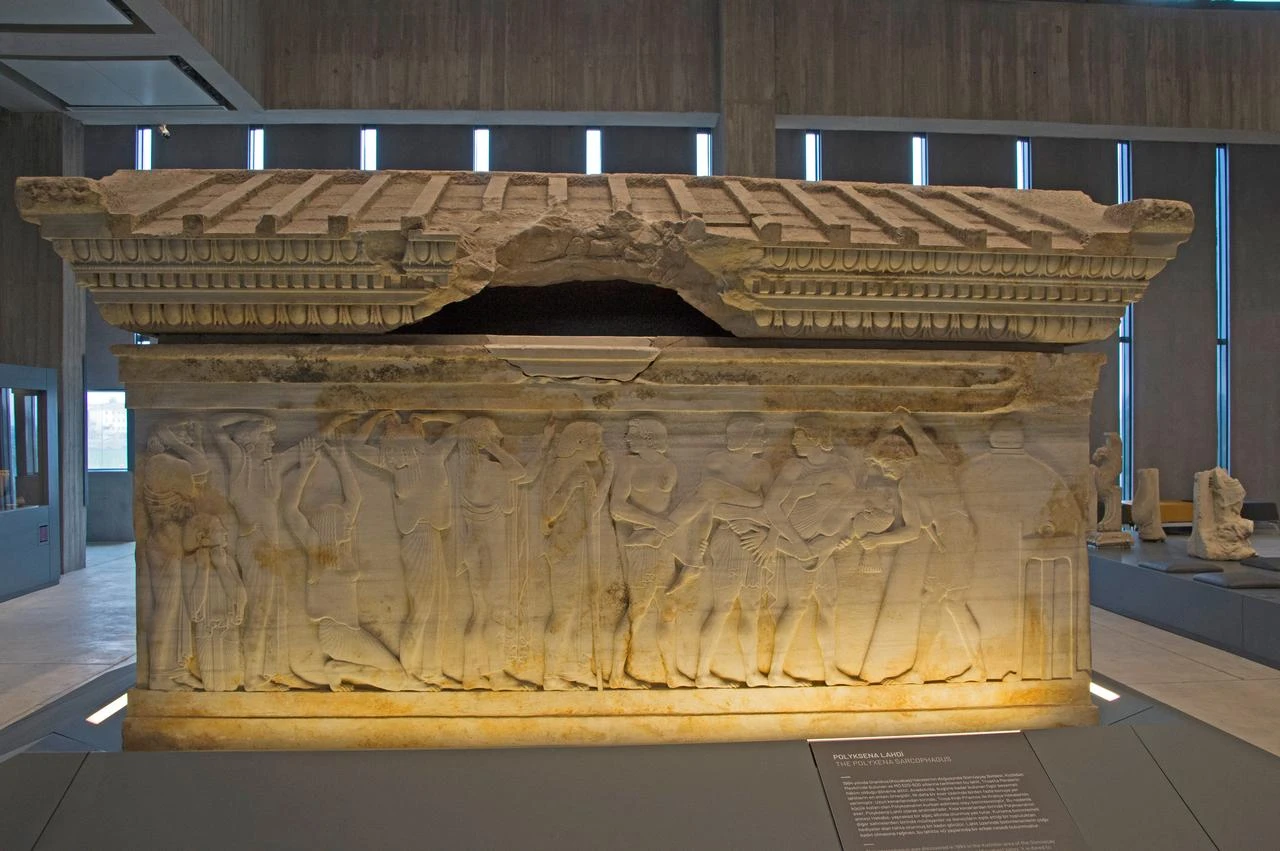
One of the museum's best-known objects is the Polyxena Sarcophagus, which dates to around 520-500 B.C. and is regarded as one of the oldest surviving figuratively decorated sarcophagi from Anatolia.
The marble sarcophagus was uncovered during rescue excavations at the Kizoldun Tumulus near Biga in 1994. Its most famous relief shows Polyxena, the youngest daughter of Troy's King Priam and Queen Hecuba, being sacrificed at the tomb of Achilles after the war.
Other sides feature preparations for a wedding, scenes of feasting and expressions of mourning. An adult male skeleton and bronze components from a chariot were also found inside the tomb, suggesting that the sarcophagus may have been created for an elite family before being used for another burial.
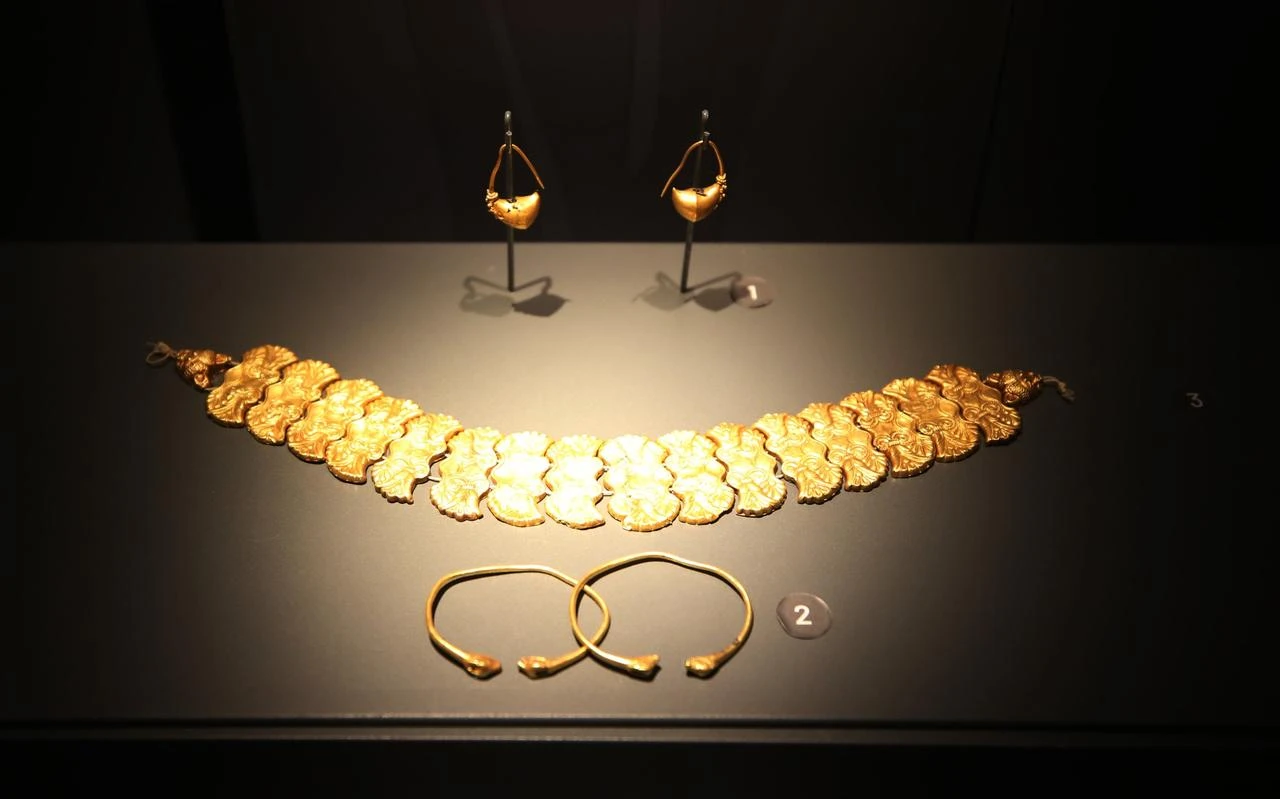
The museum's gold collection includes diadems, earrings, necklaces and other ornaments dating back to the Bronze Age. The objects highlight Troy's metalworking skills, aesthetic traditions and connections with wider commercial networks.
Their modern history is also tied to the controversial excavations carried out by Heinrich Schliemann in the 19th century, when finds were removed from Ottoman territory without official permission.
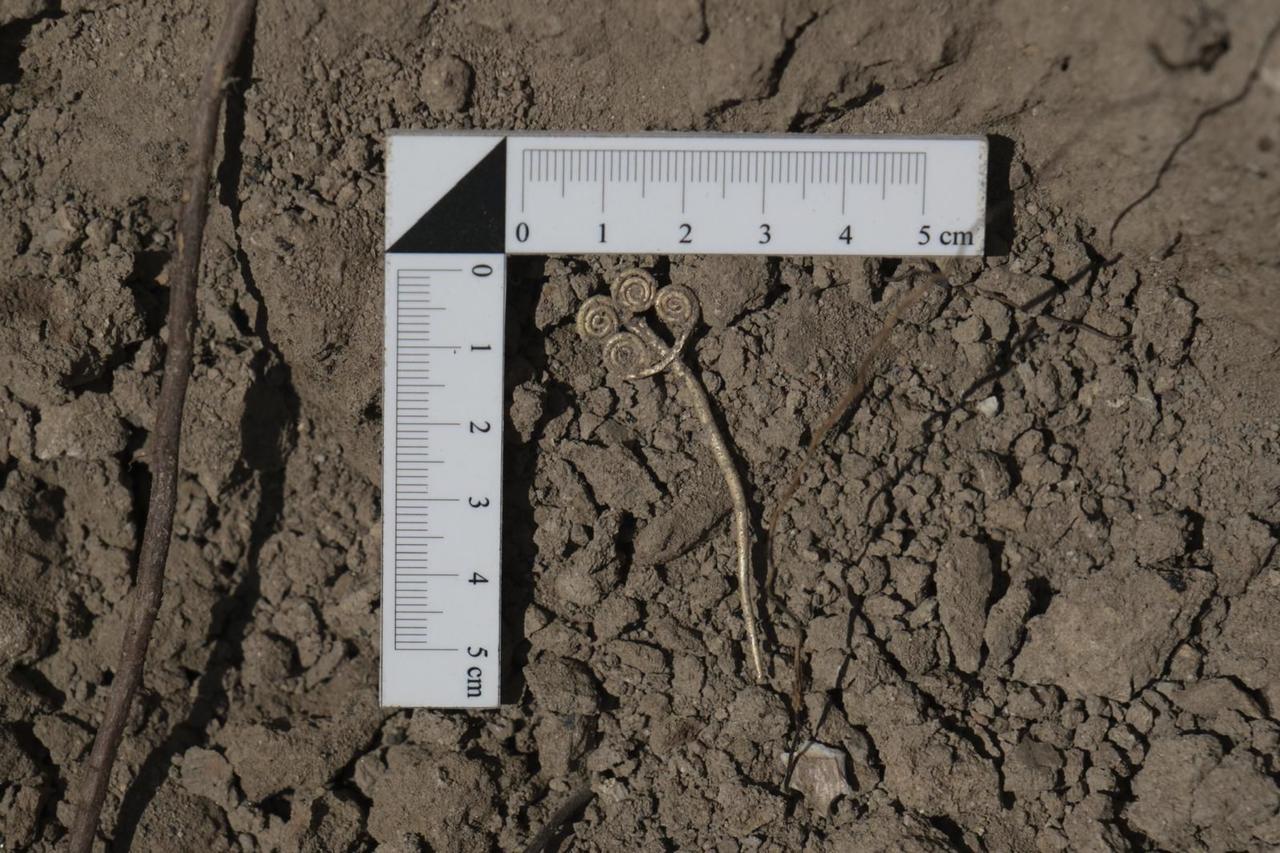
Some of the gold objects now displayed at the museum came from collections held by the Istanbul Archaeology Museums. Another group entered the University of Pennsylvania Museum of Archaeology and Anthropology in 1966 before research established its connection to Troy.
Those pieces were returned to Türkiye in 2012 through cooperation between the university and the Turkish Culture and Tourism Ministry. The museum's "Lost Heritage" section traces the movement of Troy's artifacts into foreign museums and collections while setting out efforts to bring cultural property back.
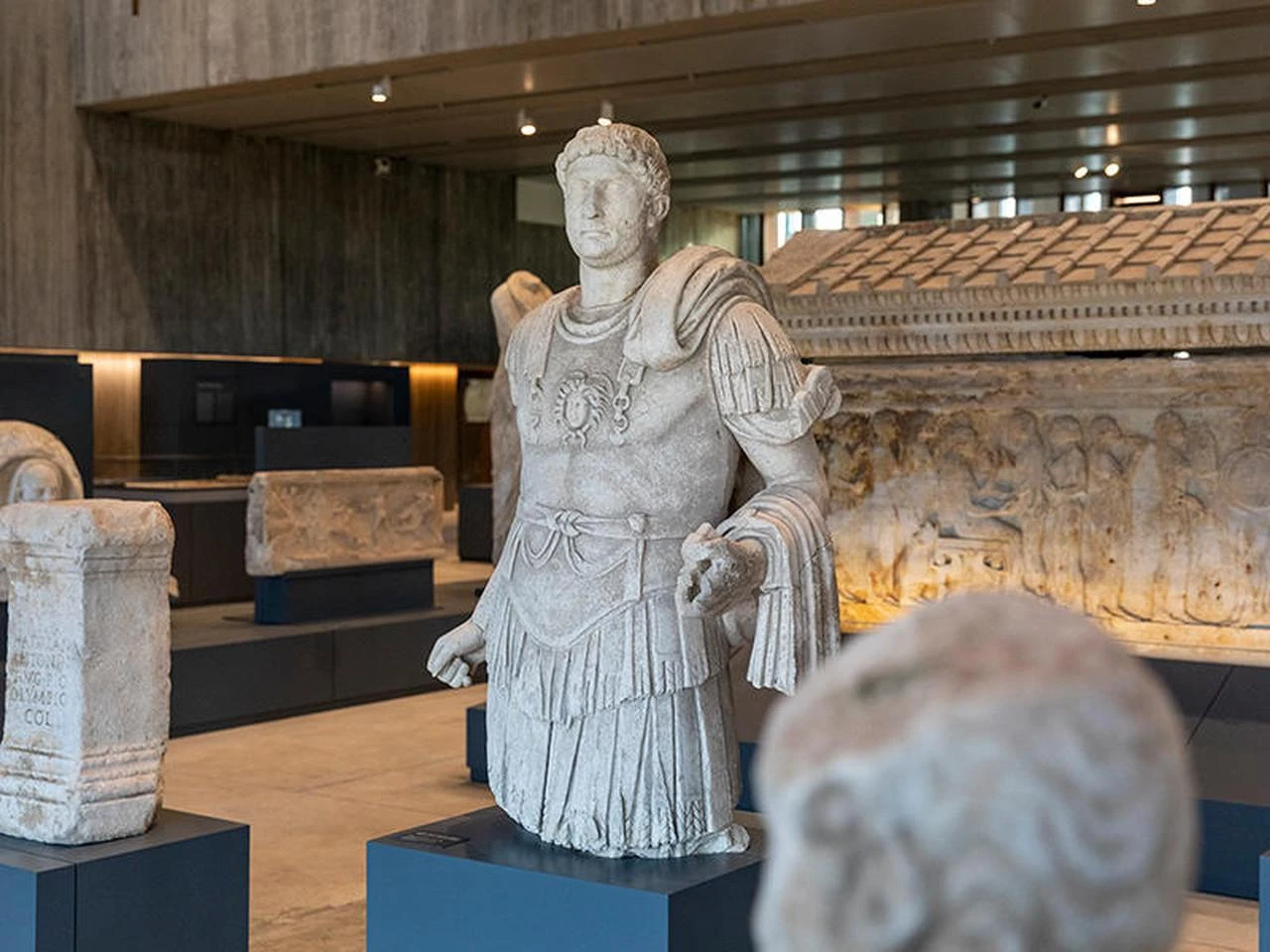
A marble statue of Emperor Hadrian, discovered during excavations at Troy in 1993, is among the museum's major Roman-period works.
The emperor is shown wearing armor and a cloak, with the head of Medusa carved across his chest as a protective symbol. The statue dates to Hadrian's reign between A.D. 117 and 138.
Hadrian visited Troy in A.D. 124 and provided financial support for the renovation of the city's Odeon, a small ancient venue used for music, performances, and public gatherings.
Rome's interest in Troy was closely connected to the tradition that traced Roman ancestry back to Aeneas, a Trojan hero who escaped the fallen city. As a result, Troy continued to hold a privileged place in Roman cultural memory.
Other important displays include a marble statue of Triton from the ancient city of Parion and a Luwian seal that helps shed light on written communication and cultural ties between Troy and Bronze Age Anatolia.
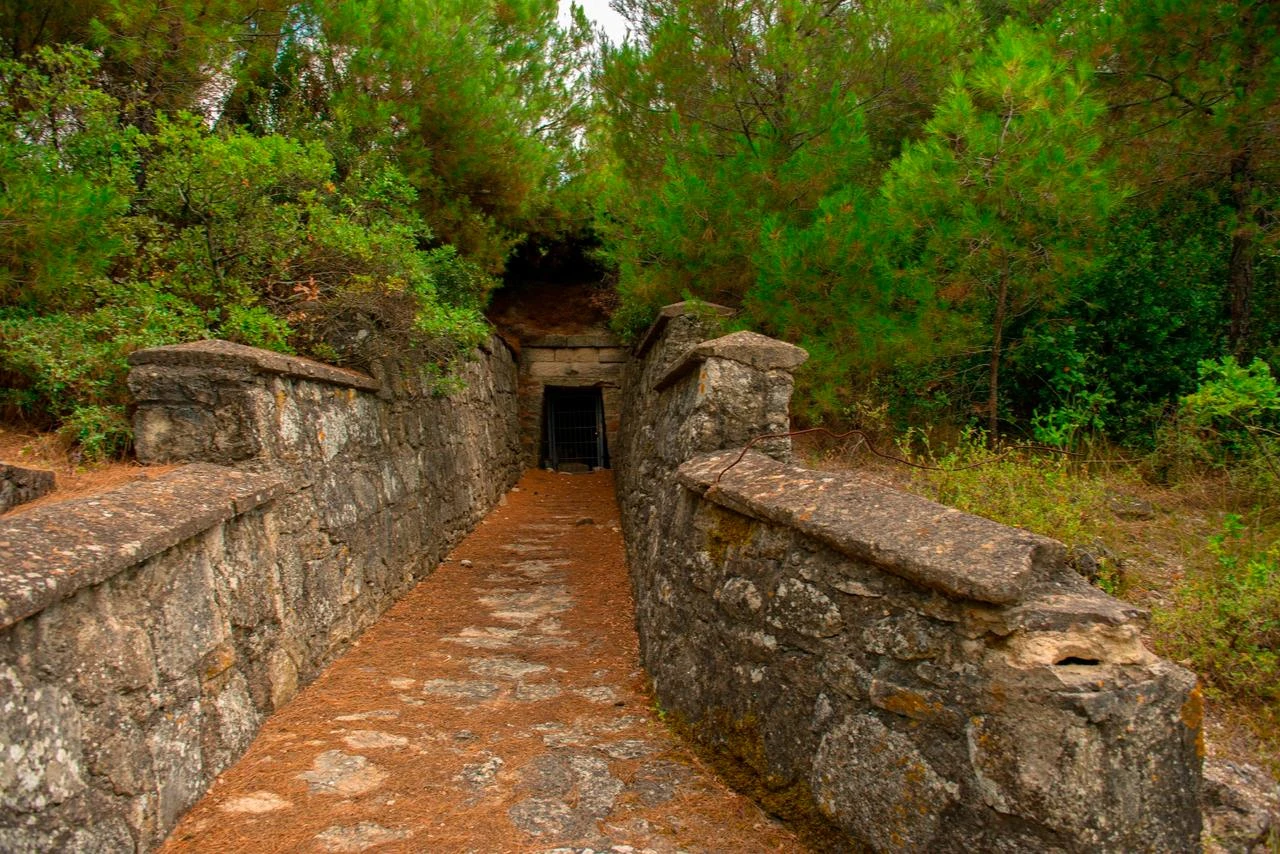
Finds from the Dardanos Tumulus, including gold jewelry, weapons and burial gifts, provide evidence of elite life and funerary traditions in the region. A Roman bronze amphora from Parion reflects Troas' role in maritime trade, while glassware, pottery, jewelry and personal objects from Assos bring out details of everyday life and burial customs.
The museum also houses a group of terracotta musician figurines from the western necropolis of Assos.
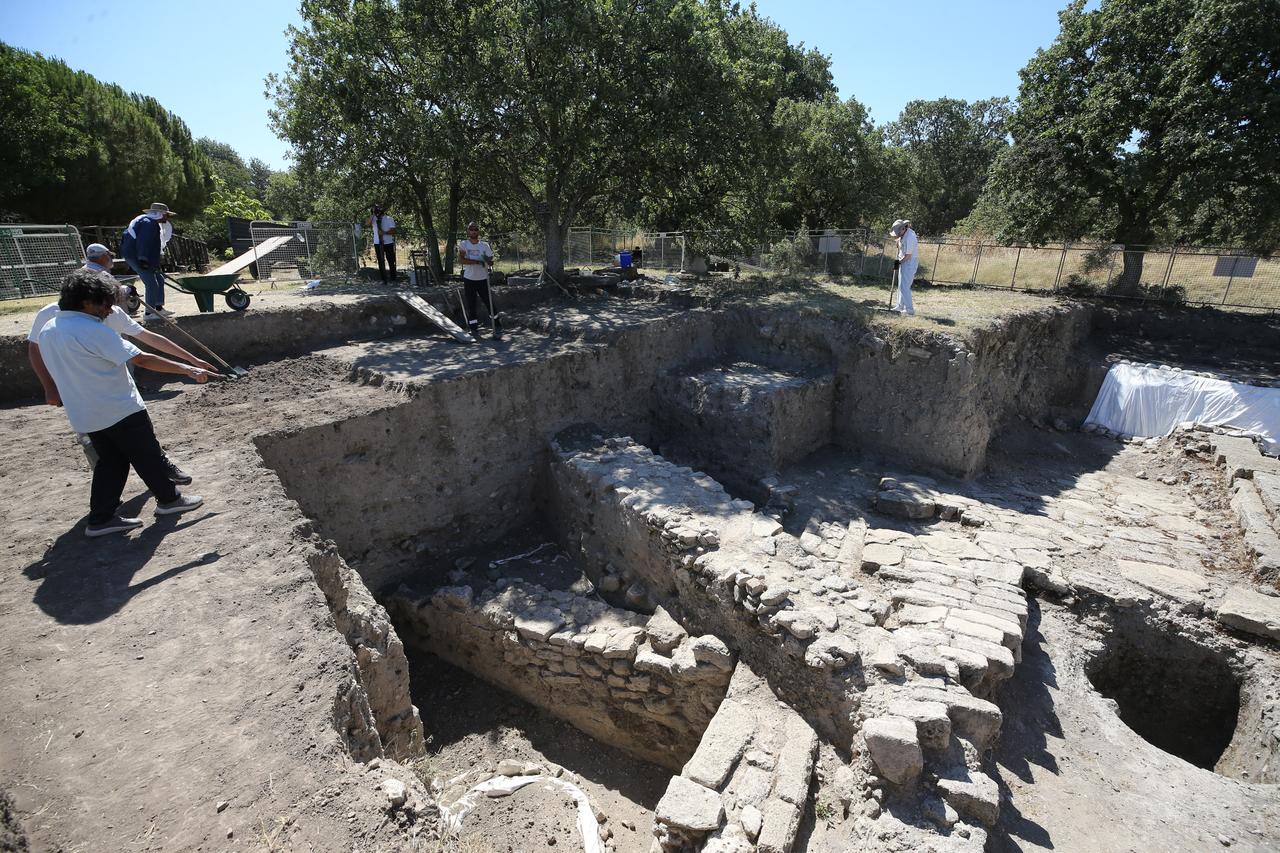
The Troy Museum stands in Tevfikiye village, roughly 30 kilometers (18.6 miles) from central Canakkale, directly beside the entrance to the archaeological site.
Visiting the museum first allows travelers to understand Troy's successive layers and recognize the stories behind the walls, temples, theater, and residential areas they later encounter outdoors.
A typical visit can take between 90 minutes and two hours, followed by around 90 minutes at the ancient city. During the summer, starting early at the museum before moving on to the open-air ruins can make the route more comfortable.
The museum's rooftop terrace also looks out across the plain surrounding Troy, bringing the objects inside together with the landscape where their history unfolded.


 Set as preferred source
 Set as preferred source


 1 min read
 1 min read


