Newsletters


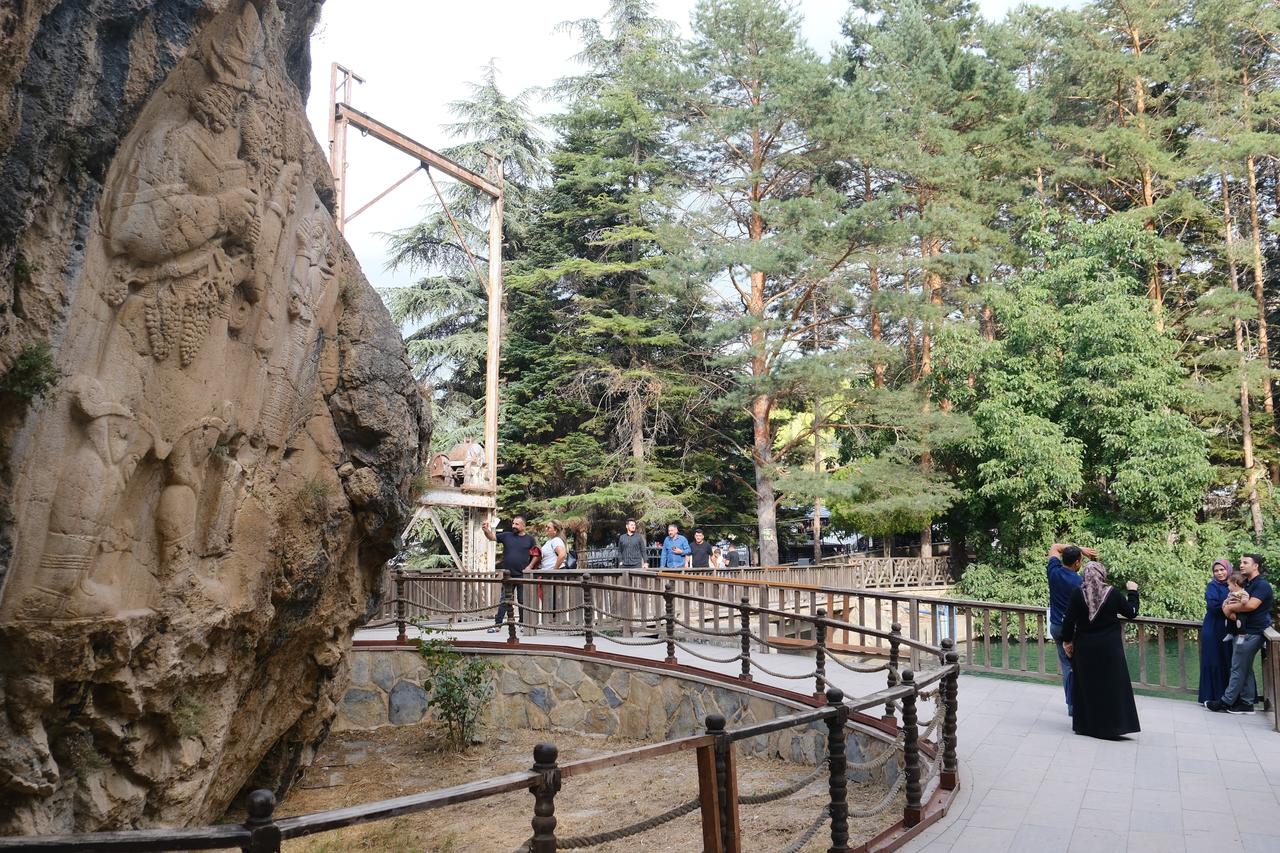


The roughly 3,000-year-old Late Hittite Ivriz Rock Monument, or Ivriz Cultural Landscape, in central Türkiye's Konya province is drawing thousands of visitors with its Late Hittite reliefs, natural springs and surrounding landscape.
Located in the Halkapinar district and included on UNESCO's World Heritage Tentative List, the monument is widely known as the world's first agricultural monument because of its depictions of grapes and wheat, which symbolize fertility and abundance.
Believed to date back to the eighth century B.C., the monument depicts King Varpalavas of the ancient kingdom of Tuwana alongside Tarhundas, a god associated with storms and fertility.
Tarhundas is shown holding bunches of grapes and ears of wheat, while Varpalavas appears smaller beside him in a praying position. Their clothing also reflects characteristics of Late Hittite art.
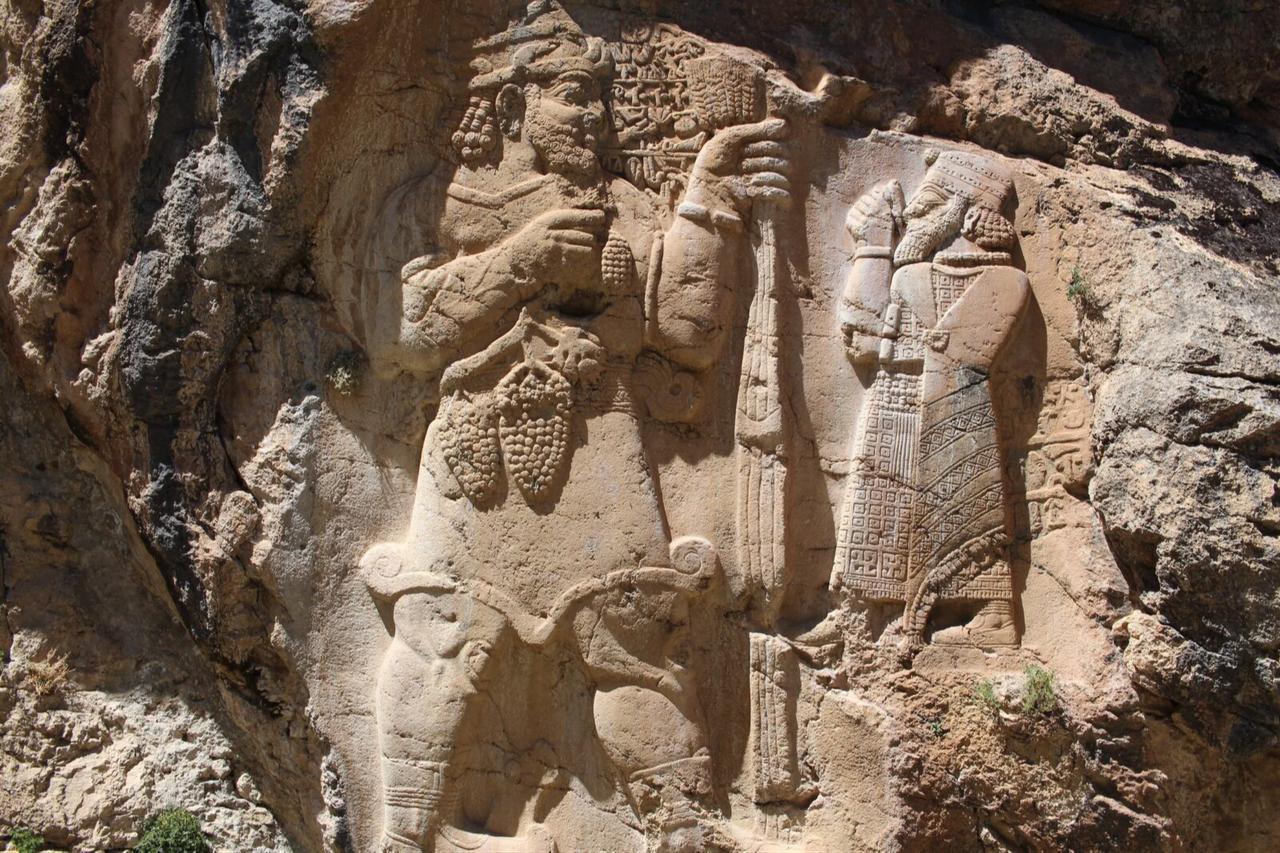

A hieroglyphic inscription between the figures identifies Varpalavas as the ruler of Tuwana and refers to vineyards he planted while still a prince, asking Tarhundas to bring them fertility and abundance.
The presence of grapes and wheat in the relief also provides information about agricultural products grown in the region when the monument was created.
The site was later mentioned in the works of Ottoman-era travelers and scholars Evliya Celebi and Katip Celebi.
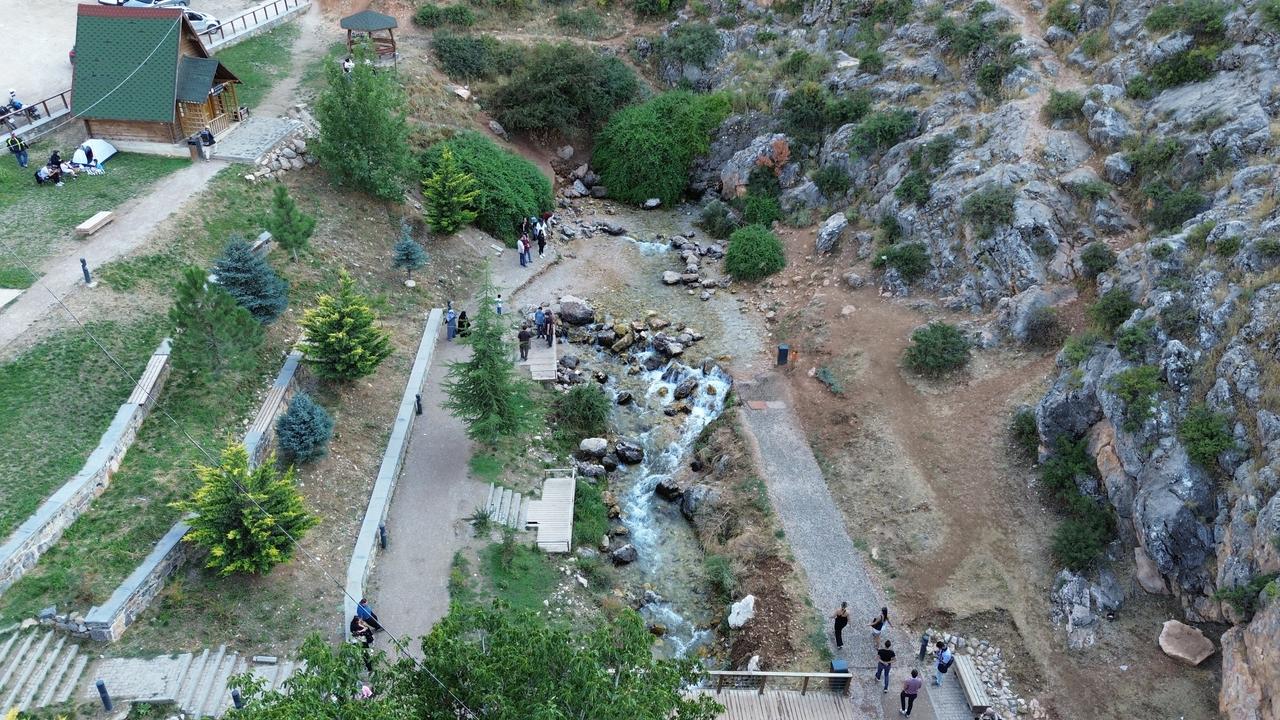
Ivriz village head Mustafa Tunca said the area sees its heaviest visitor traffic during the summer, particularly on weekends.
He estimated that around 12,000 people visited Ivriz during the summer season, with roughly 3,000 vehicles entering and leaving the area.
Visitors arrive from different parts of Türkiye as well as from abroad, Tunca said, adding that the monument is locally dated to around 726 B.C.
Tunca also said visitor numbers increased this year after local water sources became stronger again. The Ivriz spring supplies drinking water to the wider Eregli area, which has a population of roughly 300,000 to 400,000, while also supporting agricultural irrigation.
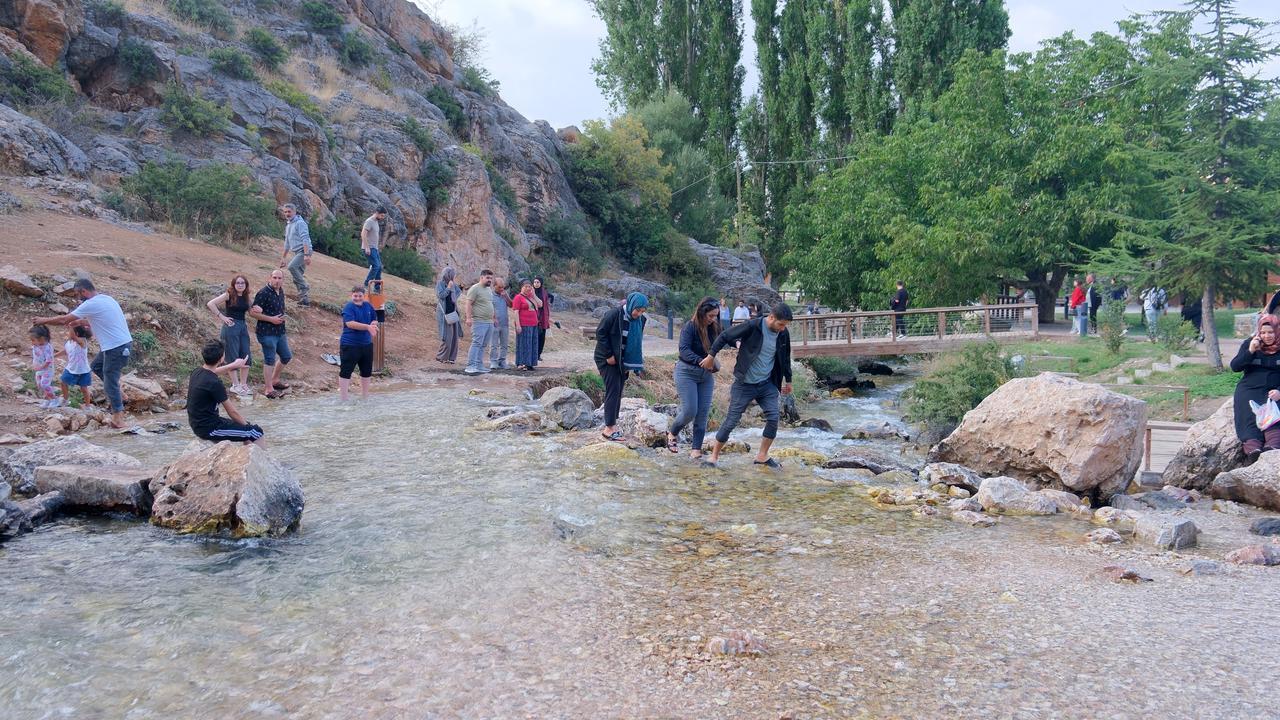
Alongside the archaeological monument, visitors are drawn to Ivriz for its cold spring water, green spaces and cooler summer conditions.
Some visitors cool off by stepping into the water, although they said its low temperature makes it difficult to remain inside for more than two minutes.
Families also use the area for picnics and recreation after visiting the rock relief, turning Ivriz into both a cultural destination and a popular summer retreat.
The Ivriz Cultural Landscape has remained on UNESCO's World Heritage Tentative List since 2017 because of its historical and cultural significance.


 Set as preferred source
 Set as preferred source



 2 min read