Newsletters




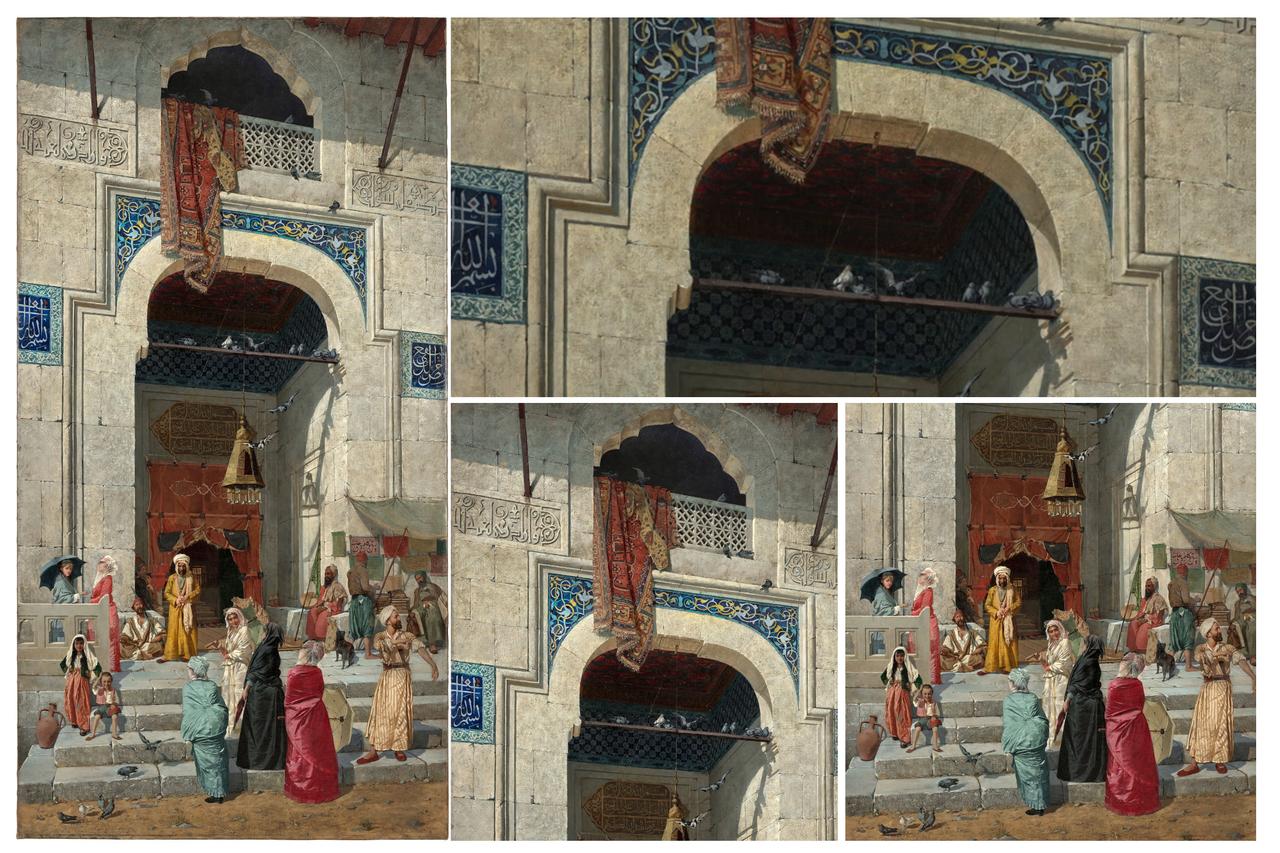
A previously unknown octagonal tiled pool has been uncovered during restoration work inside the 15th-century mosque featured in Osman Hamdi Bey’s painting “At the Mosque Door,” offering new insight into the architectural and social functions of the historic complex.

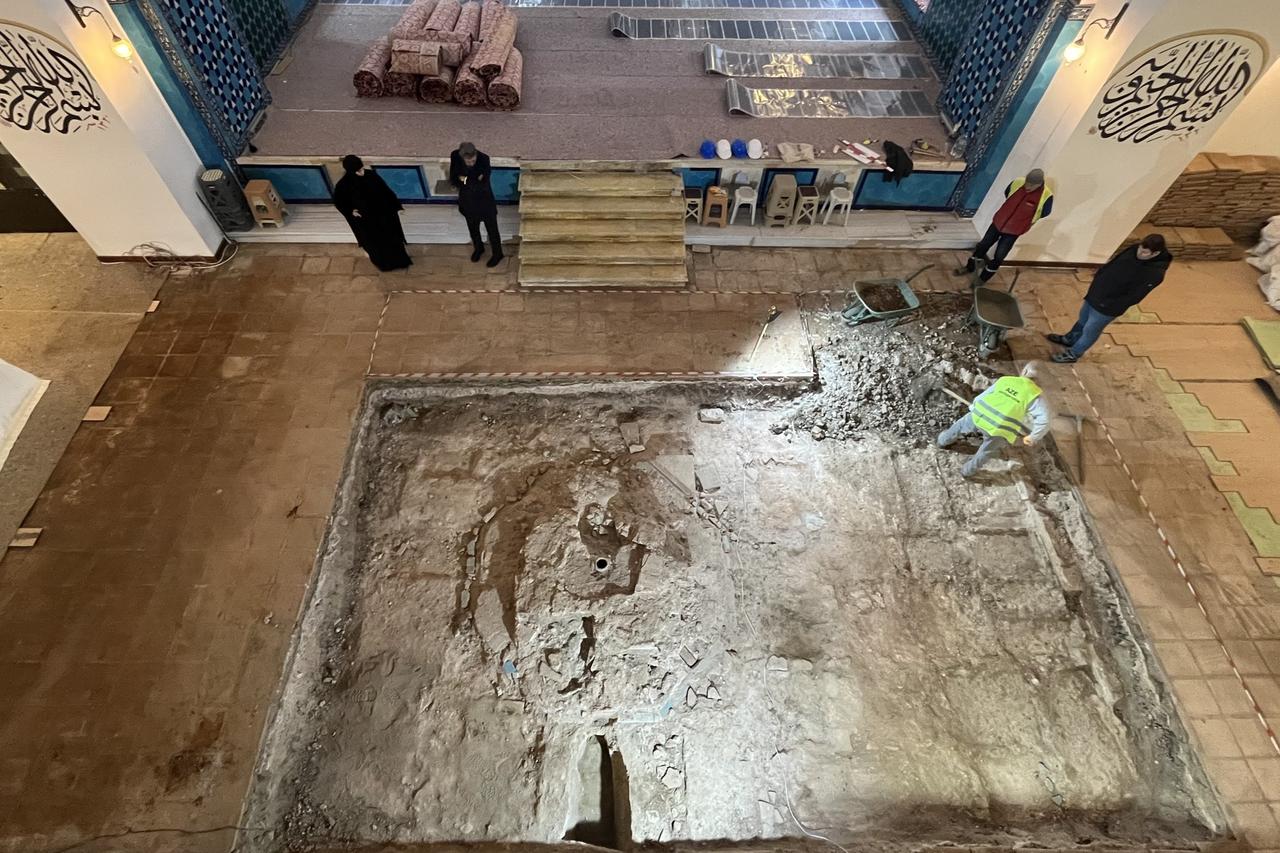
The discovery emerged during ongoing restoration works at the mosque commissioned by Murad II in 1426, located within the UNESCO-listed Muradiye Complex in Bursa. The project, carried out under the coordination of local cultural heritage institutions, began earlier this year and has focused on both structural and decorative elements of the building.
As part of the works, excavation efforts were carried out in the entrance hall leading from the main portal into the prayer area, known as the harim, which refers to the main enclosed space where worship takes place. During these efforts, remains of an octagonal structure surfaced, later identified as a pool lined with marble and ceramic tiles.
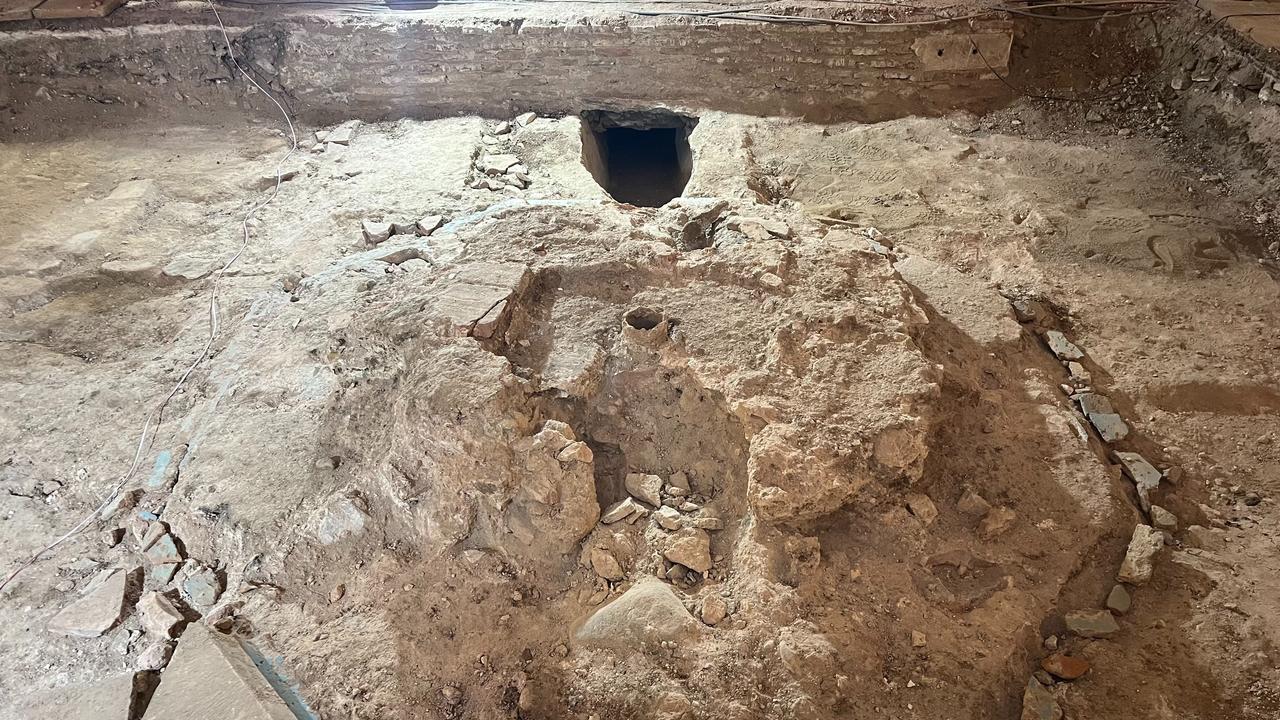
Officials overseeing the restoration indicated that the structure was not intended for ablution, the ritual washing before prayer, but instead served multiple functional and aesthetic purposes. According to the restoration team, the pool likely helped soften sound within the building, particularly between side rooms known as tabhane, spaces historically used by travelers and dervishes for rest and social interaction, and the main prayer hall.
The same structure may also have contributed to a calming atmosphere for visitors resting in adjacent rooms, while adding a decorative element to the interior. The team suggested that the pool had been deliberately covered at some point in the past, although the exact timing and reason remain under investigation.
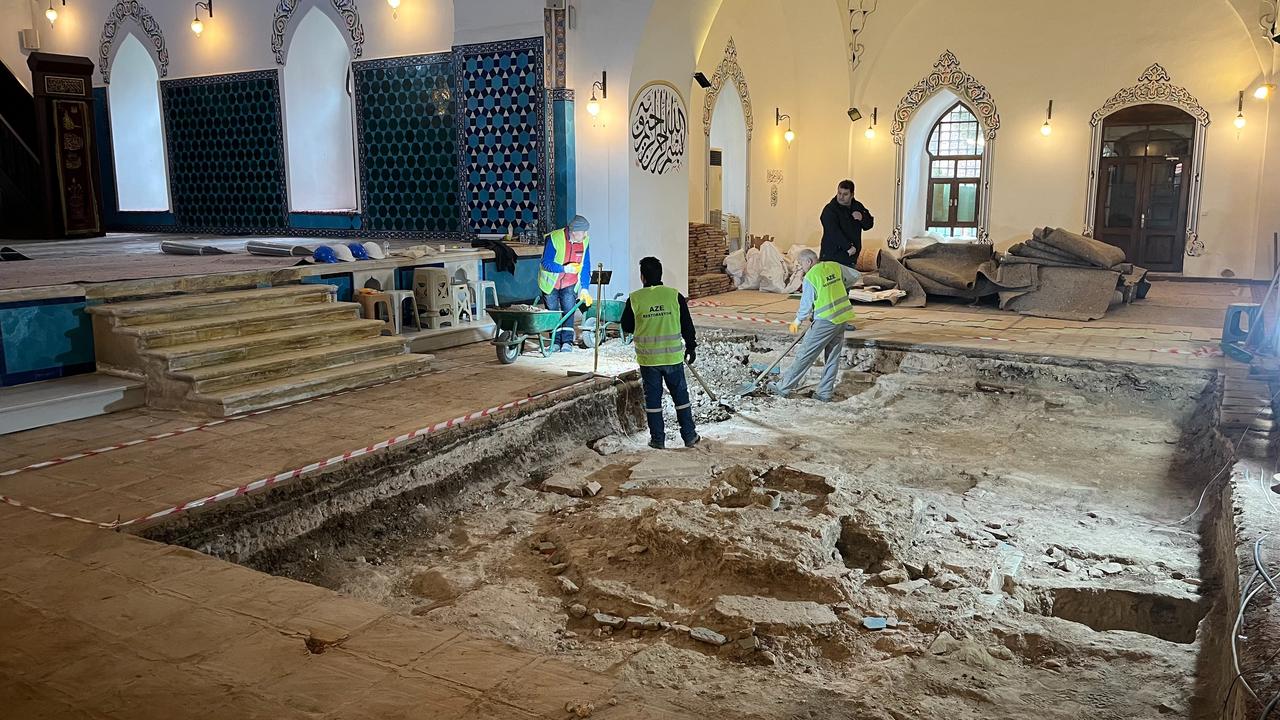
Further analysis of the materials uncovered around the pool revealed fragments of marble and ceramic tiles consistent with those already present in the mosque’s interior. Experts concluded that the tiles belong to the same historical phase as the original structure, reinforcing the idea that the pool dates back to the mosque’s initial construction.
The tiles are predominantly in shades of turquoise and blue, ranging from light to dark tones, reflecting the decorative style of the period.
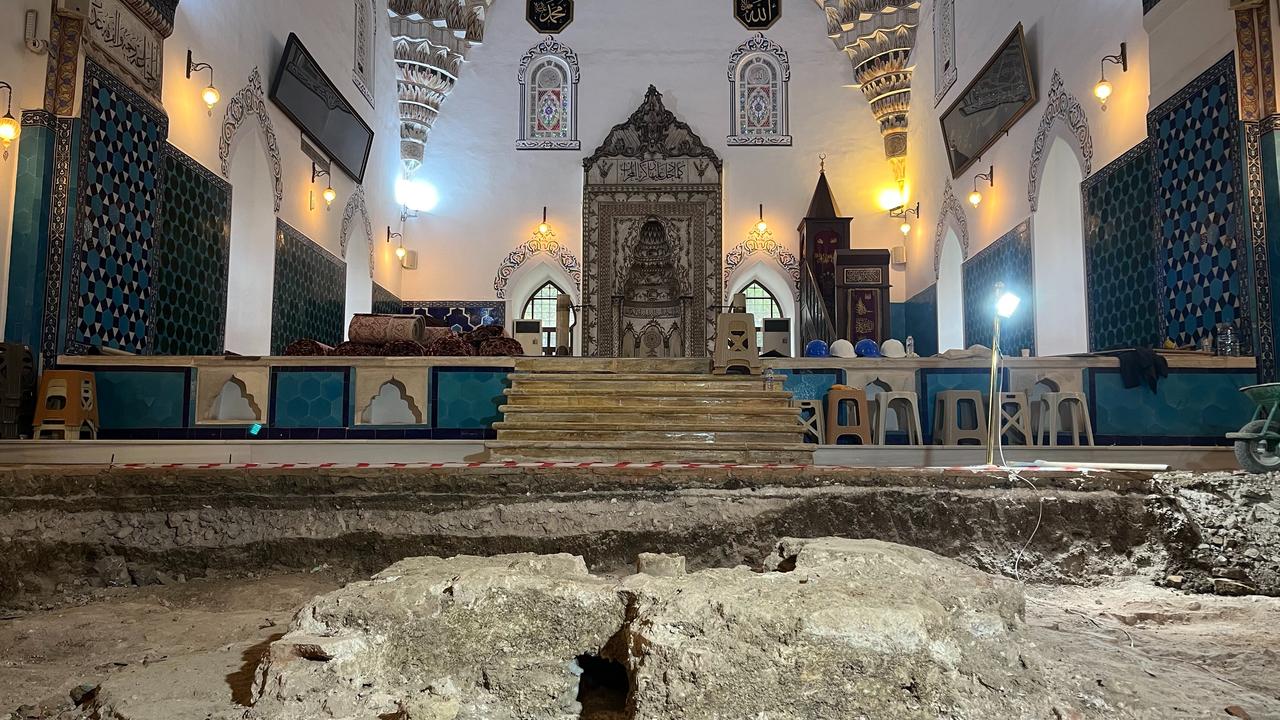
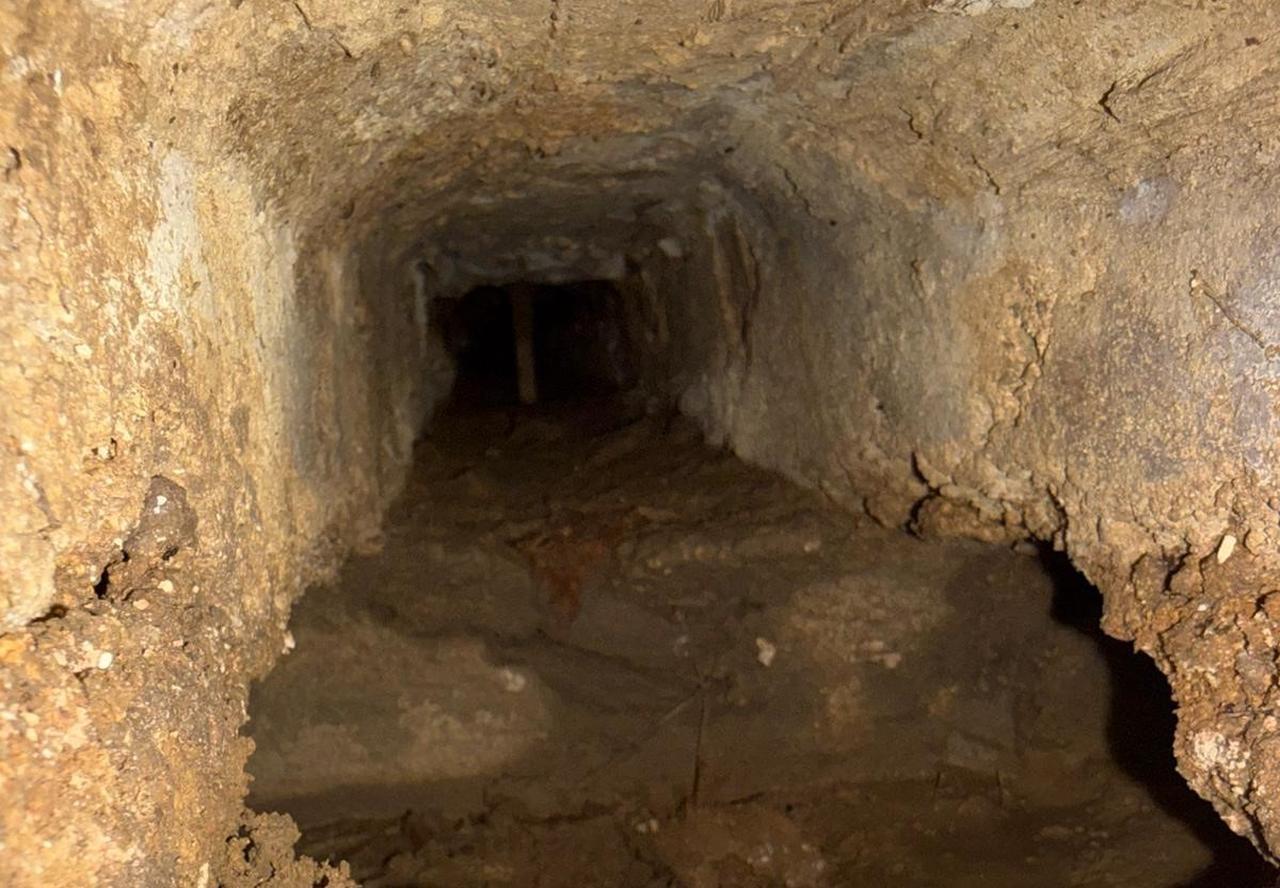
Alongside the pool, restoration teams also identified a network of underground channels running beneath the mosque from multiple directions. Researchers are continuing to examine whether these channels were designed for ventilation, heating through hot water circulation, or as part of the structural system.
Officials described the presence of such channels within both the foundation and walls as rare, noting that the findings could be as significant as the pool itself once their function is fully understood.
 1 min read
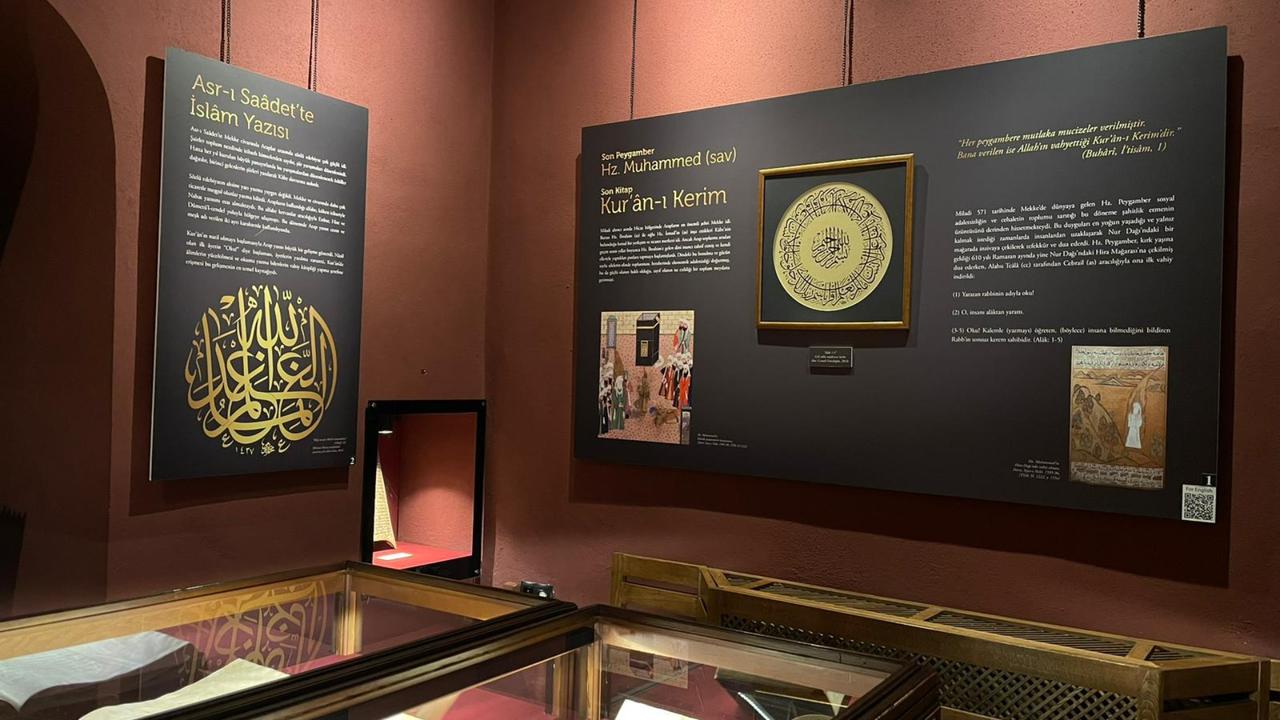
The mosque, which has remained in use for centuries, is undergoing restoration as it approaches the 600th anniversary of its opening for worship. Local religious authorities welcomed the uncovering of the pool, describing it as an original feature from the reign of Sultan Murad II and a meaningful addition to the historical record of Bursa.


 Set as preferred source
 Set as preferred source


 1 min read