Newsletters


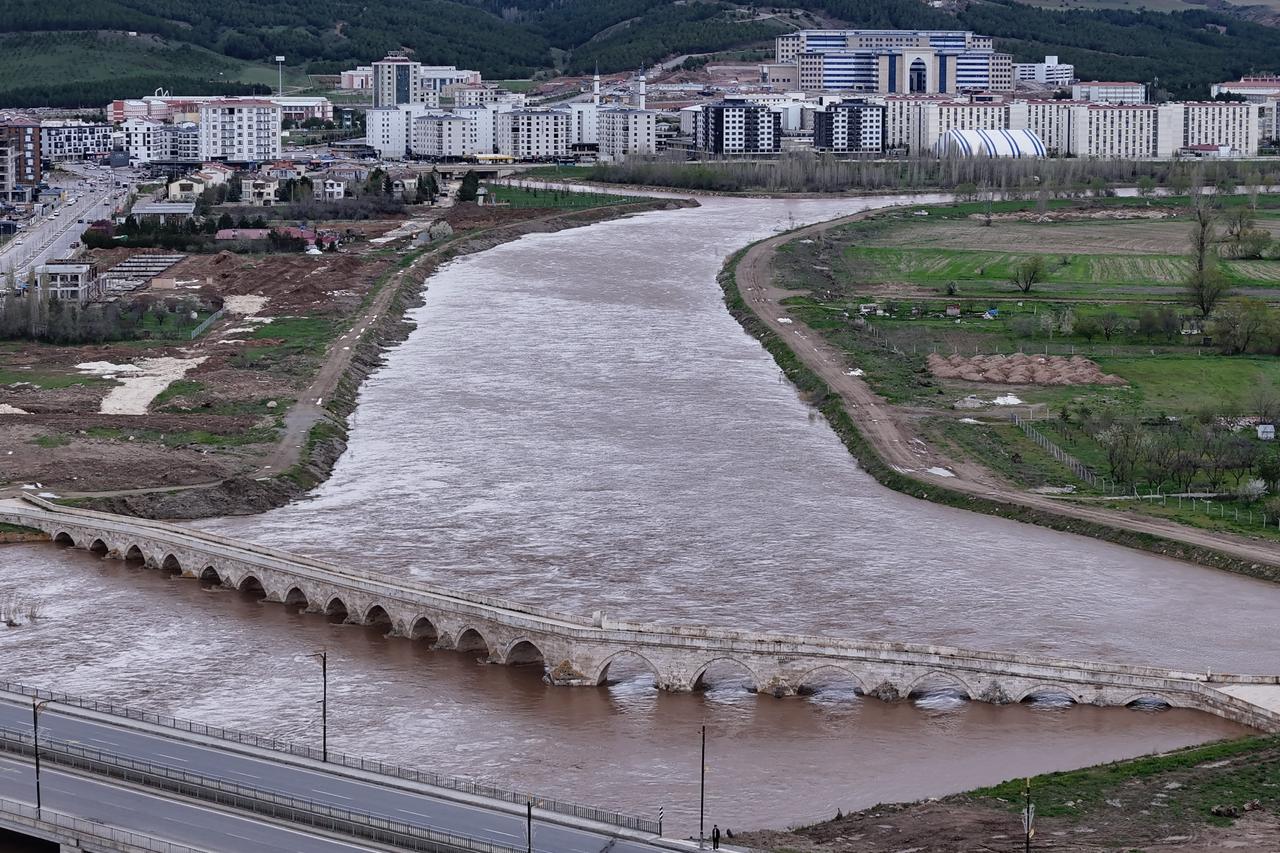


Heavy and persistent rainfall across Türkiye in recent weeks has led to rising river levels, flooding risks and precautionary infrastructure interventions in several regions.
In Tokat, authorities were compelled to take preventive measures as water levels in local rivers reached critical thresholds, prompting the controlled closure and, in some cases, dismantling of certain bridges deemed at risk of structural failure.
Officials cited increased water discharge and strong current pressure as key factors threatening the stability of modern bridge structures, particularly in flood-prone crossings.
The measures were implemented to prevent potential collapses and ensure public safety amid continuing heavy precipitation.
In Tokat, several bridges were closed or removed in a controlled manner due to escalating flood risk. Authorities stated that the interventions were necessary to reduce pressure on vulnerable infrastructure and prevent possible damage caused by fast-rising waters and debris flow.
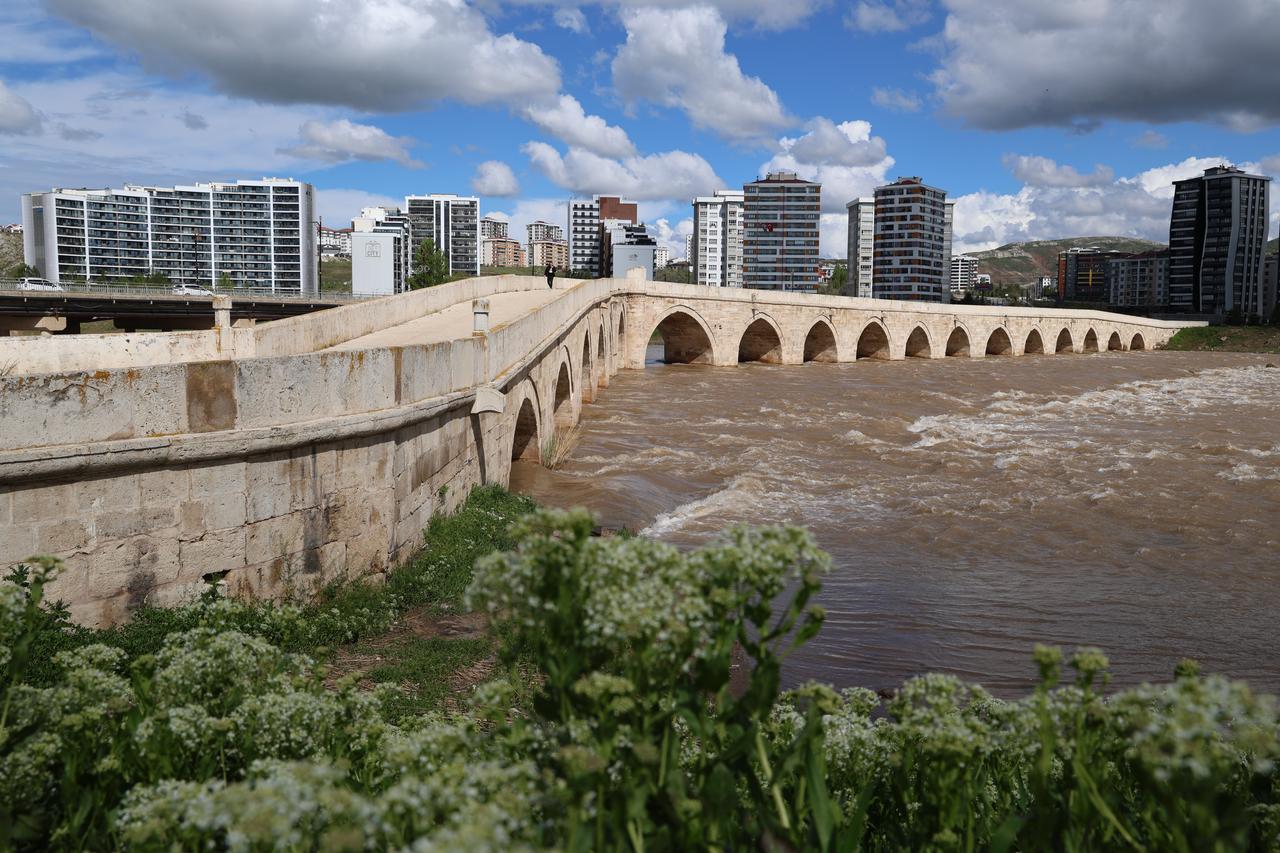

The situation has drawn attention to a striking contrast between modern infrastructure and historical engineering. While some recently constructed bridges in Tokat required intervention due to flood risks, centuries-old stone bridges in other regions continue to demonstrate remarkable resilience.
One prominent example is the Egri Bridge in Sivas, which spans the Kizilirmak River, Türkiye’s longest waterway. Constructed during the Seljuk period, the approximately 173-meter-long structure has stood for nearly eight centuries.
Featuring 18 arches and a distinctive curved alignment, often described as an inverted “V” form, it is believed to have been designed to reduce the impact of fast-flowing water and flood pressure.
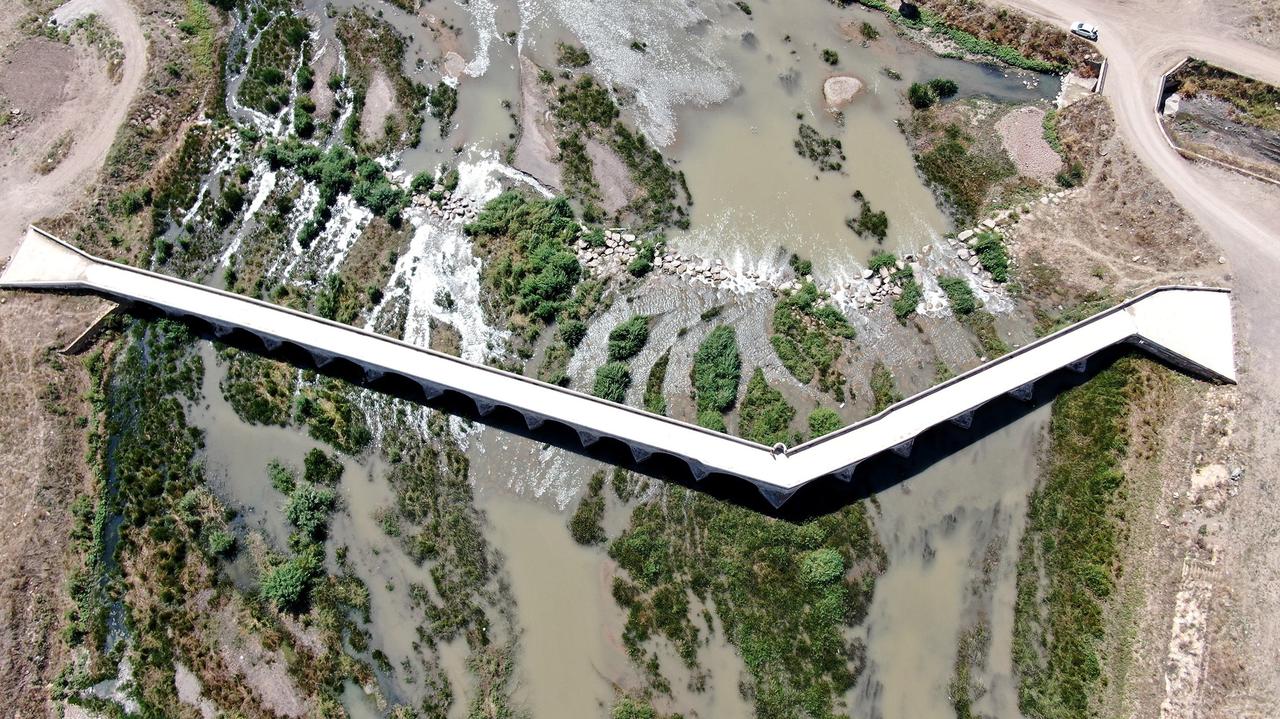
Experts note that the bridge’s structural durability is largely attributed to its architectural design and construction techniques. The use of cut stone masonry, combined with deep and robust foundations anchored into the riverbed, has enabled the structure to withstand centuries of seasonal flooding and strong currents.
Art historian Yunus Budaktas stated that the bridge’s form was likely engineered to mitigate hydraulic force, allowing water to flow more efficiently around its structure. He further emphasized that the combination of arch-based load distribution and durable materials has been critical to its long-term stability.
Budaktas also highlighted that historical structures such as Eğri Bridge demonstrate the effectiveness of traditional engineering approaches, particularly in foundation design and material selection.
He noted that inadequate foundation planning remains a significant challenge in some modern infrastructure projects, especially in regions exposed to extreme weather events.


 Set as preferred source
 Set as preferred source



 3 min read