Newsletters


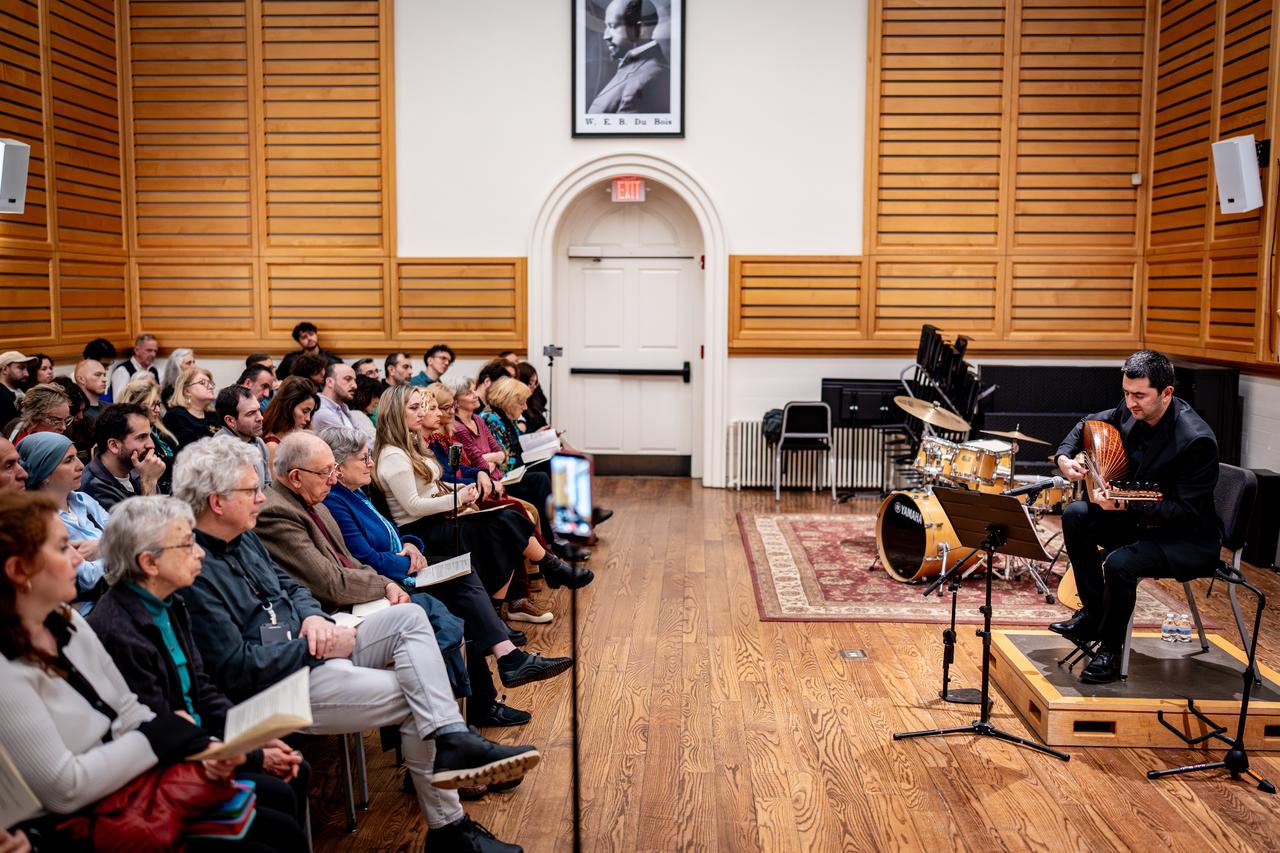


The historic Holden Chapel at Harvard University was filled with the evocative sound of the Turkish oud as Prof. Bilen Isiktas presented a distinguished recital, bringing the centuries-old makam tradition into dialogue at one of the world’s leading academic institutions.
The concert, titled “Resonances of the Oud in Turkish Music: Oud Recital by Prof. Bilen Isiktas,” was organized by the Kenan Center for Turkish Cultural Studies in collaboration with the Department of Music at Harvard University. The event formed part of the Center’s Poetry and Music Series, which promotes Turkish cultural heritage through interdisciplinary artistic and scholarly engagement.
The program unfolded as a refined musical journey through the Turkish oud repertoire. Prof. Isiktas opened the evening with a solo performance featuring works by prominent masters of the tradition, including Udi Nevres Bey, Udi Refik Talat Alpman, Serif Muhiddin Targan and Cinucen Tanrikorur.
The recital also included improvisational taksim passages, highlighting the expressive depth of the Turkish makam system and its historical evolution from the late Ottoman period to the modern Republic. The performance emphasized the oud not only as a solo instrument but as a vessel of cultural memory and continuity.
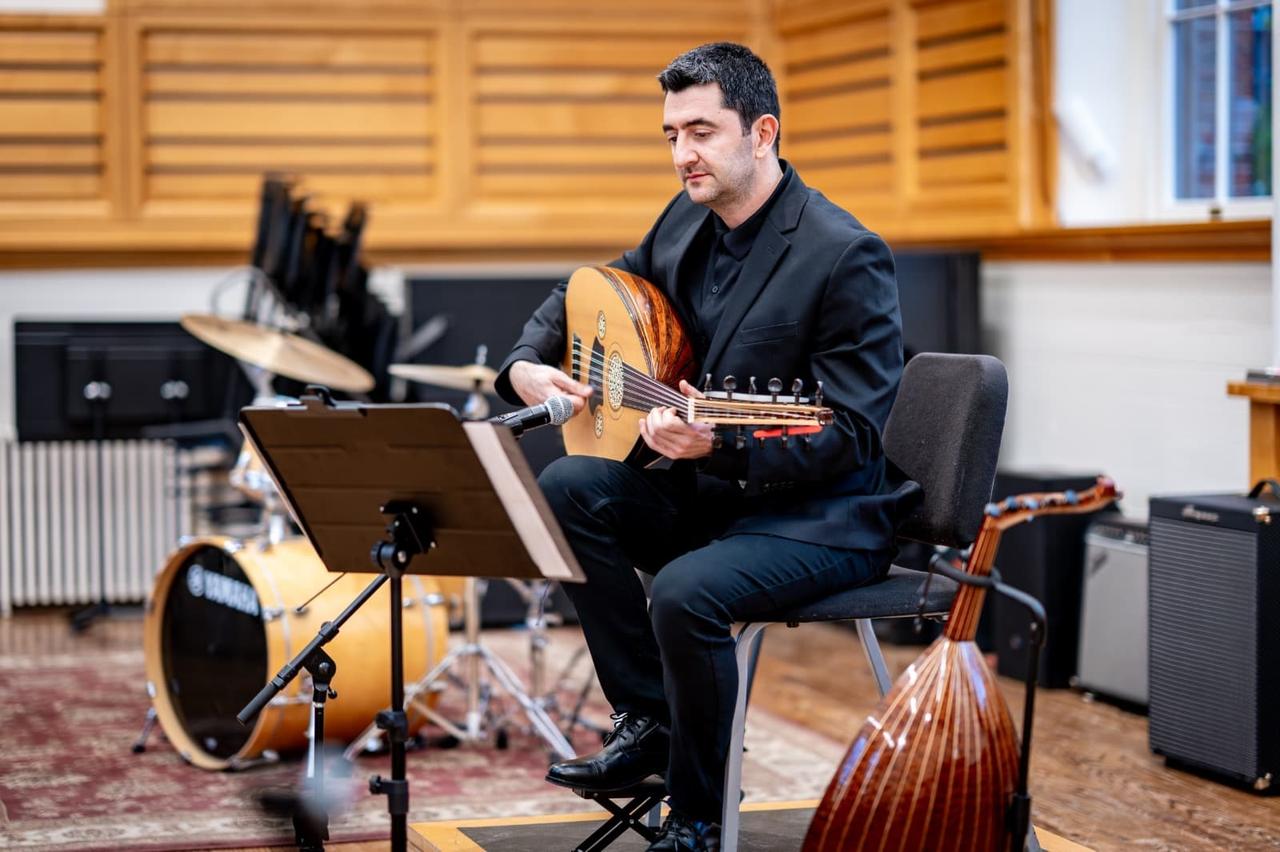

In the second section, the oud was joined by ney artist Mithat Yavuzarslan, expanding the program into an intimate ensemble setting. The final section brought together oud, ney, kemenche, and vocal performance, with Arzu Eylul Yalcinkaya contributing both as performer and speaker, offering contextual insights into the makam structure and lyrical tradition, particularly within the Hicazkar mode.
The event drew scholars, students, musicians, and members of the Harvard and Boston academic communities. Among the attendees was renowned ethnomusicologist Kay Kaufman Shelemay, along with researchers and curators affiliated with Harvard’s music archives and world music collections.
The concert was widely noted for its academic and cultural significance, particularly in relation to the legacy of modern oud performance shaped by early 20th-century masters such as Serif Muhiddin Targan.
Following the performance, Prof. Isiktas emphasized the importance of performing for diverse international audiences, highlighting music’s ability to transcend linguistic and cultural boundaries.
Yalcinkaya, founding director of the Kenan Center for Turkish Cultural Studies, described the program as a meaningful convergence of poetry, makam tradition, and live performance, underscoring the continued vitality of Turkish musical heritage within contemporary academic settings.


 Set as preferred source
 Set as preferred source


 3 min read