Newsletters


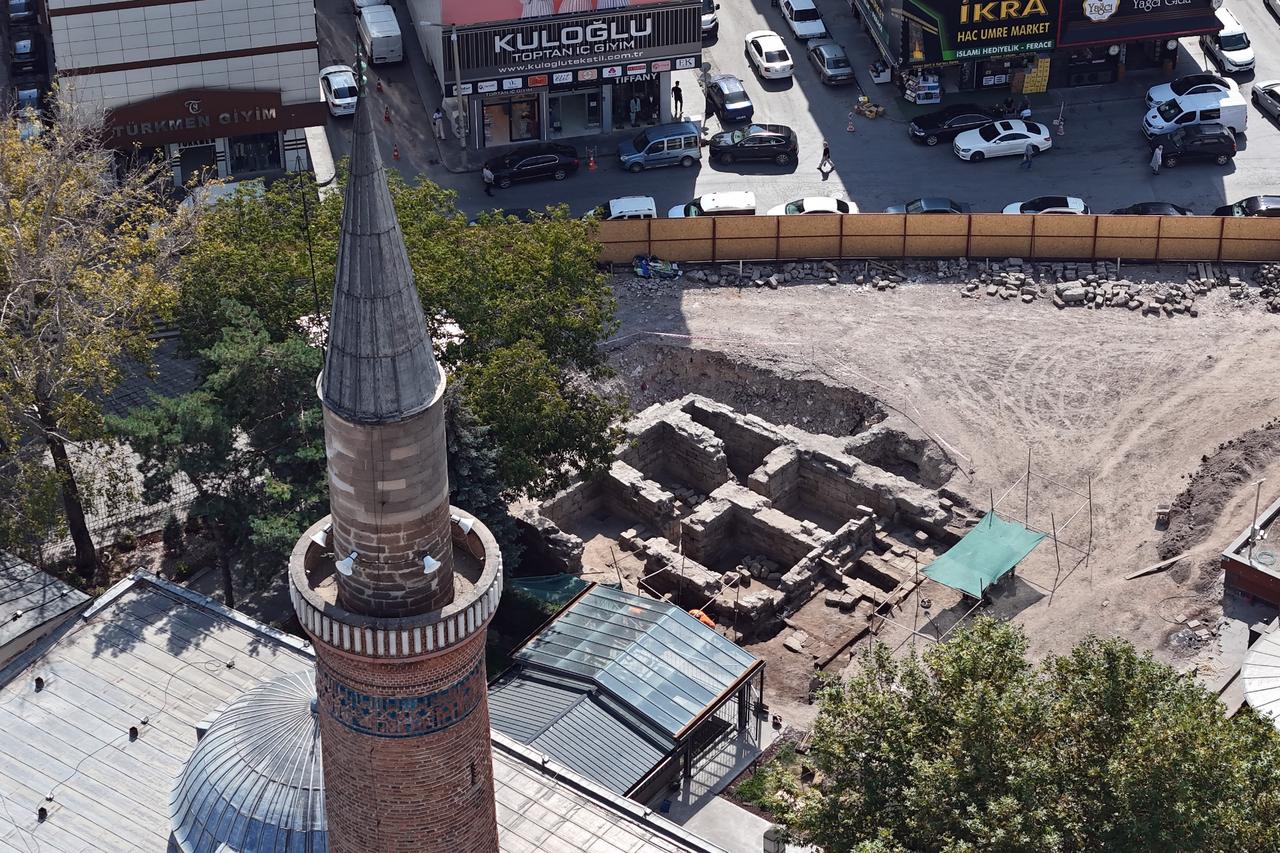


Archaeologists in central Türkiye are bringing to light the remains of a roughly nine-century-old madrasa in Kayseri that officials believe may be Anatolia's earliest known Islamic school, with walls of the structure now emerging as excavations move forward.
The excavation focuses on the Melikgazi Madrasa, a structure believed to have been commissioned by Melik Muhammed Gazi, the fourth ruler of the Danishmend dynasty, which controlled parts of Anatolia following the 1071 Battle of Manzikert.
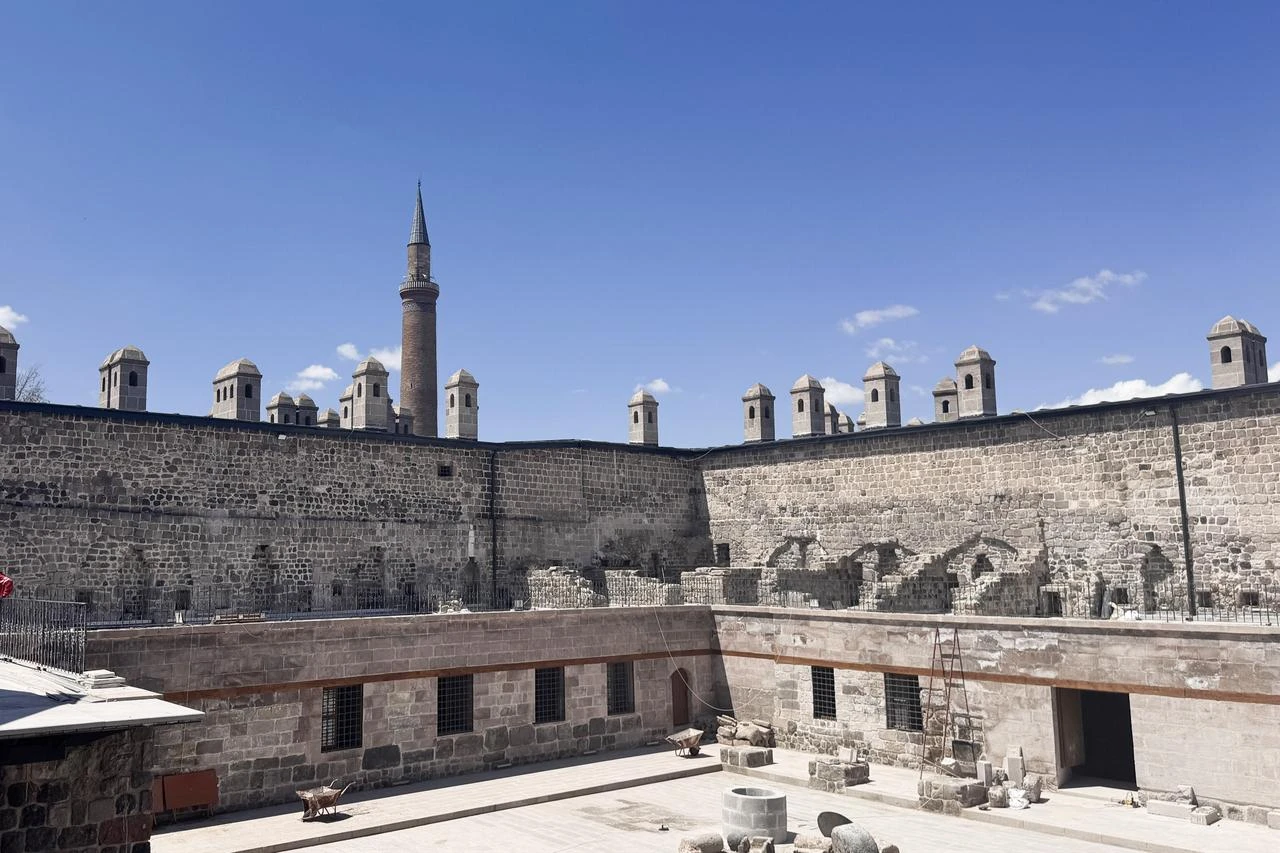
Work is being carried out near the qibla side of Cami-i Kebir, the city's historic grand mosque, under the supervision of the Kayseri Museum Directorate and with the sponsorship of Kayseri Metropolitan Municipality.
Around 30% of the excavation area has so far been uncovered.
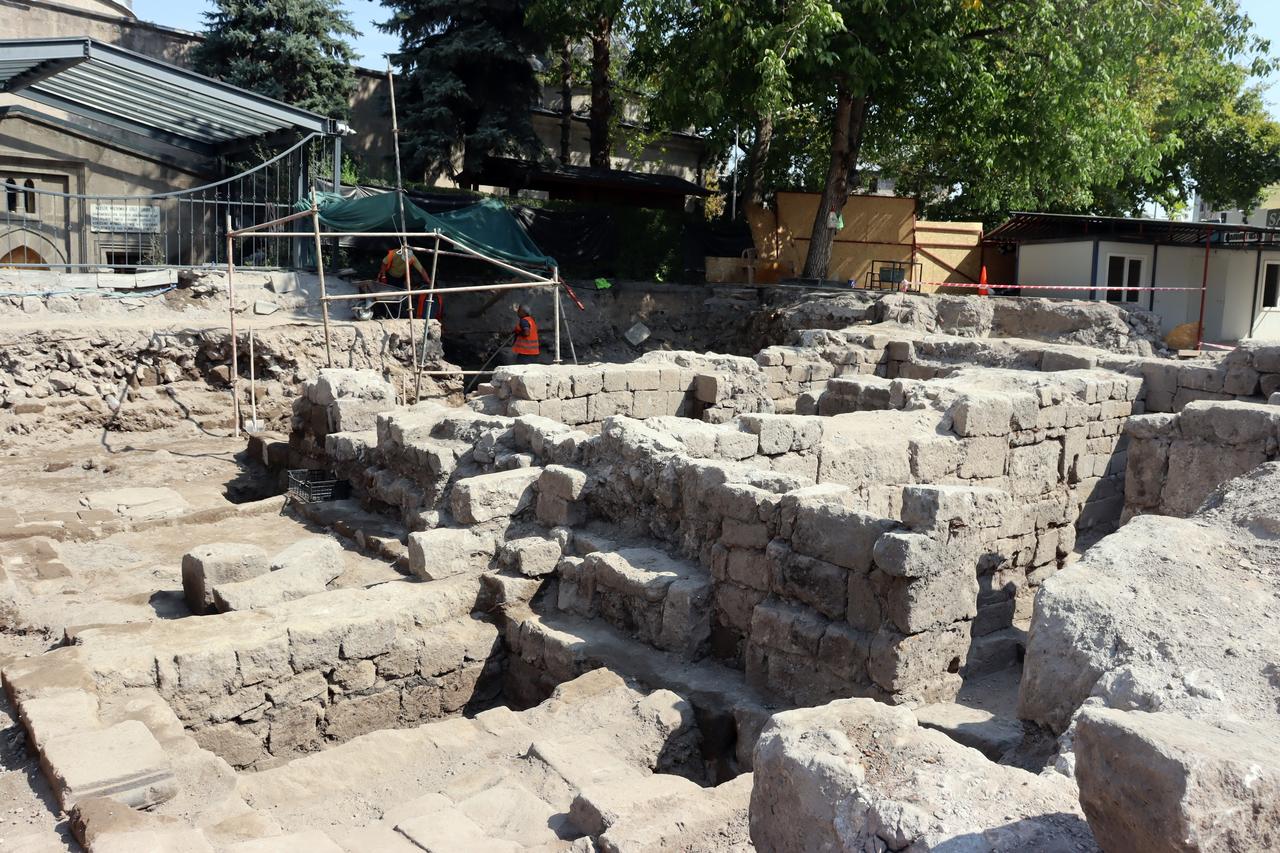

Fehmi Gunduz, head of the Tourism Branch at Kayseri Metropolitan Municipality, said the southeastern corner of the structure first came to light during work carried out as part of the Sur Ici Urban Transformation Project.
Historical records had already pointed to the existence of a madrasa in the area, prompting officials to begin the necessary procedures for an archaeological excavation.
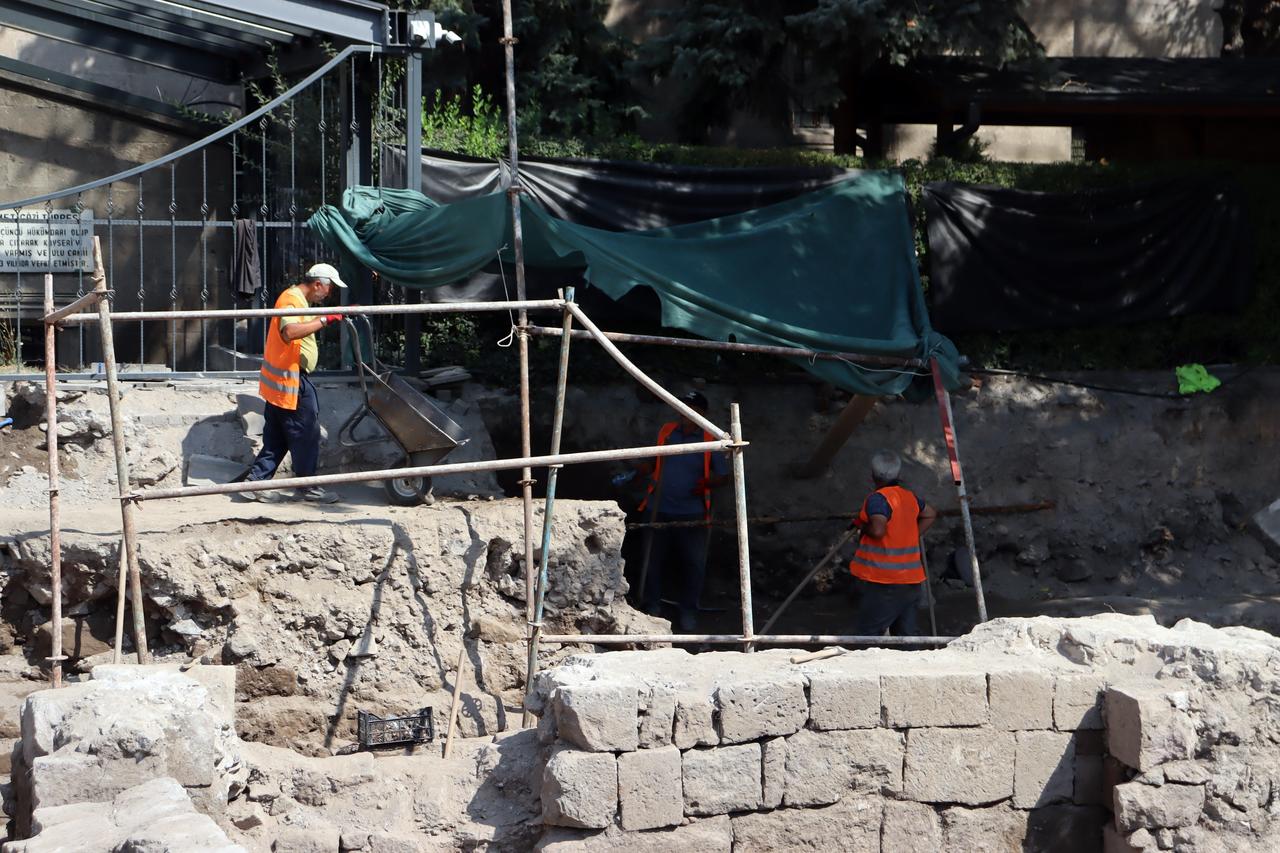
After arrangements involving Kayseri Metropolitan Municipality and the Regional Directorate of Foundations were completed, excavations started about two months ago.
Gunduz said archaeologists had now brought out walls belonging to the structure believed to be the madrasa.
The term "madrasa" refers to an educational institution traditionally associated with Islamic learning, although such schools historically covered a range of subjects depending on the period and institution.
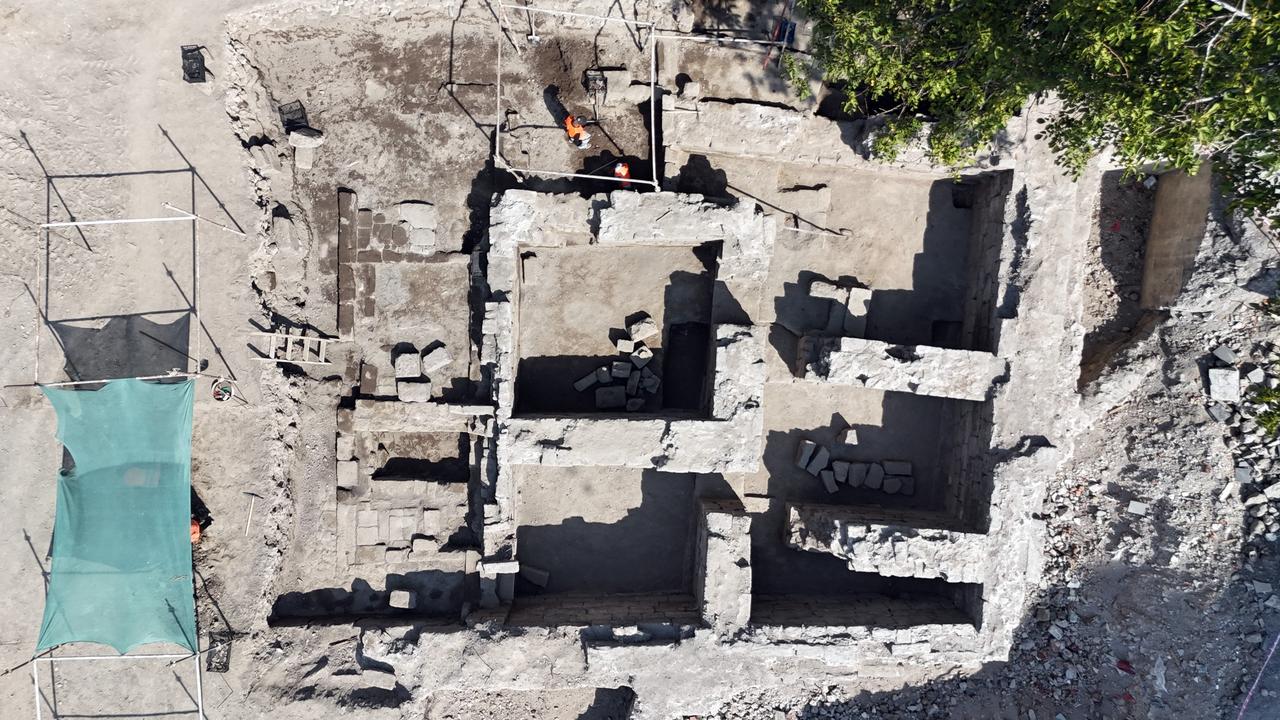
According to Gunduz, the building is believed to have been commissioned by Melik Mehmed Gazi, who succeeded Melik Gazi after his approximately 30-year reign.
He said historical sources describe Melik Mehmed Gazi as a religious and just ruler whose reign included struggles against Crusader forces, the Byzantine Empire and Cilician Armenians.
Gunduz also traced the dynasty's earlier history back to Danishmend Gazi, whom he described as one of the advisers of Seljuk ruler Alp Arslan. Following 1071, territories around Kayseri, Sivas and Malatya were granted to Danishmend Gazi, who went on to carry out conquests in the region.
The excavation team is now working to uncover the rest of the structure and establish its full layout.
Once the excavation is completed, officials and specialists are expected to assess the remains and decide whether restoration or another form of conservation should be carried out.
Gunduz said the work could ultimately bring to light what researchers believe to be the Melik Gazi Madrasa and potentially Anatolia's earliest such structure.


 Set as preferred source
 Set as preferred source


 1 min read

 1 min read