Newsletters


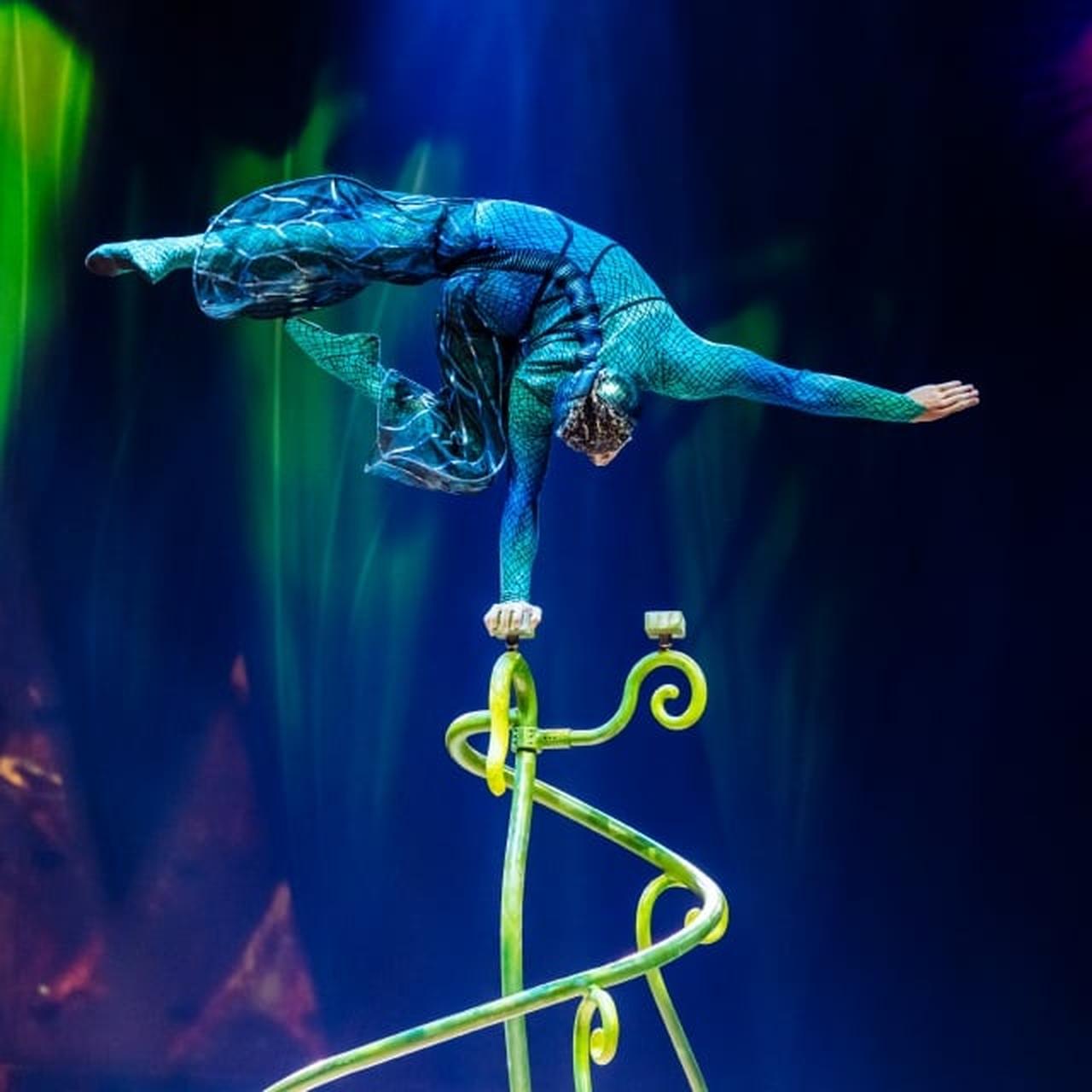
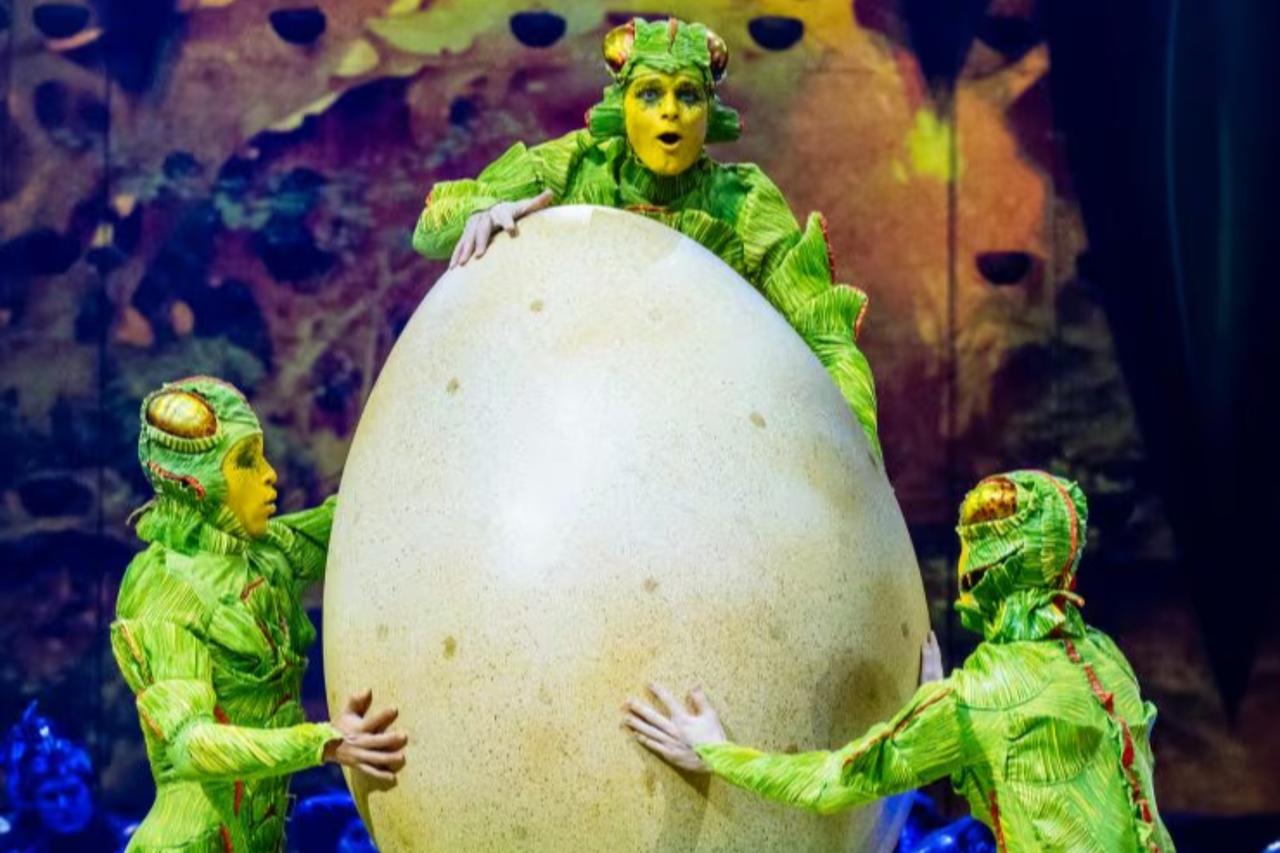
The globally renowned performing arts company, Cirque du Soleil, is set to return to Istanbul at the Ulker Sports and Event Arena, presenting eight scheduled performances from May 21 to May 24. For this production, the troupe introduces "OVO"—the word for egg in Portuguese—which stands as their largest and most intricate production to date.
The performance aims to shift the audience's perspective toward the hidden ecosystem of nature and insects, utilizing vibrant colors and complex movement. Through this thematic lens, the production combines high-level acrobatics with a narrative focused on environmental biodiversity, offering a detailed, insect-eye view of life.

The performing company originated in the 1980s under the leadership of Gilles Ste-Croix. It initially operated as a group of street performers in Quebec known as "Les Echassiers." Recognizing the potential of their outdoor acts, the members transitioned toward structured public performances.
The troupe achieved significant nationwide recognition in 1984 during the 450th-anniversary celebrations of Jacques Cartier's arrival in Canada. Following this success, the group officially rebranded as "Cirque du Soleil."
Troupe member Guy Laliberte, who led the renaming initiative, noted that the sun was chosen to represent youth, energy, and strength.
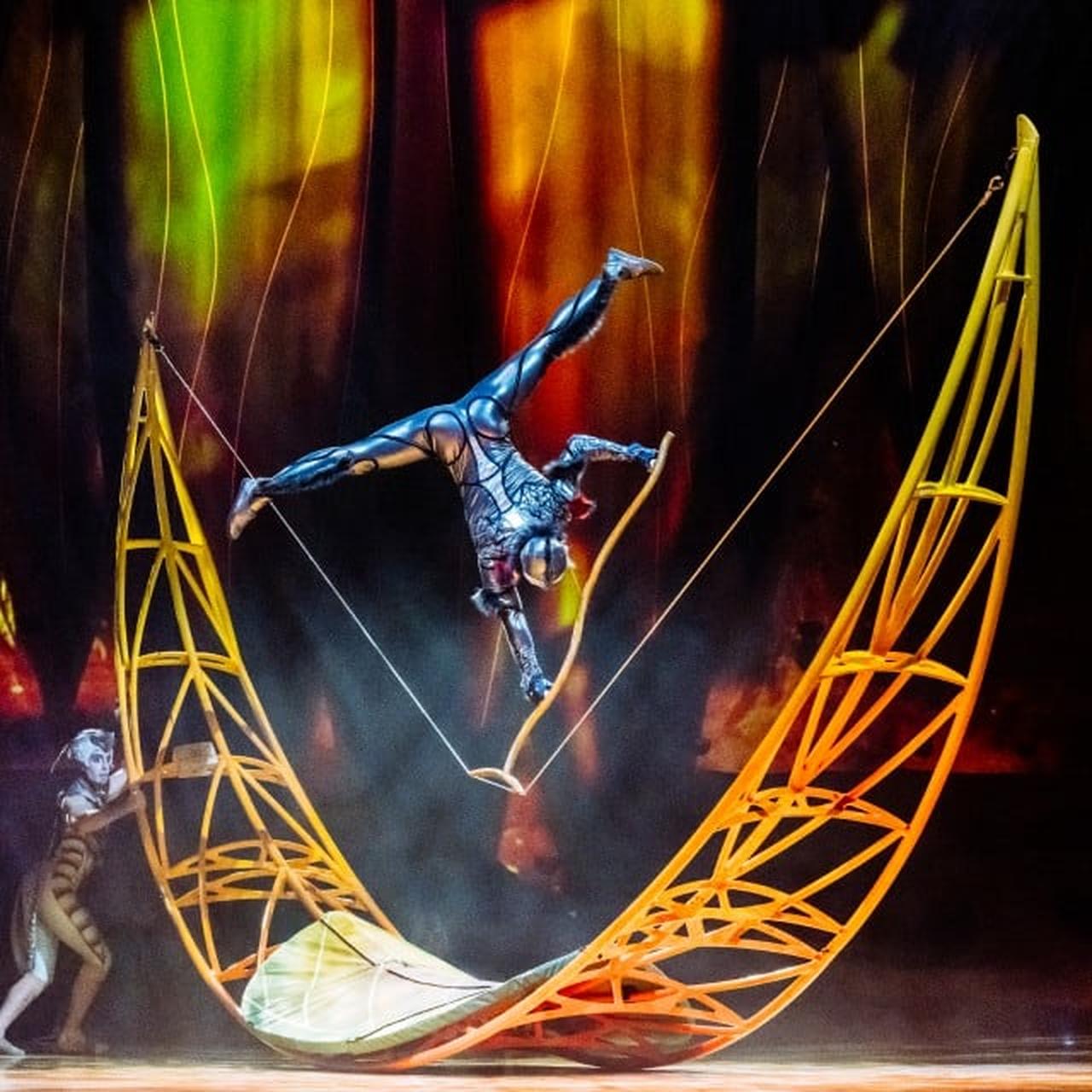
The artistic structure of the "OVO" production relies on highly specialized costumes, musical, and stage designs to simulate a complete sensory ecosystem.
Costume designer Liz Vandal utilized specialized Lycra fabrics to maintain performer mobility while incorporating diverse aesthetic influences. The geometric and graphic linework draws from fashion designer Pierre Cardin, while the distinctive structural pleating utilizes techniques pioneered by Issey Miyake.
Composer Berna Ceppas structured the score around a combination of bossa nova, samba, funk, and electronic music. The high-energy, rhythmic arrangements integrate organic insect sounds to complement the themes on stage.
Scenographer Gringo Cardia designed the performance space to replicate micro-habitats, including cave structures and a stage floor textured like a massive tree trunk. The focal point of the stage features a permanent 8.5-meter egg, which serves as both an alien element to the characters and the central narrative driver of the performance.


 Set as preferred source
 Set as preferred source


 1 min read
 1 min read