Newsletters


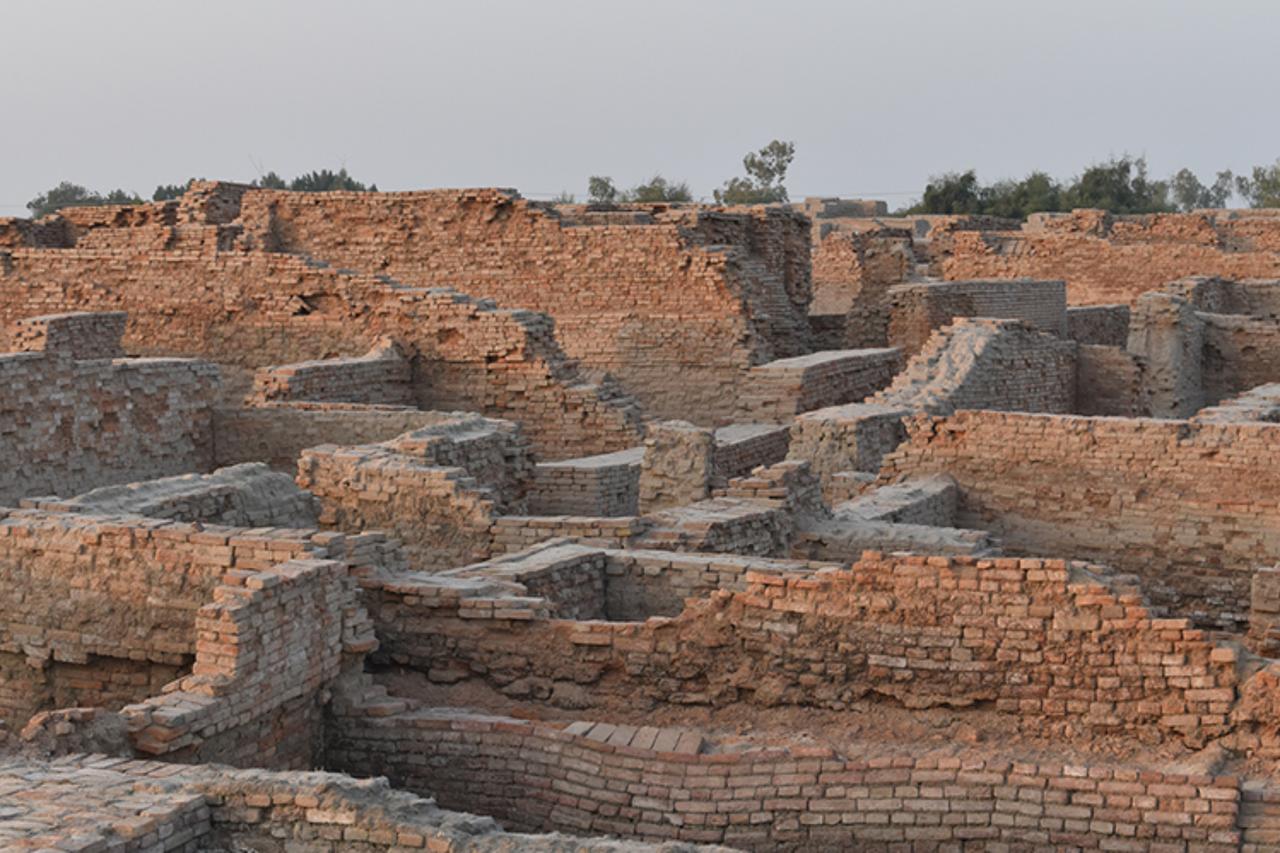


A recent archaeological study suggests that Mohenjo-daro, the largest city of the Indus Civilization, bucked a long-standing historical trend: as the 4,000-year-old urban center grew more organized and productive, economic inequality appears to have declined rather than widened.
Researchers from the University of York and the University of Cambridge analyzed house sizes across the ancient city, using them as a proxy for economic inequality.
Their findings, published in Antiquity, challenge the common assumption that early cities naturally gave rise to sharper divisions between rich and poor.
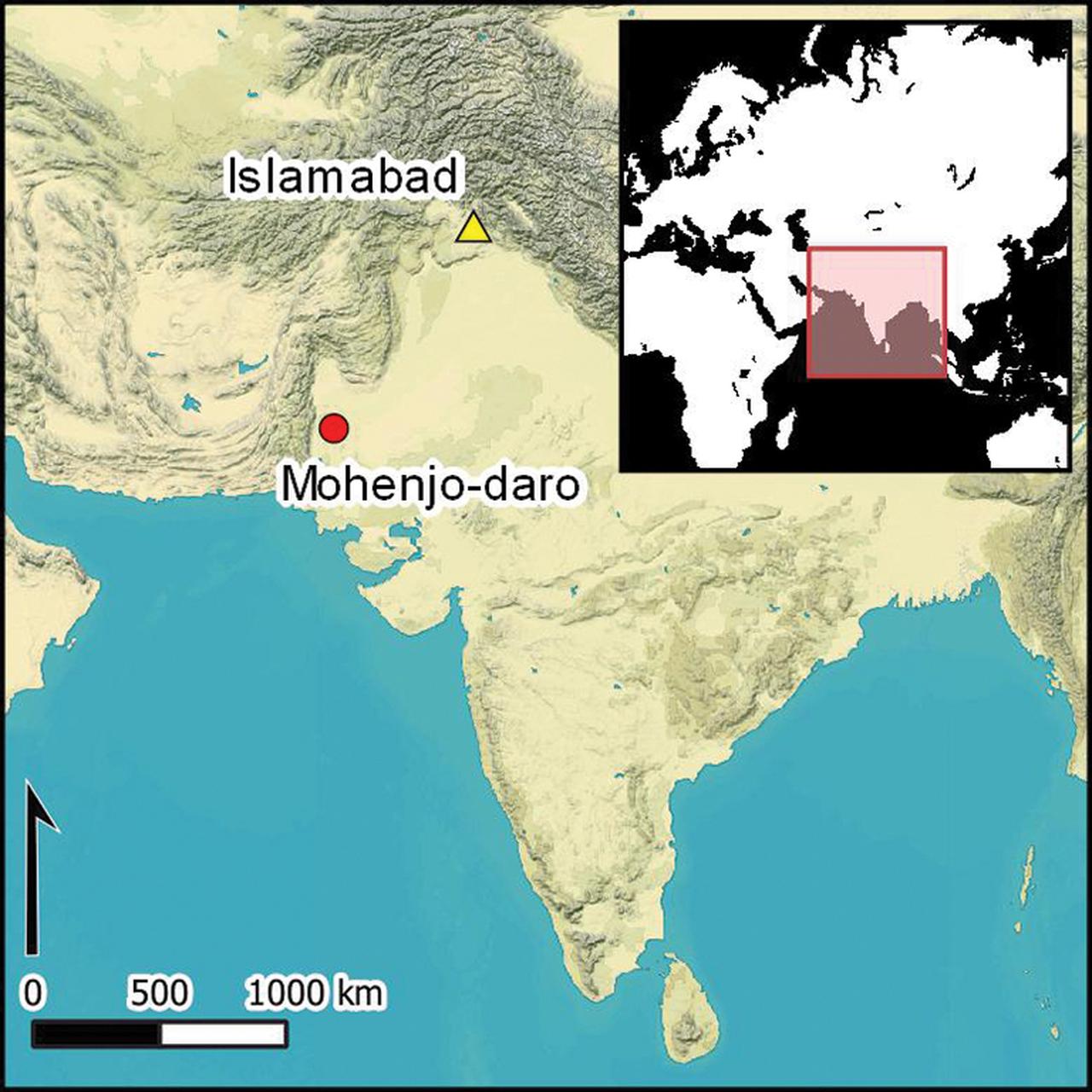

Mohenjo-daro, located near the Indus River in present-day Pakistan, has long stood out among early urban centers. Unlike ancient Egypt or Mesopotamia, it has not produced clear evidence of palaces, royal tombs, ruler statues or exclusive temples that would point to a dominant ruling class.
Lead author Dr. Adam Green said the city was remarkable not for what it lacked, but for what it built instead. “While ancient Egyptians were building pyramids for god-kings, and the Greeks were constructing massive palaces at Knossos, the people of the Indus were building something entirely different.”
That difference can be seen in Mohenjo-daro’s brick-lined drainage systems, organized streets, public buildings and household amenities, which suggest that practical urban services were spread across the wider community rather than concentrated around a small elite.
To measure inequality, researchers used the Gini coefficient, a scale in which 0 represents total equality and 1 represents total inequality. In archaeology, this method can be applied to house sizes, since larger residences may indicate greater access to labor and resources.
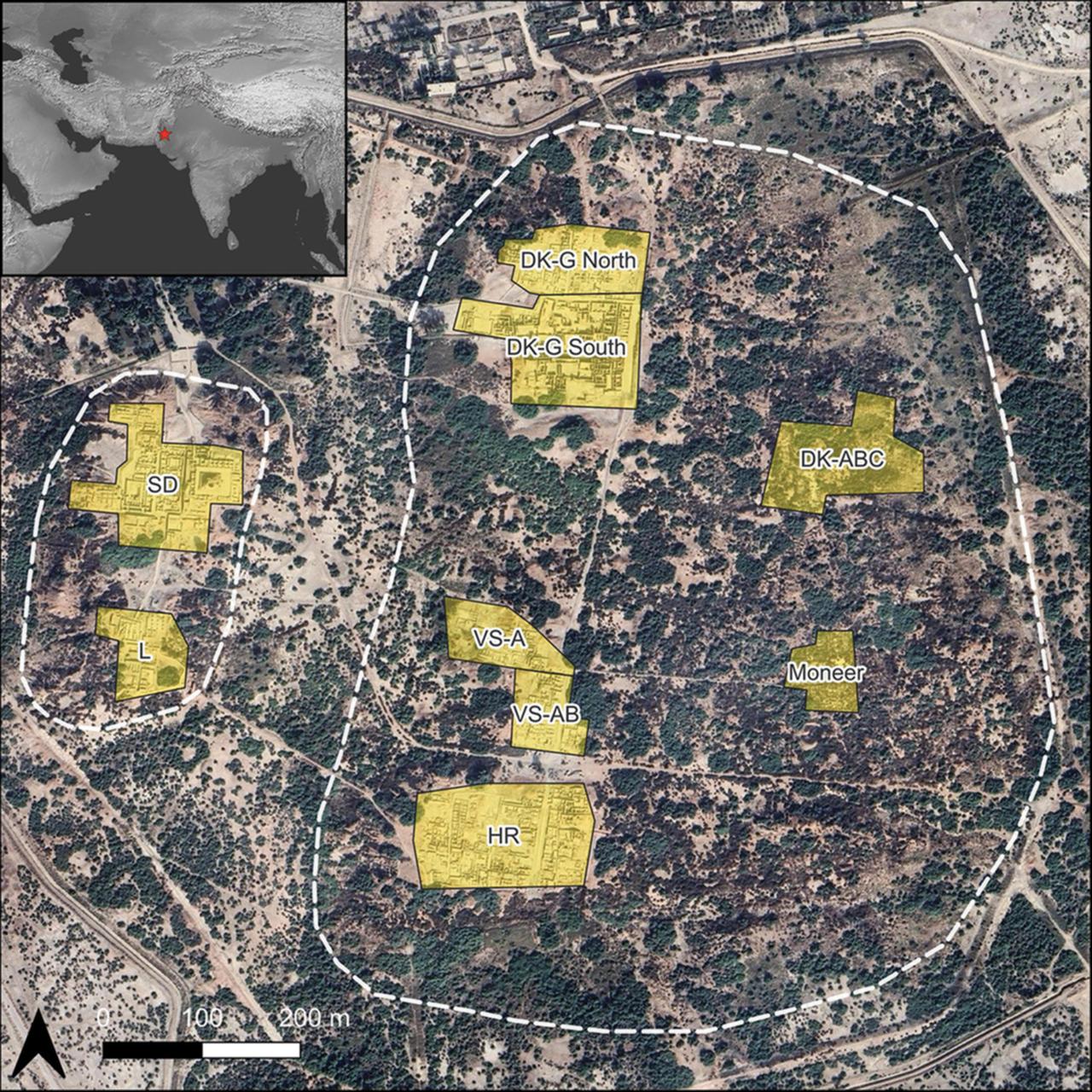
Mohenjo-daro’s overall score was 0.44, lower than several other early urban societies with clearer signs of hierarchy. More importantly, in one well-studied area of the city, DK-G South, inequality declined over time. The Gini coefficient fell from 0.39 in an earlier phase to 0.23 by around 2,100 B.C., bringing it close to levels associated with more egalitarian early farming communities.
The study also points to the distribution of Indus seals, small stone stamps likely used in trade and administration. In Mesopotamia, similar tools were often connected to temples or palaces, but at Mohenjo-daro they were typically found in residences.
That detail matters because it suggests that control over exchange was not monopolized by one central authority. Standardized weights and measures across the Indus region also point to shared systems that helped make trade more predictable and fair.
Rather than showing a city ruled by a visible king or priestly elite, the evidence points to a system in which governance, exchange and public infrastructure were more widely distributed.
The researchers argue that Mohenjo-daro’s development challenges the idea that economic success requires power and resources to be concentrated in the hands of a few. In the period when inequality appears to have been lowest, signs of productivity also seem to have risen.
Green said Mohenjo-daro offers an important lesson because it shows that an urban society could be “highly productive and inventive at scale” while also sharing resources and power more equitably.
The study does not claim that house size captures every form of inequality, and the authors note that future work could refine the picture. Still, the evidence from Mohenjo-daro suggests that one of the ancient world’s great cities may have sustained its success not through hierarchy, but through broader access to urban life.


 Set as preferred source
 Set as preferred source



 1 min read