Newsletters


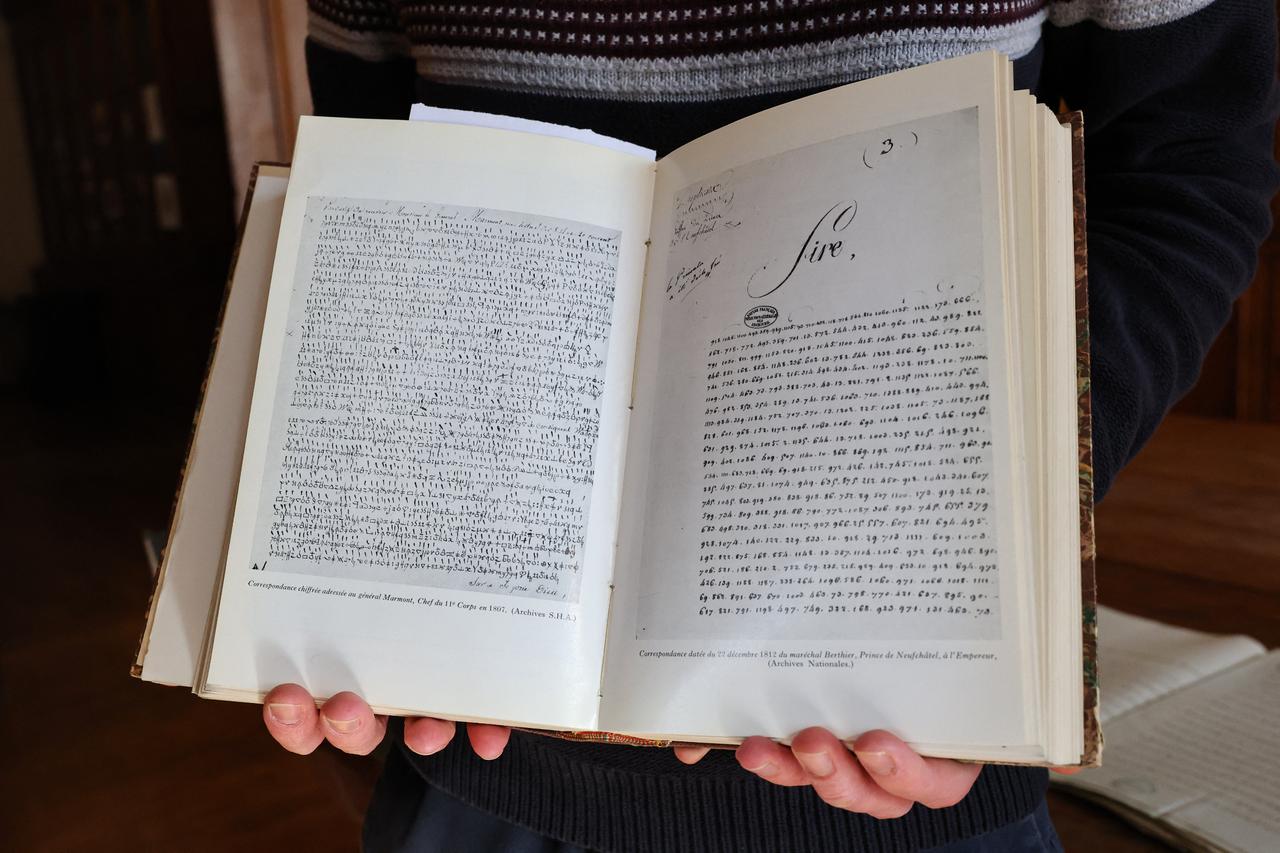


An artificial intelligence model has deciphered a secret military letter issued on the orders of Napoleon Bonaparte in 1809, uncovering troop movements and strategic instructions that had remained unread for more than two centuries.
Carter Church, an engineer at cybersecurity company SentinelOne, said OpenAI's GPT-6 Astra model reconstructed the encrypted message in approximately six hours, bringing to light military intelligence intended for French General Auguste de Marmont.
The document was not written personally by Napoleon but was prepared at the headquarters of Eugene de Beauharnais, the Viceroy of Italy, who was instructed to pass along information about French and allied forces to Marmont.
Although researchers had attempted to work out the message for decades, none had previously published a fully deciphered version of the document.
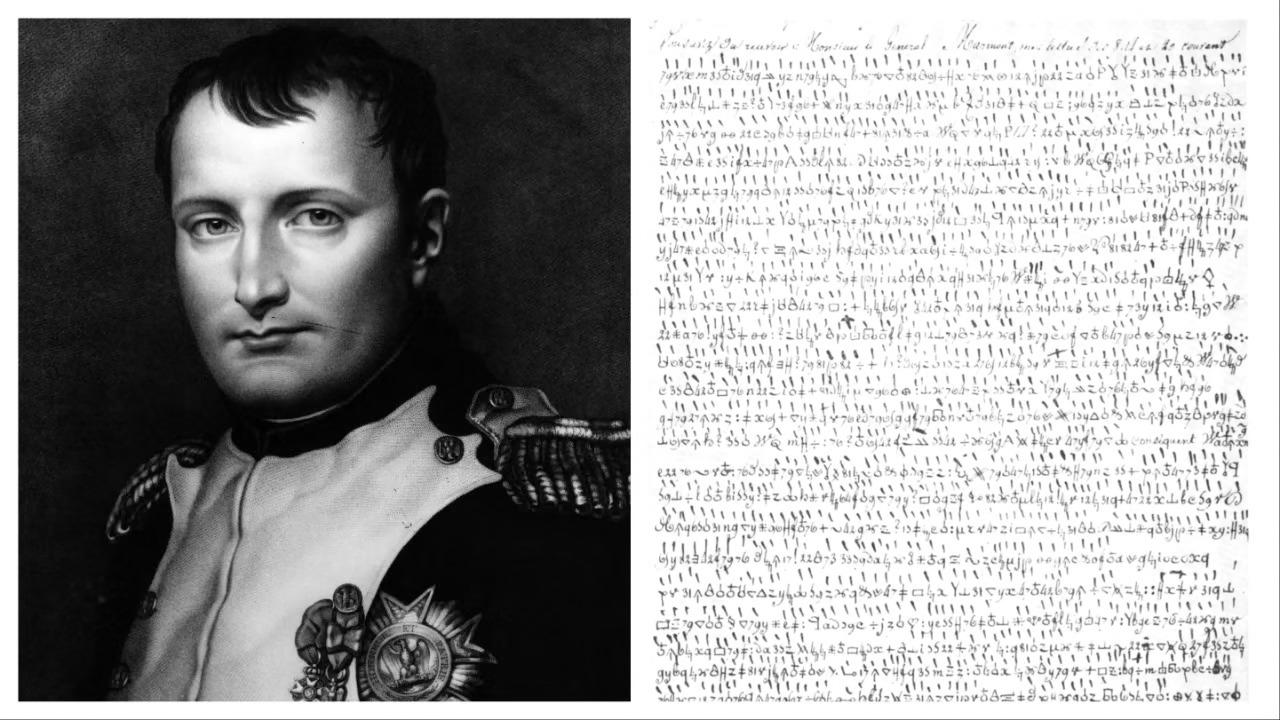

According to Church, GPT-6 Astra carried out the decoding process using an image of the original encrypted document, turning its handwritten symbols into text before analyzing the underlying encryption system.
The model worked through a technique known as a homophonic substitution cipher, in which multiple symbols can represent the same letter, making conventional codebreaking more difficult.
It then wrote computer code, tested possible interpretations and cross-checked the results against historical records to reconstruct the message.
The process took approximately six hours of model execution time, although some symbols in the proposed reconstruction remain uncertain.
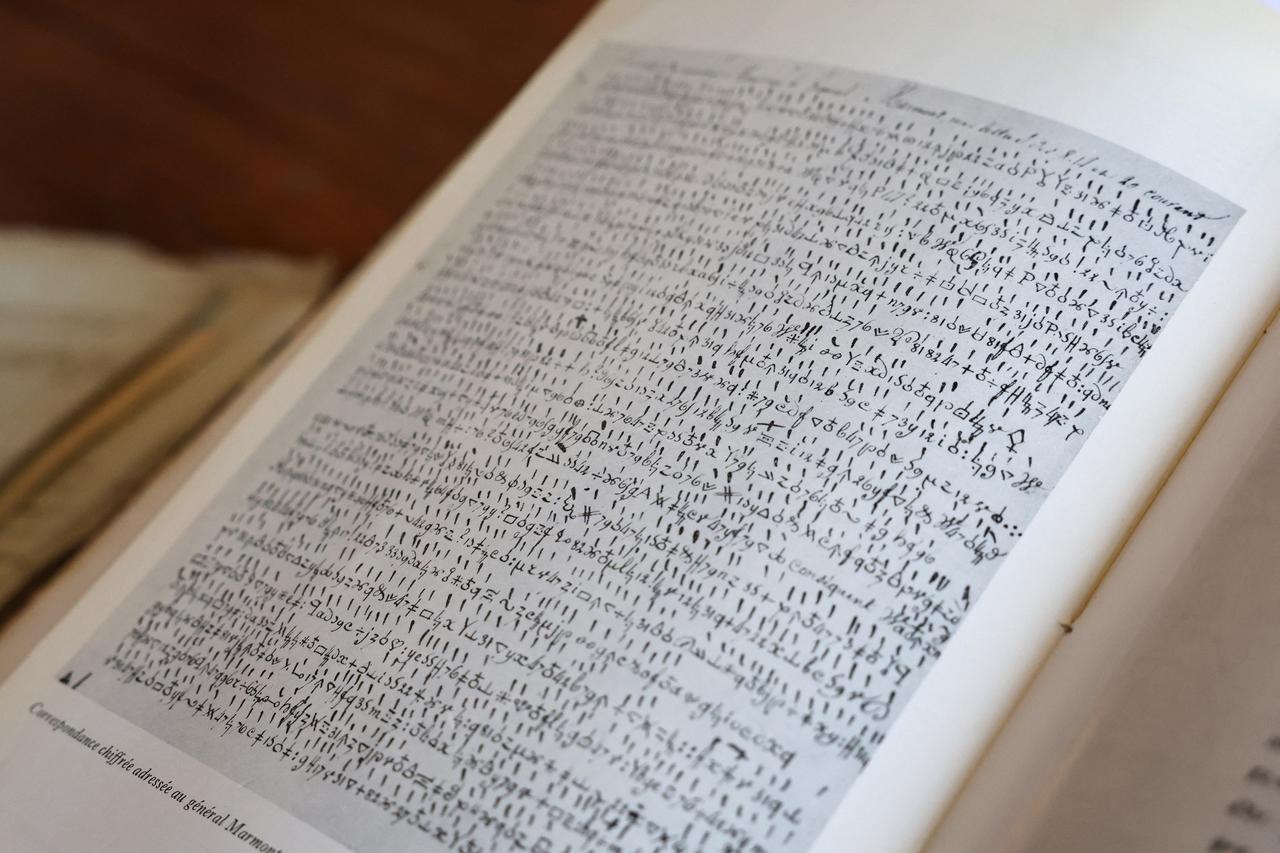
The decrypted message sheds light on French military preparations in March 1809, when Austria was preparing for war against France while a substantial portion of Napoleon's forces remained deployed in Spain.
Marmont, who commanded French troops in Dalmatia, a historical region along the eastern Adriatic coast, faced the possibility of becoming isolated from other French units if Austria launched an attack.
On March 16, Napoleon instructed Eugene to inform Marmont about the positions of the main French and allied forces, specifically ordering that the information be encrypted and delivered by a trusted officer.
The reconstructed message outlined the deployment of Bavarian, Polish and French troops, while also referring to Russian movements against Austria and the strength of French forces in the Friuli region.
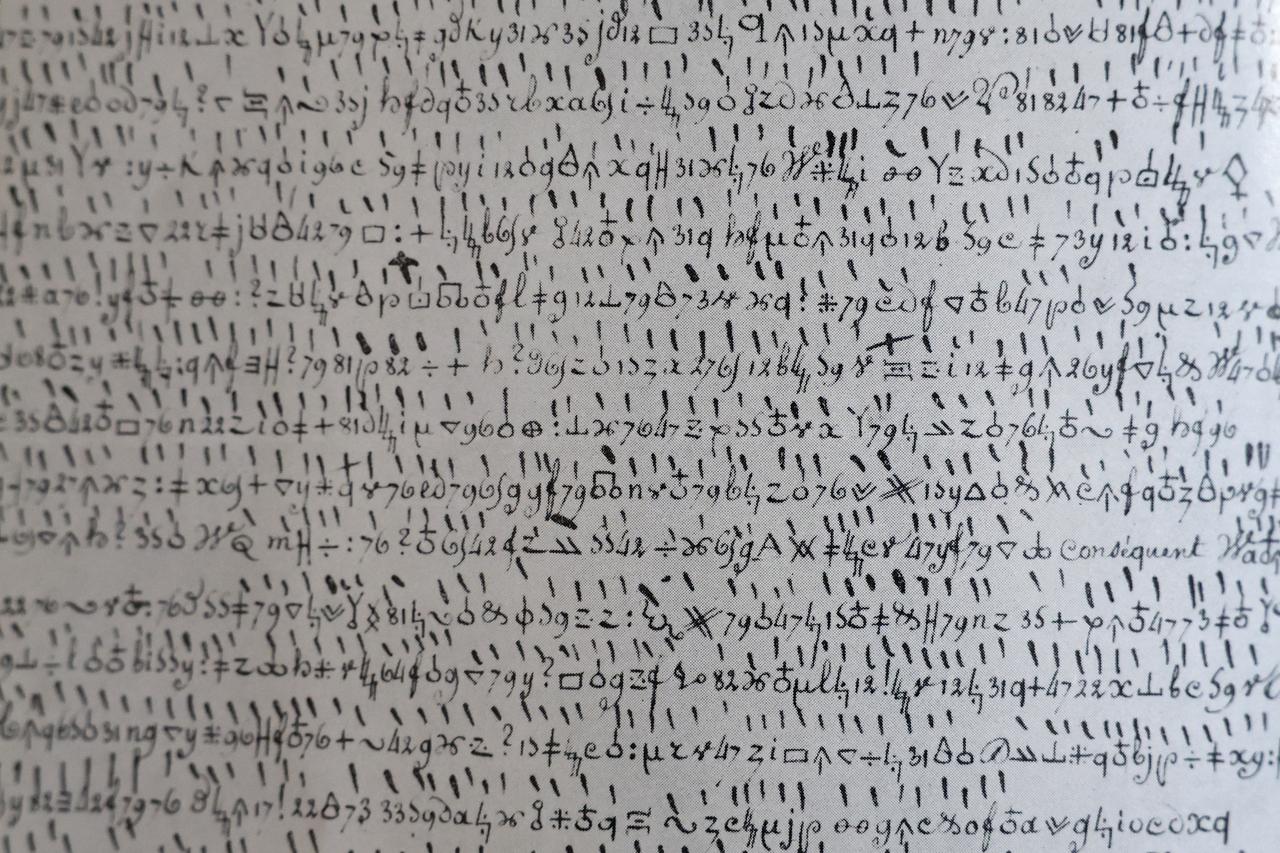
According to the decoded text, the Friuli army numbered 80,000 soldiers, with additional forces in Dalmatia and reserves being assembled behind the front lines.
The message presented Austria as facing the prospect of attacks from multiple directions and urged Marmont not to be discouraged by limited resistance once he received orders to advance.
One passage warned that Austria was rapidly heading toward its own destruction, while another instructed Marmont not to let a small group of soldiers or an unruly crowd intimidate him when the order to move forward arrived.
The reconstruction provides a new reading of the military instructions Napoleon sought to communicate to his commanders as tensions with Austria mounted in 1809.


 Set as preferred source
 Set as preferred source



 2 min read