Newsletters




A new academic study has revealed how horses played a central role in ancient Turkic beliefs, serving not only as companions in warfare and transportation but also as sacred figures connecting the living, the dead and the spiritual world through elaborate sacrifice and burial rituals.
Published in the Journal of Academic Language and Literature in July 2026, the research by Ismail Senesen, an associate professor at Cukurova University in Türkiye, brings together archaeological discoveries, historical accounts, mythology and folklore to examine the symbolic importance of horses throughout Turkic history.
The study finds that horse sacrifices represented more than religious offerings, as they were closely associated with political authority, social status, cultural identity and beliefs about life after death.
According to the research, ancient Turkic communities regarded horses as sacred beings capable of traveling between three cosmic realms: the heavens, the human world and the underworld.
Creation myths described extraordinary horses emerging from the sky, water, wind, caves and earth, with each origin reflecting different spiritual meanings. The sky represented divine authority, water symbolized renewal, and caves and earth were associated with fertility and ancestry.
In Turkic-Altaic shamanic traditions, spiritual practitioners known as shamans were believed to ride symbolic spirit horses during journeys between the human and supernatural worlds.
The winged horse Tulpar, appearing in Turkic epics, similarly embodied supernatural speed and divine power, while legendary horses in the stories of Alpamish and Koroglu were portrayed as intelligent companions capable of protecting their owners and sensing danger.
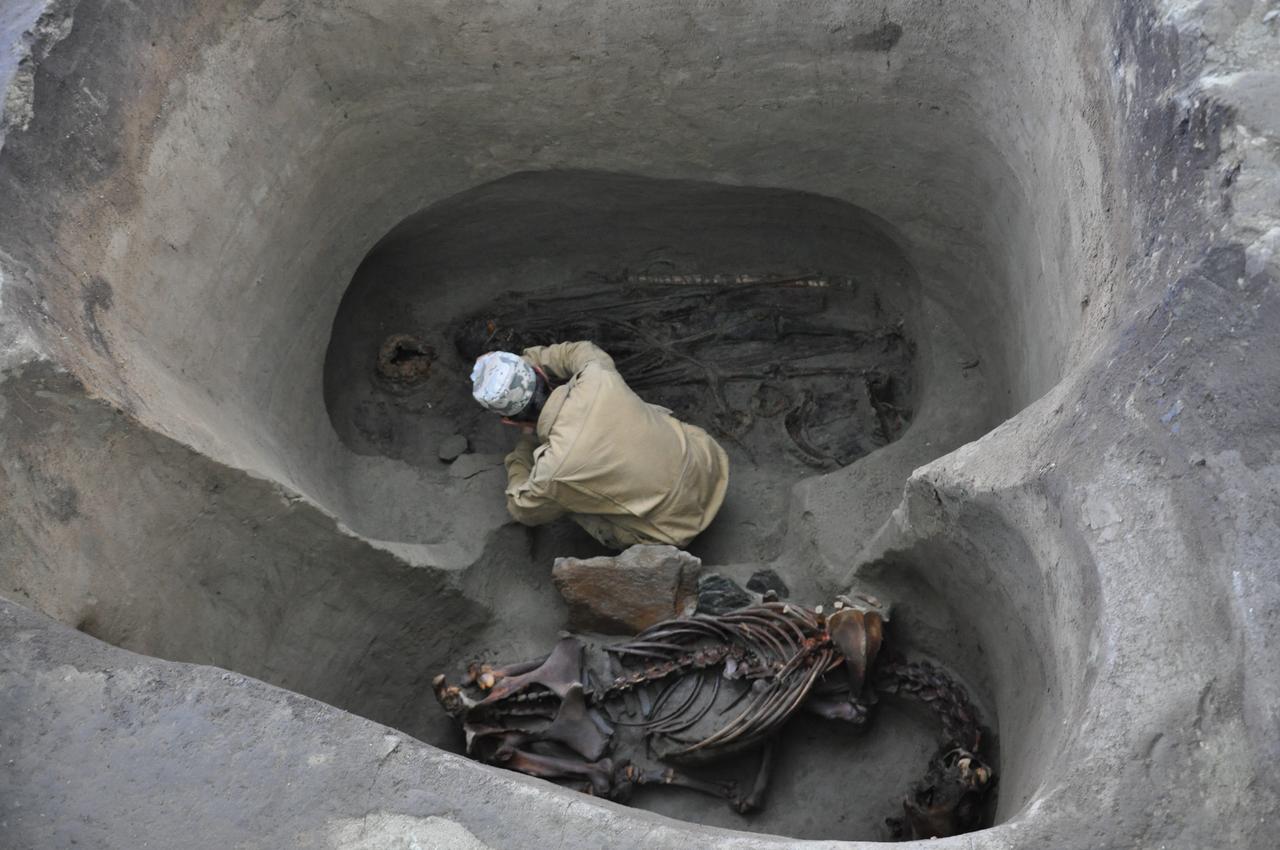

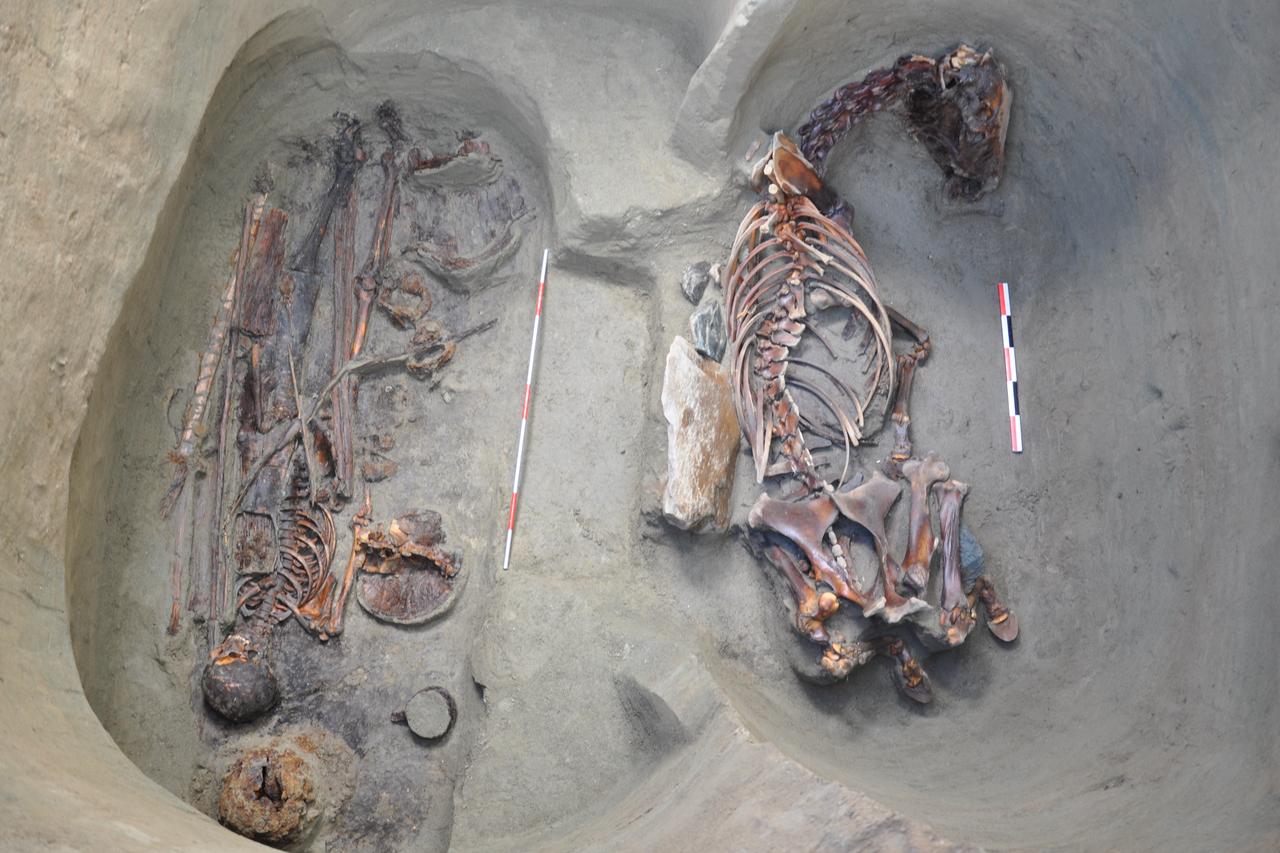
The study draws particular attention to archaeological discoveries at the Pazyryk and Berel burial mounds in Central Asia, where horses were buried alongside deceased individuals.
These burial mounds, known as kurgans, contained horses equipped with elaborate harnesses and decorative masks, reflecting beliefs that the animals would accompany their owners into the afterlife.
Researchers also associated the number of buried horses, the richness of their equipment and the scale of the burial structures with the deceased person's social standing.
Historical accounts, including descriptions attributed to the ancient Greek historian Herodotus, further document horse sacrifice ceremonies among the Scythians, involving carefully established ritual procedures.
The findings suggest that horses were regarded as companions whose relationship with their owners continued beyond death.
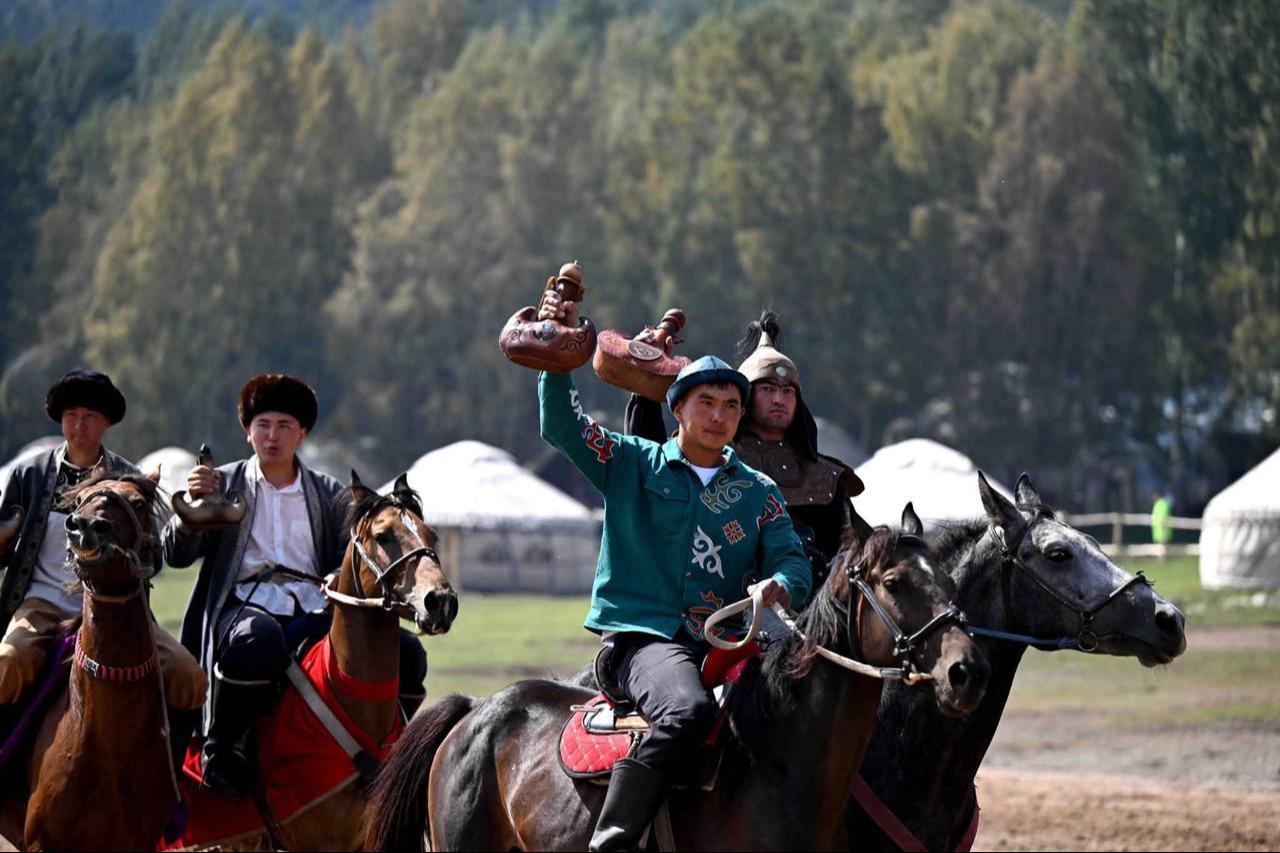
The research also identifies a symbolic system in which the color of a sacrificed horse carried religious significance.
White horses were associated with heaven, divine favor and sovereignty, making them particularly important in ceremonies dedicated to the Sky God, known as Gok Tanri.
Gray horses were linked to Ulgen, a benevolent divine figure, while black horses were associated with Erlik, a figure connected to the underworld.
Even the direction in which ritual objects were positioned carried meaning, with east representing sunrise and continuity of life, while west was associated with death and the underworld.
According to the study, these practices formed part of a broader belief system connecting religious ceremonies with the perceived structure of the universe.
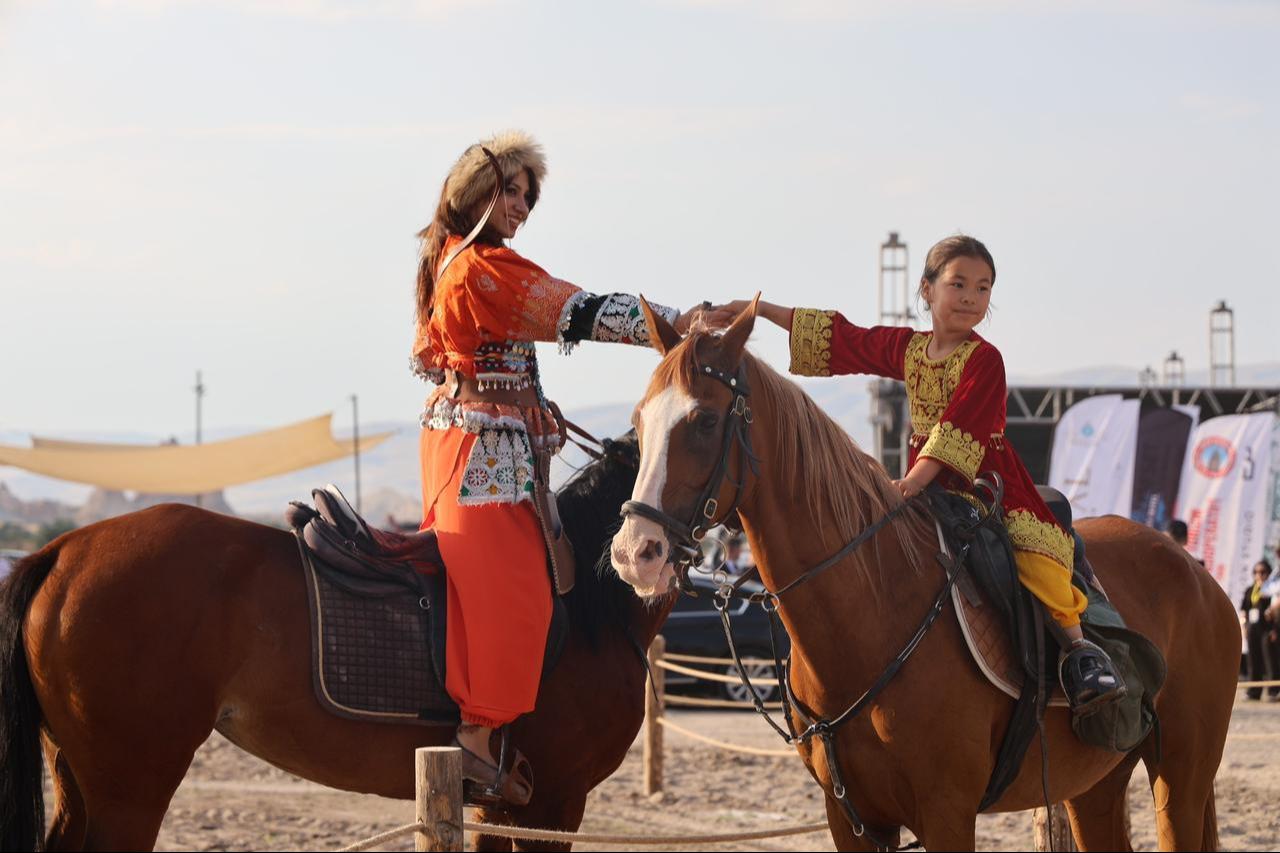
The research also finds that horse-related beliefs did not disappear entirely as Turkic societies adopted Islam, but were instead reinterpreted within changing religious and cultural traditions.
Examples appear in the Book of Dede Korkut, a collection of Turkic heroic narratives, where horses retain their exceptional status as loyal companions and symbols of honor.
The study also identifies traces of earlier horse-related rituals in Anatolian votive offerings, rain prayers and mourning customs, alongside practices documented among Turkic communities in Central Asia.
Senesen concludes that the horse's symbolic importance continued across different historical periods, linking mythology, political authority, religious practices and collective memory.
The research is based on a comparative examination of existing written sources and archaeological findings rather than new excavations or field observations, and recommends further ethnographic research into how these traditions have changed in contemporary communities.


 Set as preferred source
 Set as preferred source



 3 min read