Newsletters


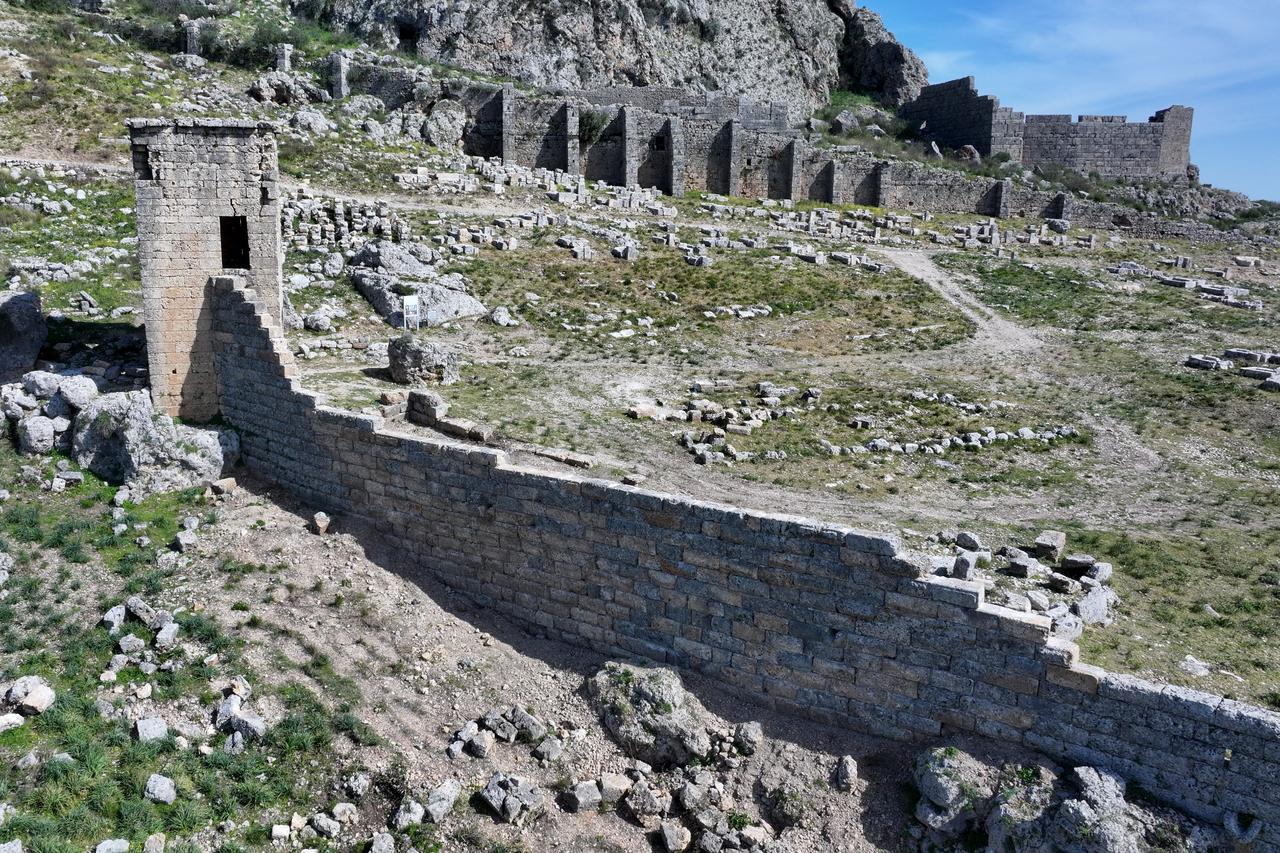


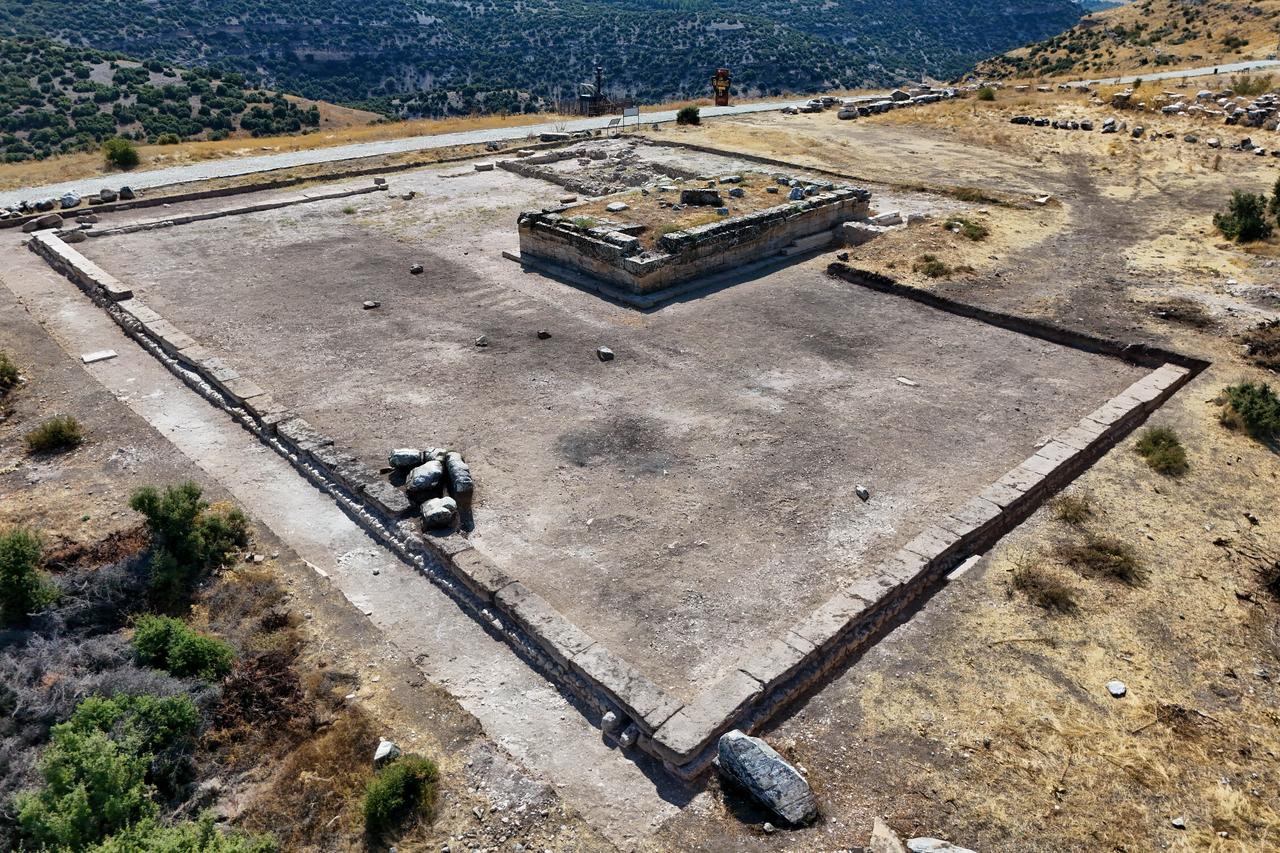
The ancient city of Sillyon in Serik, Antalya, has witnessed the revival of its historic defensive walls, long famed for resisting even the forces of Alexander the Great.
Restoration works, sponsored by Opet and conducted under Türkiye’s Ministry of Culture and Tourism “Heritage for the Future” project, have brought new life to this emblematic site.

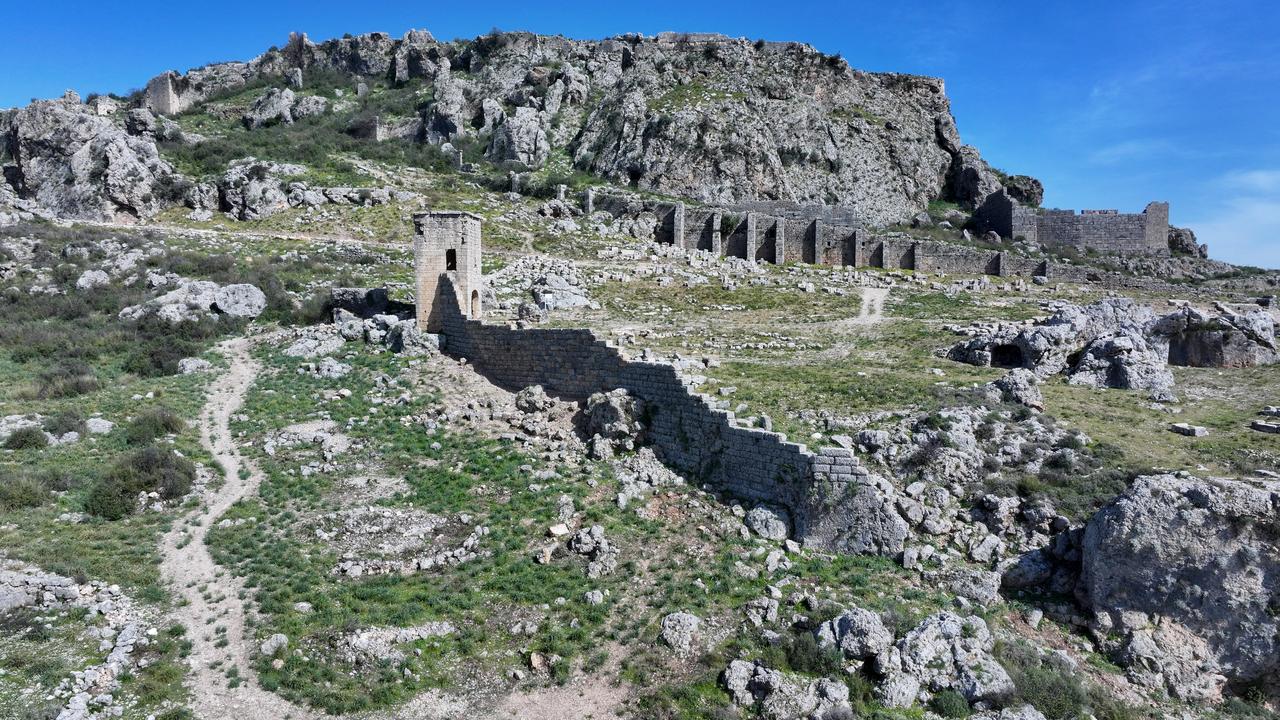
Sillyon, situated in the Pamphylia region of southern Türkiye, has seen continuous human settlement for over 7,000 years. Known as the “cradle of civilizations” for hosting multiple cultures over millennia, the city earned its historical reputation by repelling Alexander the Great’s conquest, thanks to its formidable defensive system.
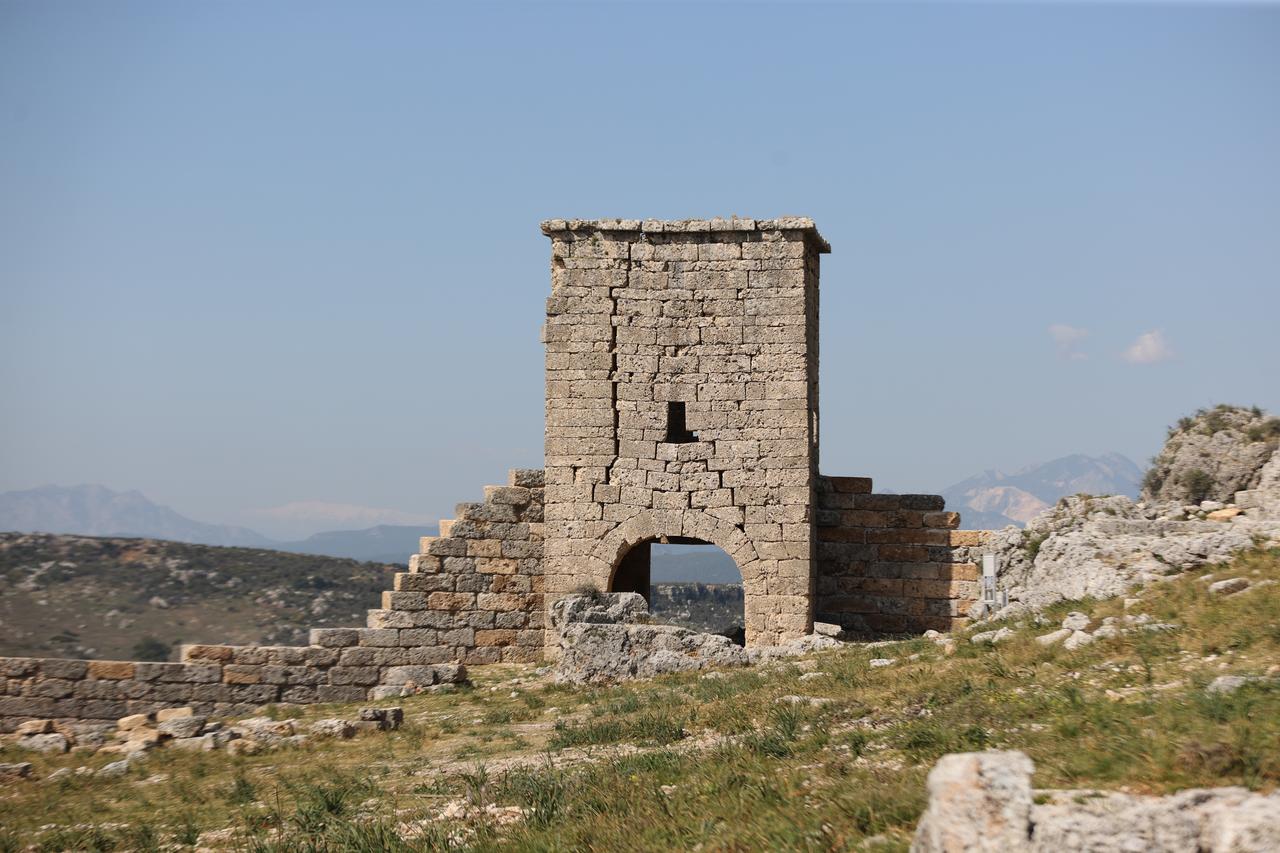
The restoration focused on the city’s western walls dating back to the Hellenistic period, reviving structures that once formed the backbone of Sillyon’s military strength. Among them, the Hellenistic tower, considered one of the best-preserved examples in Anatolia, is undergoing careful reinforcement and repair.
Assoc. Prof. Murat Taskiran, head of the Sillyon excavation and a lecturer at Pamukkale University, emphasized the city’s unique topography as a central element of its defense.
He explained that the terrain itself provided natural protection, while the western walls fortified the city’s only accessible approach. Strategically placed towers along the walls made the city virtually impregnable, preventing any recorded major attacks during the Hellenistic era.
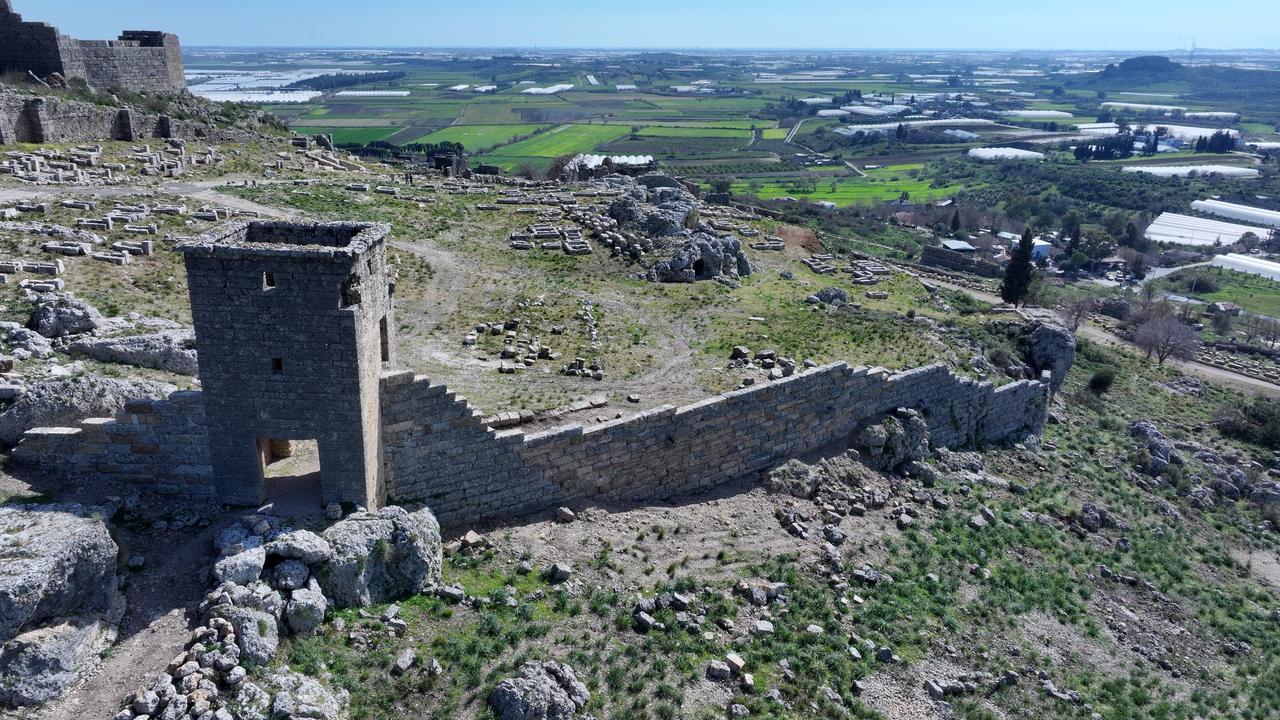
These defensive structures continued to serve the city through the Byzantine, Seljuk, and Ottoman periods. According to Taskiran, some walls were restored during the Ottoman era to accommodate residential needs. Recent restoration efforts have strictly used original materials, preserving the historical authenticity of Sillyon’s signature fortifications.
The Hellenistic tower, still standing solidly, is a rare example of a fully intact ancient defense structure in Anatolia, and ongoing work this year focuses on its support and maintenance.


 Set as preferred source
 Set as preferred source


 3 min read