Newsletters


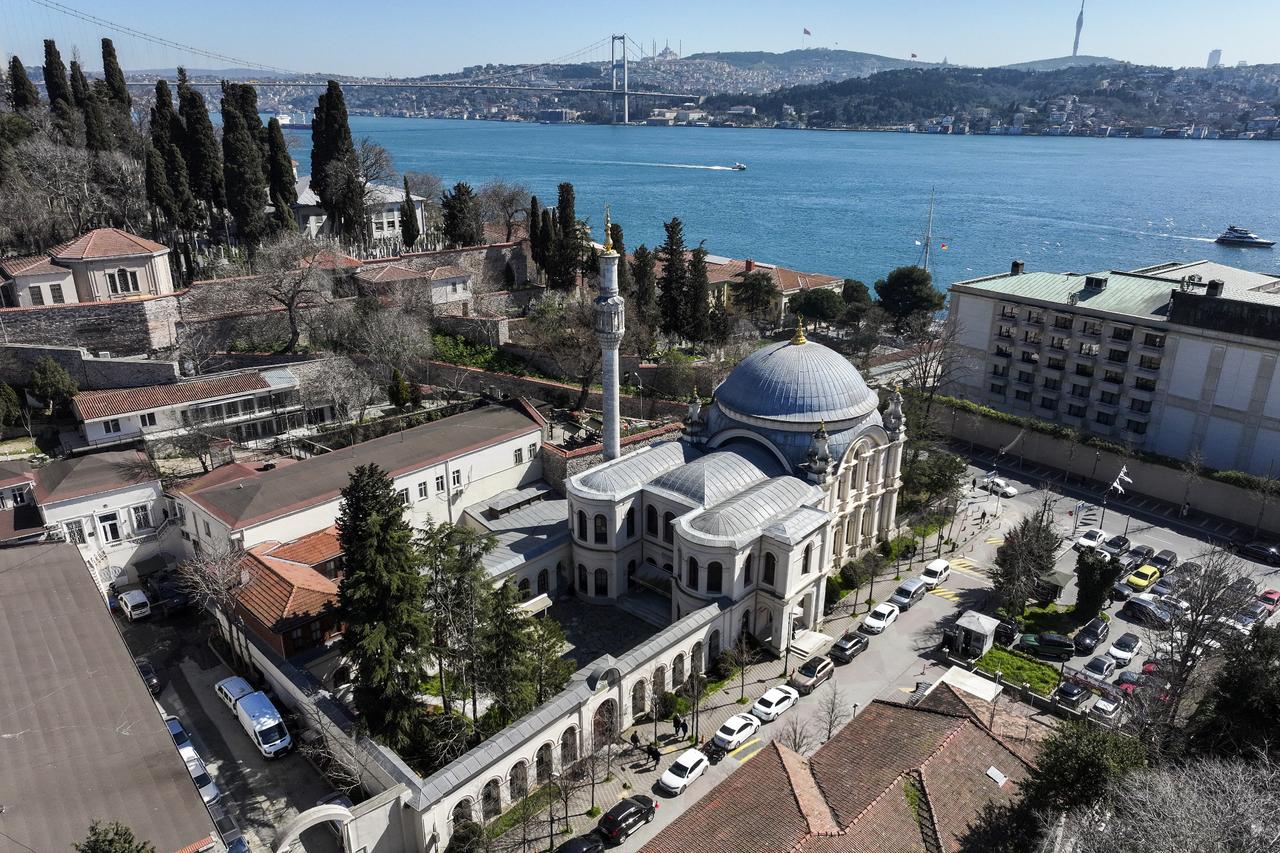
On the shores of the Bosphorus, the Emirgan Hamid-i Evvel Mosque is one of Istanbul’s oldest “waterside mosques.” Commissioned by Sultan Abdul Hamid I in the late 18th century in memory of his young son and the boy’s mother, the mosque combines historical significance with the serene charm of the Bosphorus shoreline.
Dr. Belkis Dogan, assistant professor of Turkish-Islamic Art History at Istanbul Medeniyet University, told Anadolu Agency (AA) that the mosque was built during the reign of Sultan Abdul Hamid I and that its inscription shows it was commissioned in memory of the sultan’s young son, Sehzade Mehmed, and the prince’s mother, Humasah Hatun.

Originally designed as part of a larger kulliye, the complex included a bathhouse, bakery, and mill. Today, only the mosque and an octagonal fountain in the square remain.
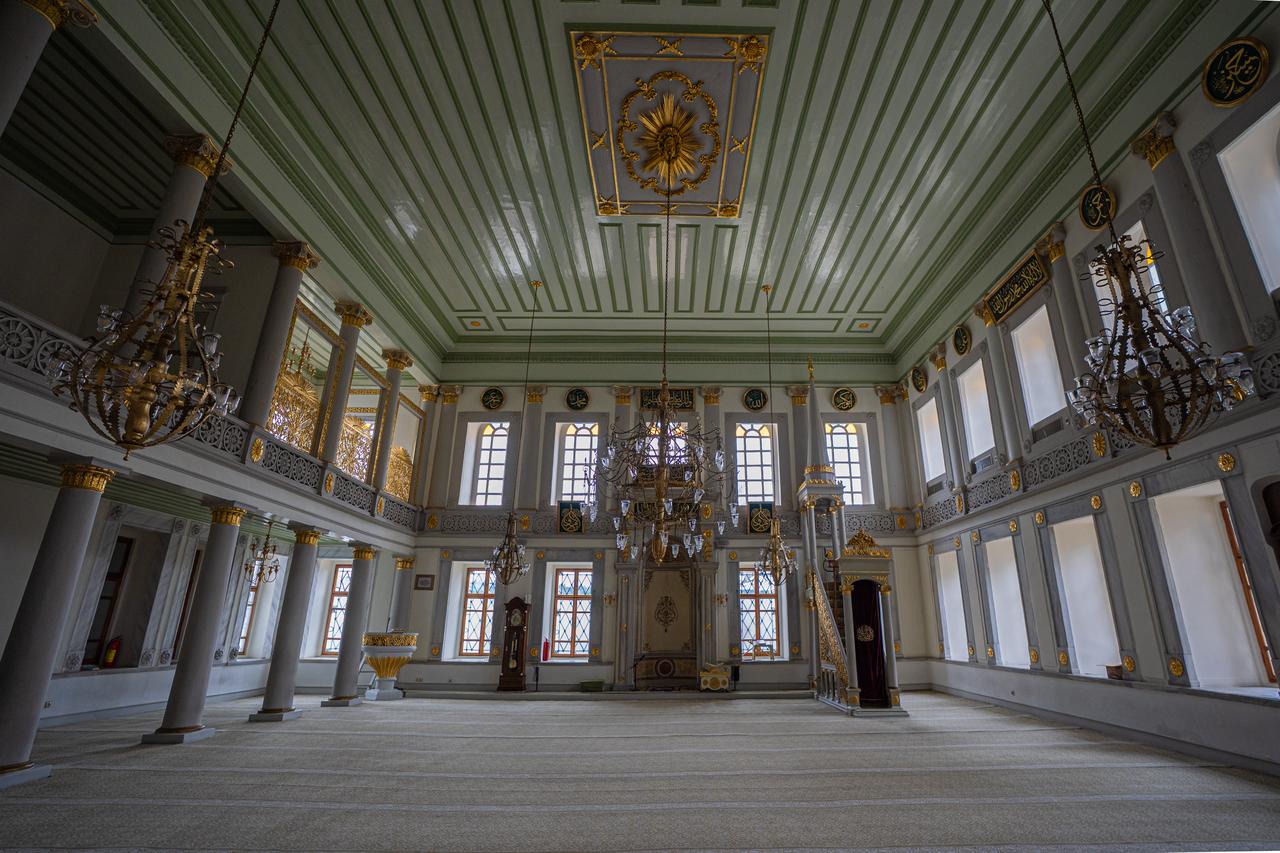
Constructed from cut stone with a square floor plan and a single minaret, the mosque’s large windows create a bright and welcoming prayer hall.
Much of the mosque’s current look reflects renovations during Sultan Mahmud II’s reign in the early 19th century.
The structure received a hipped roof and a sultan’s gallery (hunkar mahfili), and the interior decorations were updated in the Ottoman “Empire” (ampir) style, blending Western influences with traditional Turkish motifs.
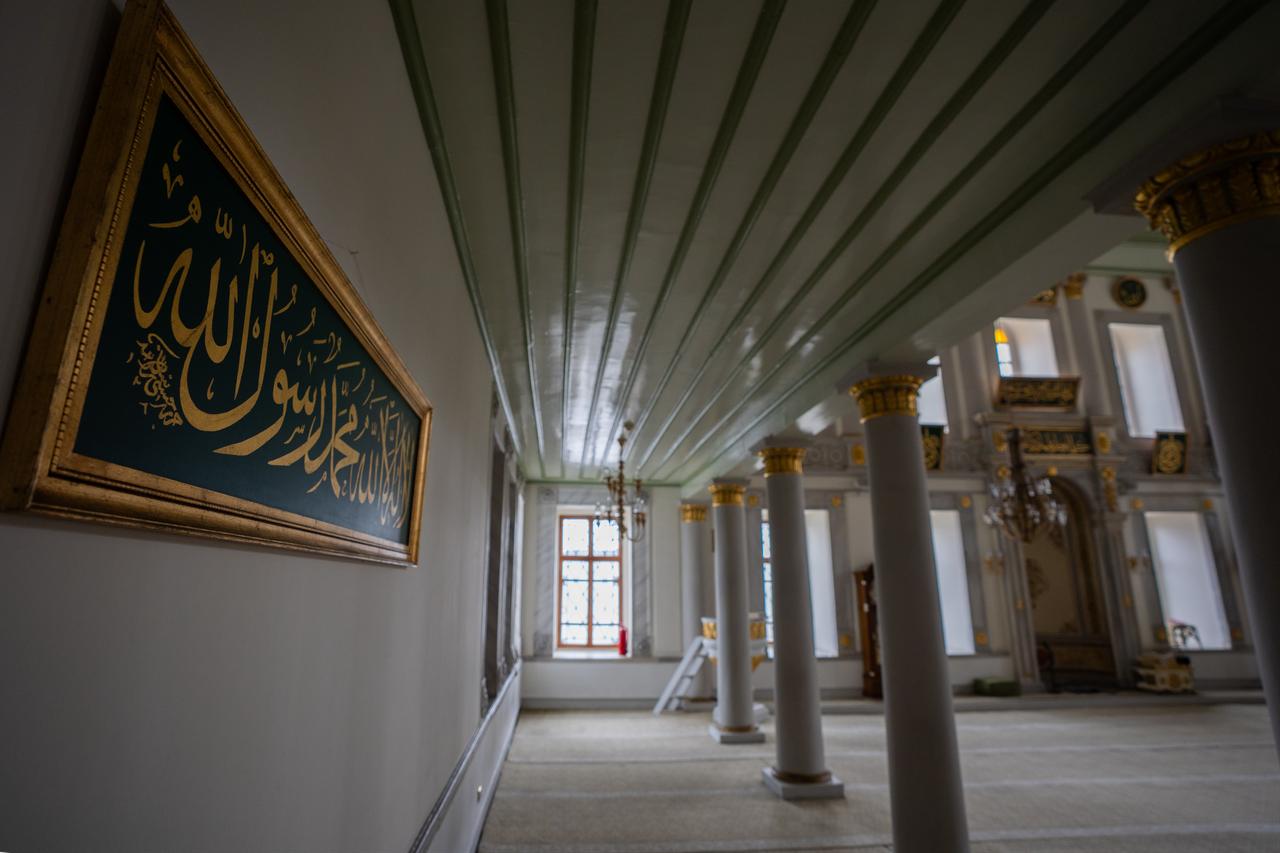
The mosque’s minaret also carries ampir-style details, and ornamental motifs like the “Sultan Mahmud Sun” can be seen in the gallery and on the central ceiling, a design later incorporated into the Ottoman coat of arms.
The Emirgan Hamid-i Evvel Mosque is an early example of Istanbul’s “yali mosques,” built along the Bosphorus shoreline. Unlike other selatin mosques, these structures often feature facades resembling palaces or mansions and include large sultan galleries.
The two-story design at Emirgan places the gallery on the second floor, emphasizing its dual function as both a place of worship and a symbol of imperial presence.


 Set as preferred source
 Set as preferred source


 1 min read
 1 min read