Newsletters


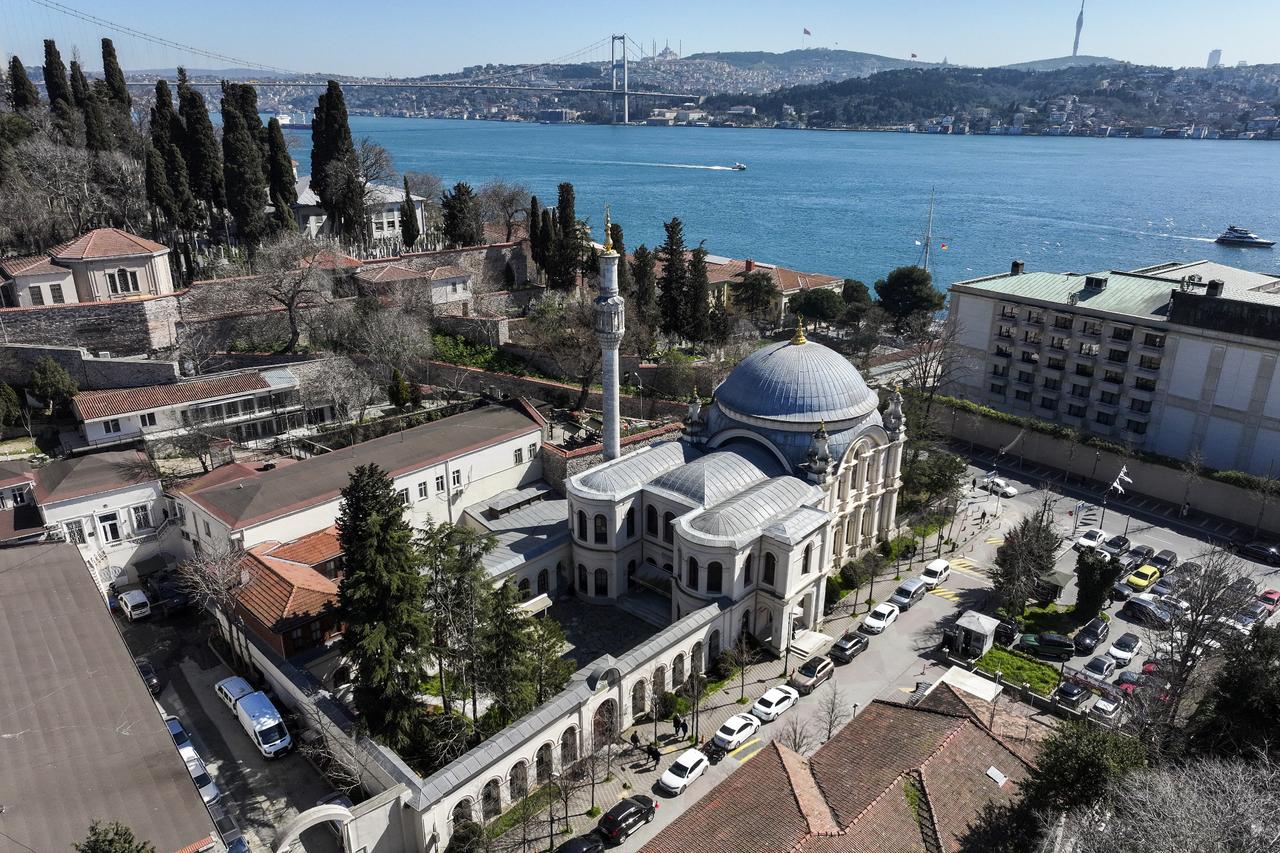


Overlooking the sparkling waters of the Bosphorus and standing proudly across from the historic Ciragan Palace, the Kucuk Mecidiye Mosque is one of Istanbul’s most striking yet often overlooked 19th-century Ottoman landmarks.
Commissioned by Sultan Abdulmecid I in 1849, the mosque combines traditional Ottoman architecture with bold Western-inspired Baroque elements, making it a unique symbol of the empire’s cultural and artistic ambitions.
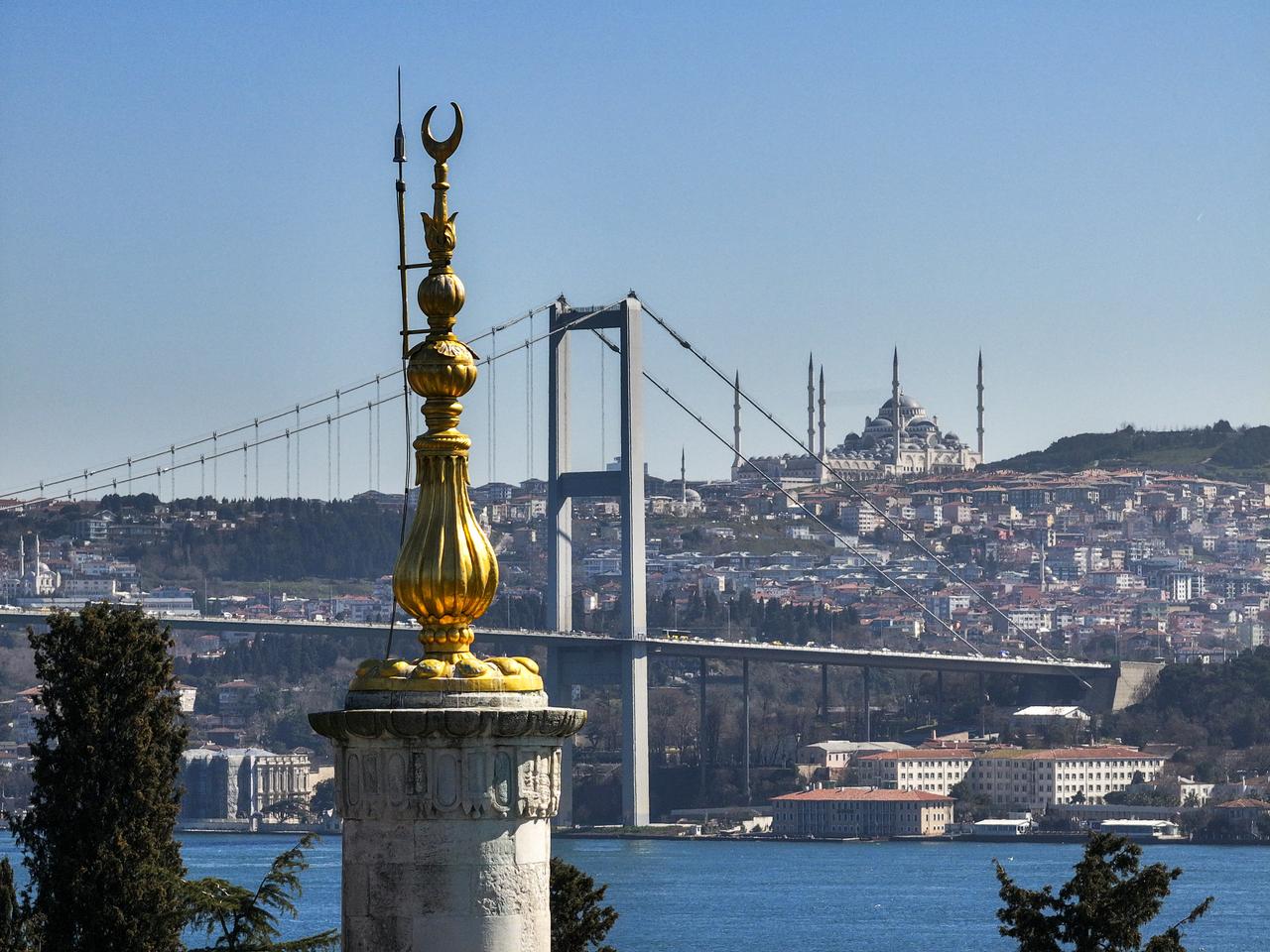

Perched at a prime location on the Bosphorus shore, the mosque historically served palace officials and local visitors, earning its nickname “Kucuk Mecidiye” to distinguish it from the larger Buyuk Mecidiye Mosque in Ortakoy, Besiktas.
Featuring a single-domed, square plan and a single minaret, the structure stands out among imperial mosques that typically boast multiple minarets. The minaret’s gallery is framed by slender columns, while the hunkar kasri (imperial pavilion) displays oval forms, a reflection of Baroque influence in Ottoman design.
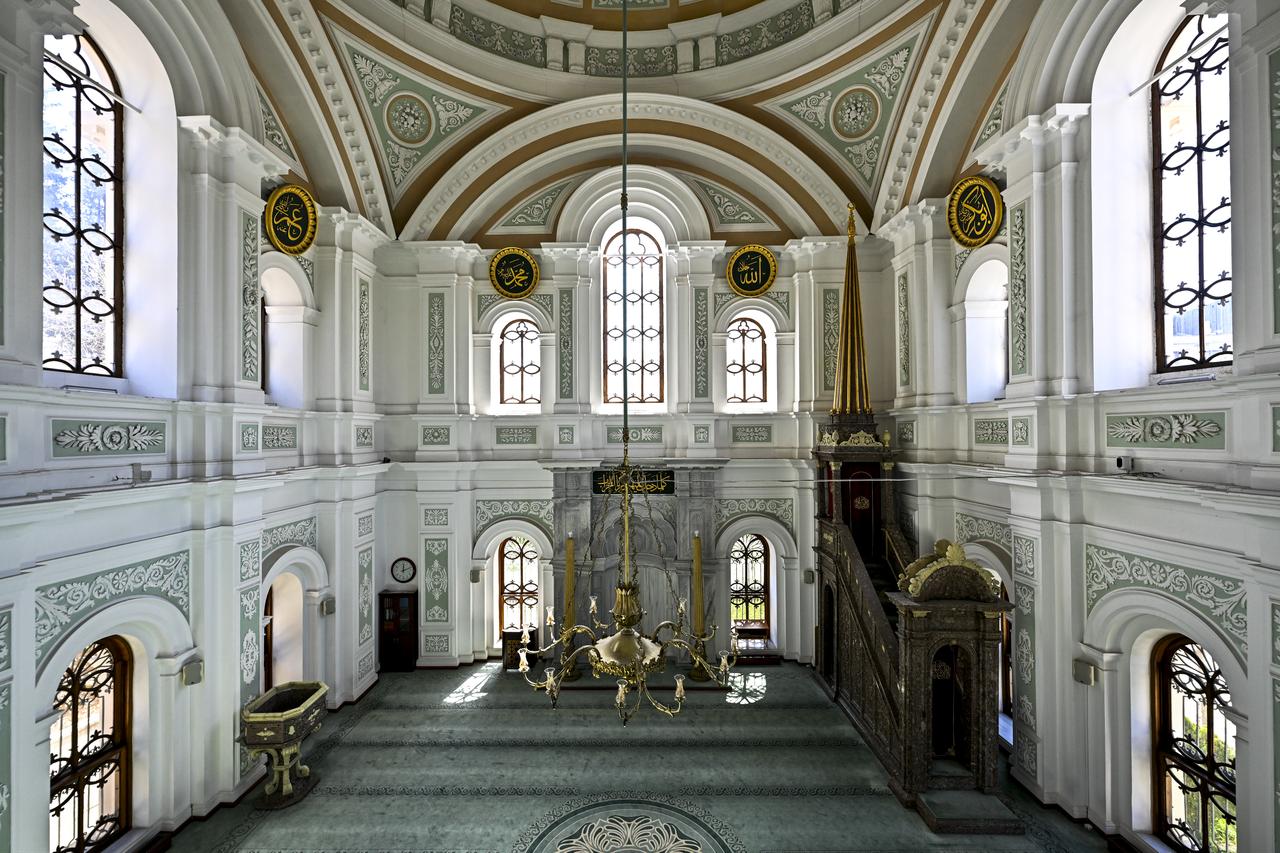
Inside, the mosque’s decoration demonstrates meticulous craftsmanship. The minber and mihrap, made from pink-hued marble, feature multicolored tones of red, brown, and green, distinguishing them from other contemporary minbers that typically use a single color.
The Kelime-i Tevhid panel on the minber is attributed directly to Sultan Abdulmecid, who was trained in calligraphy from his youth. The dome inscriptions, which include verses from the Nur Sura (35th ayah), were executed by Kazasker Mustafa Izzet Efendi, one of the leading calligraphers of the era.
Historical records also indicate that soil from the Kaaba in Mecca was added to the mosque’s mortar during construction, giving the building a unique spiritual significance. The mosque’s kitabe, a poetic inscription, was written by Ziver Bey, a notable statesman and poet, who was later buried in Medina’s Cennet-ul Baki cemetery.


 Set as preferred source
 Set as preferred source


 1 min read
 1 min read