Newsletters


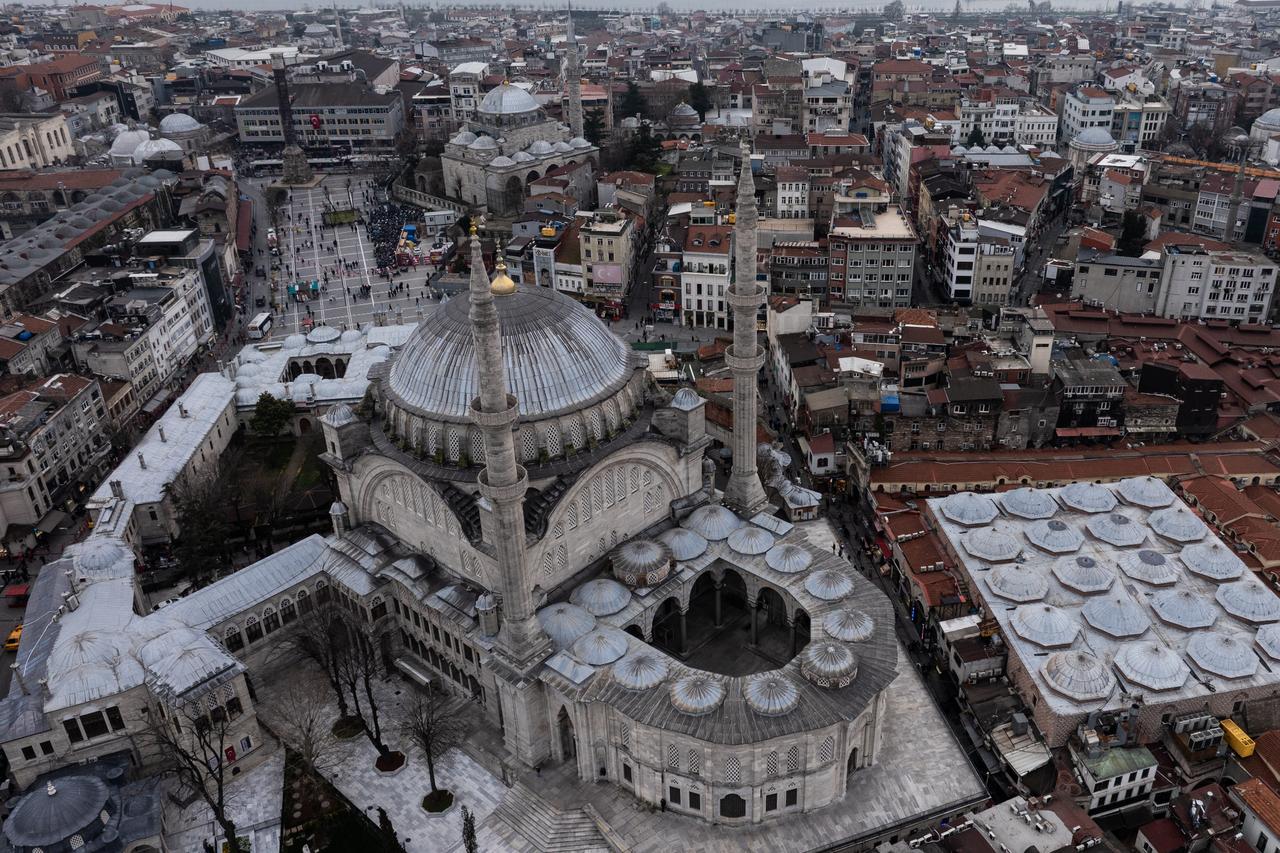


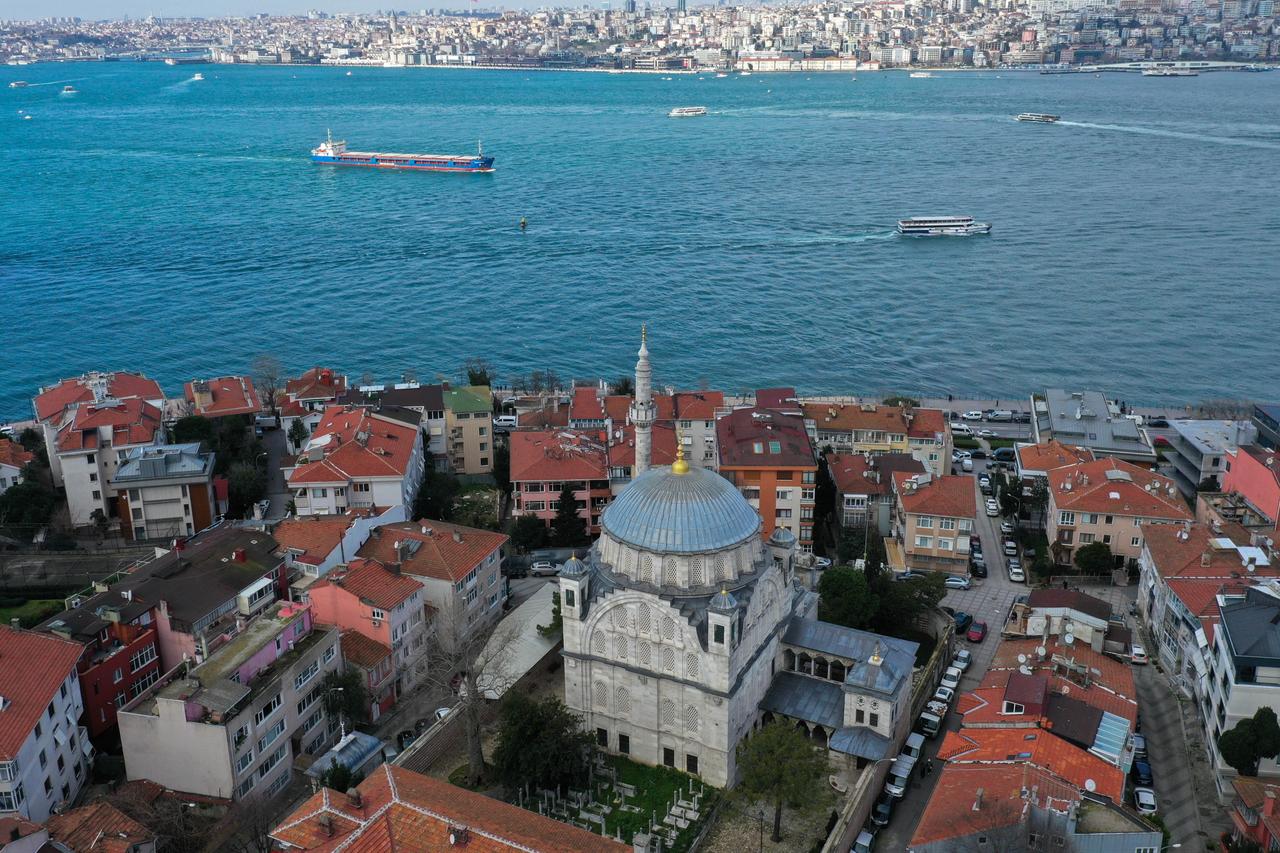
Located at the entrance of the Grand Bazaar in Istanbul’s Fatih district, the Nuruosmaniye Mosque stands as one of the first major Ottoman imperial mosques to exhibit clear Western architectural influences, maintaining its grandeur for over 270 years.
Construction of the mosque was commissioned by Sultan Mahmud I in 1748. Following his death in 1754, the project was completed under the reign of his brother, Sultan Osman III, and the mosque opened for worship in 1755. The mosque derives its name from the reigning sultan at the time of its completion, Osman III.
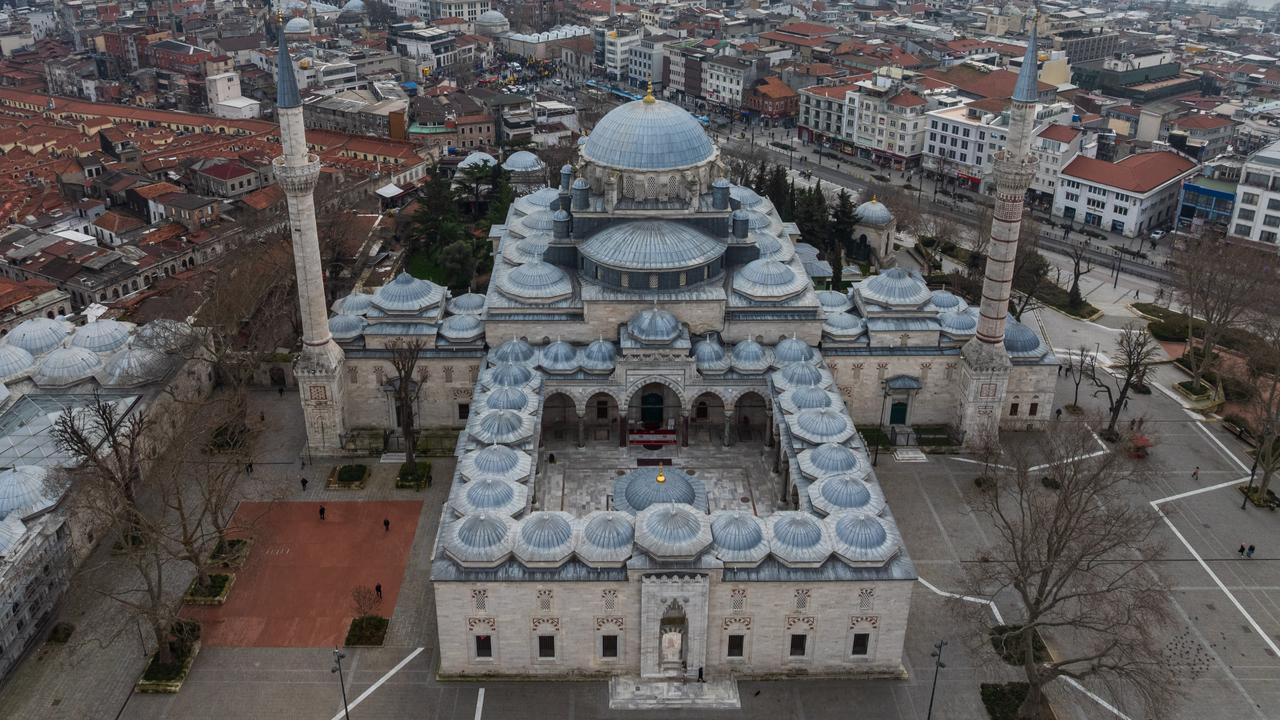
Architecturally, Nuruosmaniye Mosque marks a departure from the classical Ottoman style. The building incorporates Baroque elements, particularly in its oval-shaped courtyard, undulating architectural lines, and rich ornamental programs, signaling a new period in Ottoman architectural design.
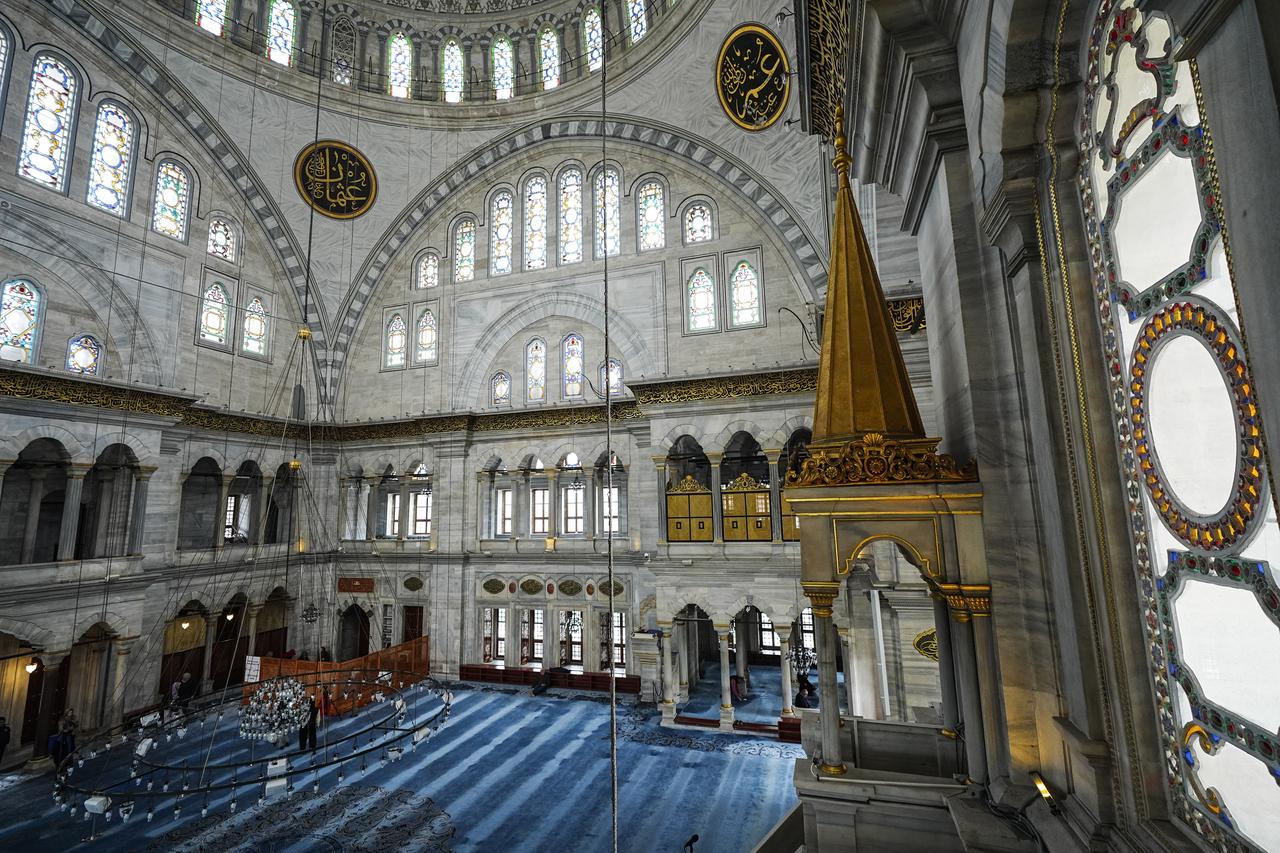

The mosque’s single-domed prayer hall is illuminated through numerous large windows, creating a spacious and airy interior, while intricate marble work and decorative motifs reflect the artistic sensibilities of the era.
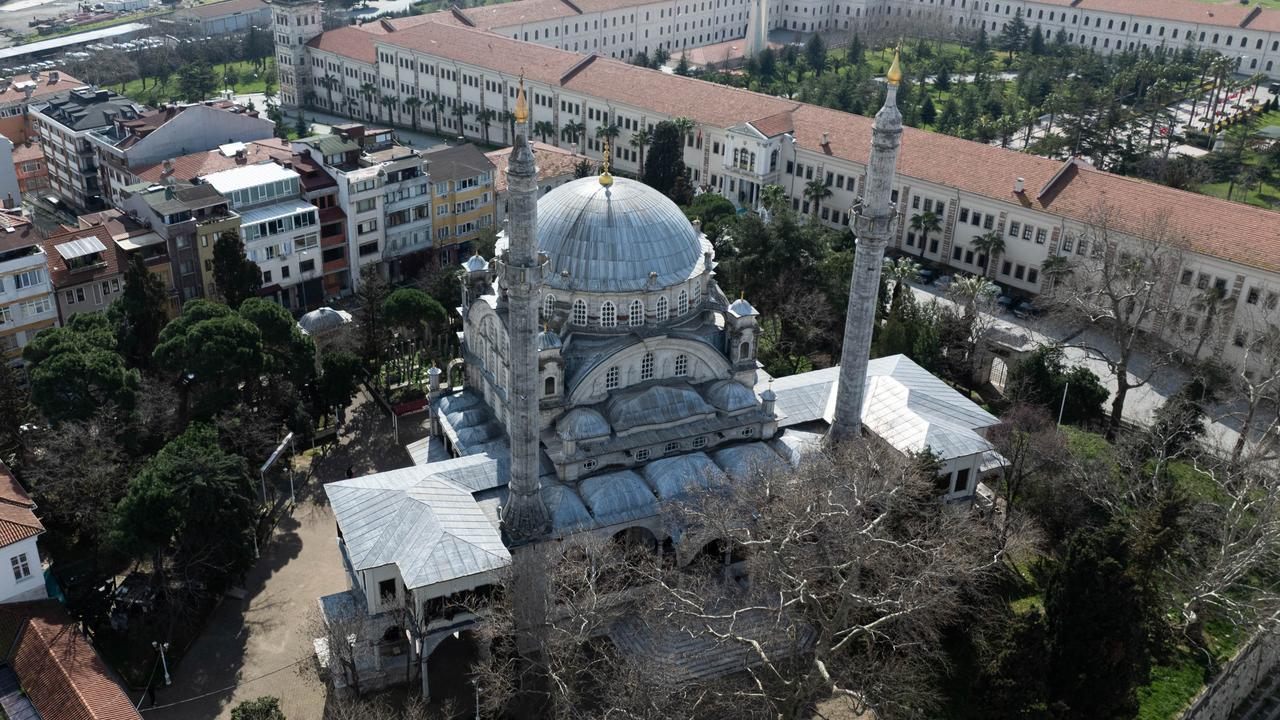
The mosque features two slender minarets with elegant balconies, and its entrance and courtyard design demonstrate Baroque influences in movement and ornamentation. In addition to serving as a place of worship, the mosque is the center of a kulliye, a larger complex including a medrese, imaret, library, tomb, and commercial shops.
Its proximity to the Grand Bazaar has historically placed it at the heart of Istanbul’s vibrant commercial life.
Speaking to Anadolu Agency, Dr. Belkis Dogan, a faculty member at Istanbul Medeniyet University, emphasized the mosque’s significance as a Baroque-style representative within Ottoman architecture.
She highlighted the mosque’s unique oval courtyard, S- and C-shaped decorative forms, and the abandonment of traditional mukarnas ornamentation, replaced instead with circular and flowing forms.
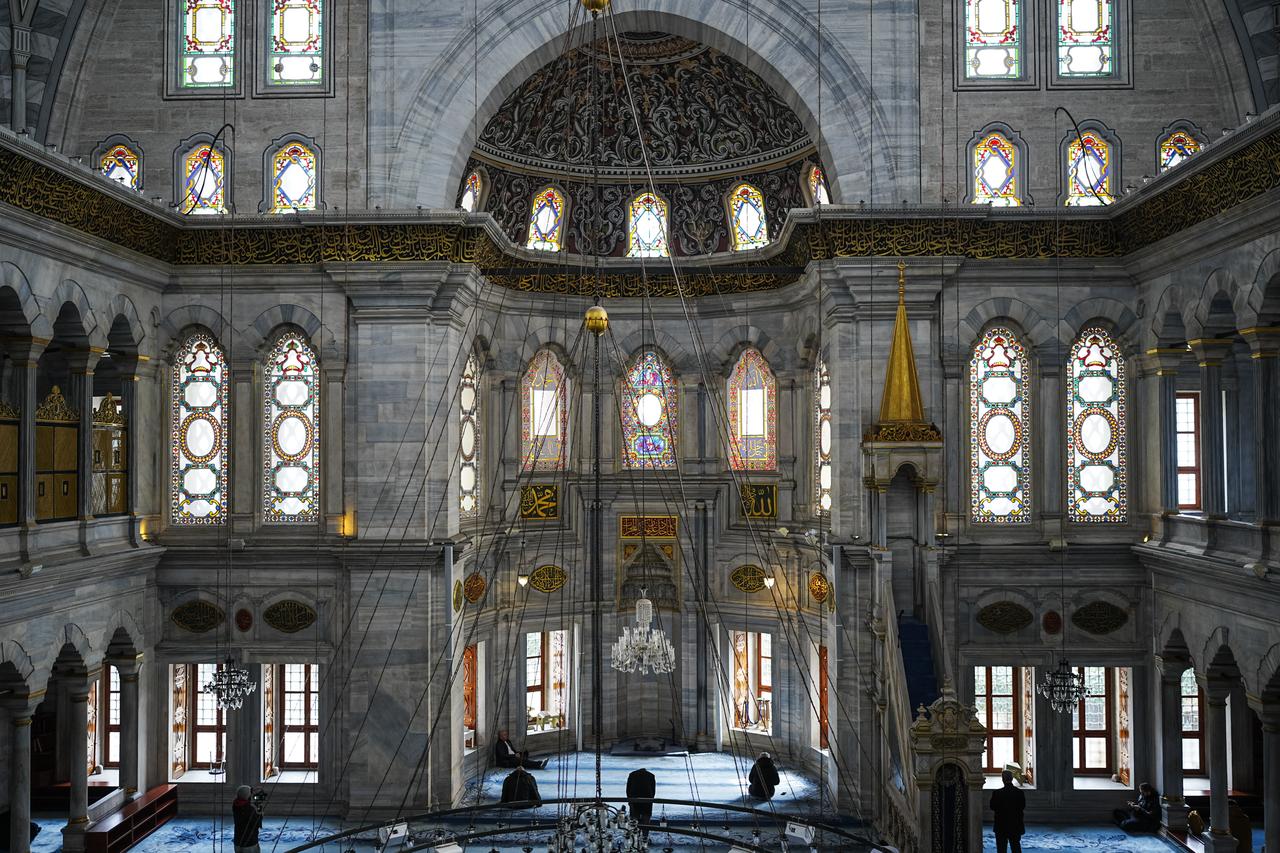
Dr. Dogan also noted the mosque’s rich calligraphic program. A continuous inscription of the Surah al-Fath encircles the mosque, a feature uncommon in other Ottoman mosques, while medallions display the Asma al-Husna (names of God) along with the names and attributes of the Prophet Muhammad. (pbuh). Several sultanic monograms, including one signed by the renowned calligrapher Mustafa Rakım, are also present.
She further explained that the mosque’s design integrates Ottoman architectural traditions with Baroque aesthetics, a combination that scholars describe as the “Turkish Baroque.” This synthesis is evident in the curved lines, ornamental details, and the overall harmony of the complex within the cityscape.
The mosque’s 174 windows illuminate the prayer hall, a feature that inspired its name, “Nuruosmaniye,” meaning “Light of Osman.”


 Set as preferred source
 Set as preferred source


 0 min read
 1 min read