Newsletters


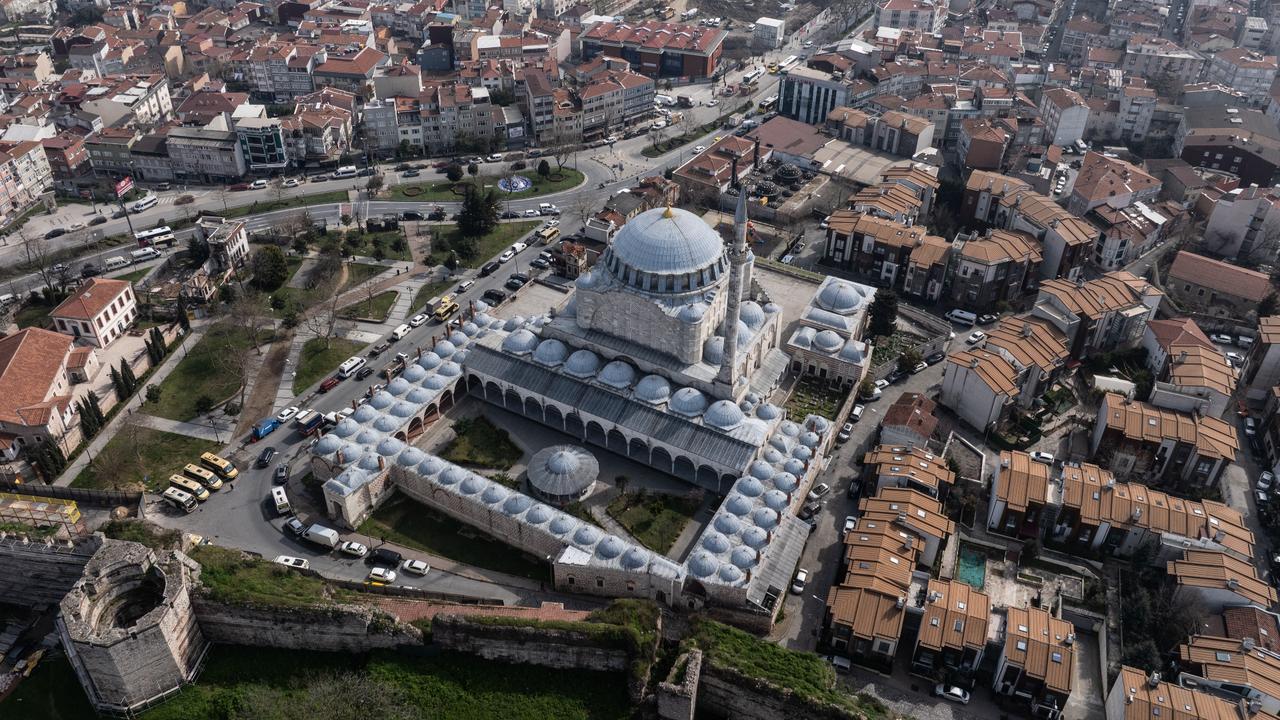
Standing near the historic city walls in the Fatih district of Istanbul, the Edirnekapi Mihrimah Sultan Mosque ranks among the most prominent imperial mosques designed by the renowned Ottoman architect Mimar Sinan. Commissioned by Mihrimah Sultan, the daughter of Sultan Suleiman I, the structure combines a commanding urban position with a design that makes extensive use of natural light. Built between 1563 and 1566, the mosque continues to stand out within the city skyline due to its elevated placement on one of Istanbul’s historic hills.
According to historical records cited by scholars, the mosque was constructed in the name of Mihrimah Sultan by Mimar Sinan, the chief architect of the Ottoman Empire. Researchers explain that Sinan carried out many of his most important architectural works for Sultan Suleiman and members of the imperial family. In this context, Mihrimah Sultan occupies a unique place in Ottoman patronage, as two separate mosques in the imperial capital bear her name.
The Edirnekapi mosque stands on one of the seven hills traditionally associated with Istanbul’s historic topography. Because it was placed on a high platform, the structure can be seen from many parts of the city. This elevated location has helped the mosque become a visible component of Istanbul’s urban silhouette, reinforcing its role not only as a place of worship but also as a landmark within the city’s historical landscape.
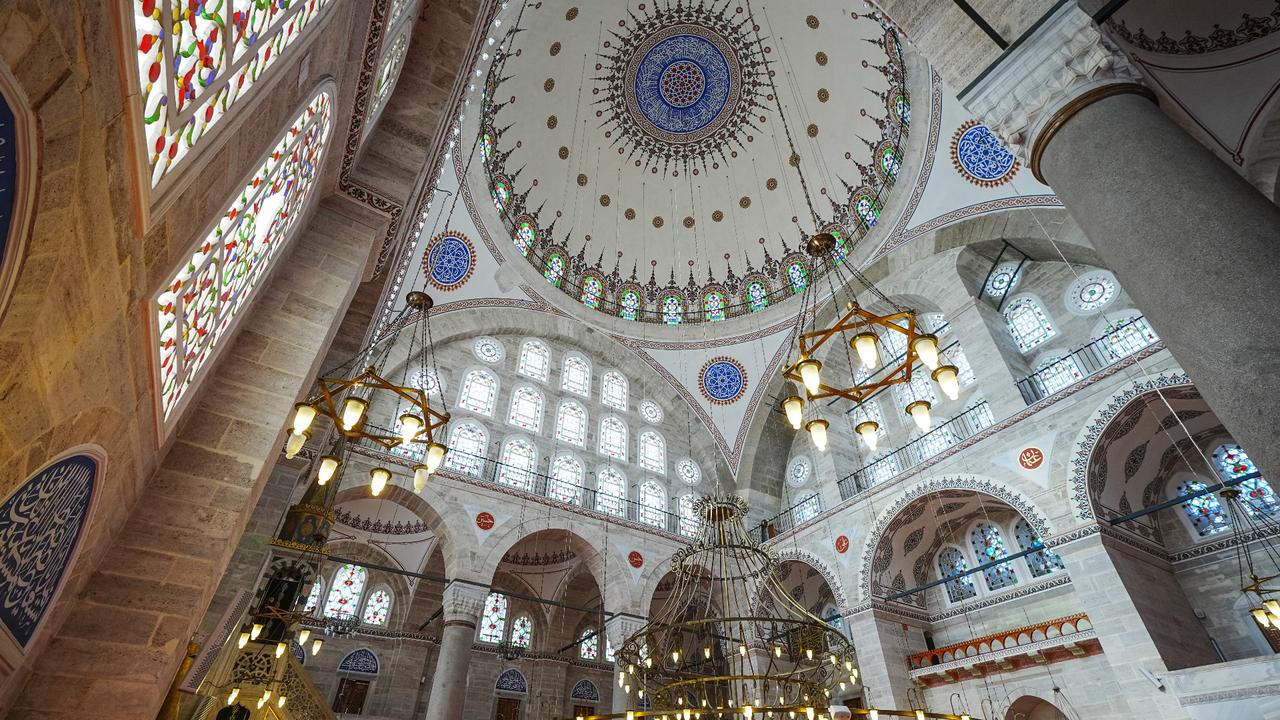
Architecturally, the mosque reflects the classical style of Ottoman imperial mosques, known as selatin mosques—structures commissioned by members of the ruling dynasty. The main prayer hall, or harim (the central interior space used for communal prayer), is covered by a large central dome supported by an arch system. This design approach highlights Sinan’s efforts to create a spacious interior while maintaining structural balance.
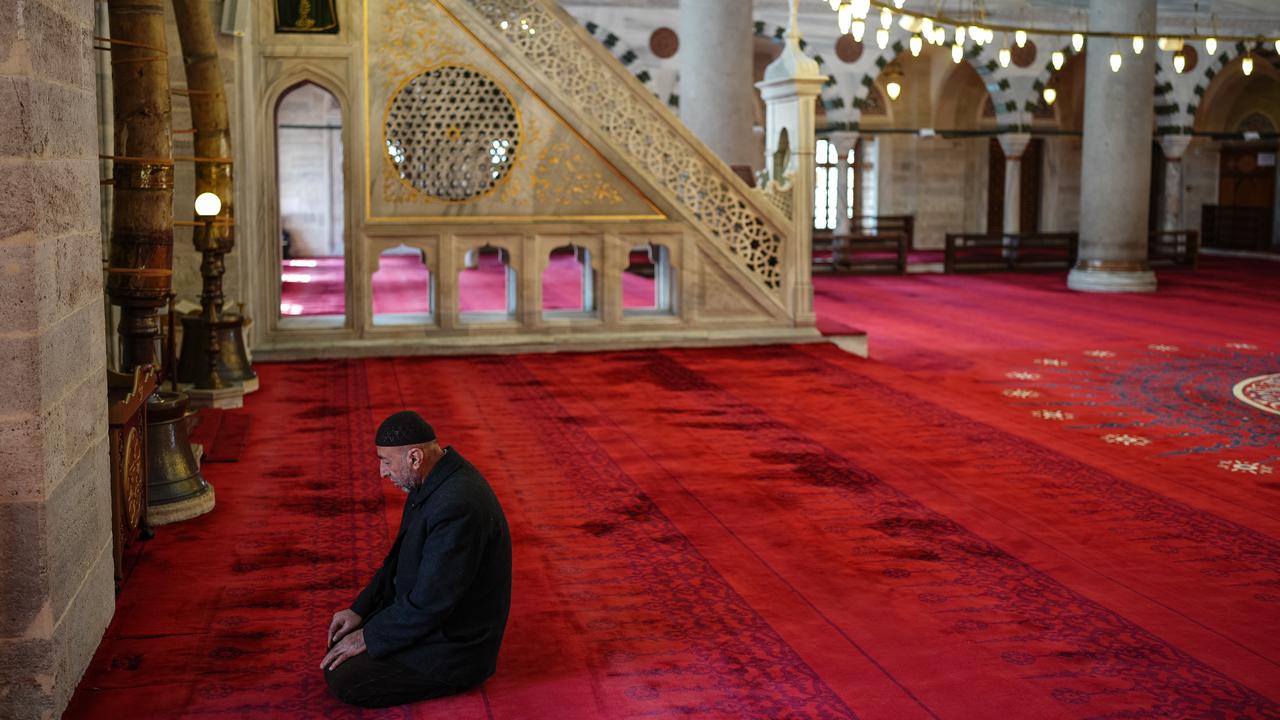
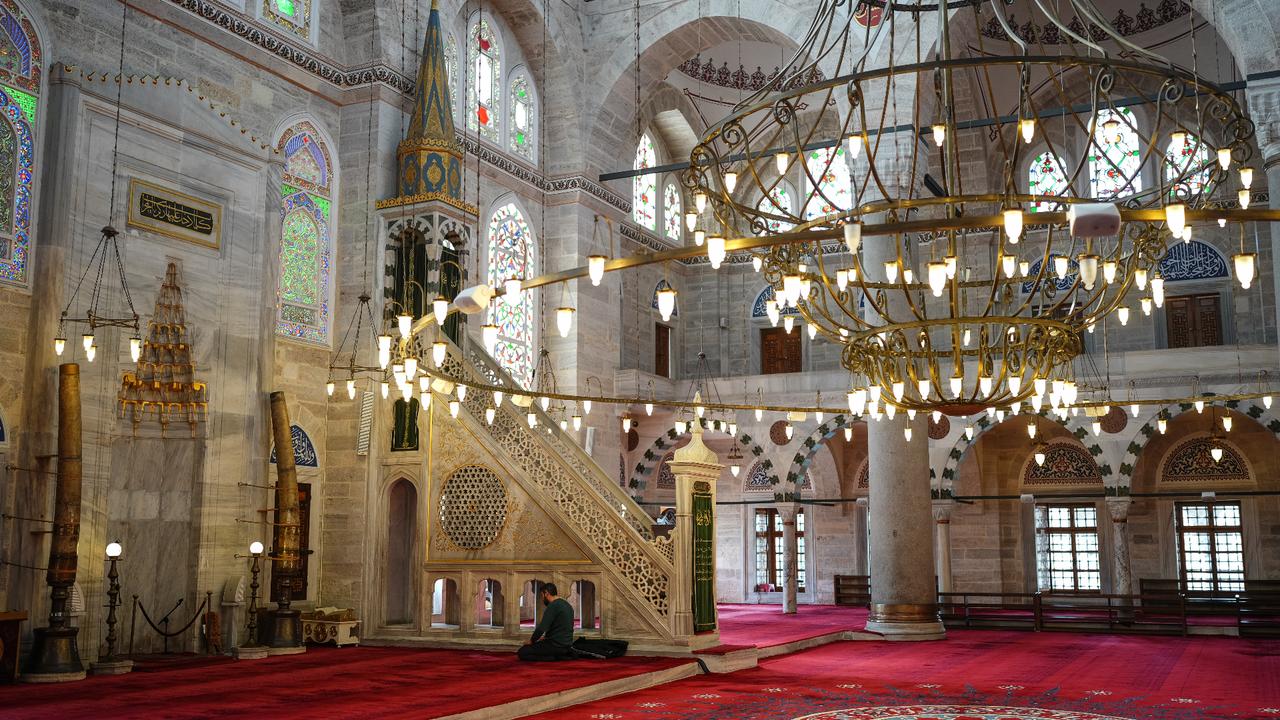
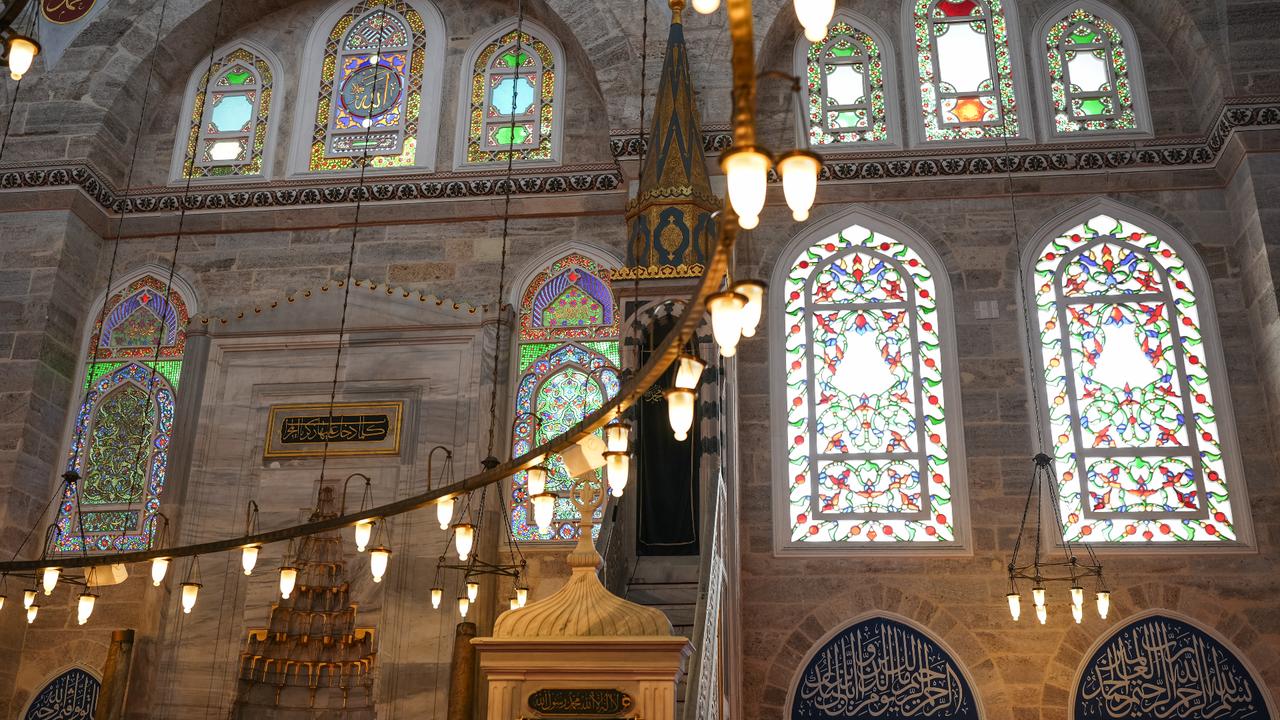
One of the most distinctive features of the mosque is the large number of windows placed along the walls of the prayer hall. These openings allow daylight to flood into the interior, creating an unusually bright and airy atmosphere compared with many other mosques of the period. Scholars note that this arrangement demonstrates Sinan’s experimental approach to architecture, where light becomes a central element shaping the spatial experience.
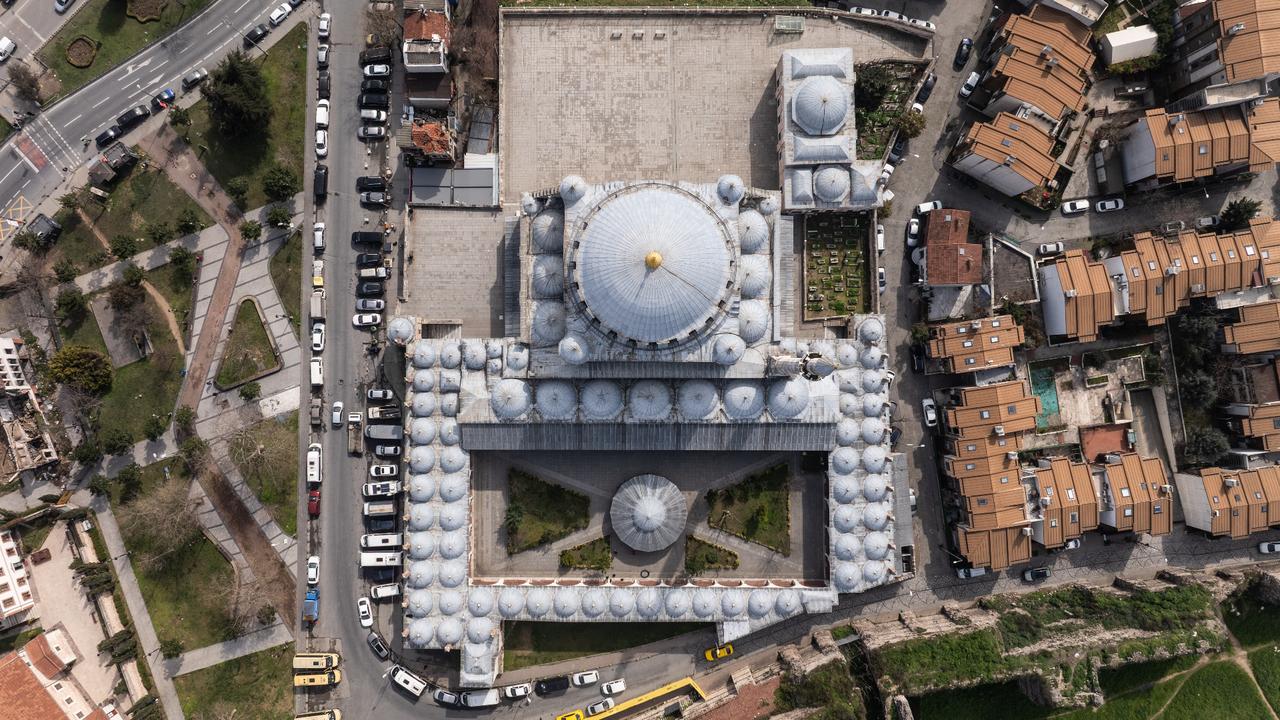
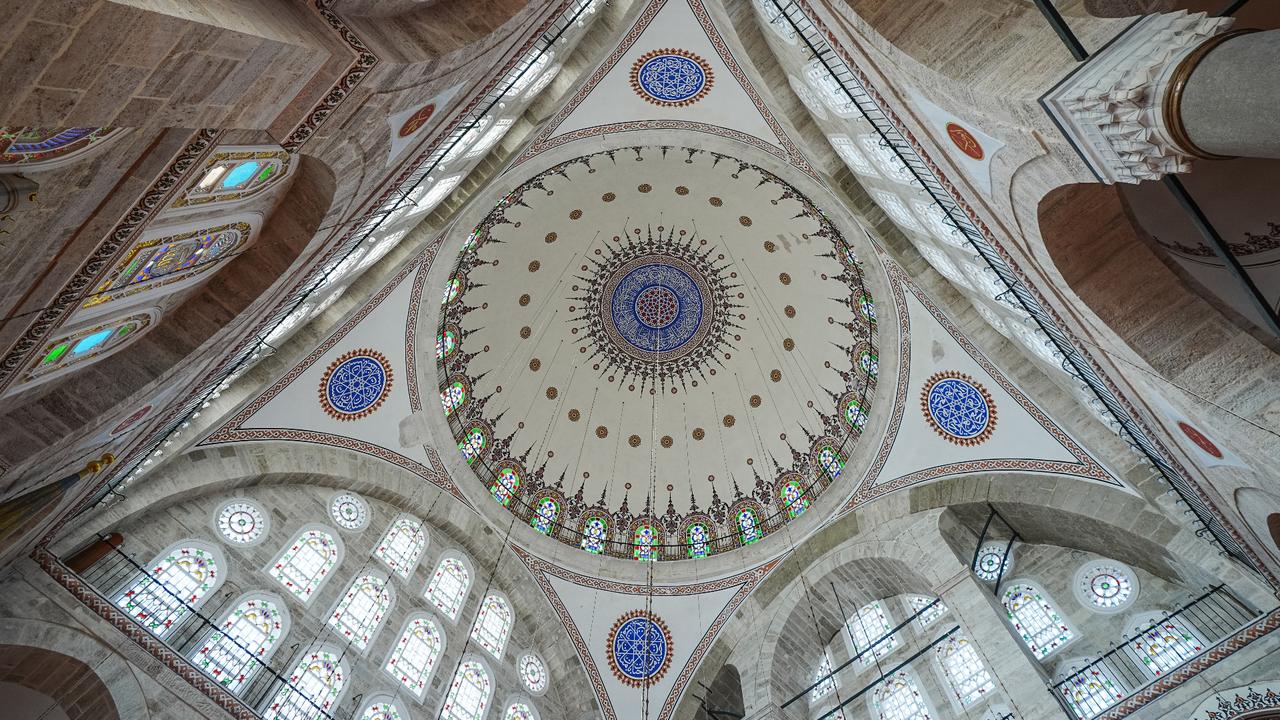
Although the central prayer space originally follows a square plan, Sinan expanded the interior by adding side sections covered with smaller domes. Through this arrangement, the structure takes on a rectangular form while maintaining the visual dominance of the main dome. The dome itself measures around 20 meters in diameter, which researchers describe as a considerable span for the period.
Like many Ottoman imperial religious foundations, the Mihrimah Sultan Mosque was not built as a standalone structure. Instead, it formed part of a larger kulliye, a complex of charitable and social buildings centered on a mosque. These complexes often included institutions serving education, welfare, and daily life. In this case, the complex originally contained a madrasa (Islamic school), a sibyan mektebi (primary school), a bathhouse, shops forming a small marketplace known as an arasta, and other foundation buildings.
The mosque complex also contains a tomb structure. Historical sources indicate that Mihrimah Sultan herself was not buried there. Instead, the tomb houses Semiz Ahmet Pasha, the husband of her daughter Ayse Sultan. Such burial arrangements were not uncommon in Ottoman religious complexes, where prominent figures connected to the foundation could also be interred.
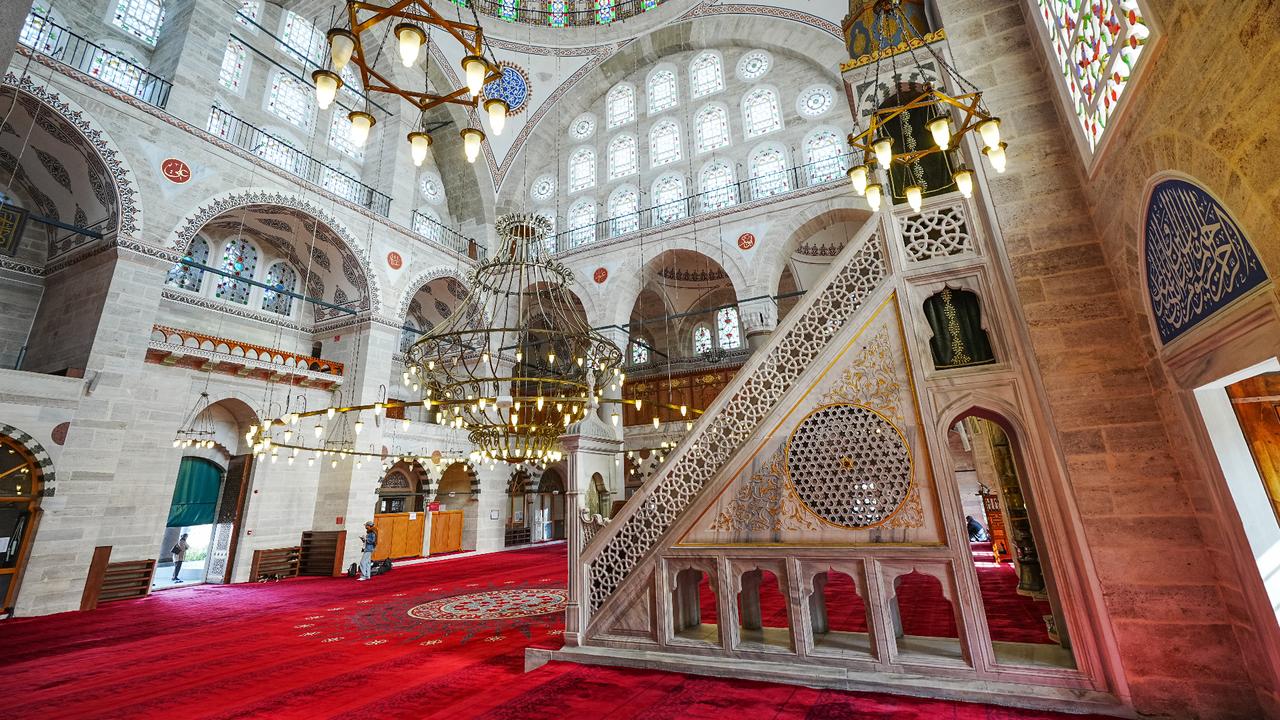
Over the centuries, the mosque experienced damage during several earthquakes that affected Istanbul. Researchers note that the earthquake of 1766 caused particular destruction, leading to the loss of many original painted interior decorations known as kalem isi. Unlike many classical Ottoman mosques, the building is also notable for the absence of extensive tile decoration, which makes it an unusual example within its architectural period.
The 17th-century Ottoman traveler Evliya Celebi described the mosque in his famous travel account, praising its refined craftsmanship. He wrote that it was “a highly adorned structure with its mihrab, minbar and gallery.” Celebi also compared its elevated position to the royal pavilion found in imperial mosques, stating that the building stood “like the pavilion of the other imperial mosques,” a reference to its commanding location above the city.

 1 min read


 Set as preferred source