Newsletters


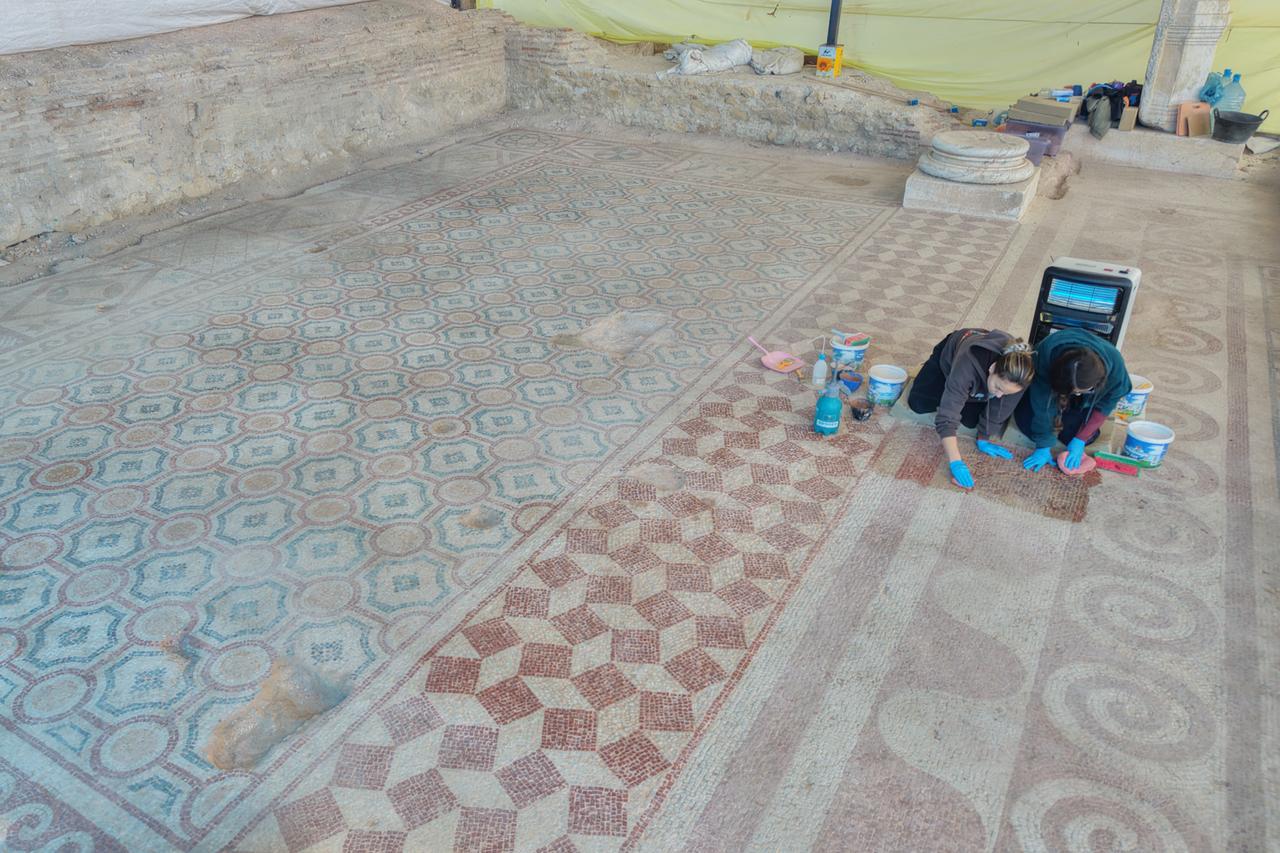


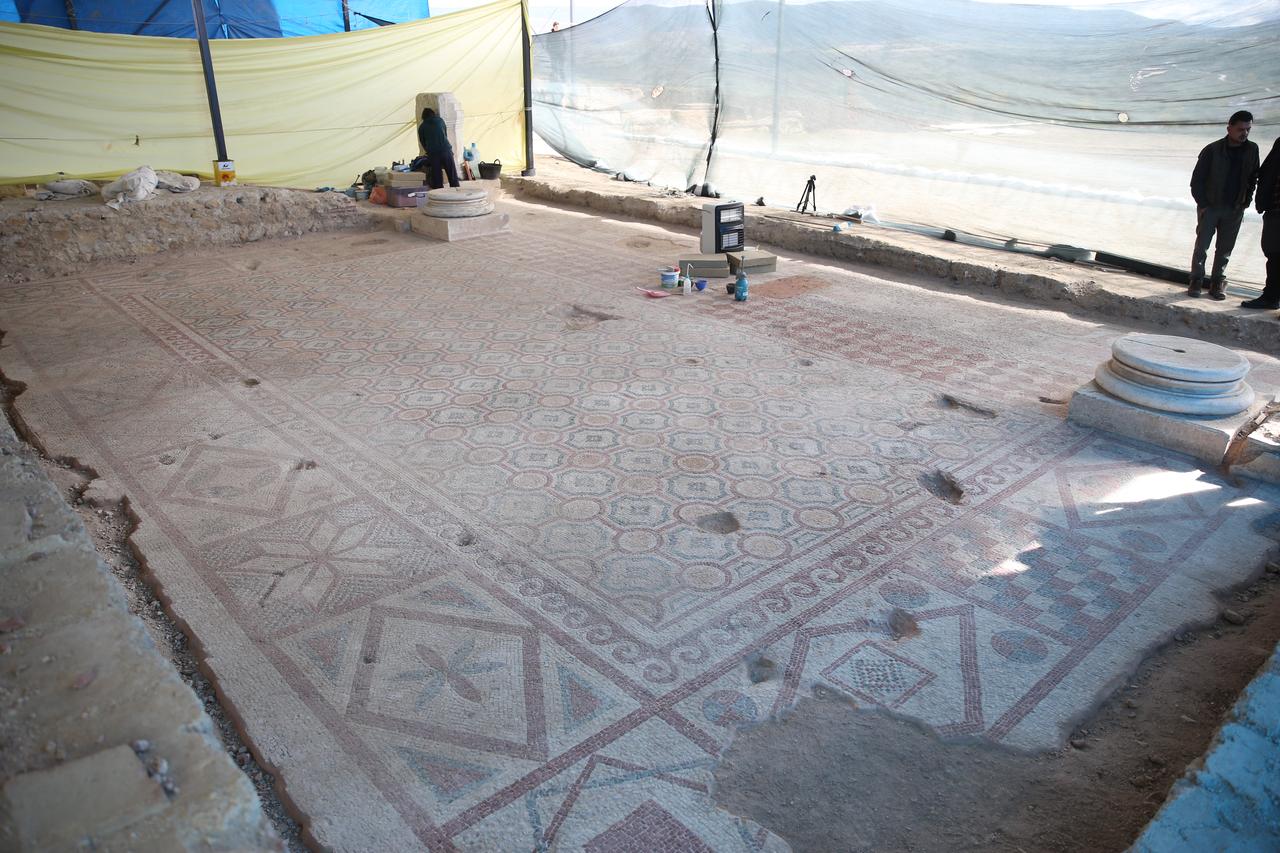
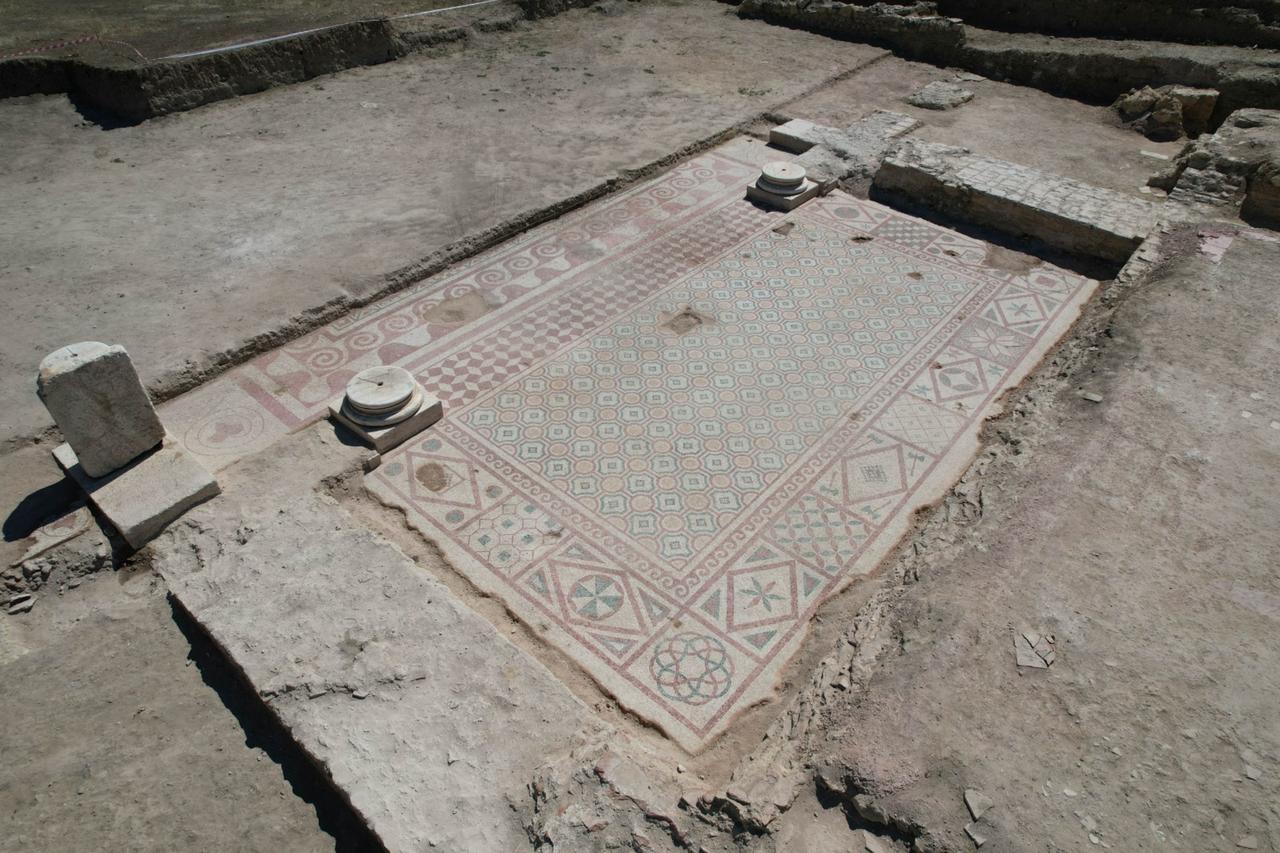
Archaeologists working at the ancient city of Pompeiopolis in northern Türkiye have expanded a previously uncovered mosaic floor from approximately 105 to 120 square meters, while also discovering an Eros head in a basilica dating back to the Roman period.
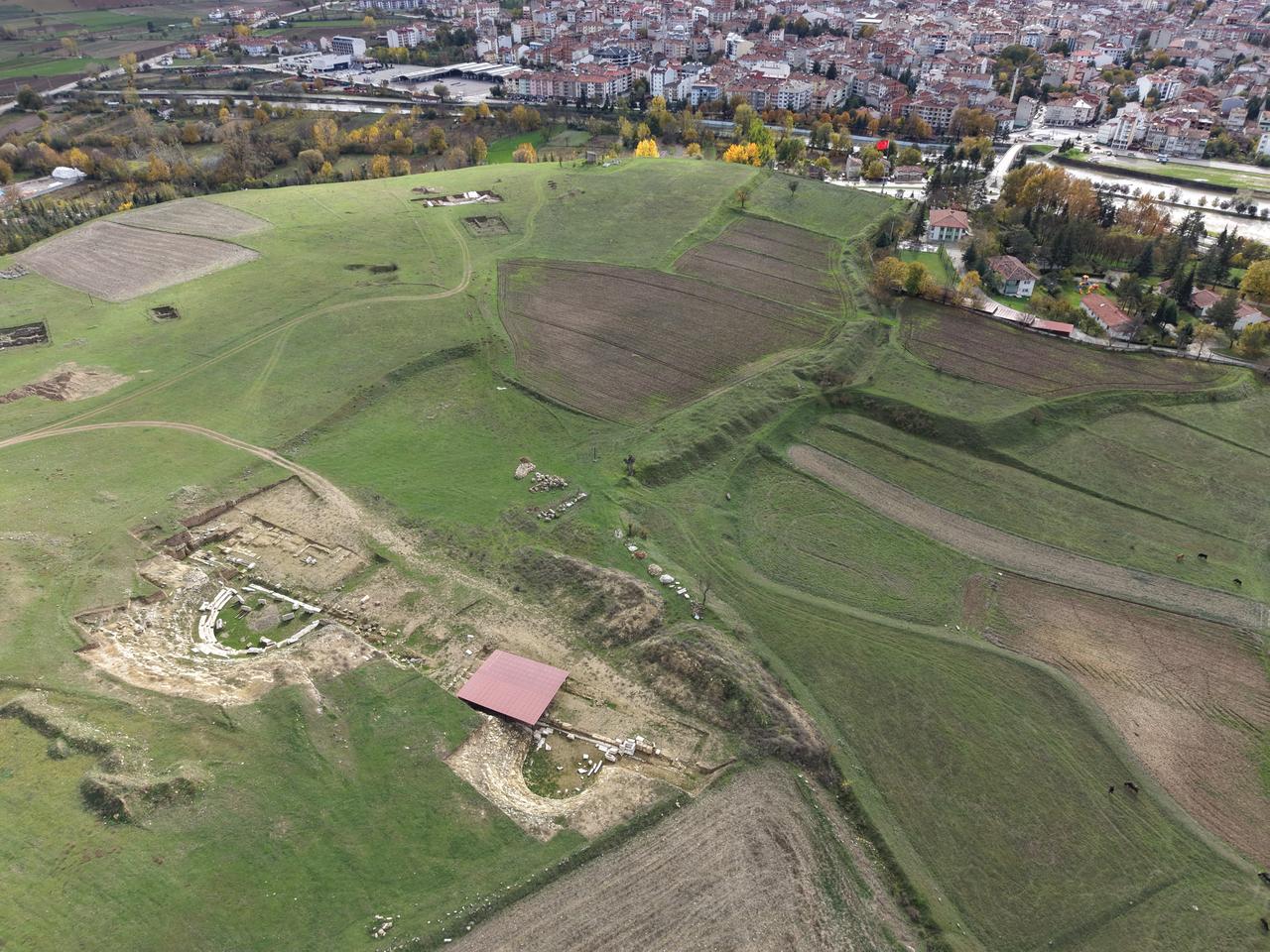
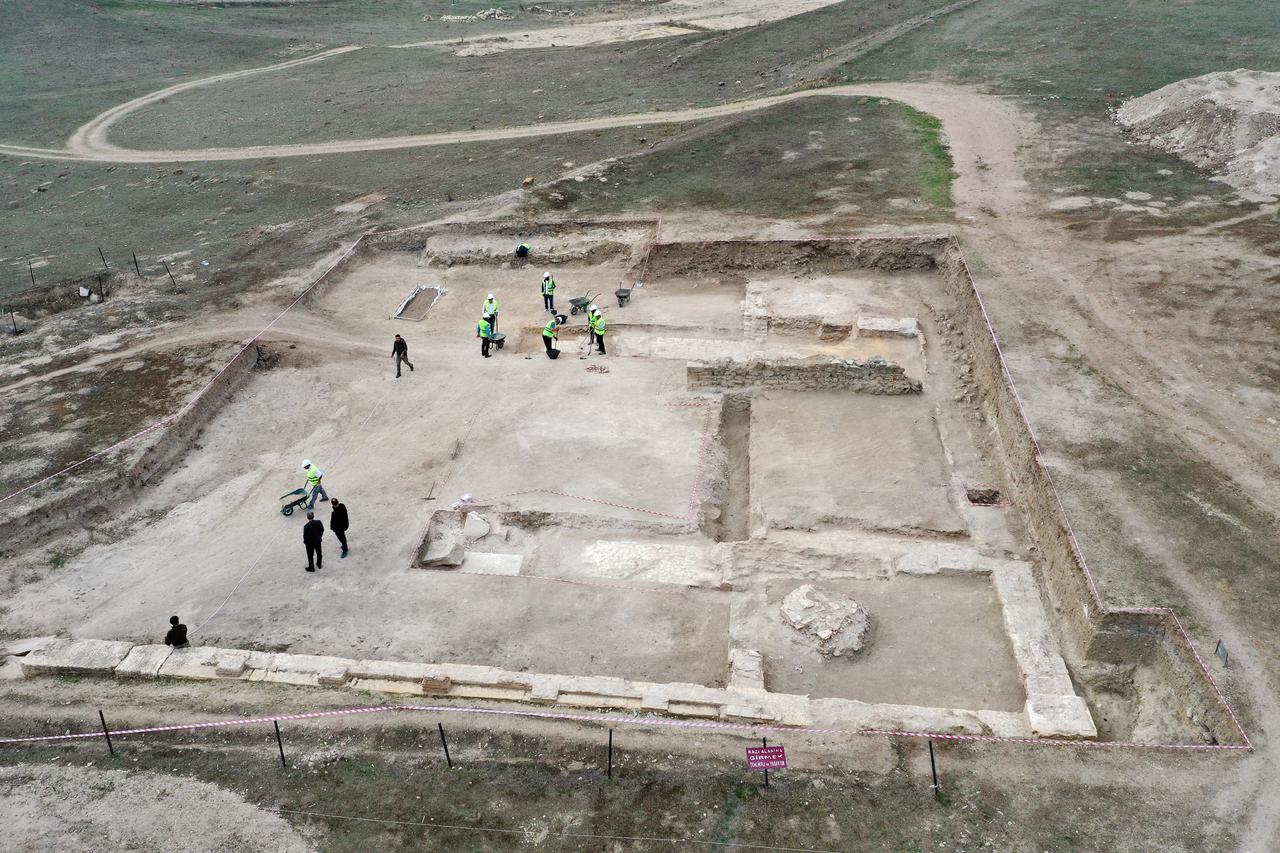
The findings were made during ongoing excavations at Zimballi Tepe in Kastamonu's Taskopru district, where researchers have been uncovering structures and artifacts from Pompeiopolis, once the capital of the ancient region of Paphlagonia.
Excavations at the site began in 2006 and are currently led by Associate Professor Mevlut Eliusuk of Karabuk University on behalf of Türkiye's Ministry of Culture and Tourism.

Deputy excavation director Ahmet Yasin Ekinci said work on the basilica and a Roman villa had picked up pace over the past two years.
After identifying the basilica's foundation walls in 2025, archaeologists uncovered its complete architectural plan during the 2026 excavation season.
Researchers determined that the building had two construction phases, dating from the mid-second century to the fourth century A.D.
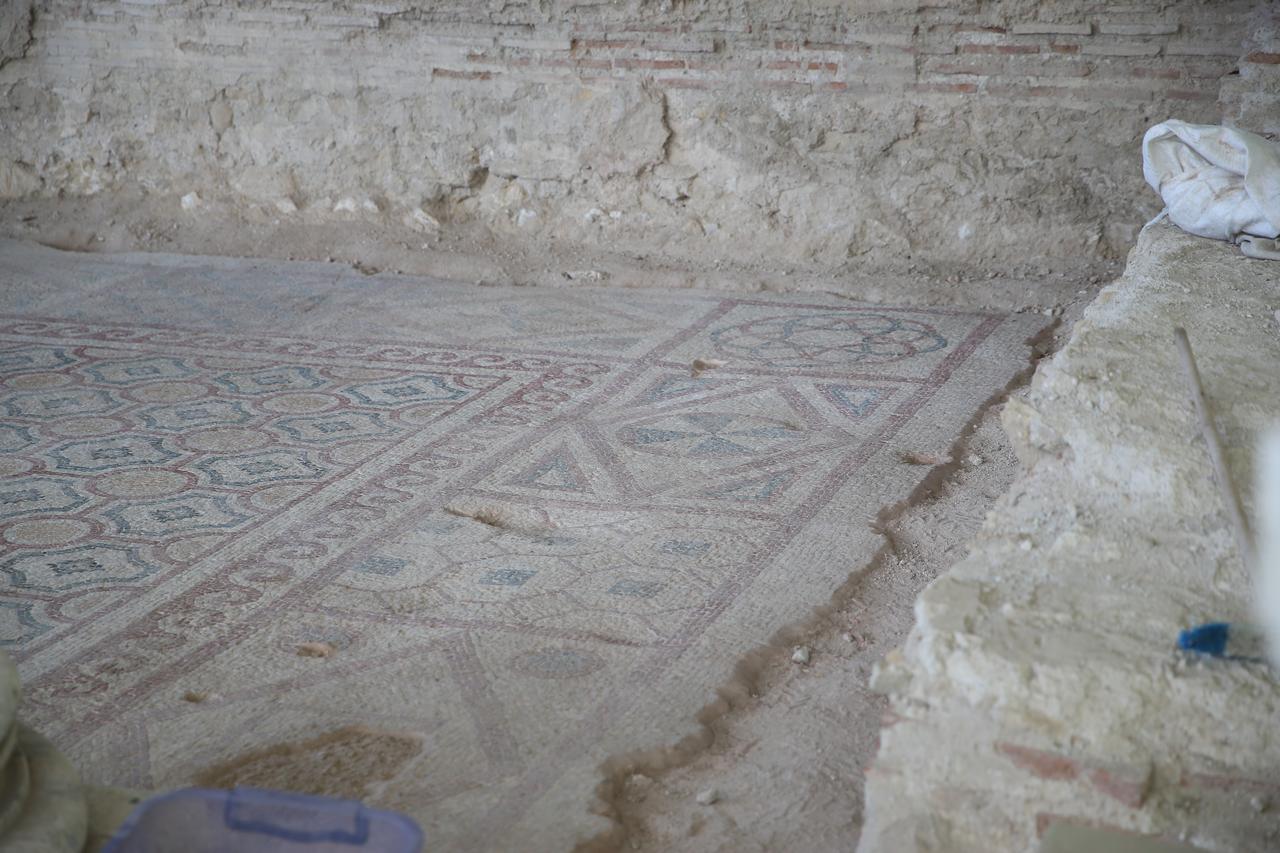
The basilica follows a three-aisled layout, with mosaic flooring covering approximately 120 square meters across its central and eastern aisles. Archaeologists also recovered an Eros head from the building's eastern section.
Restoration and conservation work is continuing, while a temporary roof has been installed to protect the exposed remains.
Taskopru Mayor Huseyin Arslan said additional sections of the mosaics remain buried and that excavation teams intend to uncover them in the coming season.
Arslan also outlined plans to speed up restoration work at the ancient theater and connect visitor walking routes to the Roman villa.
However, he emphasized that archaeological excavations require careful, time-consuming work and that preserving discoveries is just as important as uncovering them. For this reason, no definitive date has been set for opening the site to visitors.
Ekinci said the excavation team aims to expose more mosaic flooring in 2027, install a permanent protective roof over the basilica and develop walking routes connecting the theater, odeon, an ancient building used for musical performances and public gatherings, and Roman residence.
The plans also include establishing a visitor information center through a project supported by the Northern Anatolia Development Agency (KUZKA).
The long-term goal is to display the mosaics and other archaeological remains while securing official archaeological visitor-site status for Pompeiopolis.
Arslan said excavation progress had benefited from sponsorship by Akasya Maden, adding that further financial support could help speed up preparations to open the site to visitors. The Ministry of Culture and Tourism, Kastamonu Governor's Office, Taskopru District Governor's Office and Taskopru Municipality are also supporting the work.


 Set as preferred source
 Set as preferred source


 1 min read
 1 min read