Newsletters


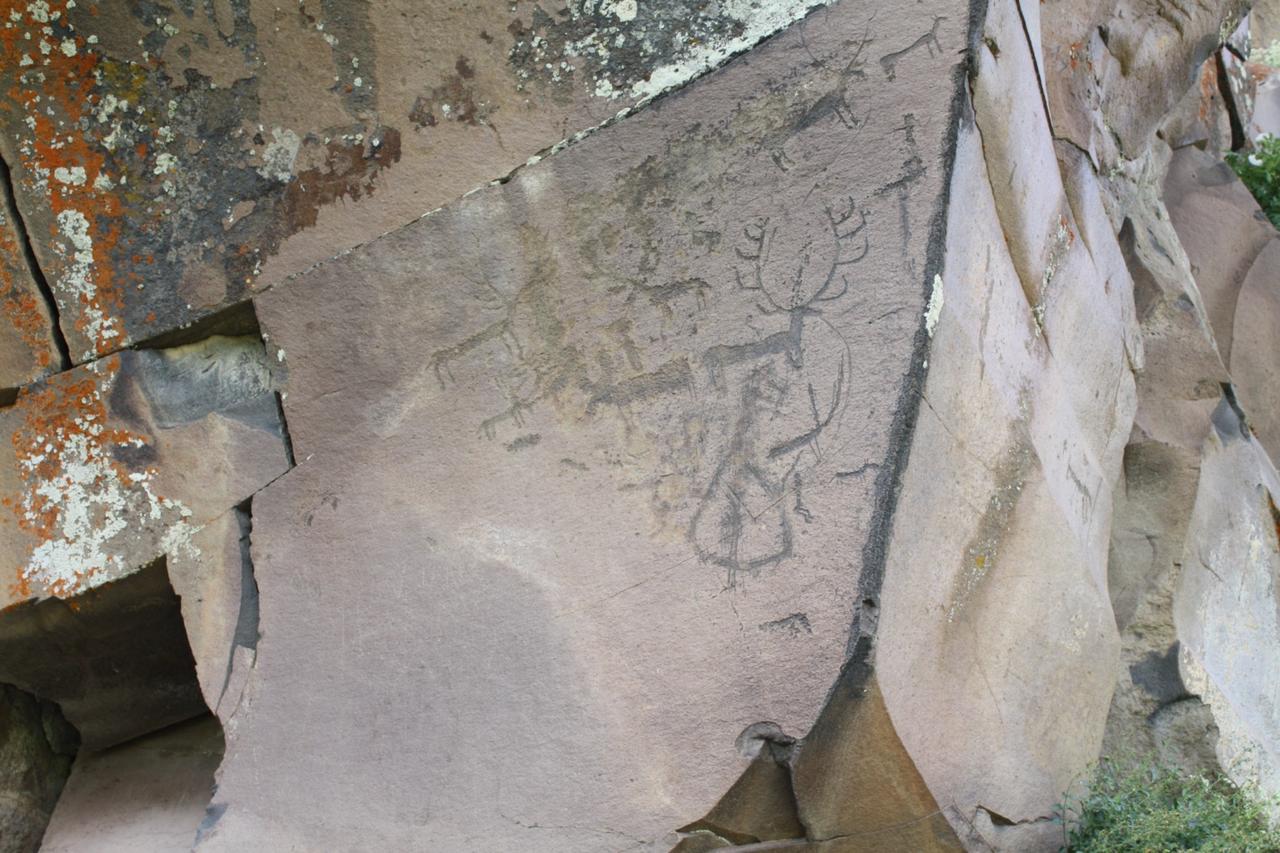


More than 100 rock carvings of mountain goats, deer and other animals in Türkiye's northeastern Kars province are giving researchers a window into how early communities lived alongside nature.
The petroglyphs are found around Camuslu village in the Kagizman district, an area that sits along an important historical passage between the Caucasus and Anatolia and is associated with some of the region's earliest cultures.
Researchers have identified numerous rock-art sites across the area through field surveys carried out over several decades.
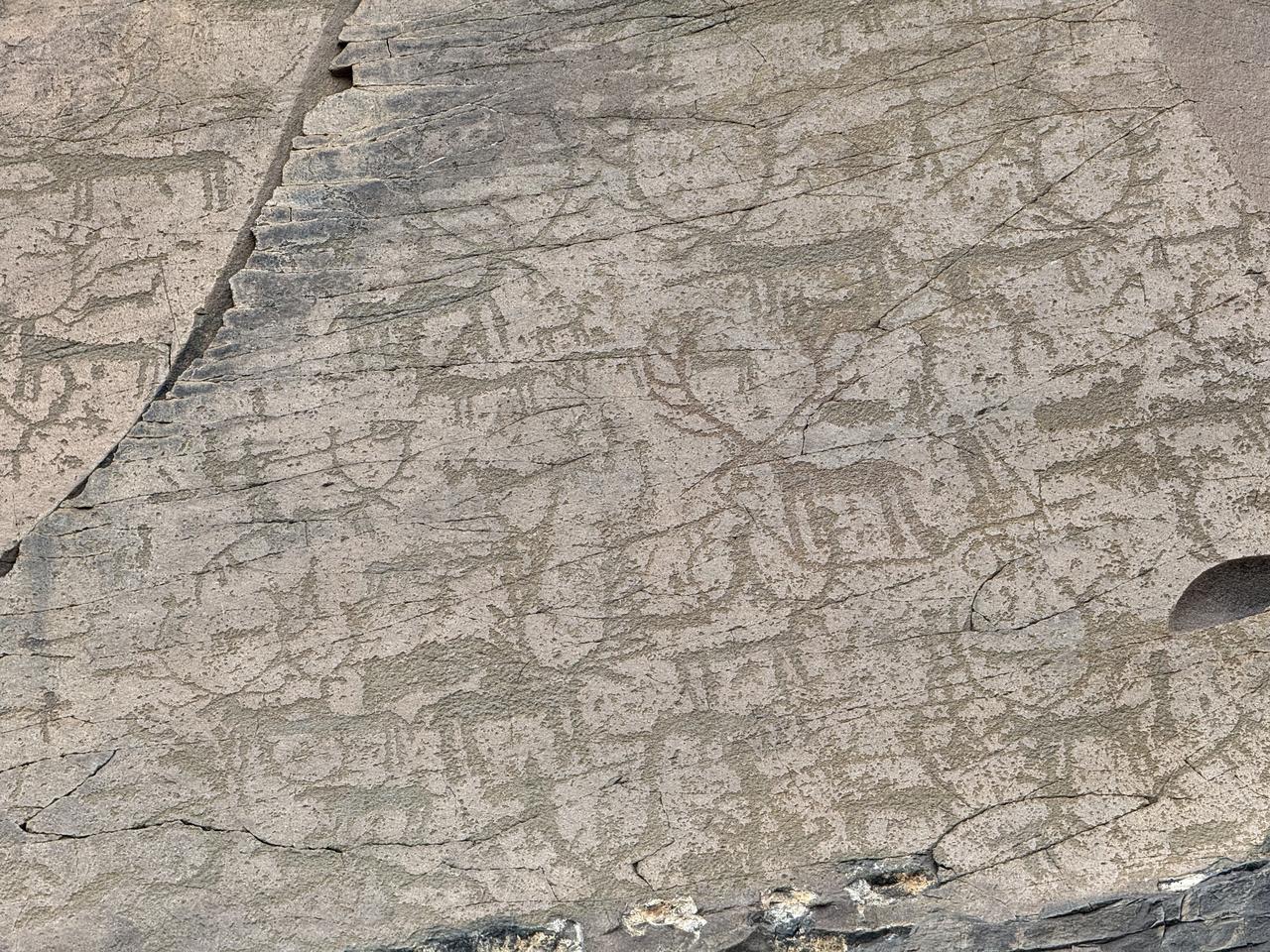

Mustafa Karageci, an associate professor of ancient history at Kafkas University, said more than 100 figures had been identified on the rocks around Camuslu, including depictions of mountain goats, deer and similar animals.
Karageci said the carvings provide clues about the lives of communities that moved through the region, particularly nomadic groups whose relationship with nature, fears and beliefs were reflected in the images they carved into stone.
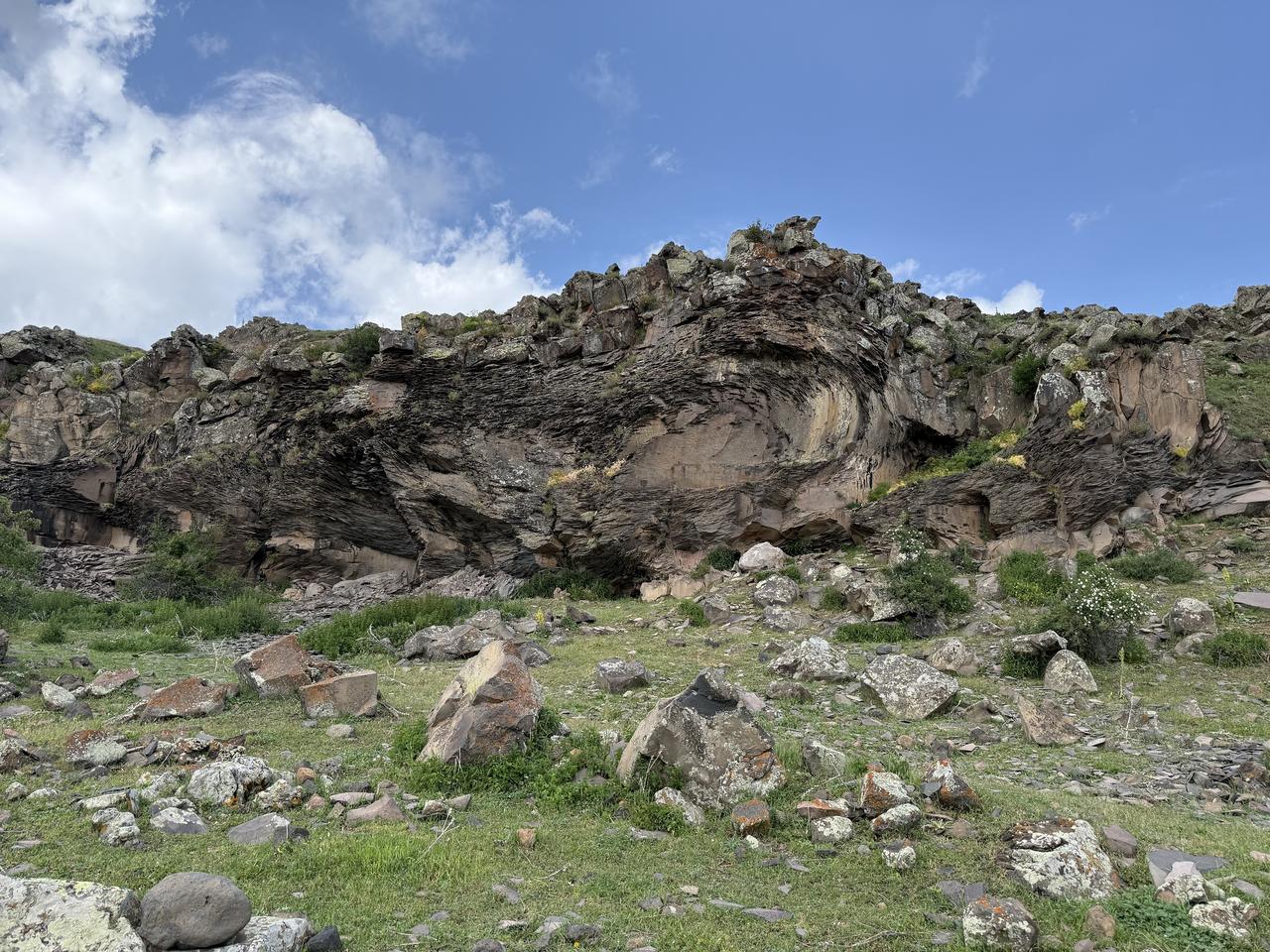
"Thousands of years ago, particularly during periods without writing, people conveyed the message 'We were here and we lived here' by recording their own history through images carved into rocks," he said.
Field surveys in the region were led by Professor Alpaslan Ceylan between 1999 and 2012 and by Professor Akin Bingol from 2012 to 2022, according to Karageci.
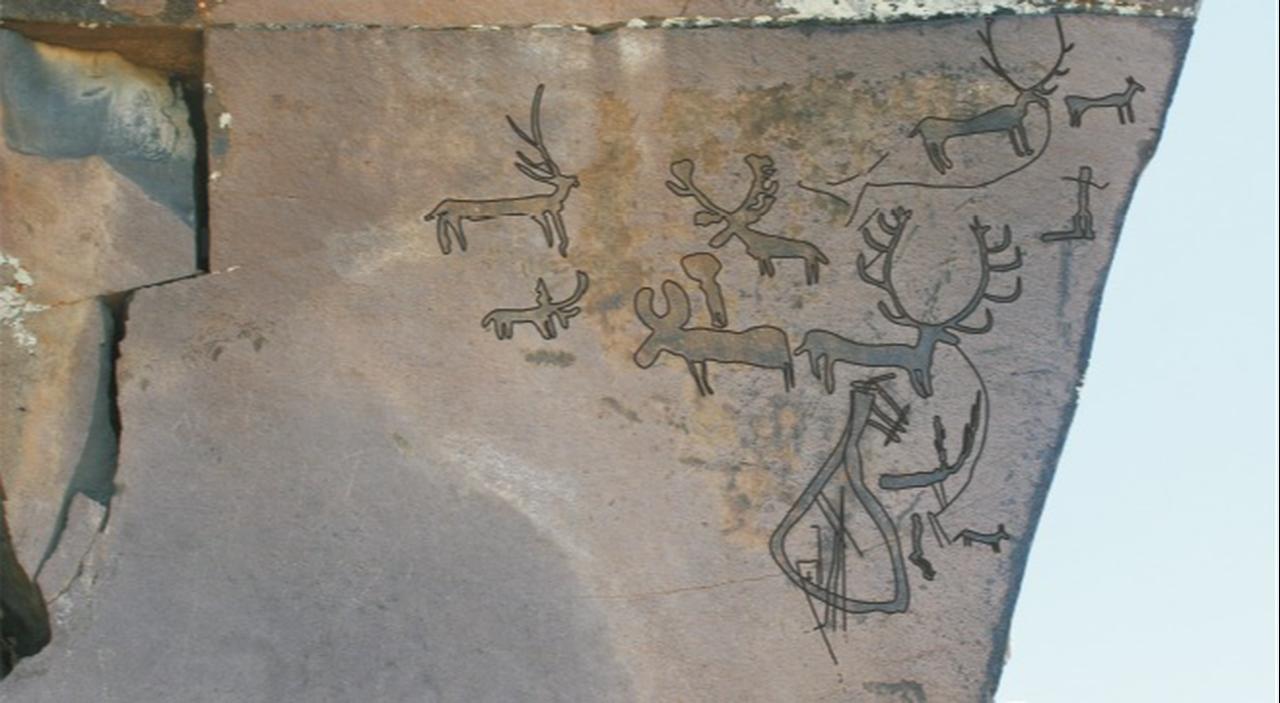
Karageci said the petroglyphs date back to the Paleolithic period, with some added in later eras, and that the carving techniques reveal how they were made.
The Kars examples stand out for their drawing and engraving techniques, he said, explaining that people used flint tools to carve figures into smooth rock surfaces.
The surviving images now form part of the archaeological heritage of a region that has long served as one of the major gateways connecting the Caucasus with Anatolia.


 Set as preferred source
 Set as preferred source



 1 min read