Newsletters


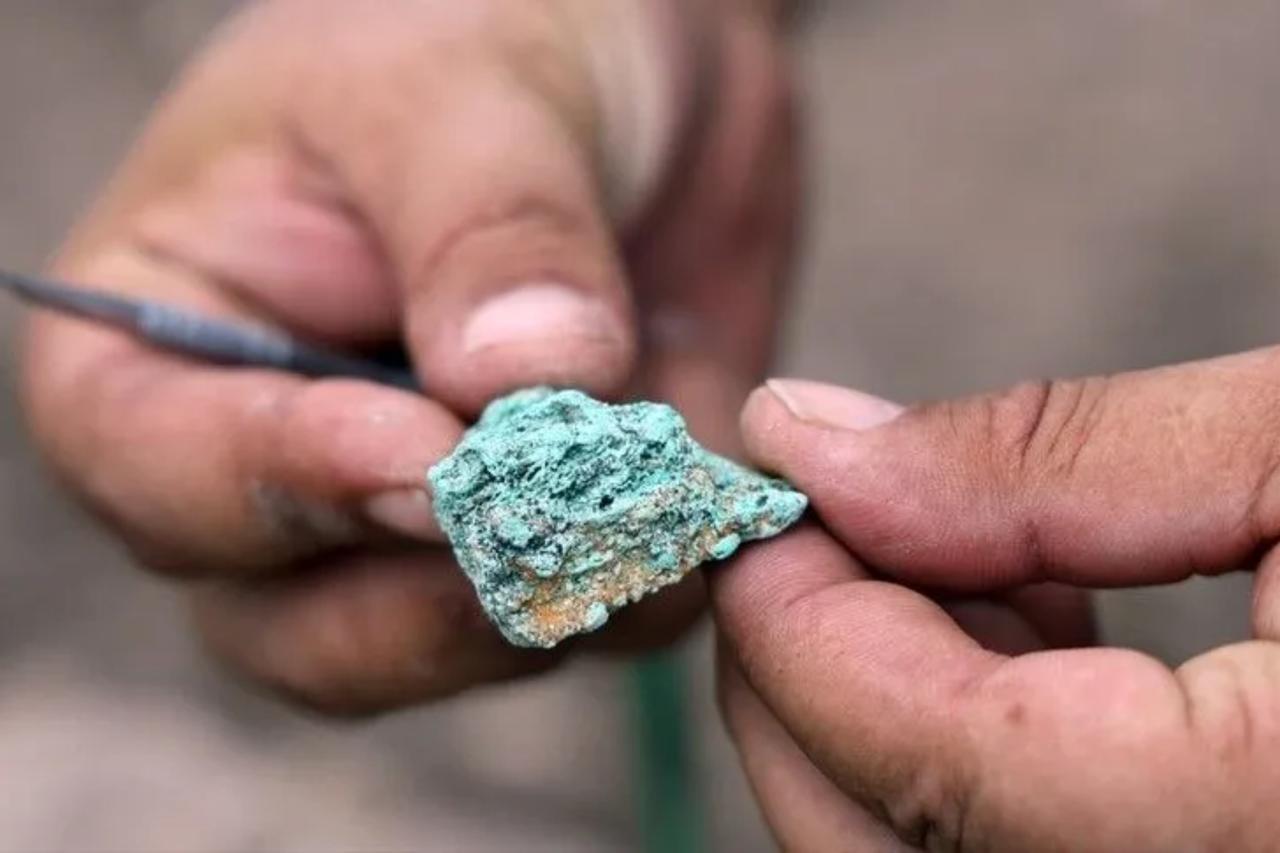


Archaeologists excavating a Neolithic settlement in southeastern Türkiye have uncovered a workshop dating to roughly 9,000 years ago, where early inhabitants shaped green malachite and copper into beads and other objects, the country’s culture minister said.
The workshop, dated to about 6900–6800 B.C., was found this year at Cayonu Tepesi in the Ergani district of Diyarbakir province, Culture and Tourism Minister Mehmet Nuri Ersoy said in a social media post.
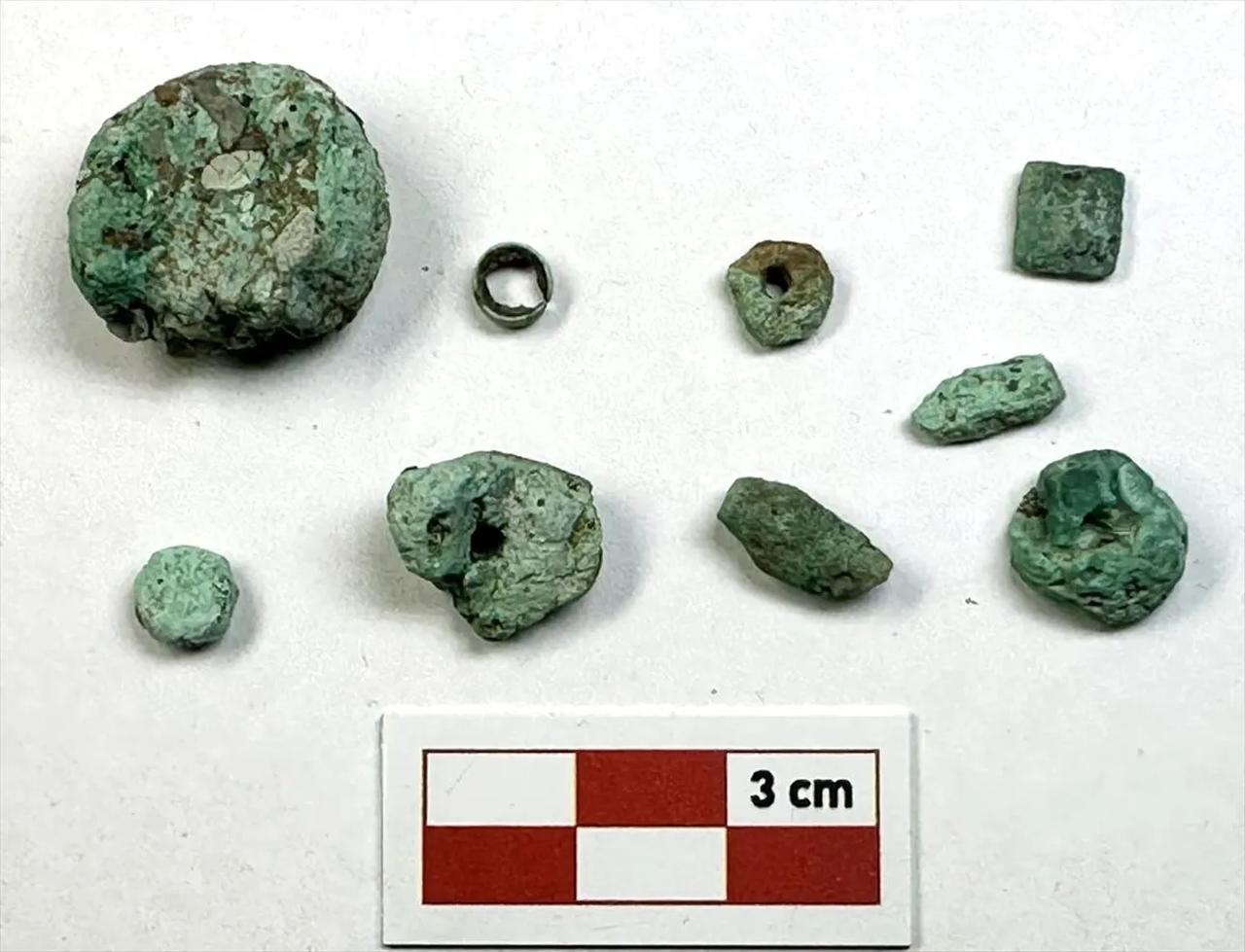
The roughly 5-square-meter workshop contained raw and partially worked malachite, finished malachite pieces, copper beads and other copper objects, along with a stone-paved work area, Ersoy said.
"The discovery shows that the mining tradition here continued for about 2,000 years and that specialized production activities took place in specific work areas," Ersoy said. He noted that traces of copper and malachite use at Cayonu date back to 9100 B.C.
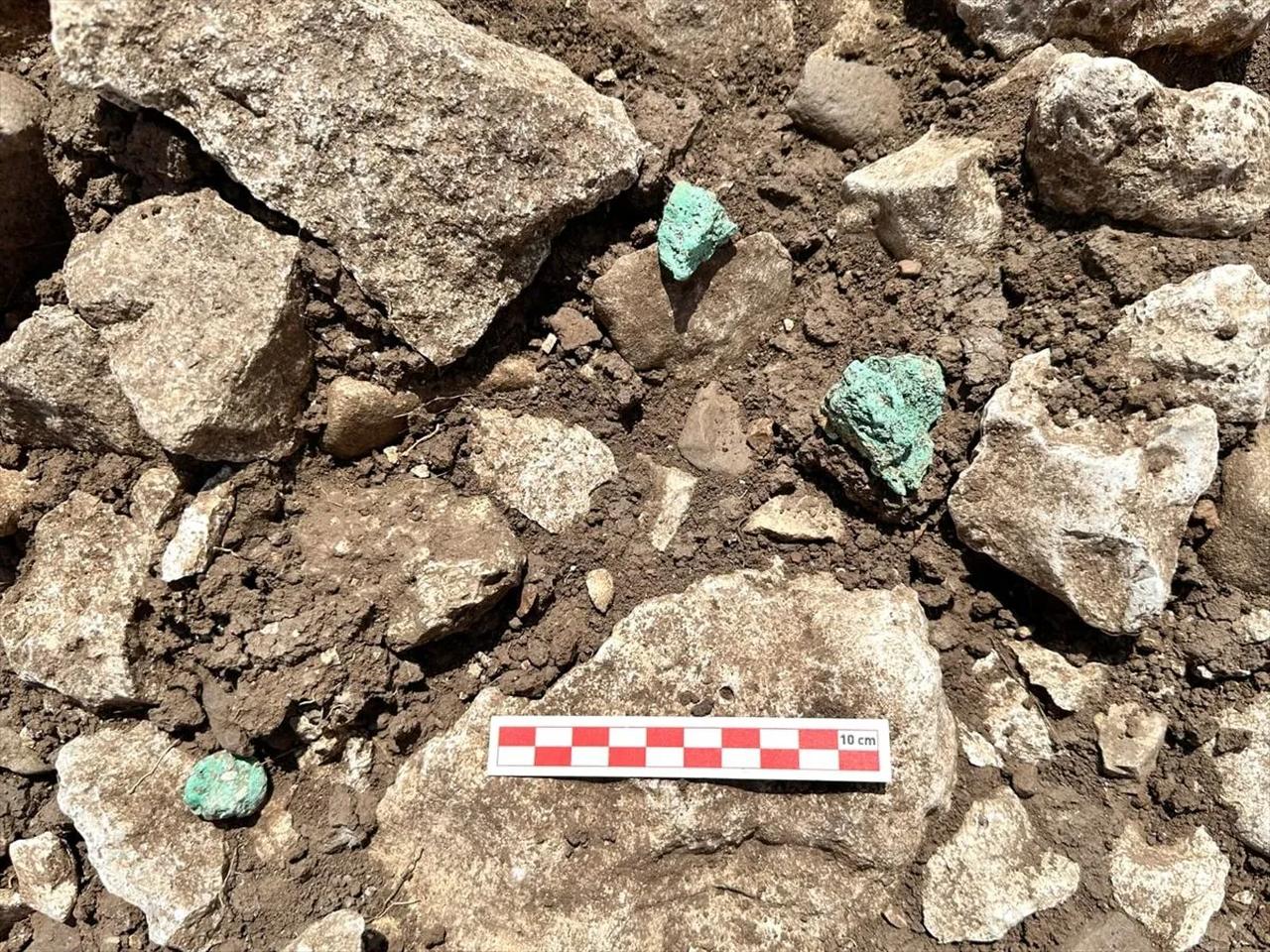

The Culture and Tourism Ministry said the dig, led by Assoc. Prof. Savas Sarialtun of Canakkale Onsekiz Mart University, exposed the workshop in the western part of the settlement.
Researchers identified at least six post holes around the workshop’s edge. The ministry said they suggest the work area may have been covered by a canopy, indicating the space was deliberately organized for production.
About 18 malachite samples were found at the center of the workshop, and roughly 24 or 25 in the workshop and its immediate surroundings. Across the wider work area, the number of malachite and copper finds has reached about 42.
This season’s excavations also yielded new evidence on the settlement’s continuity. In the western area, archaeologists found quality pottery from the early stages of the Pottery Neolithic period, belonging to the Proto-Hassuna culture.
The finds date to roughly 6800–6600 B.C. Researchers plan to refine their chronology through ongoing radiocarbon dating and other scientific analyses, the ministry said.
The ministry described the workshop as one of the most significant finds of this year’s dig. The production area can be defined architecturally; raw material and items at different stages of production were found together, and the workshop could be documented as a whole.


 Set as preferred source
 Set as preferred source



 4 min read